
This post was originally published on this site.
England scrap midnight curfew after seven months
-
Published
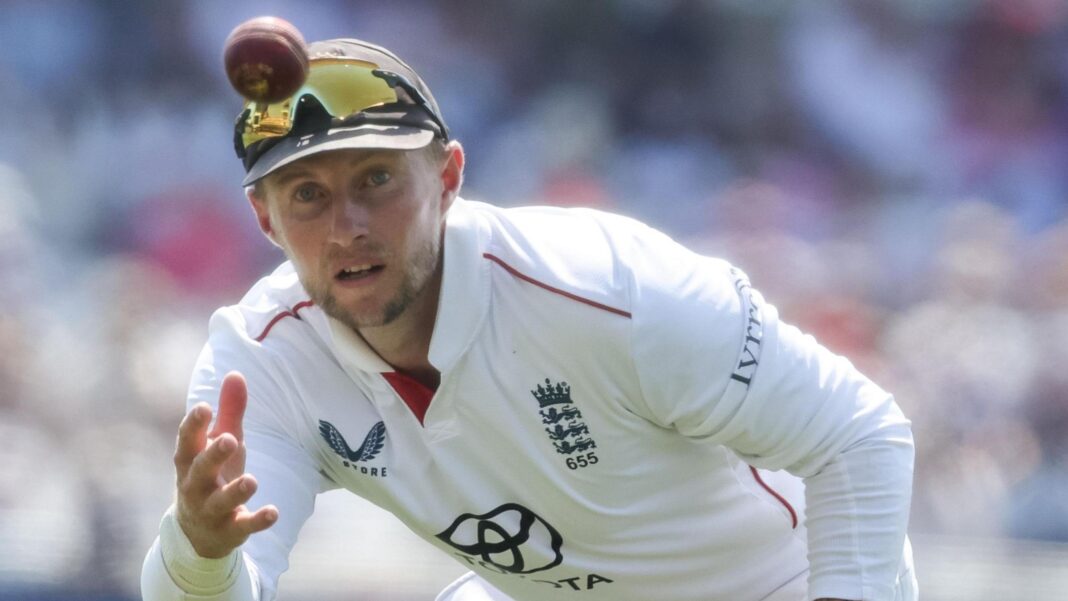
New Test captain Joe Root has abolished the midnight curfew imposed on the England teams – only seven months after it was introduced.
The removal is the latest update to rules surrounding the behaviour of their players – regulations that have come under scrutiny across this year.
The curfew was introduced in January after a number of late-night incidents on the tours of New Zealand and Australia.
Following the first Test of the home summer – a win against New Zealand – former Test captain Ben Stokes broke the curfew in a nightclub in London, sparking a series of events that eventually led to his retirement from international cricket.
In the aftermath of the nightclub incident, director of cricket Rob Key considered imposing a total alcohol ban on the England players.
Then-Test coach Brendon McCullum admitted to “ambiguity” surrounding the communication of the curfew, with new guidelines on it and the consumption of alcohol issued to the England players last month.
But before Root’s first Test back in charge, against Pakistan at Headingley next week, he has relaxed the rules and said: “Let’s be adults.”
The curfew has also been lifted for the white-ball team, despite no change in the leadership of the one-day and T20 sides.
Led by coach McCullum and captain Harry Brook, the limited-overs sides will also no longer have to abide by the midnight rule.
Speaking to Sky Sports, Root said: “There’s not going to be a curfew. I don’t think this needs to be a big deal, to be honest.”
A curfew was first put in place during Root’s first spell as Test captain, between 2017 and 2022, and introduced after drinking incidents on the Ashes tour of 2017-18.
It was abolished when Stokes took over as captain in 2022, only to then be reintroduced earlier this year.
Now it has been scrapped again as Root begins his second spell as captain.
McCullum has been replaced as Test coach by fellow New Zealander Stephen Fleming, although he will not be in place for the three matches against Pakistan, with Marcus Trescothick acting as the interim coach.
“My view on curfews is that I don’t think they work and if you want guys to take responsibility on the field, they’ve got to feel like they can be grown adults off it and make good, strong decisions off it,” added Root.
“And that’s for us as a team to manage well, and self-police well, for me and Flem to manage well in many ways.”
The curfew was first imposed on the white-ball team in January for their tour of Sri Lanka and the T20 World Cup that followed.
It came after Brook was punched by a nightclub bouncer in Wellington and opener Ben Duckett was filmed, apparently drunk, on England’s mid-Ashes holiday in Noosa.
The curfew remained in place for the Test team in the home summer, although there was confusion surrounding the terms and how it was communicated.
Stokes and pace bowler Gus Atkinson were out past midnight following the victory over New Zealand at Lord’s, when a member of the England security staff was punched by a Saracens rugby player.
The pair missed the second Test against the Black Caps while the incident was investigated, and were ultimately cleared of wrongdoing. After he returned for the third Test, Stokes announced midway through the match at Trent Bridge it would be his last for England.
Root said: “Ultimately, you’re grown adults, you know what it takes to play for England, you know what your responsibilities are off the field and we need to make sure we don’t find ourselves with any of those situations, off the field, to manage.
“We should be known for how we play our cricket and what we do on the field. We should be on the back page of the papers, and people reading about that sort of stuff. So, that’s as much as I’ve got to say on it.
“Let’s be adults. Look after yourselves, look after each other, create a good, strong culture where you know the right time is to celebrate and enjoy a win, or to have a sensible beer or whatever. And remember you’re playing for England.”
A statement from the England and Wales Cricket Board added: “We have a Test captain and coach, who are looking at how they set team standards and culture.
“As part of this, the curfew will no longer be in place. We will ensure all players have a clear understanding of expectations when they come together for the upcoming Test series.”
The removal of the curfew is a partial U-turn on behavioural guidelines that were issued last month and also recommended no alcohol be consumed on the day immediately before, during or on the day immediately after a match.
If players do choose to drink in the period before, during or after matches, it should not be in public.
They have also been strongly discouraged from drinking in private, in order to aid preparation, recovery and professionalism.
The guidelines apply only to the England senior men’s teams. All other England sides – the women, Lions and age-group teams – have their own rules. England women do not have formal rules on alcohol.
Last week, Stokes denied the England team has a problem with alcohol, but instead said “cricket has a drinking culture and that has not changed”.
Analysis – Curfew introduced, broken, argued over, clarified and now scrapped
Another day, another change in the rules governing the behaviour of the England men’s teams.
This year alone, a curfew has been introduced, broken, argued over, clarified and now scrapped.
It is a poor look for the top level of English cricket that there remains a hokey-cokey over a curfew first introduced almost a decade ago. It’s worth reiterating these rules have only ever applied to the senior men – not the pathway or women’s teams.
Should grown men and professional athletes require their bedtime in writing? It raises questions about the attitude of cricket as a whole.
Stokes was right when he said last week there exists a drinking culture in the sport, not only the England team.
The reputation of the men’s side has taken a severe battering on and off the pitch in the past year.
The new leadership team of Root and Fleming has the opportunity to repair the damage, starting with some wins on the field. The noises from the ECB are that Fleming is a “grown-up” – and England have certainly lacked maturity in recent times.
Although Root’s arrival as Test captain presents the opportunity to lift the curfew, the situation around the white-ball team is odd.
The limited-overs side was the first to be placed under the curfew, and their leadership team of Brook and McCullum remains unchanged, so why is that curfew now scrapped?
Clearly it would be odd to have one England side under a curfew and not another, and it’s understood McCullum is supportive of this new approach. So, was he therefore not supportive of the curfew being introduced in the first place?
And what kind of behaviour are we going to see from the England team when they meet in Leeds on Monday? What would be the consequences of another misdemeanour?
“Let’s be adults,” said Root. England have tried that before and failed. What now?
-
-
Published8 June

-