
Employers’ liability insurance (ELI) is a must for many businesses, but are you one of them?
We look at everything you need to know about employers’ liability insurance.
Employers’ liability insurance checklist
Before we get into the depths of this topic, follow this handy checklist to make sure you’ve got everything covered:
- Assess whether you need employers’ liability insurance
- Check whether your existing policy includes employers’ liability insurance
- Improve your company’s risk management by having a full HSE risk assessment done and collect your risk-based documentation
- If not, shop around for the best deal or seek out a broker
- Make sure all of your employees will be covered, including seasonal hires and interns
- Take out your policy
- Ensure the insurance is on display, either in a workplace communal area or digitally on a company intranet
What is employers’ liability insurance?
Employers’ liability insurance covers you if your employees or ex-employees develop a work-related illness or get injured on the job and they make a claim against you.
What does it cover?
It covers legal costs, medical costs, lost income and possible court-ordered compensation.
Is employers’ liability insurance compulsory in the UK?
The latest version of the Employers’ Liability (Compulsory Insurance) Act 1969 states that:
- Businesses, groups and individuals that employ staff must hold a minimum of £5m in employers’ liability insurance
- This must be from an authorised insurer that is registered with the Financial Conduct Authority (FCA)
- The Employers’ Liability Certificate must be on display to show employees that you hold this cover
This includes staff working from home – though they’re working from a different location, it’s still your responsibility to make sure they’re protected from injury. If possible, you should carry out a risk assessment of your employees’ home spaces to check if they’re suitable.
This could include checks of the workstation itself, lighting, flooring, data security and electrical installations. If you can’t check the spaces, you should provide information on how to work from home safely. Contact your insurance provider if you’re unsure who or what is covered as well as what actions you’ll need to stay in line with the Ts and Cs.
The Health and Safety (Display Screen Equipment) Regulations 1992 applies to users who habitually use screens for work. Make sure your employees have regular breaks and eyesight tests, and provide adjustable furniture as well as health and safety information.

However, employees also have a ‘reasonable duty of care’ over their own health and safety at work. They should keep you as the employer in the know as to any changing health and safety risks along with any changes that are needed for their working wellbeing.
What happens if you don’t have ELI? “The most common mistake would not be getting the cover when it is legally required. This would usually result in prosecution if a claim was made against them,” said Jordan Gregg, group underwriting director at Cedar Underwriting.
A 2025 report from Hiscox found that 74 per cent of SMEs are underinsured globally.
This could lead to serious consequences in future. “Even if a claim wasn’t made, the client may find it difficult to get insurance coverage again as they would be required to disclose this fact to future insurers,” said Gregg. “Insurance companies would see this as a red flag of poor risk management and lack of understanding of the client’s obligations. All businesses are considered ‘sophisticated buyers’ and therefore should be aware of their obligations.”
Businesses breaking law over employers’ liability insurance
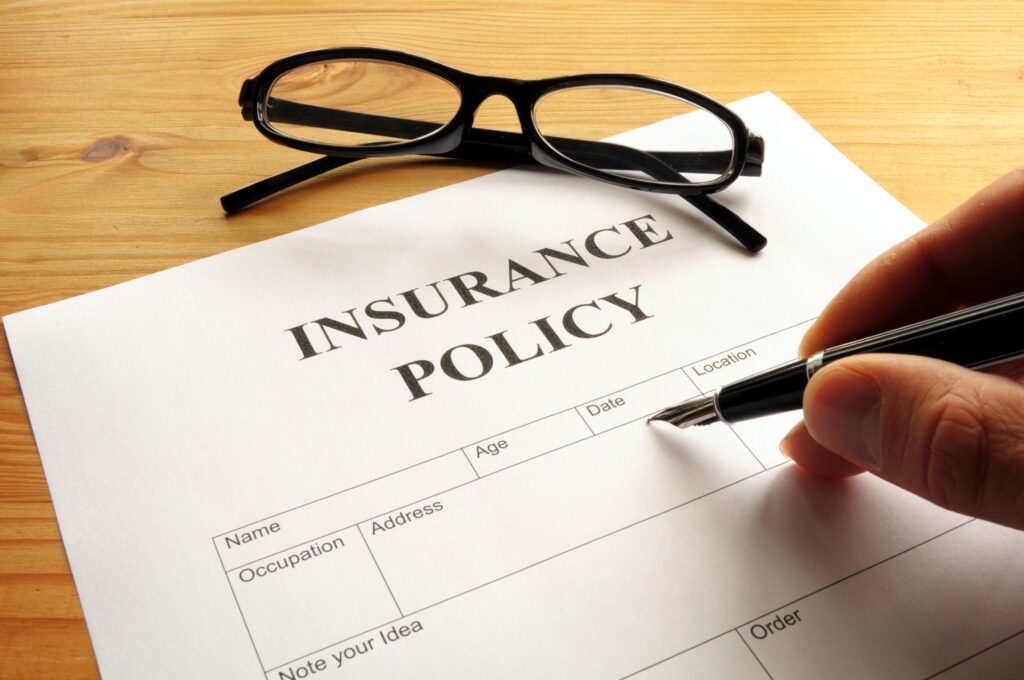
You might secure it as part of an insurance deal, without even realising. “Some small ‘package’ type policies would just include EL as standard,” said Gregg. “A package policy is where a series of covers are ‘packaged’ together rather than picking and choosing what is required.”
ELI is required by law if you have more than one director.
How do I get employers’ liability insurance?
Buy insurance as you would buy many other financial products – through insurers or through intermediary services such as brokers or trade associations. It may also come as part of an insurance package as Gregg mentioned. Whichever way you get it, do shop around and compare quotes.
“[Comparison sites] all have different filters so that you can get the right product for you. Depending on the size of your business, how many employees you have – all sorts depending on what you’re looking for and then you can [go] bespoke with the providers directly once you get your quote,” said Jamie Day, associate at Slater & Gordon. “It’s quite good at being able to disseminate what your business needs.”
Check the register on the FCA website just to be sure that your insurer is legitimate. By using an unauthorised insurer, you could be breaking the law. The Financial Conduct Authority keeps a register of authorised insurers, which is available on its website www.fca.org.uk/firms/financial-services-register.
How much on average does employers’ liability cost in the UK?
ELI costs in the region of £61-£600 a year per employee, depending on how risky the work they undertake is. Tasks involving height and heat mean larger insurance costs.
“Retail workers for example would attract a lower premium as the exposure to death, injury or illness is minimal, much like clerical workers. Those working in manufacturing processes with heavy machinery are at a higher risk of injury,” said Gregg. “The most expensive premiums tend to be those that work at height and/or where heat is involved. For example, roofers and scaffolders attract expensive premiums due to the dangerous work and potential injury should something go wrong.”
Location can also play a role here. Areas where more ELI claims are made are likely to attract higher premiums. Let’s not forget the size of your company too.
How can I reduce the amount I pay on premiums?
Start speaking to your broker early and have all of the relevant risk-based documentation to hand. Having good training protocols in place to reduce the risk of further accidents is key, as is an accident log with previous incidents for full transparency. The Health and Safety Executive’s (HSE) full risk assessment service can help you along here.
[embedded content]
All in all, premiums are affected by how safe you’re deemed to be. “Companies can reduce their premiums by demonstrating excellent attitudes towards risk management,” said Gregg. “By having full health and safety procedure
How to reduce employers’ liability insurance
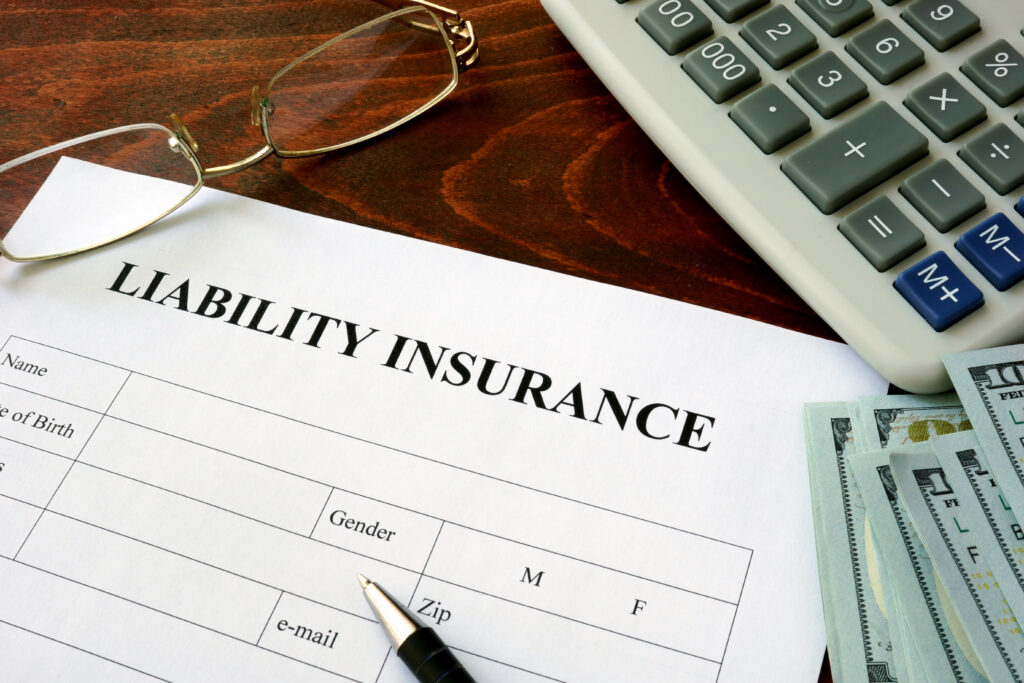
Is it a legal requirement to display employers’ liability insurance?
Yes, you’ll need to display it where employees can see it – say, in the staffroom, at the workplace’s entrance or in the kitchen area. If an inspector comes along and requests to see it, you’ll need to hand it over or you’ll be fined.
This can also be digitally. “There was an amendment to the regulations in 2008 that allows digital display, but again, the employer has a duty to explain to their employees where to access it and make sure they are able to access it to avoid that fine,” said Day. “You might even have it in your employee handbook, for example. When people start their new job and you say, ‘If you need these policies and procedures, you can see under page X on our intranet.’ You just need to make sure that staff have that information to make sure obligations are met.”
Do I need ELI for subcontractors?
Rules are especially murky for subcontractors and freelancers. The level of control you have is the defining factor.
Judith Rutherford, former director of the London Skills and Employment Board, said you will need ELI for someone who works for you, if:
- You deduct national insurance and income tax from the money you pay them
- You have the right to control where and when they work and how they do it
- You supply most of the materials and equipment
- You have a right to any profit your staff make and you will be responsible for any losses
- You require that person only to deliver the service and they cannot employ a substitute if they are unable to deliver it
- They are treated in the same way and work under the same conditions as your other staff
However, you will probably not need employers’ liability insurance for someone who works for you, if:
- They do not work exclusively for you, such as in the case of an independent self-employed contractor
- They supply most of the materials and equipment they need to do the job
- They are in business for personal benefit
- They can employ a substitute if they are unable to do the job themselves
- You do not deduct national insurance or income tax (but remember they may still be classed as an employee based on other indicators)
Employers’ liability insurance explained
You will need employers’ liability insurance for subcontractors that are ‘labour-only’ as you’ll be providing tools and uniform. A ‘bona fide’ subcontractor, on the other hand, is one who can work without direction, holds their own insurance and they’ll usually provide their own materials and tools.
“The issue comes from the fact that employment status is very rarely black and white,” said Gareth Matthews, partner at MLP Law. “Small businesses might use what they term ‘freelancers’, but they might be exerting more control over them than they think. By doing that, they’re increasing the likelihood that they’re not genuinely self-employed.”
He referenced removed cases around employment status, including Uber and Deliveroo. “With a lot of freelance arrangements, those people are coming into the office X number of days a week, using the company’s equipment and networks and are under direct control, like an employee would be. [In this situation] I’d have to work when I’m told I have to. If I want a holiday, I’d have to book it.
“With a freelancer, you shouldn’t really have that. But actually, you’ll find that lots of businesses will do that. What they’re doing is the blurring the lines.”
As mentioned, where individuals work can be important too – if they work remotely then you don’t need insurance if they’re using their own equipment. If you tell them to come and work on-site and use your equipment, then you do. Be careful about this. If they become unwell from ill-positioned equipment, for example, they could make a claim against you.
“If a freelancer had an accident, and they tried to claim under it, we look at that control test. If there’s enough control, they’ll probably be able to claim under that even if the business is set up with freelancers,” said Matthews. “Usually, you’d find that the court is likely to sympathise with the individual.”
If you are in any doubt, contact the Health and Safety Executive (HSE).
Do I need employers’ liability insurance as a sole trader?
If you work completely on your own, you won’t need employers’ liability insurance. If you do have one or more employees and you have significant control over what they do and where they’re based, then you’ll need ELI.
Do you need ELI for volunteers?
Yes. Treat them like you would employees in this case – of course, this also applies to interns, freelancers and people on work experience, even if they’re not paid.
You might be wondering if there’s any flexibility on ELI if you only hire seasonal workers and/or interns. “Yes, the EL could be added and removed as and when required on most policies. This would often incur an admin fee though so it’s sometimes more economical to leave it on,” said Gregg.
“The reality is that these premiums aren’t that expensive,” added Day. “If you’re a small business with a couple of employees, it can be under £50 for employers’ liability insurance.”
Which businesses are exempt?
Exemptions apply to businesses with no employees, businesses with overseas employees and businesses that employ close family members.
What might employees try and claim for?
We’re sure you could guess what kind of claims this insurance covers. Just for reference, here are some examples:
- Falls from a height
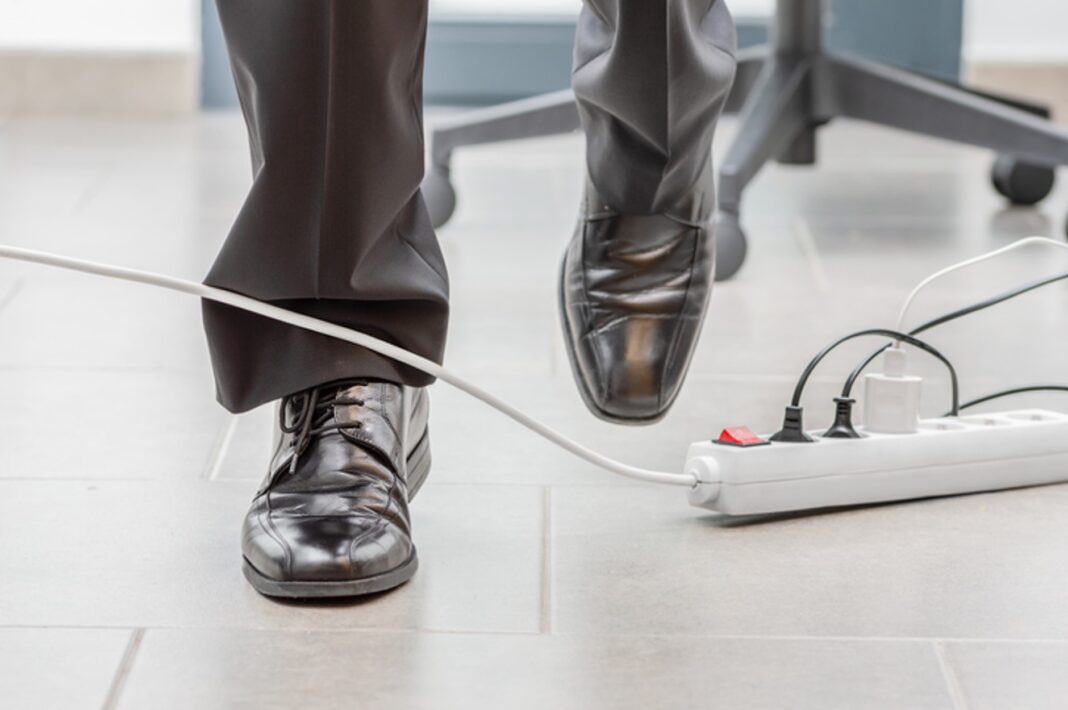
- Tripping over a wire
- Accidents due to a lack of training
- Injuries caused by other employees
- Repetitive strain injury
- Asbestos and other long-term industrial claims e.g. occupational asthma or noise-induced hearing loss
- Failure to provide adequate safety equipment
Day uses the example of a food business that accidentally causes a customer to go into anaphylactic shock with a dish it serves. “If your staff are involved in that process, they can be liable, which comes back on you as the employer.”
As mentioned, inadequate training can come back to bite you. “If employees hurt themselves and their health and safety training hasn’t been done, whether that be manual handling or basic health and safety and risk assessments of the premises in general. It’s quite wide reaching, really.”
Which employers’ liability insurance provider should I go with?
Check out these providers and what they have to offer.

Standard coverage: £10 million
Cost of insurance: Bespoke – contact Superscript
Features: Claims acknowledged within 24 hours, sometimes answered within 30 minutes
Trustpilot score: 4.4/5
What is employment practices liability insurance?
Employment practices liability insurance can protect you against litigation when an employee claims for some form of violation – this includes workplace harassment, discrimination and wrongful termination. It potentially covers the claimant’s costs and legal representation for employment investigations. The cost of back-paying wages will be from the dismissal date to judgment date if you’re ordered to reinstate the employee.
A note on workers compensation insurance
You might have come across workers compensation insurance, but it’s a type of insurance that’s available to workers in the USA. Say that an employee gets ill or injured and has to take time off work or are unable to return to work. If it happened during working hours, they may be due some compensation. They could claim for lost earnings and other expenses that the illness brought about, along with medical fees and legal costs.