
This post was originally published on this site.
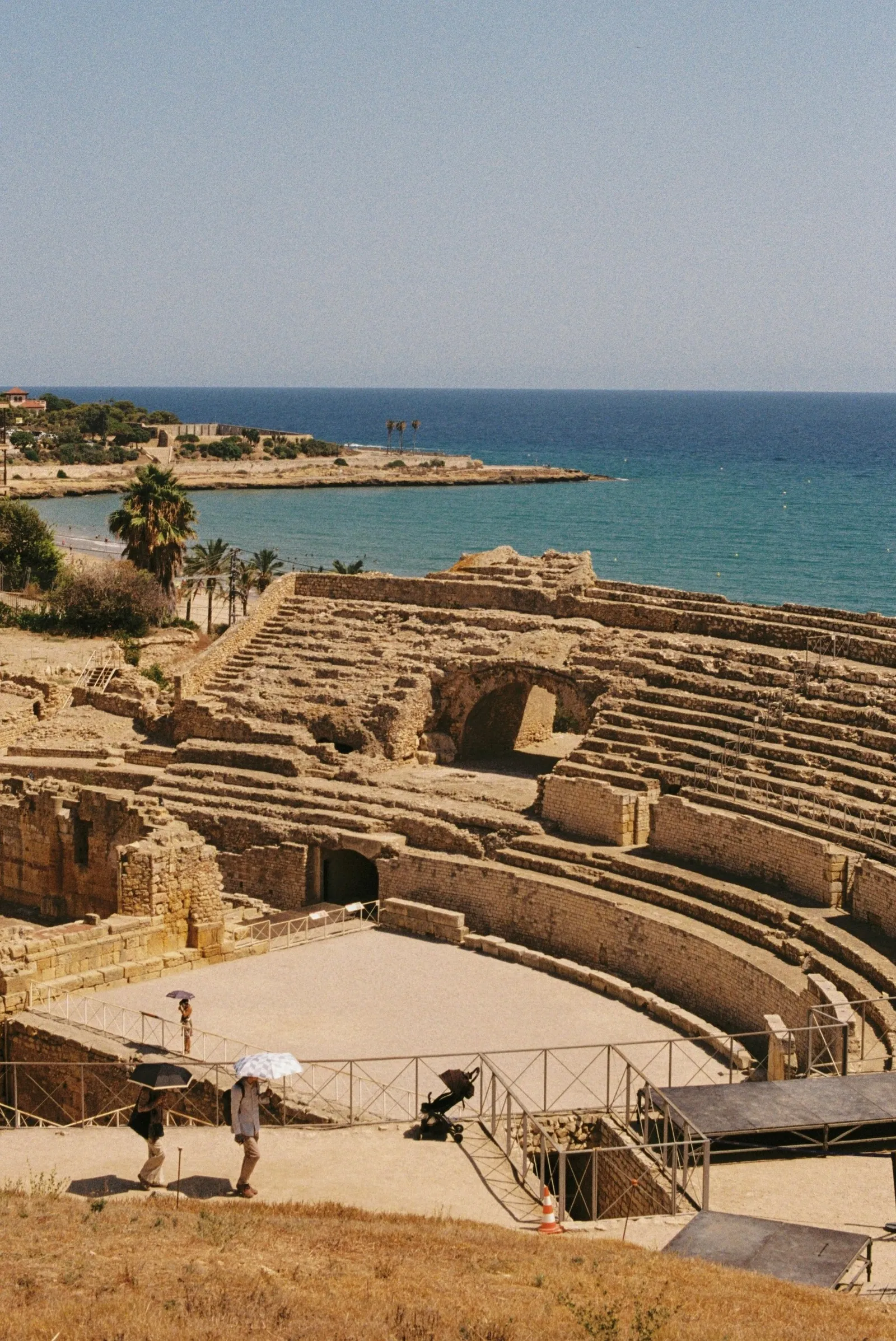
On August 12, 2026, northern Spain fell under the shadow of Europe’s first total solar eclipse since 1999. In Tarragona, an ancient Roman port city layered with two thousand years of history on the Mediterranean coast, thousands gathered along the waterfront to wait through a punishing late-summer heatwave for just over a minute of darkness.
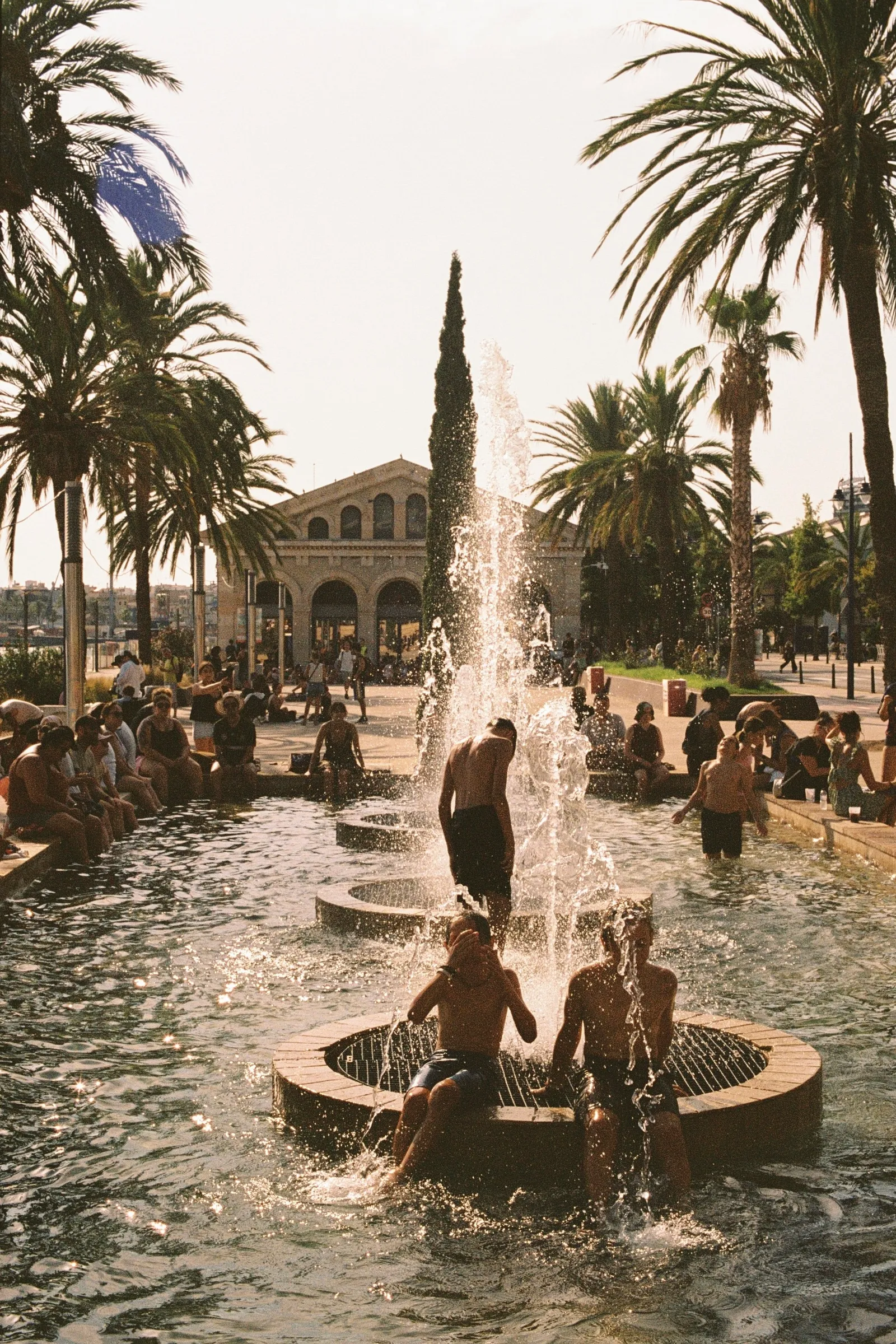
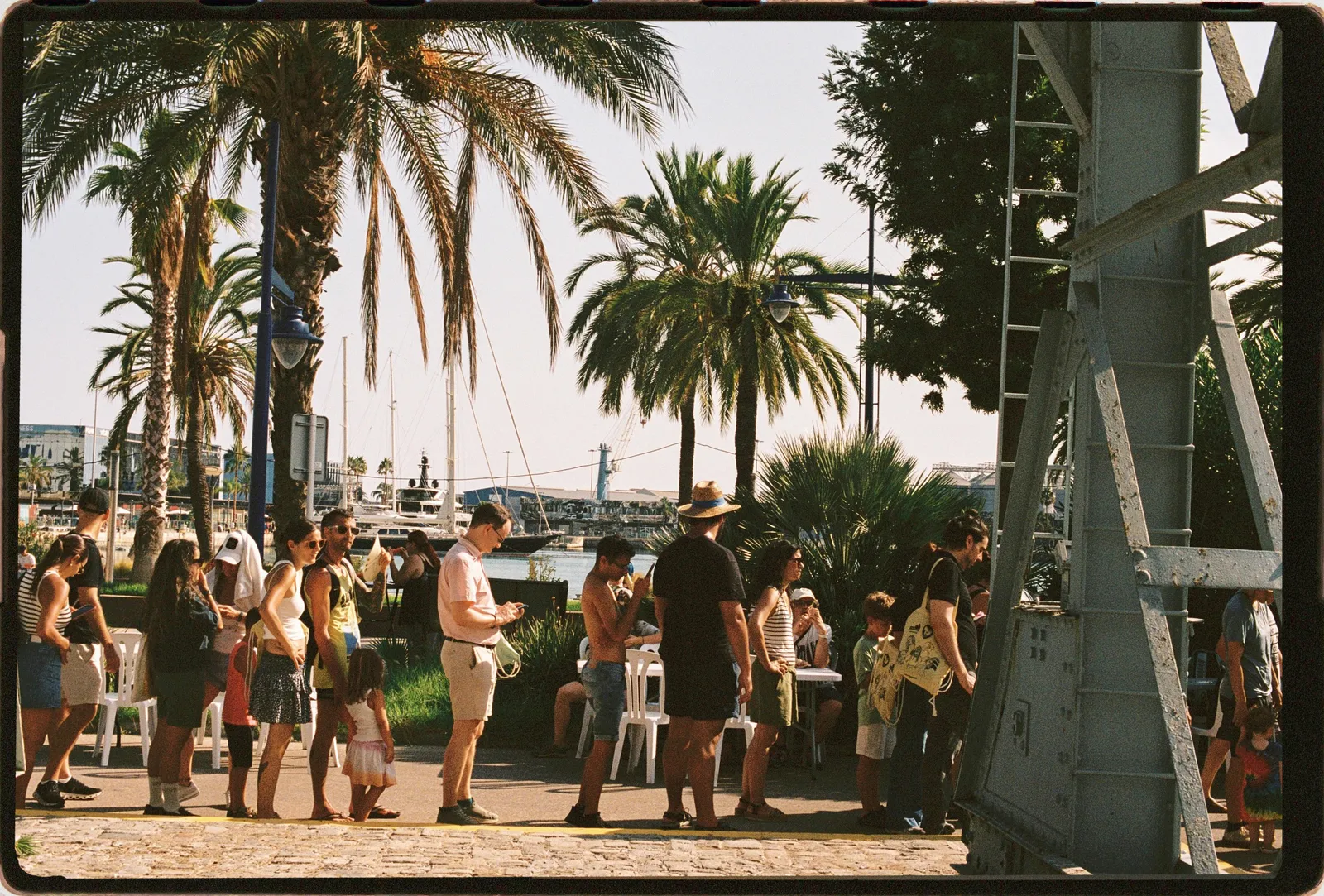
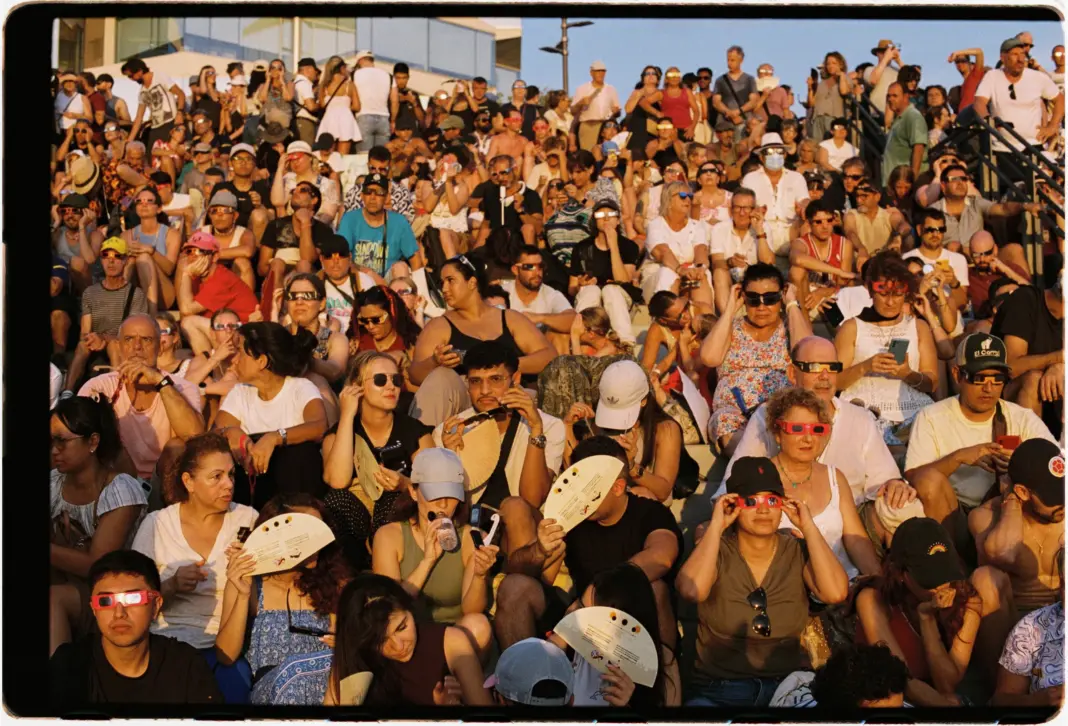
They came from across Europe and beyond. International tourists hailing from countries far and wide flew to Spain for the eclipse, while local residents hopped aboard packed and seemingly airless trains from Barcelona. On the pier, families and friends gathered beneath any shade they could find, playing games, lying in the sun, and finding creative ways to pass the long hours in the heat. When totality came, the energy broke open. The crowd erupted, some cheering and others brought to tears, a collective wave of emotion rolling over us as the sky went dark. For a moment, the world was still and silent, save for a flock of birds flying low over the water. When the moon obscured the sun at last, we knew the long hours spent baking in its light had been worth it.
After all, who needs shade when you’re standing in the moon’s shadow?