
This post was originally published on this site.
Hawaii braces for potential first direct hit by a hurricane in 34 years
To play this video you need to enable JavaScript in your browser.
This video can not be played
-
Published
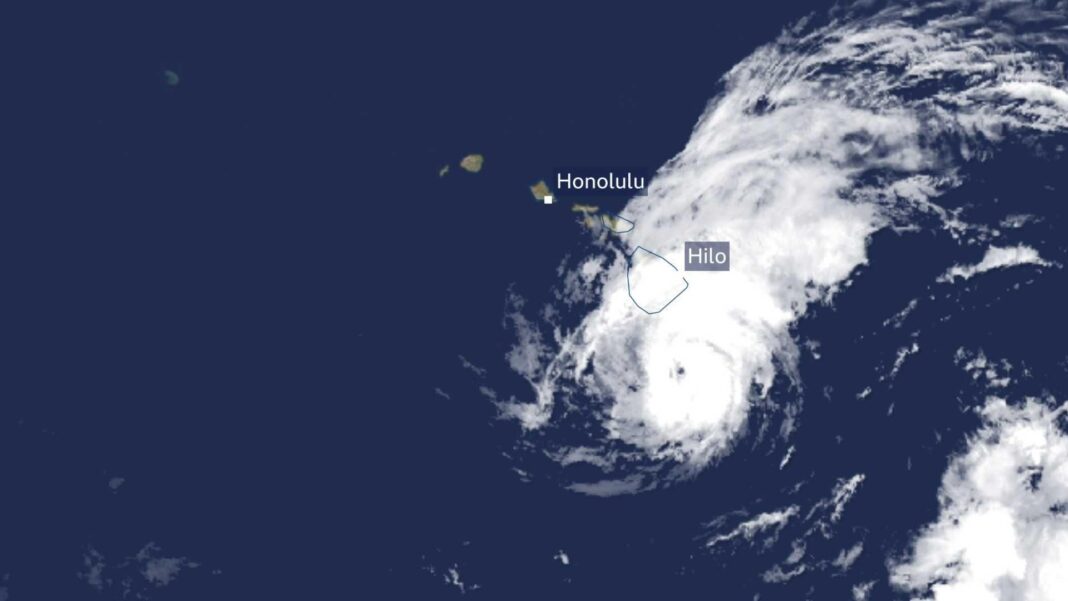
Hawaii is bracing for what could be its first direct hit from a hurricane since 1992, as category one storm Lala churns off its coast.
Packing 75mph (120km/h) winds, Lala gained hurricane strength on Saturday. In a worst-case scenario, it could dump up to 25in (63cm) of rain on Big Island and produce a 3ft storm surge.
A hurricane warning is in effect for Big Island, while Maui County, Oahu, Kauai and Niihau are under tropical storm warnings. Officials have told residents to prepare for “life-threatening” conditions, including floods and mudslides.
The storm is expected to either make landfall or pass close to the southern tip of Big Island on Saturday, before continuing west.
The last time a hurricane made landfall on Hawaii’s Big Island was 155 years ago, according to the Associated Press news agency.
Over the weekend, Lala will continue moving westwards, and may weaken into a tropical storm, with the centre passing just below Hawaii’s other islands.
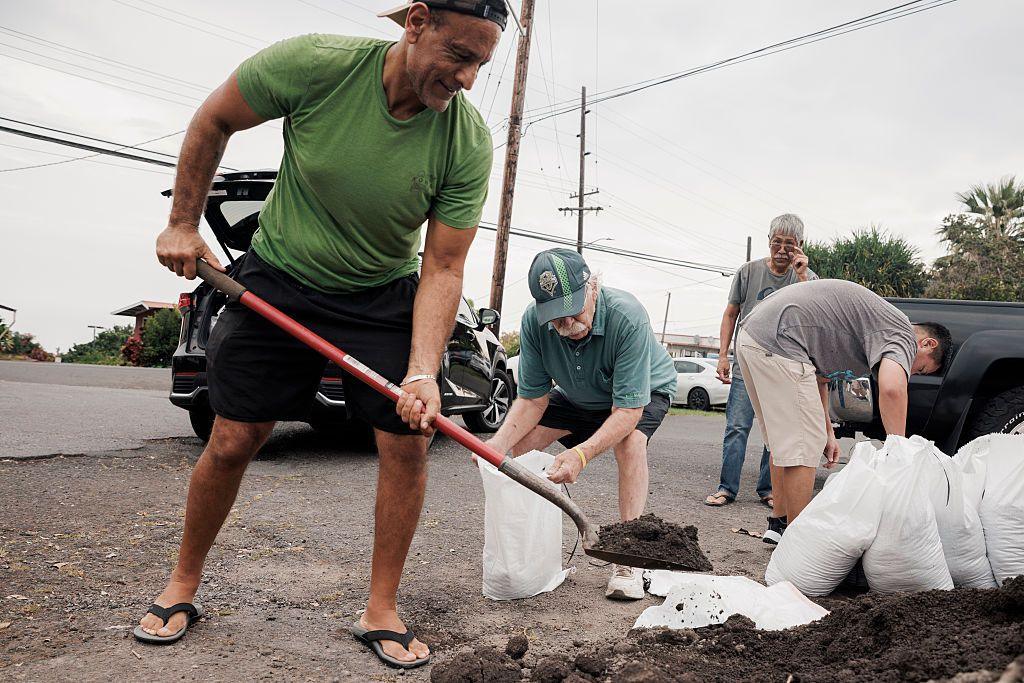 Image source, Getty Images
To play this video you need to enable JavaScript in your browser.
This video can not be played
Hawaii Governor Josh Green warned residents to brace for “an incredible amount of water”.
“Damaging winds, heavy rain, flash flooding and dangerous surf are possible across the state through the weekend,” he posted on X.
Dozens of flights have been cancelled.
At Ellison Onizuka Kona International – Big Island’s largest airport – 40% of flights were grounded, according to flightaware.com. Some 80% of flights were called off at its other main airport, Hilo International.
The more dire forecasts from the National Weather Service (NWS) have been issued for areas within Big Island’s south-east.
“Major rainfall flooding may prompt many evacuations and rescues,” the NWS said, adding that rivers and tributaries “may rapidly overflow their banks in multiple places”.
Nearly 37,000 customers had lost electricity on Hawaii as of Saturday afternoon, according to the website poweroutage.us.
Meteorologist Jennifer Myers, who lives in Hilo, eastern Big Island, said landslides had already cut off some roads, while power lines had been ripped down by falling trees.
“I’m looking at the river right now, and it’s really, really high,” she told the BBC about the view from her apartment of the Wailuku River as it meets Hilo Bay.
“The bay that’s usually blue is like blood red right now because of all the sediment and river water in it.”
Residents were repeatedly urged by officials to prepare for the storm early.
Local message boards on Facebook show residents filling bags with sand to protect their homes and inquiring whether stores remained open in the early hours on Saturday.
Hawaii County’s Civil Defense Agency said public shelters were available in every county on Big Island.
“At this time, you should have completed your storm-ready preparations and focusing on your Sheltering Plan,” the agency said on X.
Iniki, a powerful category four storm, was the last hurricane to strike Hawaii back in 1992.
It caused six deaths and $3bn in damage after making landfall on the southern coast of Kauai.
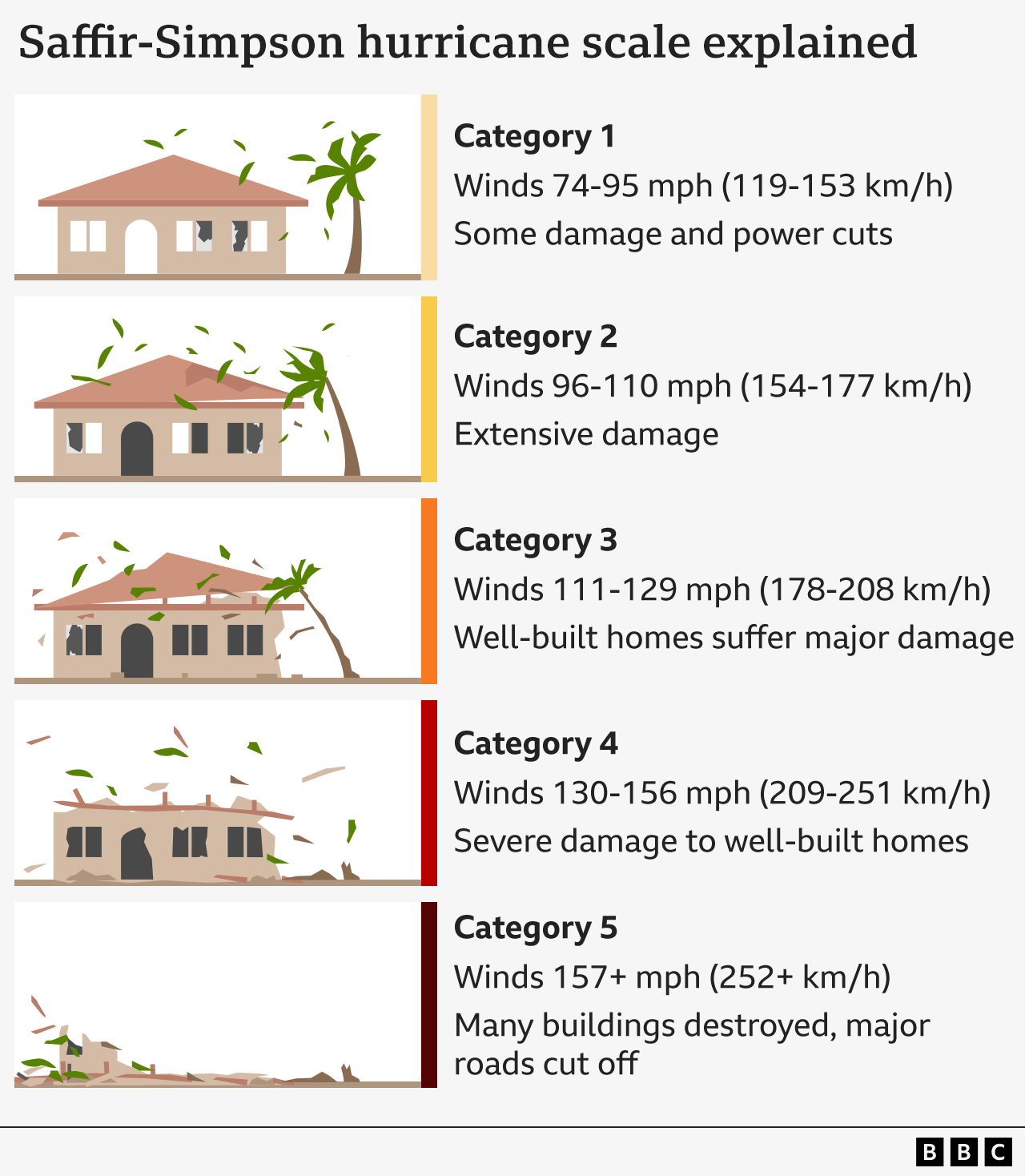
Hurricane season in the US has been relatively quiet the last few years – the last major storm was category three Hurricane Milton, which hit Florida in October 2024.
The National Oceanic and Atmospheric Administration has said that 2026 might be another low-frequency year for hurricanes in the US, predicting , externala 55% chance of a below-normal season.
Last month, the world’s oceans hit their hottest ever recorded temperatures for July, according to the EU’s climate monitoring service.
The record temperatures were partly fuelled by developing El Niño conditions in the Pacific.
It was also the joint second-warmest July globally on record, with temperatures 1.47C above the estimated pre-industrial average, according to the Copernicus Climate Change Service.
-
-
Published5 days ago
-