
This post was originally published on this site.
Unauthorised sites are growing but travellers say they are forced to break the law
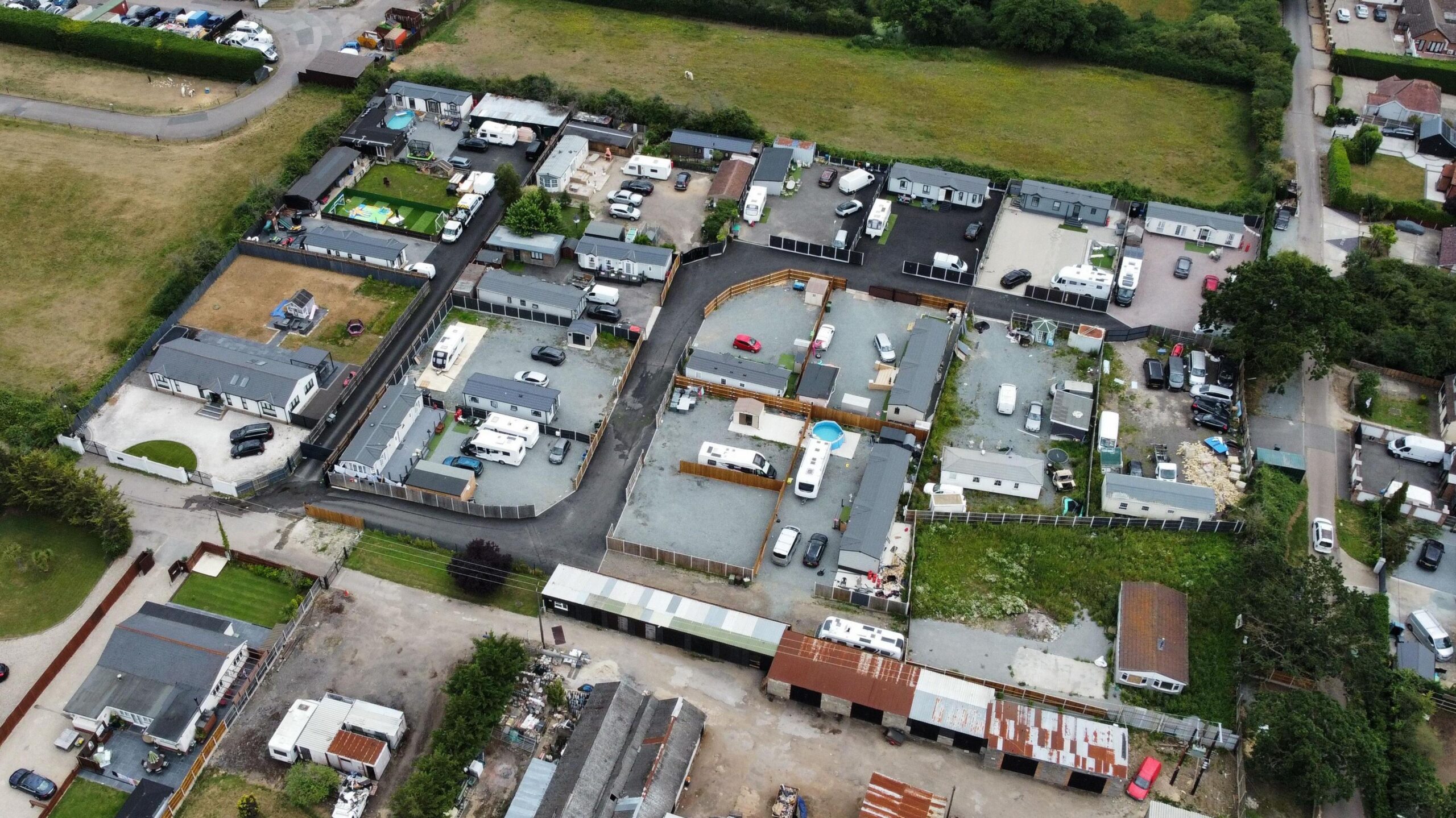 Image source, John Fairhall/BBC
-
Published
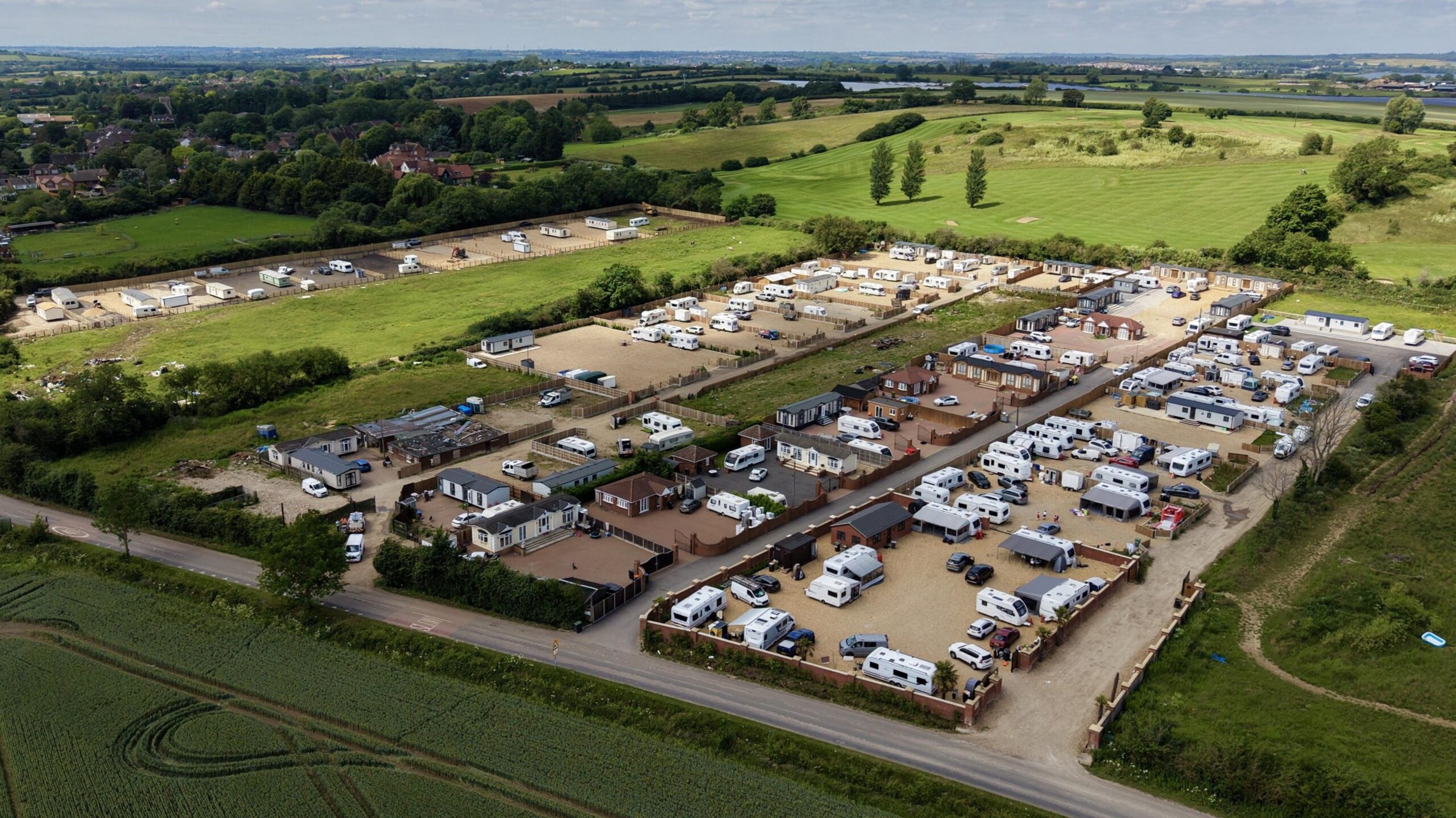
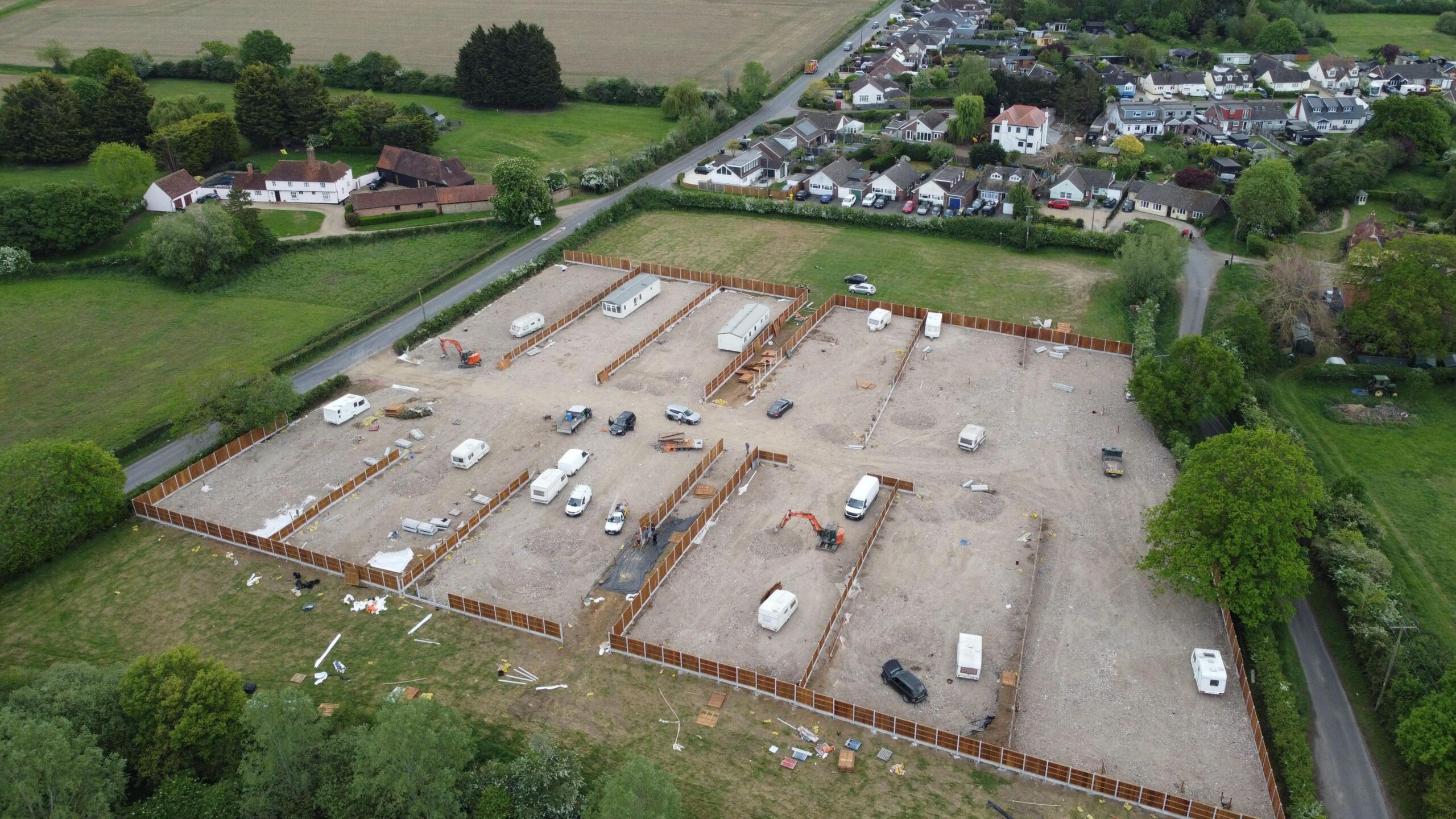
The number of unauthorised Gypsy and traveller sites is on the rise, with developments often carried out over Bank Holiday weekends.
Since April, sites in Hertfordshire, Essex, Cambridgeshire, Bedfordshire and elsewhere have been transformed, prompting legal battles and local dismay.
In January, the number of unauthorised traveller caravans – those without planning permission – across England stood at 4,950, a 73% increase on January 2020’s figure of 2,860.
The summer count also shows a rise, of 44% between July 2019 and July 2025, from 3,113 to 4,471.
A senior councillor in one affected area warns there has been a “loss of control” of the planning system, while villagers living near one site likened its rapid construction to a “military operation”.
The government says unauthorised development is “totally unacceptable” and that councils have “strong powers” to tackle it.
But Cliff Codona, who founded and chairs the National Travellers’ Action Group, says the planning system is like a “big dagger in their back” for travellers, leaving them no option but to “break the law”.
So what do travellers say is driving some to act unlawfully, and what do others think?
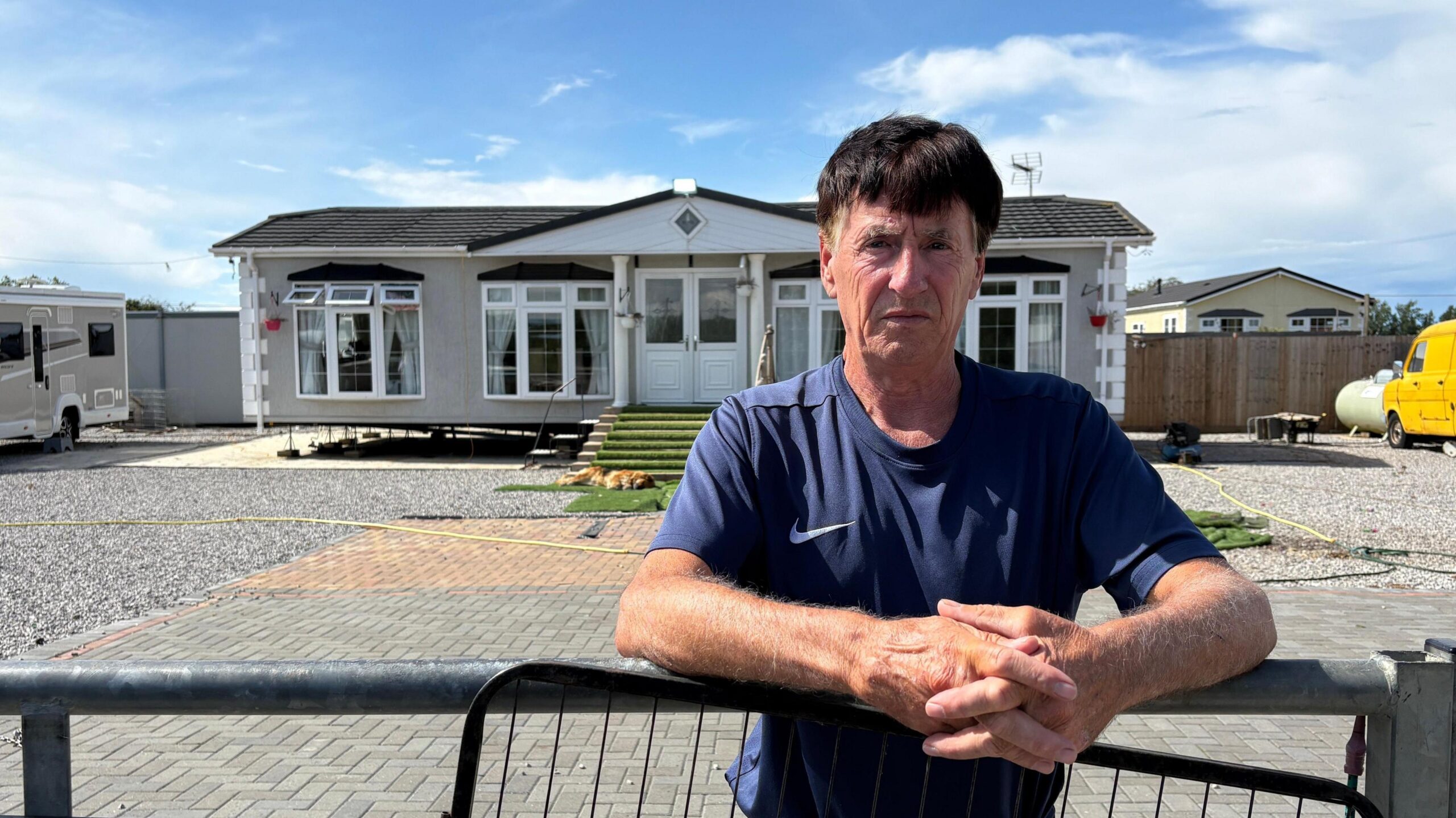 Image source, Ben Schofield/BBC
When Codona moved on to what has become his family’s caravan site, just outside Elm, near Wisbech, Cambridgeshire, in 2020, he did not have planning permission.
“We pulled down on a Friday evening when we knew the council was all closed up and we just took it for granted that this is how things get done,” he recalls.
“As soon as they know you’re a Gypsy,” he says, a planning application is “stopped – dead in its tracks”.
After starting work at their site, Codona and family made a “part-retrospective” planning application that was later approved by a planning committee, despite the parish council saying it was an “unsustainable location”.
He says they have worked hard to be good neighbours, but admits “to put a Gypsy site here is very naughty”.
Codona claims to have been evicted 50 times in his life, which he says was “horrific” and like going through “hell and back”.
“We’ve broke the law – I’ll admit to you here today I’ve done everything… to live on land and get permission to be there,” he says.
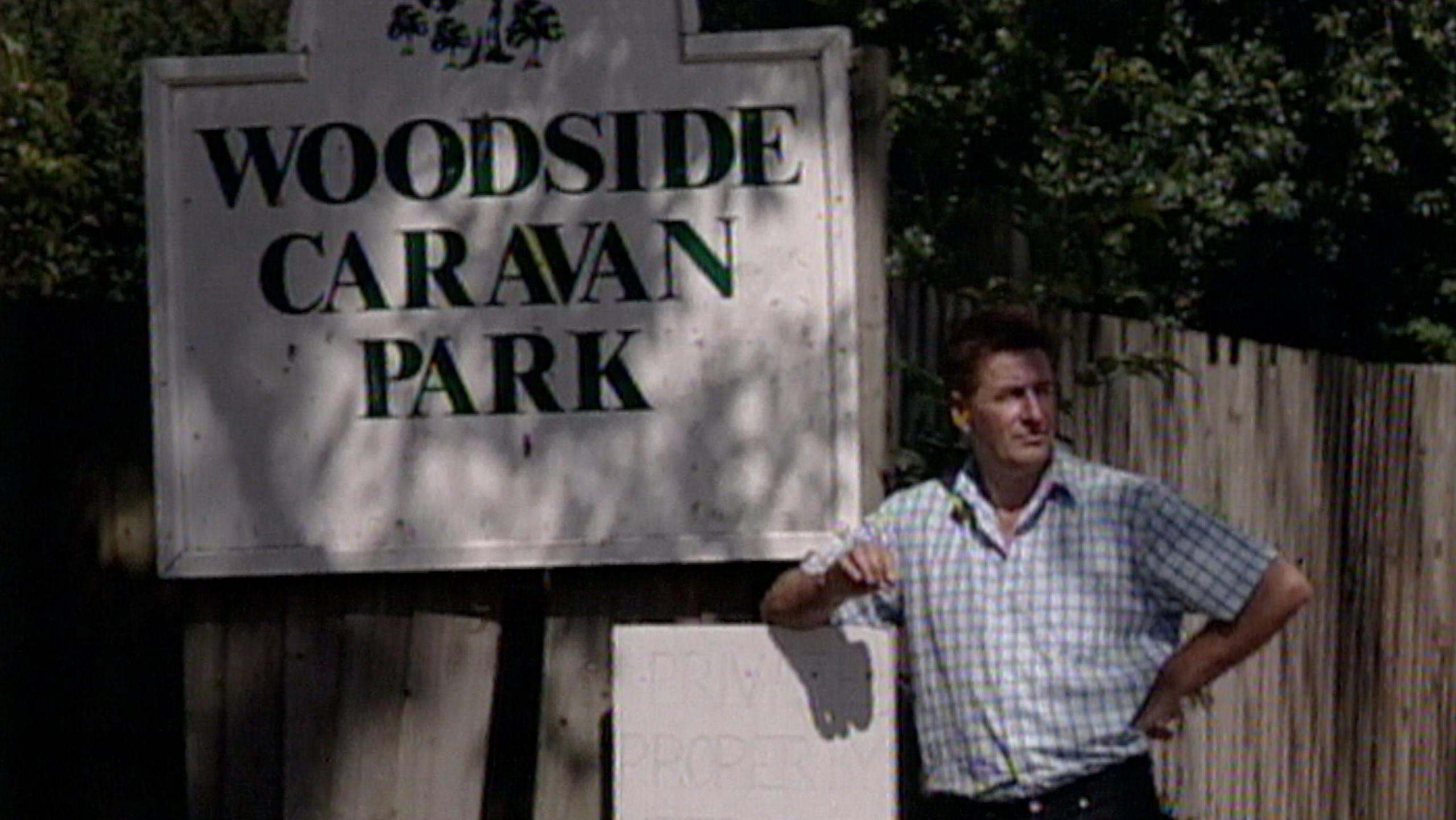
Codona, who has Gypsy and travelling showman heritage, recalls that travellers would acquire land in “covert” ways.
“We would have to put a raincoat on, sunglasses or whatever, slide ourselves into an auction [and] wait for the property to come up for sale.”
More recently, online auctions are “even better… fantastic” for travellers, he says.
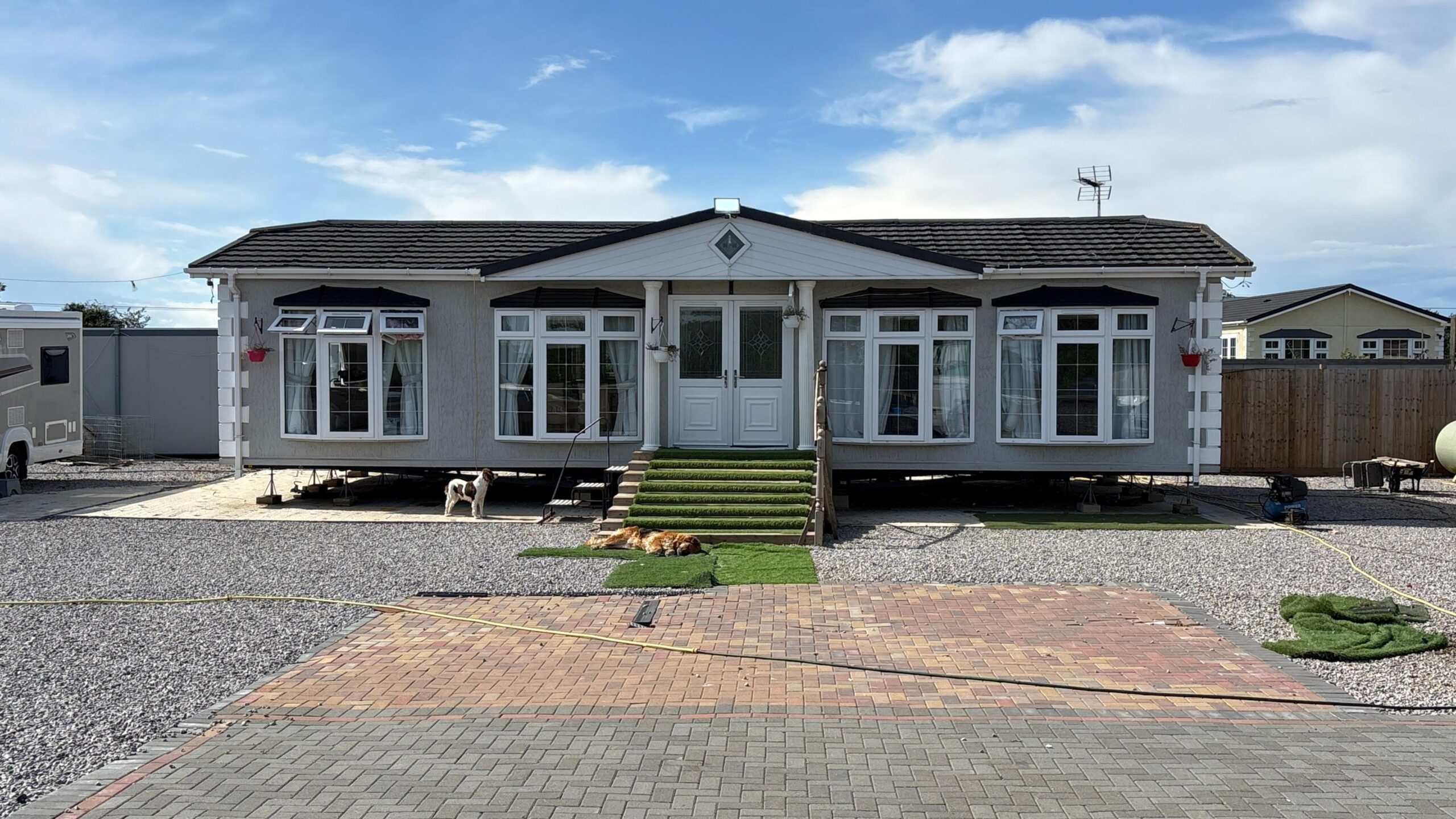 Image source, Ben Schofield/BBC
Codona, who has 14 grandchildren and a great-grandchild, says more caravans are the result of a growing Gypsy and traveller population .
In July 2019, councils across England counted 23,636 traveller caravans.
By July 2025, there were 28,659 – a 21% increase.
But the number of caravans without planning permission rose much faster.
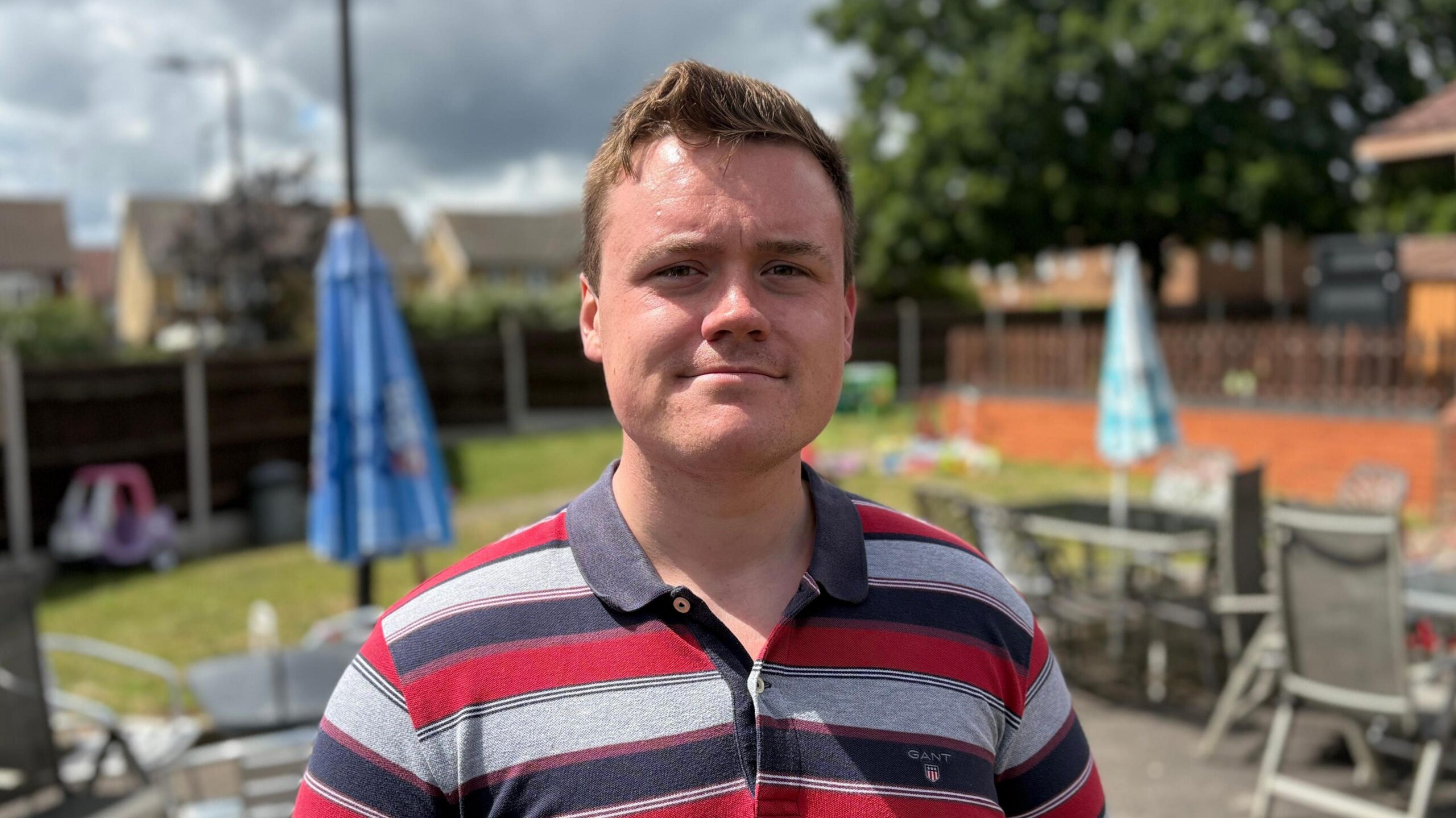 Image source, Ben Schofield/BBC
Last summer, officials in Basildon, Essex, counted more unauthorised caravans than anywhere else in England.
Between July 2019 and July 2025, the number of unauthorised caravans in Basildon rose 164%.
Its winter count showed a year-on-year fall between 2025 and 2026, but up 14% compared to January 2020.
George Jeffery, a Conservative member of the local council’s cabinet, fears a “lack of enforcement” means the authority has been seen as a “soft touch”.
The borough has had to deal with the issue before.
Eighty families were forcibly evicted from a site at Dale Farm in an operation that concluded almost 15 years ago.
Jeffery does not rule out needing to call on “police resources to keep the peace” once again.
“Basildon should be robust and tackle it head on and not be afraid to use the full extent of the powers available to it,” he says.
He does not want to highlight any particular community and says he is against all unauthorised building.
He has highlighted a site at the end of Newlands Road, Wickford, that has flouted planning laws for years.
It had permission for one static and one touring caravan but building work took place between around 2018 and 2022.
Basildon Borough Council issued planning enforcement notices but was challenged at a public inquiry.
A planning inspector ruled five caravans could stay across two plots, giving 16 months for the remaining caravans, hardstanding and part of a road to go.
That deadline passed in July 2025, but more than a dozen caravans and infrastructure remain.
On 3 August, the council granted permission for two more mobile homes on one other plot.
Land Registry records show the site has been divided up and sold to several owners.
One plot changed hands in June for a reported £100,000.
-
What does the law say about unauthorised encampments?
-
Published15 April
-
Some people living near Newlands Road said they were now struggling to sell their homes.
Neighbours have complained about fires and for months there was a constant hum from electrical generators.
Jeffery believes there is a “two-tier planning system”, with rules applied unfairly.
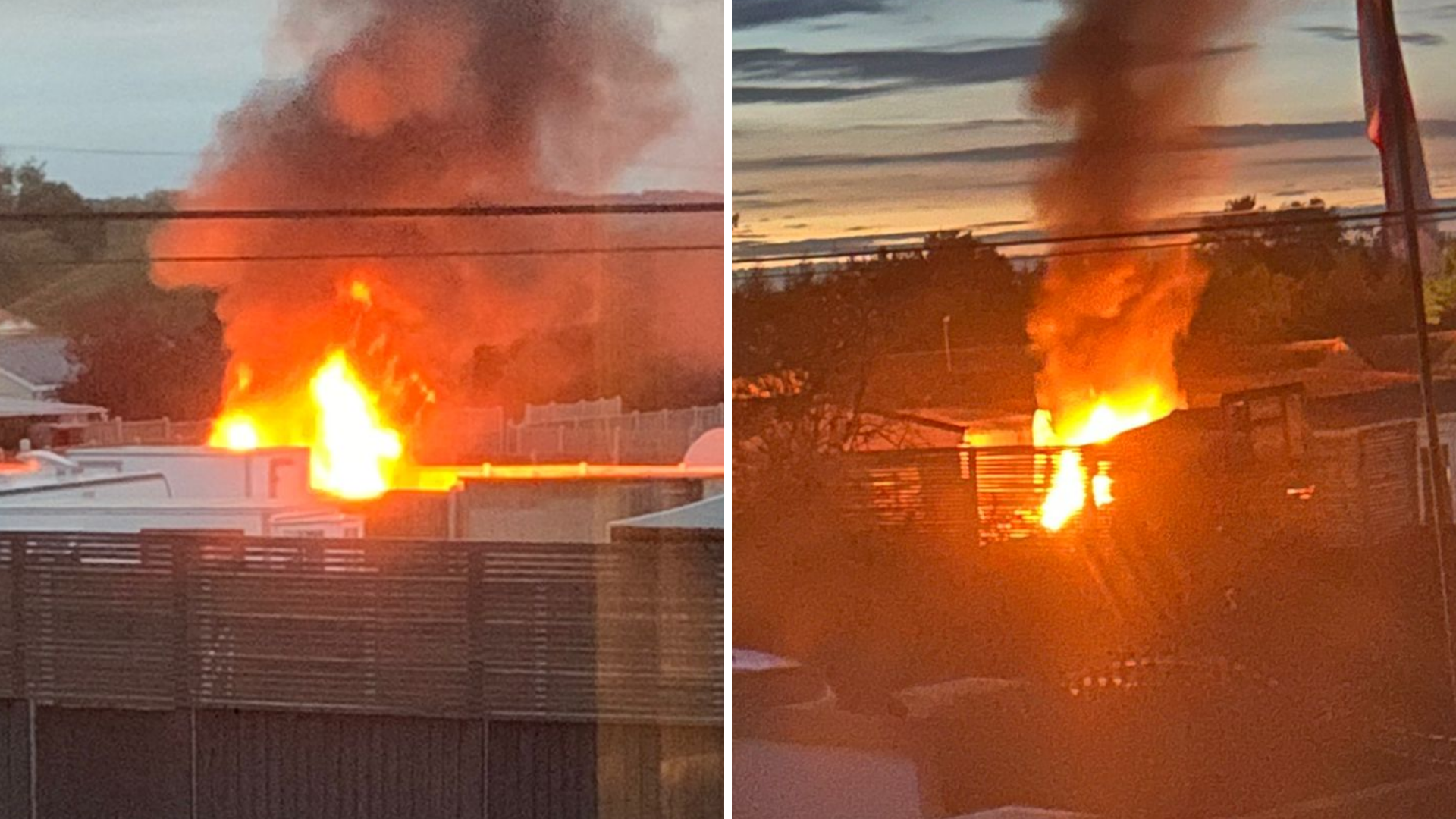 Image source, Supplied
In November, he proposed a council motion, which was amended before being passed, asking officials to draw up proposals for a “full range of enforcement routes” for the site.
The council is considering applying for a court injunction to force the owners and occupants to comply with the enforcement notices.
The BBC has made efforts to contact the owners and occupants but has received no response.
The council said it could not comment “as doing so could prejudice ongoing legal enforcement proceedings”.
 Image source, Rob Trigg/BBC
Matthew Green, a planning consultant who represented one of the site’s residents at the 2023 planning inquiry, says councils could “get an injunction and get the people removed” if enforcement notices were not complied with.
“But,” he asks, “if they go somewhere, where do they go?
“The answer is fairly straightforward: the council have to ensure – as is their duty – that there are enough pitches with planning permission in their area to meet the needs of people residing in their area.”
In a report from February, council officials said there was a “shortfall” in the supply of “suitable and deliverable Gypsy and traveller sites” in Basildon.
The borough has not updated its local plan, which guides new development, since 1999, prompting intervention, external from the housing minister last month.
In 2024, analysts concluded, external that by 2042 Basildon would need enough pitches to house 302 Gypsy and traveller households.
Between April 2023 and February 2026, permission was granted for 31 new Gypsy and traveller pitches.
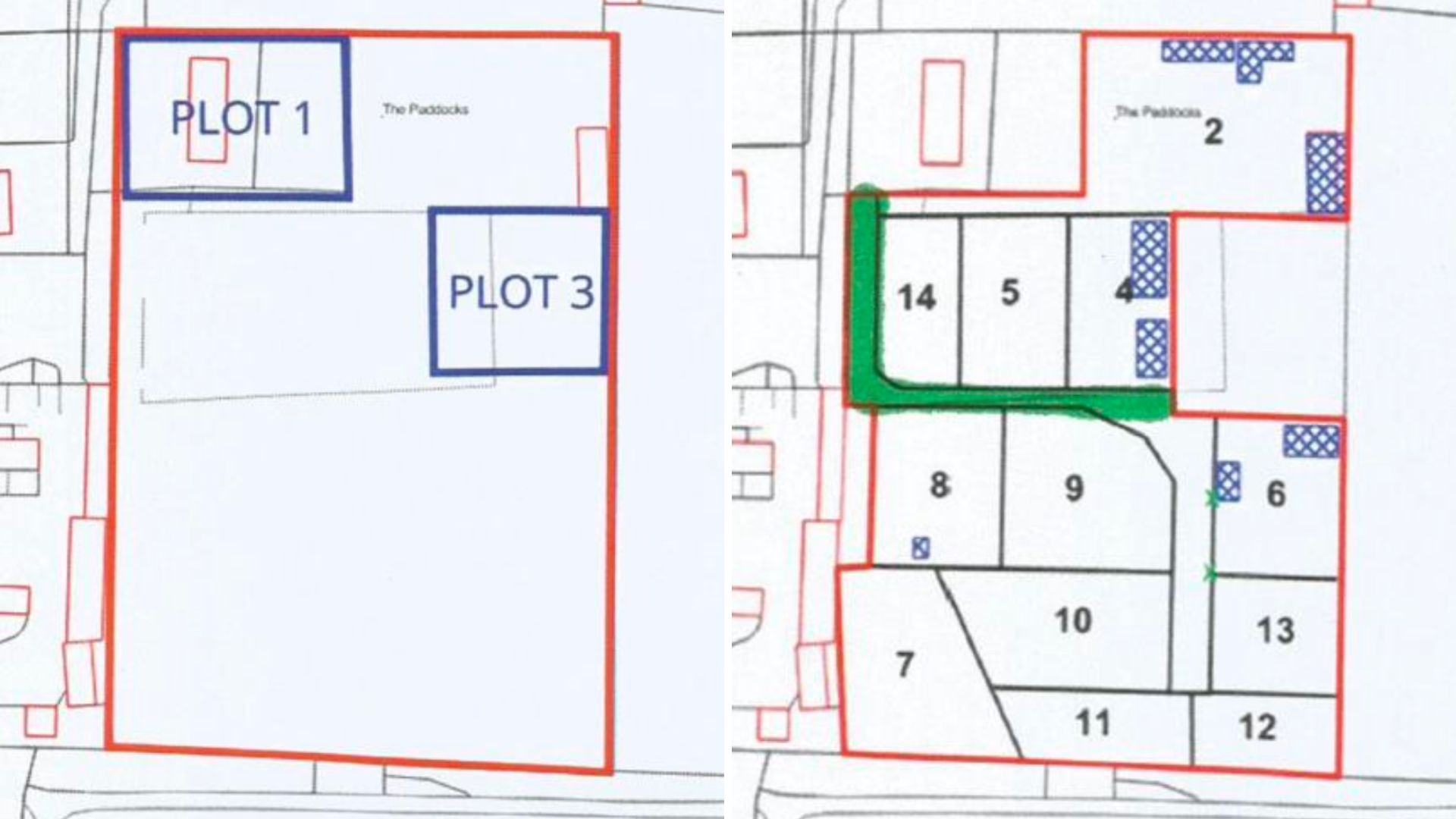 Image source, The Planning Inspectorate
But Green advises it is “foolish” to develop land without permission because it “reduces… chances” of getting work eventually approved.
The government is looking at strengthening national planning policy on “intentional unauthorised development”, particularly for retrospective planning applications.
A spokesperson for the Ministry of Housing, Communities and Local Government said it was “important that all Gypsy and traveller communities have access to safe, suitable sites – and councils must ensure they meet the needs of the community in their area”.
“We’re also clear that unauthorised developments are completely unacceptable, and we’ve given councils like Basildon strong powers to tackle these including working closely with the police and taking court action.”
For Codona, who is now living a quieter life, surrounded by his family, there is “no incentive in the planning system” for enough sites to be approved.
But he adds: “We don’t want to tell lies; we don’t want to break the laws.
“We don’t want to move on to bits of land and have hell to pay till we can get to live there.”
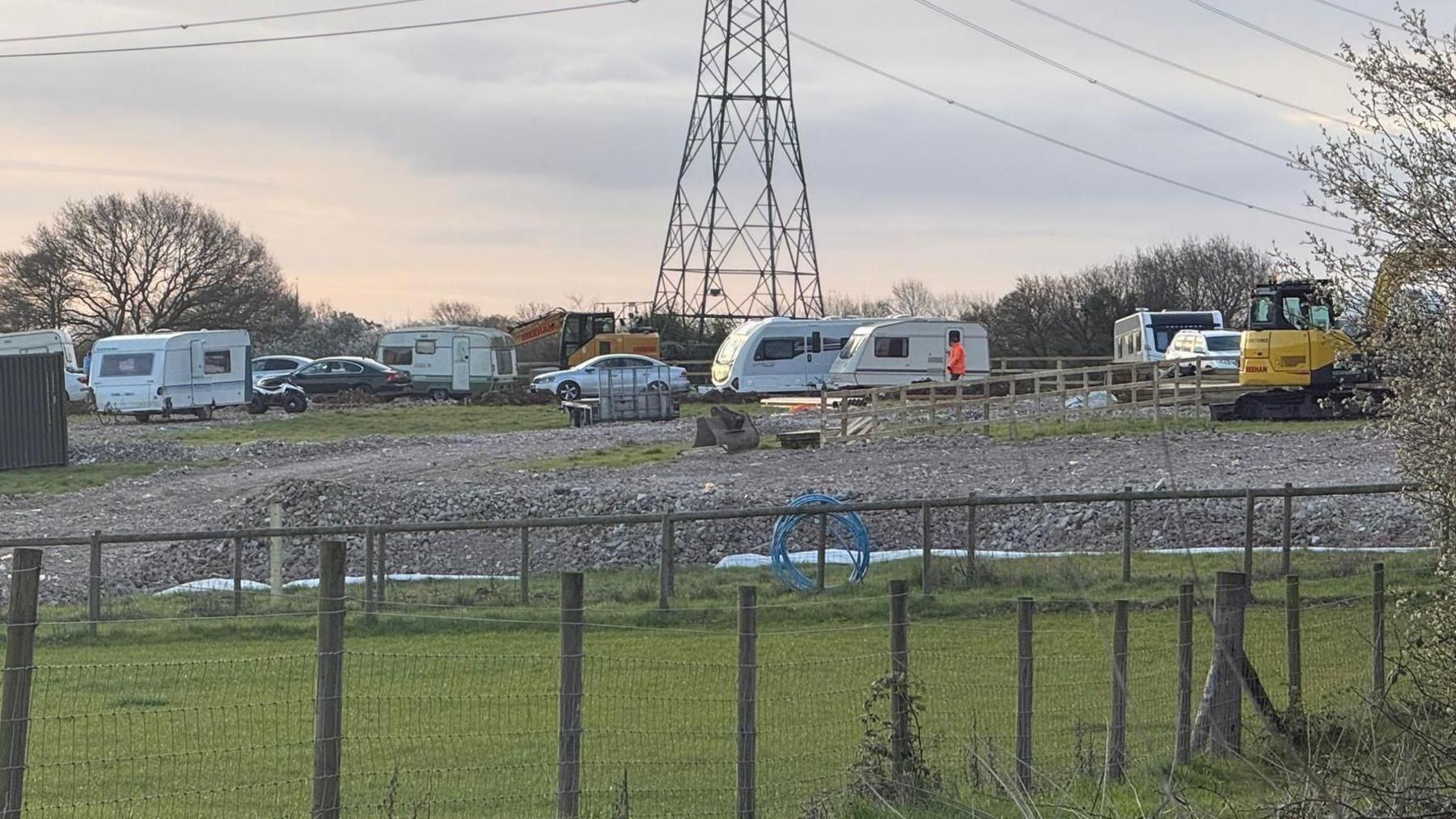 Image source, Supplied
Do you have a story suggestion? Contact us below.
Get in touch
Your Voice
Follow East of England news on X, external, Instagram, external and Facebook: BBC Beds, Herts & Bucks, external, BBC Cambridgeshire, external, BBC Essex, external, BBC Norfolk, external, BBC Northamptonshire, external or BBC Suffolk, external.
More related stories
-
-
Published24 July
-
-
-
Published17 June
-
-
-
Published9 May
-