
This post was originally published on this site.
Niigata prefecture has long been known as Japan’s snow country. When I returned to this sweep of Honshu’s northwestern coast last January, only four months after a visit in September, I scarcely recognized the place. Late summer’s lush green rice paddies, chirping tree frogs, and firecracker-like lilies were buried deep under a mass of white powder. So too were the buildings, including my hotel, which poked through the seven-foot-high snowbanks, looking like an ancient shipwreck covered in shifting sand. The snow was accumulating so fast that my taxi driver pulled over to do some spot-shoveling before rounding a hairpin turn. While these extremes may be disorienting to some, it’s precisely this radical contrast of seasons that’s given birth to one of Niigata’s most enduring traditions: fermentation.
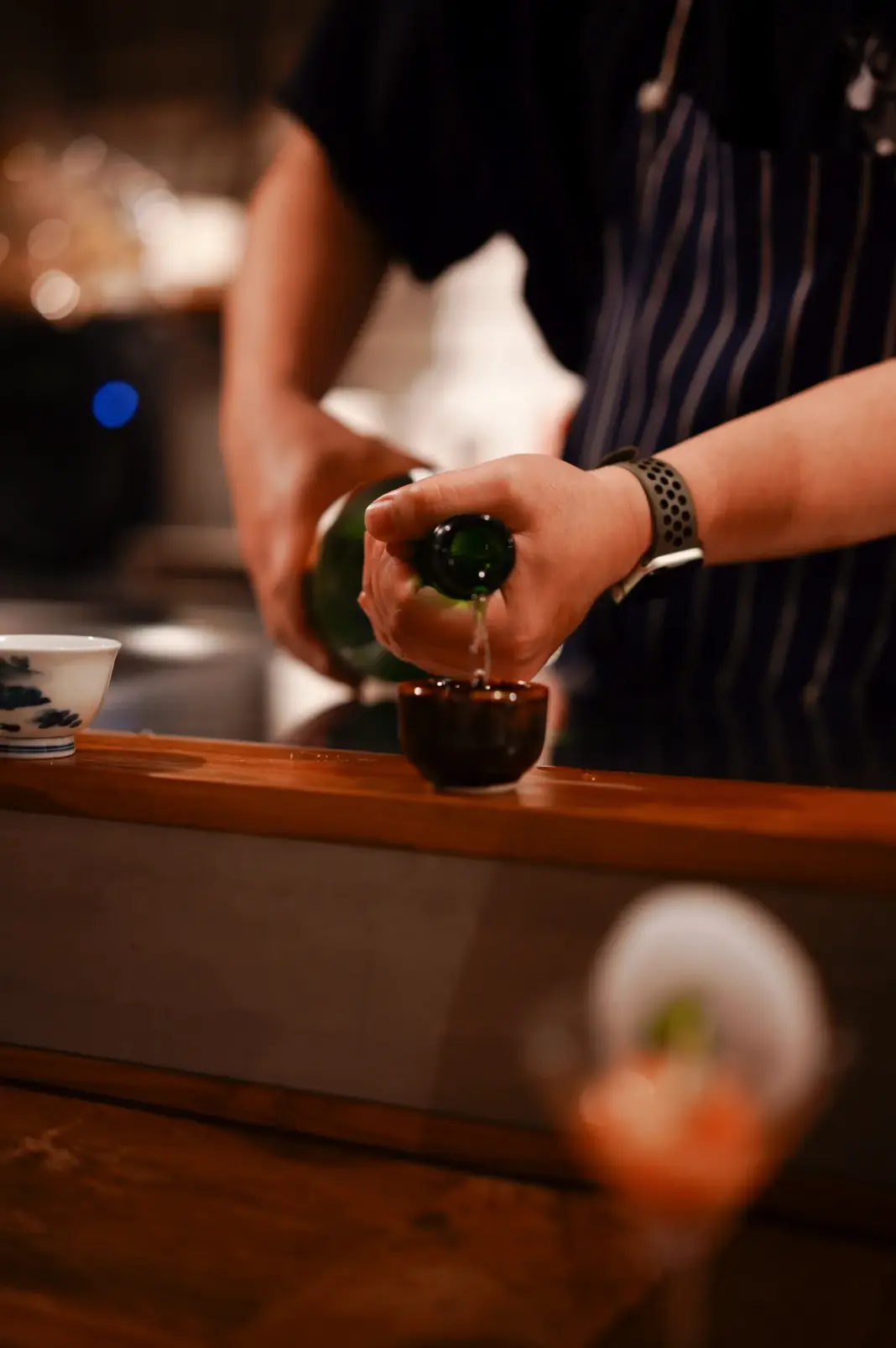
The most renowned of Niigata’s fermented foods is its sake, made with the region’s prized rice, which is nourished by mineral-rich meltwater from the surrounding mountains. After being inoculated with koji, a culinary mold, and going through the brewing process, it’s aged in snow-cooled warehouses called yukimuro; it’s a centuries-old technique that allows sake to ferment at a “low and slow” 37 degrees Fahrenheit. But few outside the prefecture know about Niigata’s bounty of other fermented foods, like kanzuri, a fiery paste made with koji, yuzu, and summer-grown chilies that are snow-bleached every winter; or sakasuke, a tart, velvety mash of sake lees (the residual rice solids left after the pressing process).
While these specialties are found across Niigata, the industrial river port city of Nagaoka (nicknamed Fermentation Town) has the ideal climate for culturing. The heavy snows purify the air and insulate the food warehouses, locking in the high humidity and stable chill necessary to nurture delicate winter koji and yeast strains without catastrophic temperature spikes. Nagaoka even has a walkable one-mile-long fermentation trail called Hakko Trip, which has six stops and takes about two hours to graze your way along. On my recent trip I followed the trail through the heart of the historic Settaya district, where I caught wafts of roasting soybeans, sake fumes, honeyed miso, and malty koji perfuming the coastal air.
My first stop was Willow House, a café and bakery where washi lanterns cast gentle light onto the natural-wood interiors and jazz seeps from the speakers. It’s part of the Suzu Group, a coterie of restaurants, izakayas, and guesthouses that have put a modern spin on Niigata’s ancient culinary craft. The bakery churns out a rotation of sourdough breads, caramelized apple rolls, and gratin toast with dashi-infused béchamel, while the café has a snack menu featuring miso pickled potato salad, fermented summer tomato salsa, and snow-aged ham.