
This post was originally published on this site.
Allan Little: I met dangerously fanatical Mladić early in Bosnian war
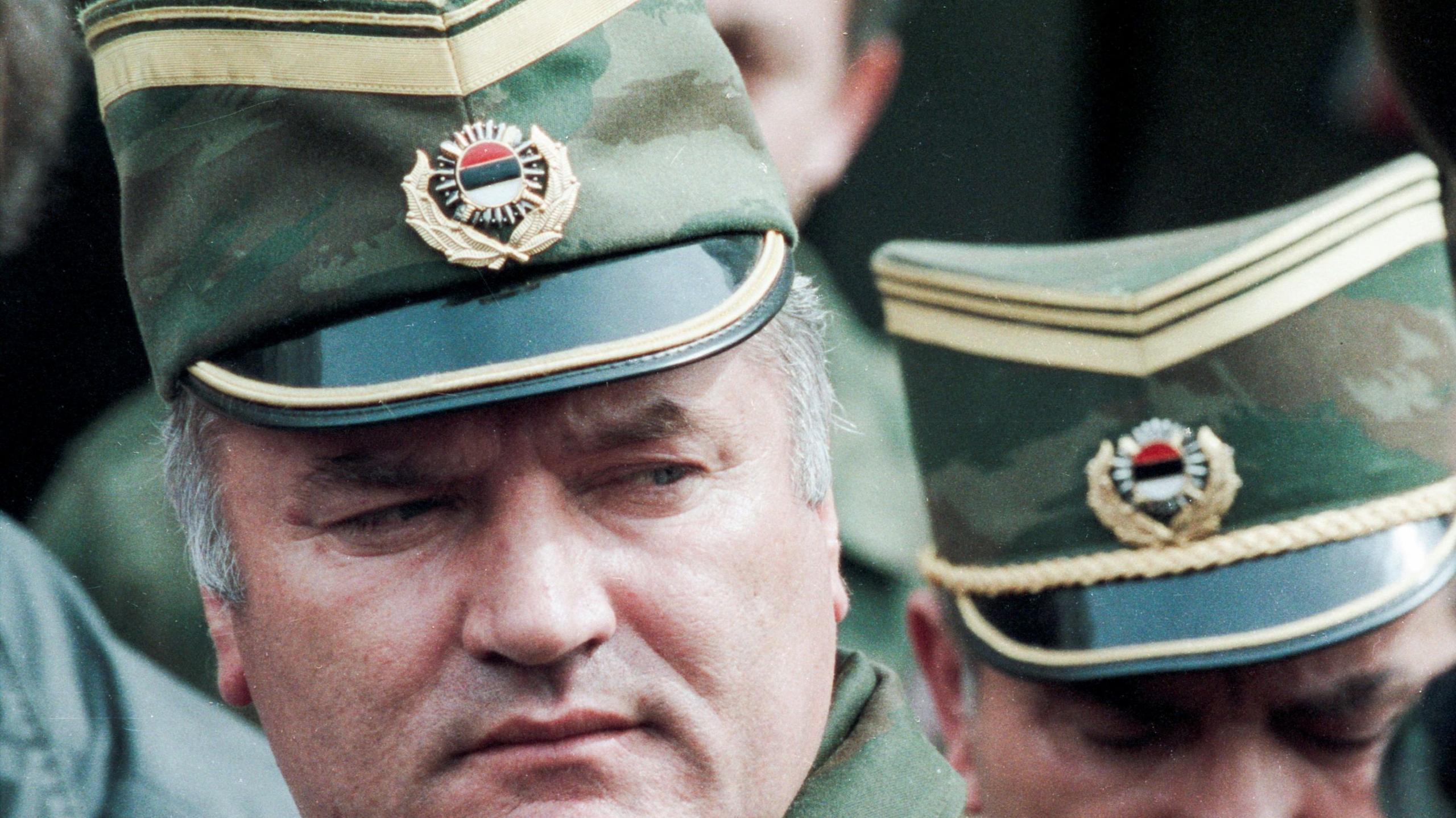 Image source, Reuters
-
Published
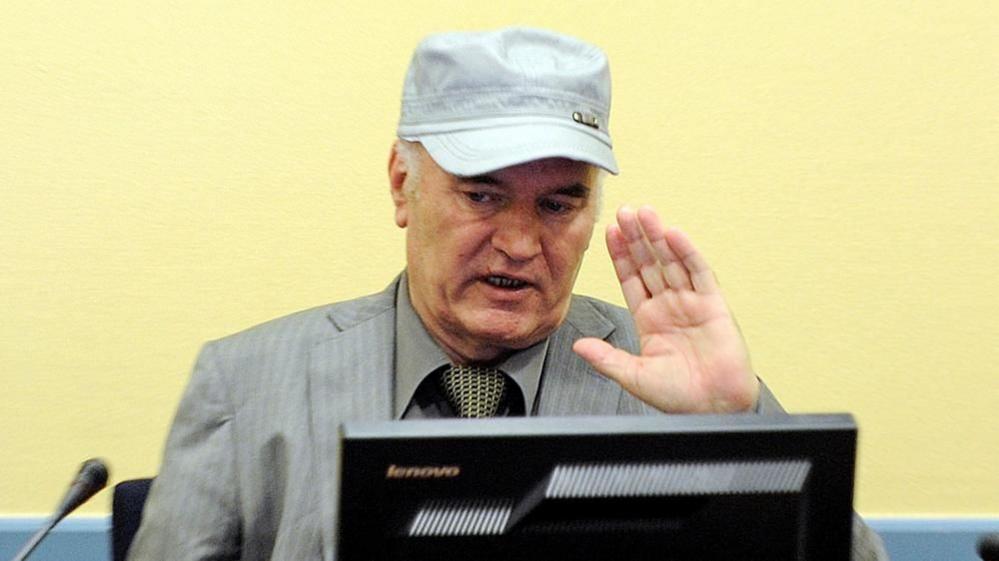
Bosnian Serb commander Ratko Mladić, dubbed the “Butcher of Bosnia” for his actions during the Balkan wars of the 1990s, has died in prison.
BBC special correspondent Allan Little was there throughout the breakup of the former Yugoslavia, and met Mladić in the early months of the Bosnian war.
At night, you could watch the fires of ethnic cleansing across the landscape. The flames provided the only light under the night sky and the black valley would glimmer with flecks of orange.
You could watch the men of our village move about silently in the shadows of their homes, each armed with some ancient weapon salvaged from wars long ago and, like the fears and the suspicions and the distrusts, handed down through the generations.
One morning I watched a procession of men and women emerge from a forest. They had been driven from their homes two days earlier and had fled with what they could carry.
Most were on foot. Some were crammed into the back of ancient farm vehicles drawn by donkeys. There were perhaps 40,000 of them. Their home town had fallen to a Serb advance that had come without warning.
Among them, one man seemed close to collapse. He stopped to speak to us.
The whole town had fled, he said. He had become separated from his wife in the long trek to safety and was now worried that she had not made it. His pale, almost translucently white skin was stretched across the bones of his face like parchment. His forehead was livid blue from a fall.
I asked him how old he was. He said he was 80. “May I ask” I said, “are you a Croat or a Muslim?”
The memory of it shames me even now as I hear, in my mind, his answer echo down the years.
“I am,” he said, “a musician”.
Our convenient ethnic shorthand reduced them to Serbs, Croats and Muslims. But they were also musicians and scientists and doctors and plumbers and farmers and mothers and fathers and brothers and sisters and very often children.
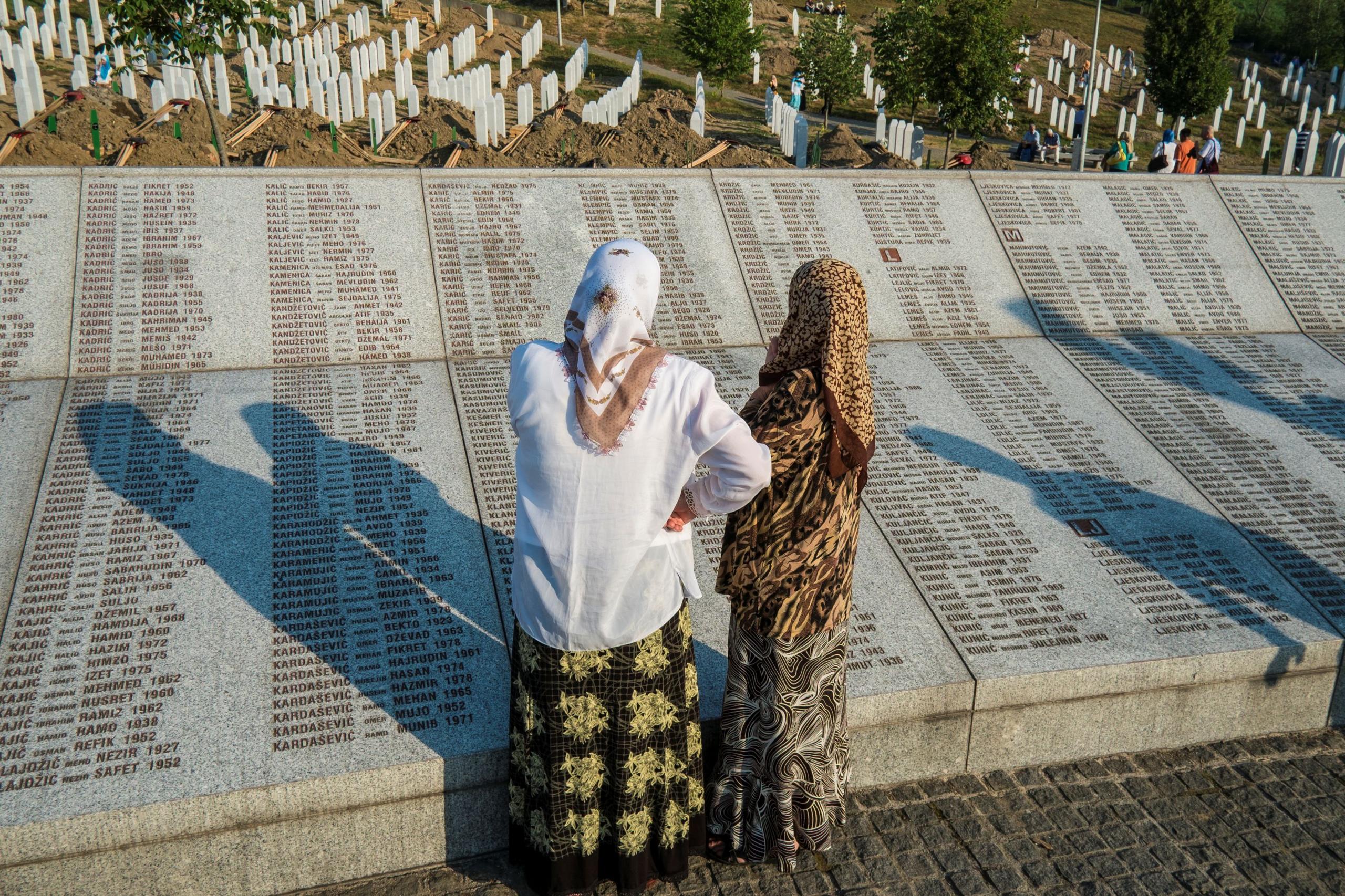 Image source, Getty Images
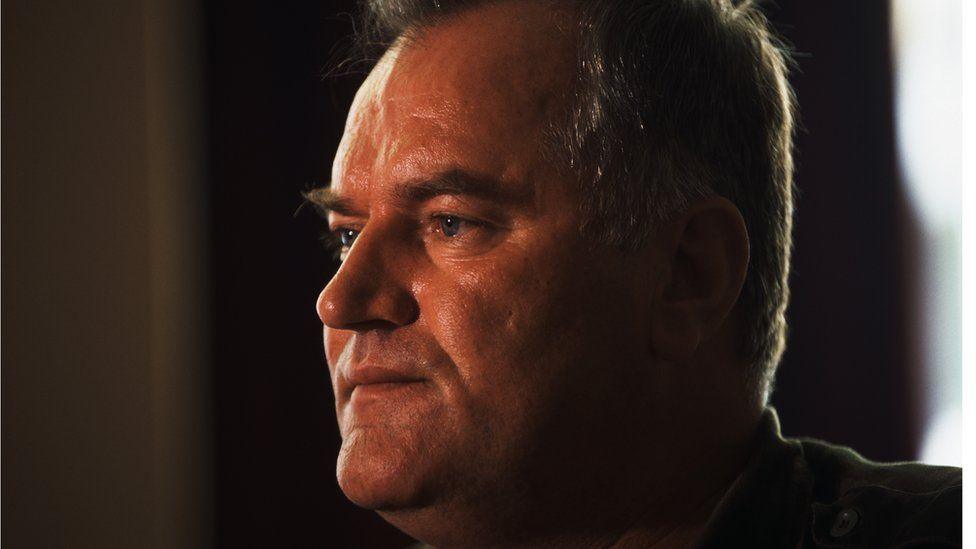
I met Mladić in that first hot summer of the war in Bosnia. We were at Lukavica barracks on the southern edge of Sarajevo. The barracks was awash with weapons and the menacing strut of the paramilitaries.
You could buy a Kalashnikov for 200 dollars, a hand grenade for just one dollar – the same price, I would soon learn, as the cost of a fresh egg in the besieged city.
I shook his hand and he held it fast and pulled me in close. He told me he had just come back from the Sarajevo city centre front line and I saw that he was pumped up by the exhilarating proximity of the fighting.
He held my hand for many minutes, fixed me with his eye and told me he was the great defender of brotherhood and unity in former Yugoslavia, and that he dreamed of a world in which there would no guns and no war. He struck me then as fanatical, dangerously so.
In the years that lay ahead, forces under his command committed the worst war crimes on European soil since the Nazis. They bequeathed to the lexicon of war a grim new euphemism – ethnic cleansing. They committed mass murder, extermination, mass rape, forced expulsions. They burned village after village, all in the name of creating an ethnically put Serbian territory in Croatia and Serbia. Ultimately, at Srebrenica, they committed genocide.
Two days after I had met the old musician on that damp muddy roadside, I found myself drawn into the passions of the war in a personal and – at the time – devastating way.
My cameraman, Tihomir Tunukovic, a man I had known and worked alongside during the previous 18 months, was killed by a Serb gunner on a ridge above the road he was driving on. We had parted earlier that morning. He was 25 years old, a talented and ambitious young film maker from Zagreb.
We drove his body back along the rutted mountain pathways to the coastal city of Split. We broke our hearts at his funeral. The grief of it connected us to the sentiments of the war – the impulse to vengeance and counter vengeance – that were so much a feature of what we were witnessing.
General Mladić did not pull the trigger but his command created an atmosphere of wanton permissiveness which cost tens of thousands of lives.
-
-
Published2 hours ago
-
-
-
Published5 hours ago
-
-
-
Published11 July 2025
-