
This post was originally published on this site.
A recurring revenue model is a strategy that helps your business earn consistent income through customer subscriptions. By implementing this model, you create financial stability and simplify long-term planning. Start by identifying which type, like subscription-based or freemium, fits your service. Focus on delivering ongoing value to minimize customer churn. Understanding how to build this model is essential, especially when you consider the specific challenges it presents. Let’s explore how you can make it work for you.
Key Takeaways
- A recurring revenue model generates consistent income through customer subscriptions, enhancing financial stability and long-term planning.
- Common types include subscription-based, freemium, tiered billing, and membership models, each catering to different customer needs.
- Predictable cash flow leads to improved budgeting and reduced sales fluctuations, fostering customer loyalty.
- Continuous value delivery is crucial for minimizing churn and maximizing customer lifetime value.
- Retaining existing customers is more cost-effective than acquiring new ones, driving long-term business success.
What Is a Recurring Revenue Model and Why Does It Matter?

A recurring revenue model is a business strategy that focuses on generating steady income through ongoing customer subscriptions. This approach is especially common in SaaS revenue models, where companies offer software and services that customers pay for regularly. By adopting a SaaS recurring revenue model, you can enhance financial stability and simplify long-term planning.
Understanding the types of recurring revenue models—like subscription, freemium, and tiered billing—helps you cater to different customer needs and pricing strategies.
To effectively manage this model, deliver continuous value to your customers. Regularly assess satisfaction levels and adjust your pricing to minimize churn and maximize customer lifetime value.
Implementing a recurring revenue model not only improves cash flow but also reduces customer acquisition costs. As you focus on building lasting relationships, you’ll foster enhanced customer loyalty, ensuring a more predictable income stream for your business.
How Recurring Revenue Models Benefit Your Business
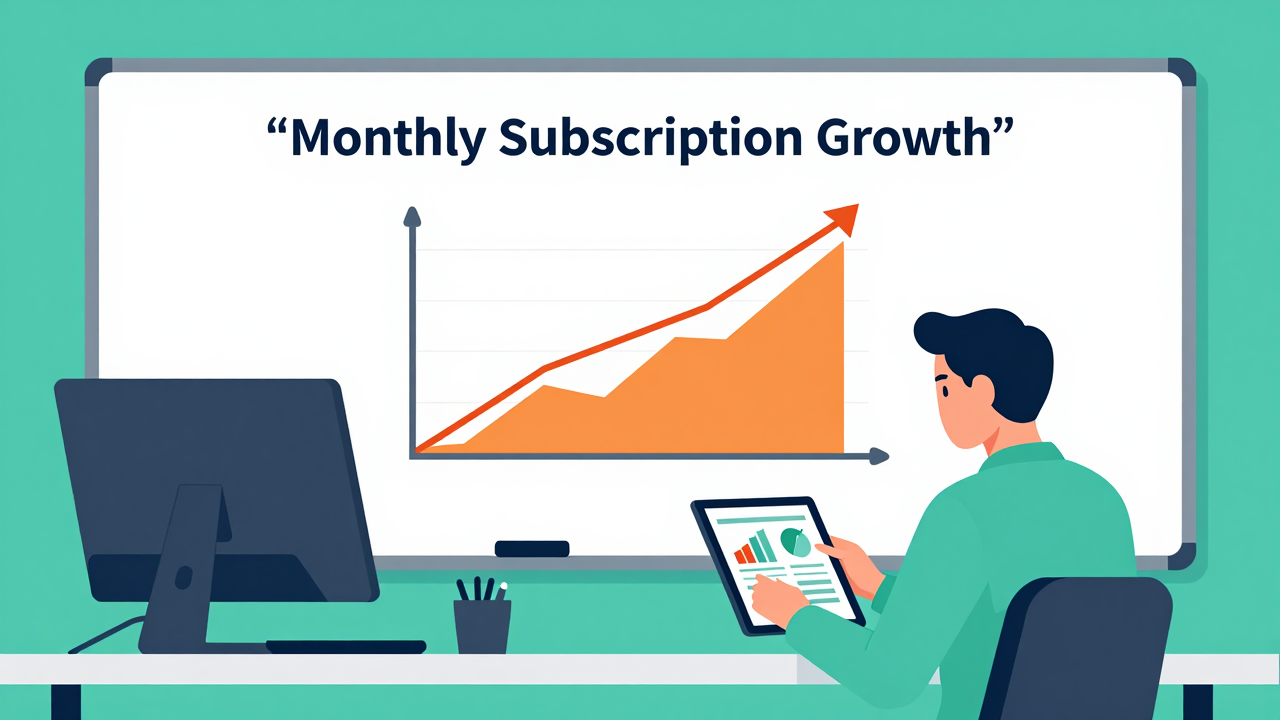
When you implement a recurring revenue model, you gain access to several benefits that can greatly enhance your business operations. This model provides predictable cash flow, which improves your financial stability and aids in better budgeting. You’ll also see an increase in customer lifetime value, as ongoing relationships allow for upselling opportunities.
Here’s a quick overview of the benefits:
| Benefit | Description | Impact on Business |
|---|---|---|
| Predictable Cash Flow | Regular income stream | Better financial planning |
| Higher Customer Lifetime Value | Ongoing relationships | Increased sales potential |
| Reduced Sales Fluctuations | Focus on delivering consistent value | Less stress on sales strategies |
Key Types of Recurring Revenue Models You Should Know
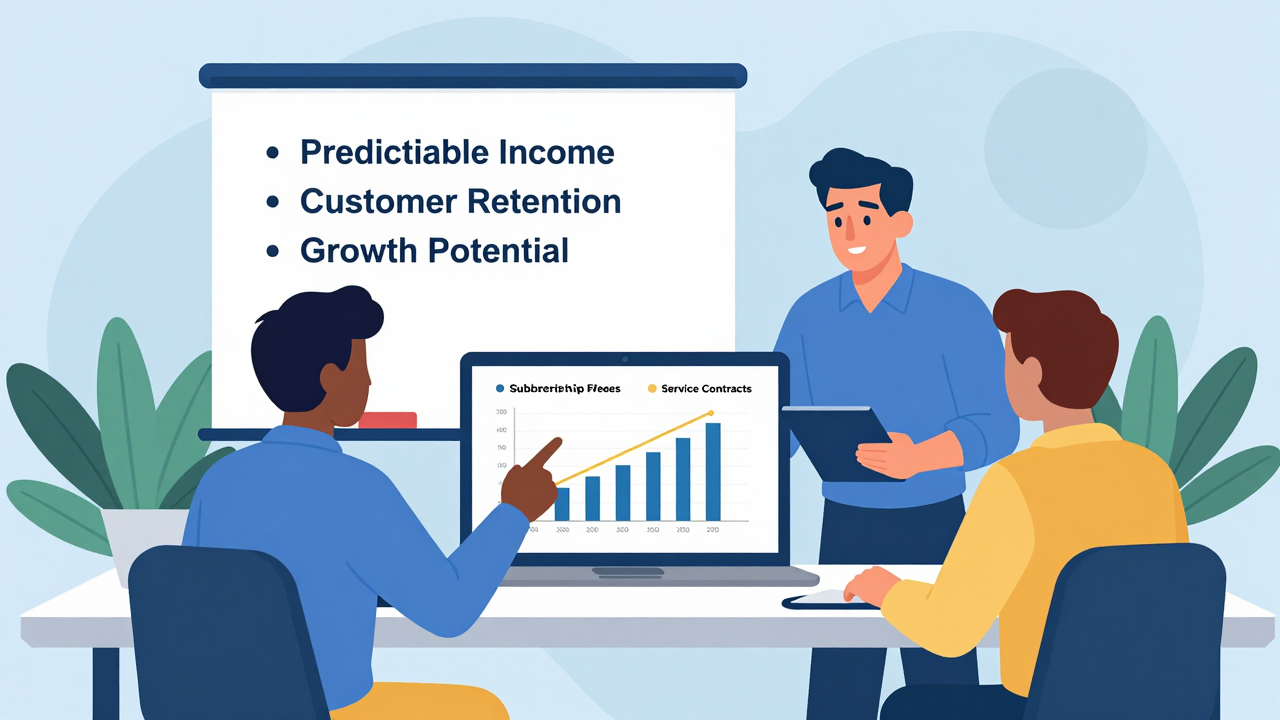
When you explore recurring revenue models, you’ll find several key types that can boost your business.
Consider the subscription model for steady income, usage-based pricing for flexibility, and membership programs to enhance customer loyalty.
Each model has its own strengths, so think about which one aligns best with your goals and customer needs.
Subscription-Based Revenue Models
Understanding subscription-based revenue models can greatly boost your business strategy, especially if you’re looking to create stable income streams.
Start by considering the traditional subscription model, where you charge a fixed fee at regular intervals for ongoing access, like Netflix does.
You might also explore the freemium model, offering a basic service for free while enticing users to pay for premium features, similar to Spotify.
Another option is tiered billing, which allows you to create various pricing levels based on features or usage, catering to different customer needs, as HubSpot does.
Finally, the membership model can foster loyalty by providing exclusive benefits for a recurring fee, just like Costco.
Choose the model that fits your audience best.
Usage-Based Pricing Strategies
Subscription models offer a reliable income stream, but usage-based pricing strategies can add a layer of flexibility that benefits both you and your customers. This approach lets customers pay only for what they use, enhancing satisfaction and retention.
However, you need to be aware of the potential revenue unpredictability.
Here are some key points to reflect on:
- Customer Satisfaction: Align costs with the value your customers receive.
- Scalability: Adjust pricing based on actual usage to cater to diverse needs.
- Investment in Technology: Implement robust tracking systems to measure usage accurately.
- Real-World Examples: Look at companies like AWS and Twilio to see successful implementation.
Membership and Loyalty Programs
Membership and loyalty programs offer a powerful way to enhance customer engagement and drive recurring revenue for your business. By providing exclusive benefits, like discounts or early access to products, you can foster long-term relationships with your customers.
To create an effective membership program, consider charging a recurring fee that offers real value. For loyalty programs, implement a points system that rewards customers based on their purchase frequency, encouraging higher spending.
Keep in mind that studies show loyalty program members are 70% more likely to keep buying from your brand. By optimizing these programs, you can increase your average revenue per user, as satisfied subscribers tend to spend more over time.
Start building your program today for better retention.
Top Challenges in Implementing a Recurring Revenue Model
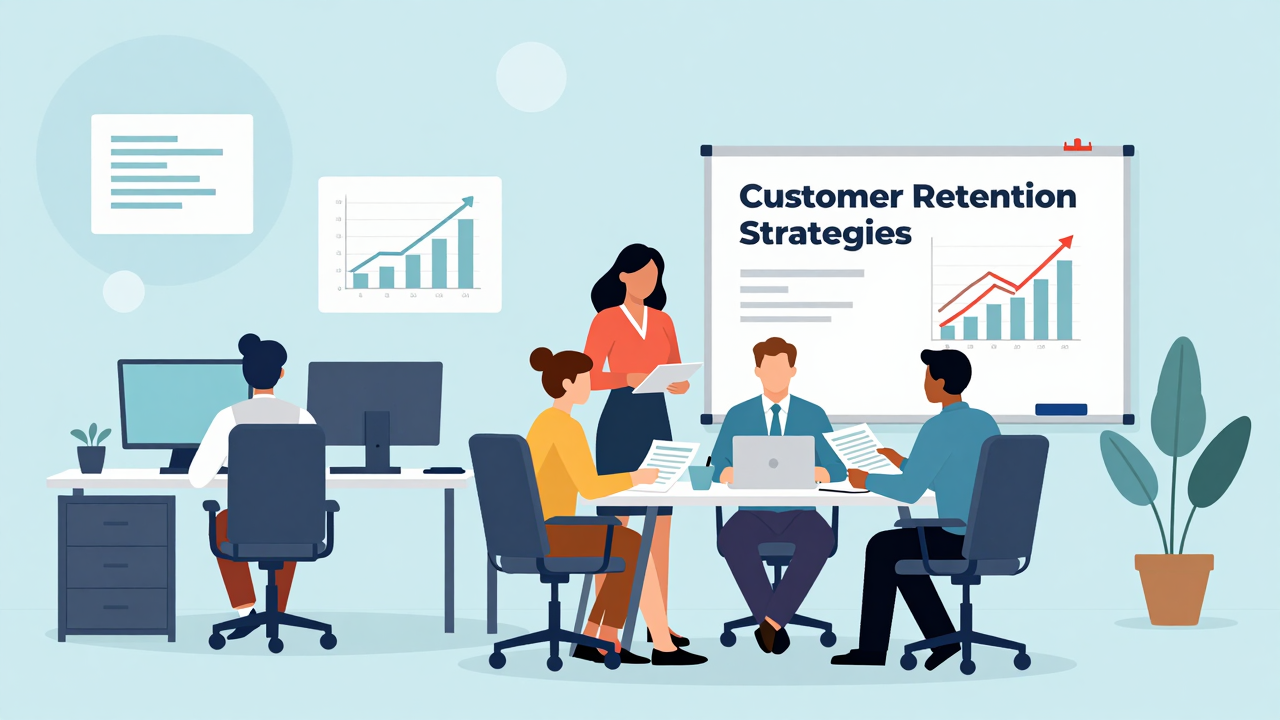
When you consider implementing a recurring revenue model, you’ll face a few key challenges that need your attention.
First, developing a clear pricing strategy can be complex, as it’s vital to find a balance that attracts customers while ensuring consistent income.
Additionally, managing churn rates and integrating the right technology will be essential to keep your subscribers engaged and satisfied, so you’ll need to plan carefully.
Pricing Strategy Complexity
Implementing a recurring revenue model can be challenging, especially due to the complexities of pricing strategy. To navigate these challenges effectively, consider the following:
- Establish clear pricing tiers: Make sure customers easily understand what they’re paying for and why.
- Align pricing with value: Regularly assess how your pricing reflects the value your service provides to minimize churn.
- Adapt pricing dynamically: Be prepared to adjust prices based on customer feedback and market trends.
- Segment your customers: Identify different customer groups to tailor pricing, ensuring it resonates with each segment’s needs.
Technology Integration Issues
Technology integration issues can pose significant hurdles when you’re shifting to a recurring revenue model. You’ll need to guarantee your billing systems can handle varying pricing structures and automate renewals. This can be tricky if your existing infrastructure isn’t compatible.
Here’s a quick overview of common challenges:
| Challenge | Solution |
|---|---|
| Compatibility with legacy systems | Assess systems before integration |
| Standardizing pricing structures | Develop a clear pricing strategy |
| Data migration risks | Use reliable migration tools |
To tackle these challenges, prioritize integrating your CRM and subscription management systems to track customer interactions. Regular updates are crucial, so allocate resources effectively to maintain service quality without overwhelming your team.
[embedded content]
Churn Rate Management
Shifting to a recurring revenue model means you need to tackle churn rate management head-on. High churn rates can threaten your revenue predictability, so it’s essential to address them effectively.
Here are some strategies you can implement:
- Enhance customer engagement with personalized communication.
- Analyze customer feedback and usage data to identify at-risk customers.
- Implement loyalty programs to reward long-term commitments.
- Offer incentives that encourage renewals and referrals.
Strategies for Building a Successful Recurring Revenue Model
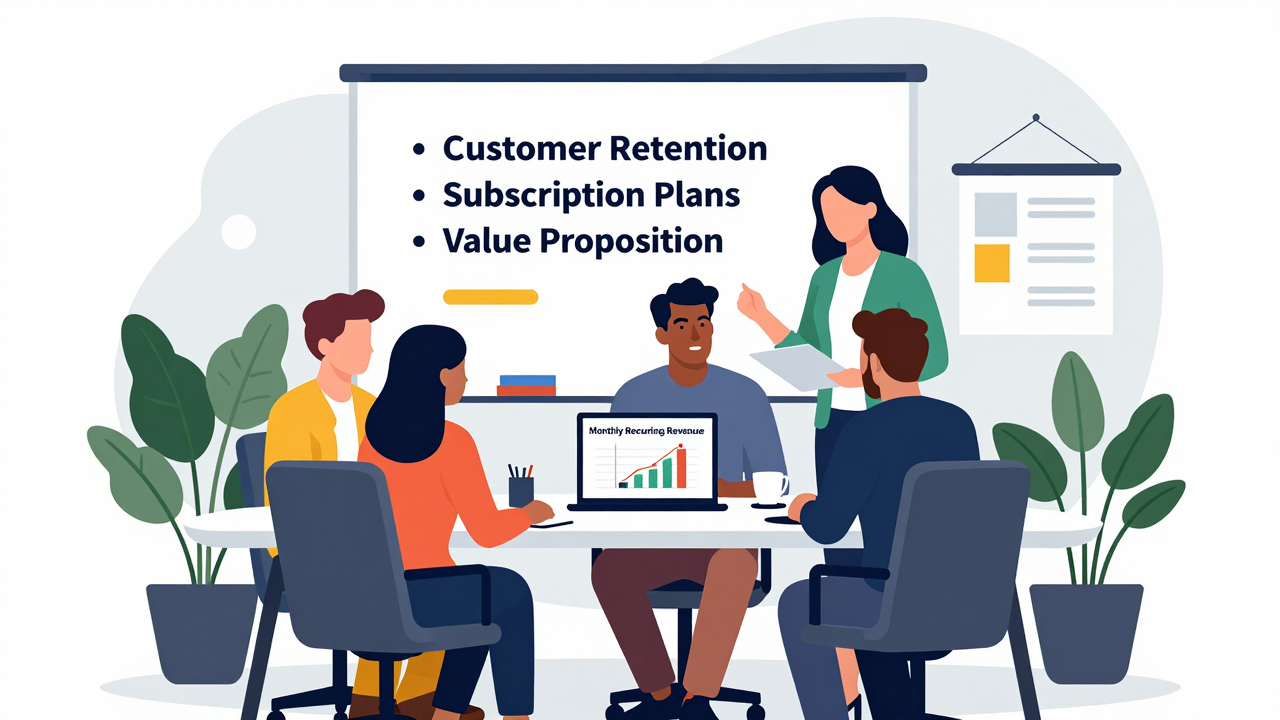
To build a successful recurring revenue model, you need to start by clearly defining your value proposition. Communicate what makes your subscription unique, ensuring customers see the benefits that justify their ongoing payments.
Next, implement a well-researched pricing strategy that balances affordability with profitability; consider factors like customer lifetime value and acquisition costs.
Focus on creating a seamless onboarding process to engage new customers effectively. Help them understand your product’s value to reduce early churn rates.
Don’t forget to establish a continuous feedback loop; gathering insights from customers will allow you to adapt your offerings based on their needs.
Finally, develop retention programs like discounts for annual subscriptions or exclusive content to incentivize renewals. By following these strategies, you can build a solid foundation for your recurring revenue model and enhance customer satisfaction.
Customer Retention Strategies in Recurring Revenue Models
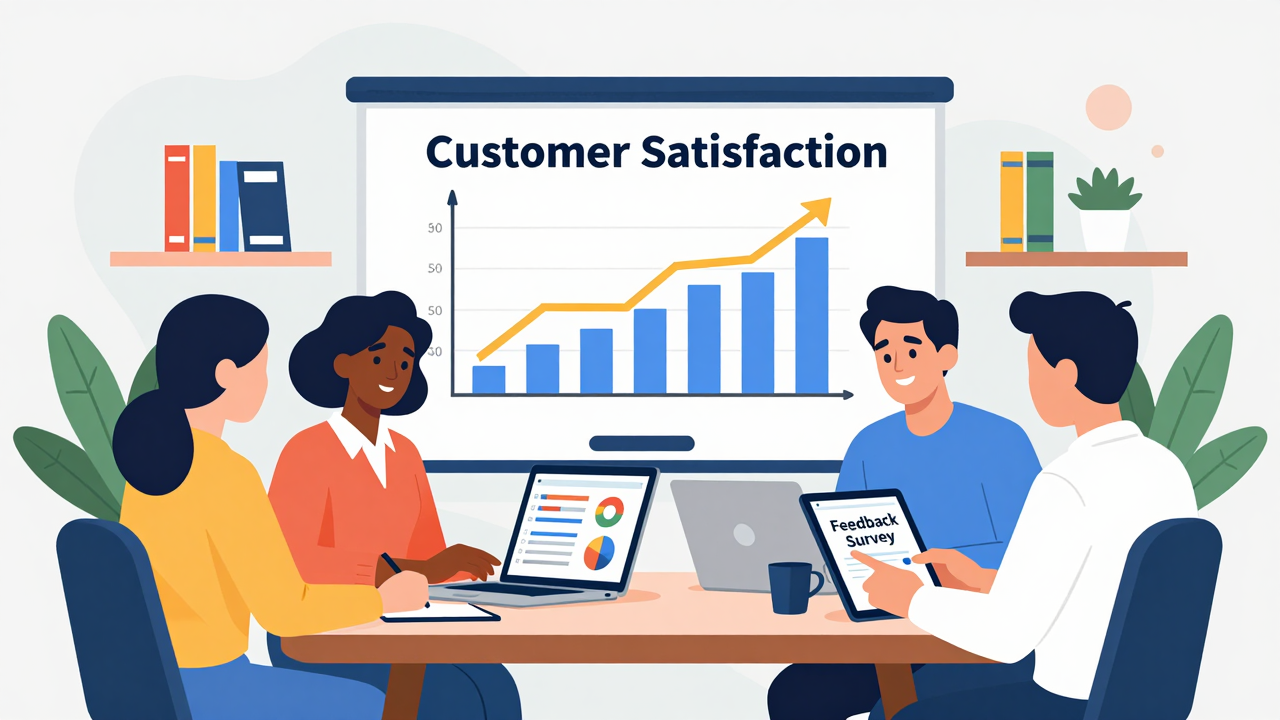
While many businesses focus on acquiring new customers, retaining existing ones is often more cost-effective and essential for long-term success.
Here are some effective strategies to enhance customer retention in your recurring revenue model:
- Streamline Your Onboarding Process: A smooth onboarding experience can increase satisfaction and retention by up to 80%. Make sure users understand your product’s value right away.
- Engage with Personalized Communication: Tailored emails and notifications can reduce churn rates considerably. Aim for regular, relevant interactions.
- Implement Loyalty Programs: Reward customers for renewals or upgrades. Businesses have reported a 25% increase in customer lifetime value when using these programs.
- Utilize Usage Tracking: Monitoring user behavior lets you identify and address churn risks proactively. Companies that track engagement see a 15% improvement in retention.
Measuring Success in Recurring Revenue?
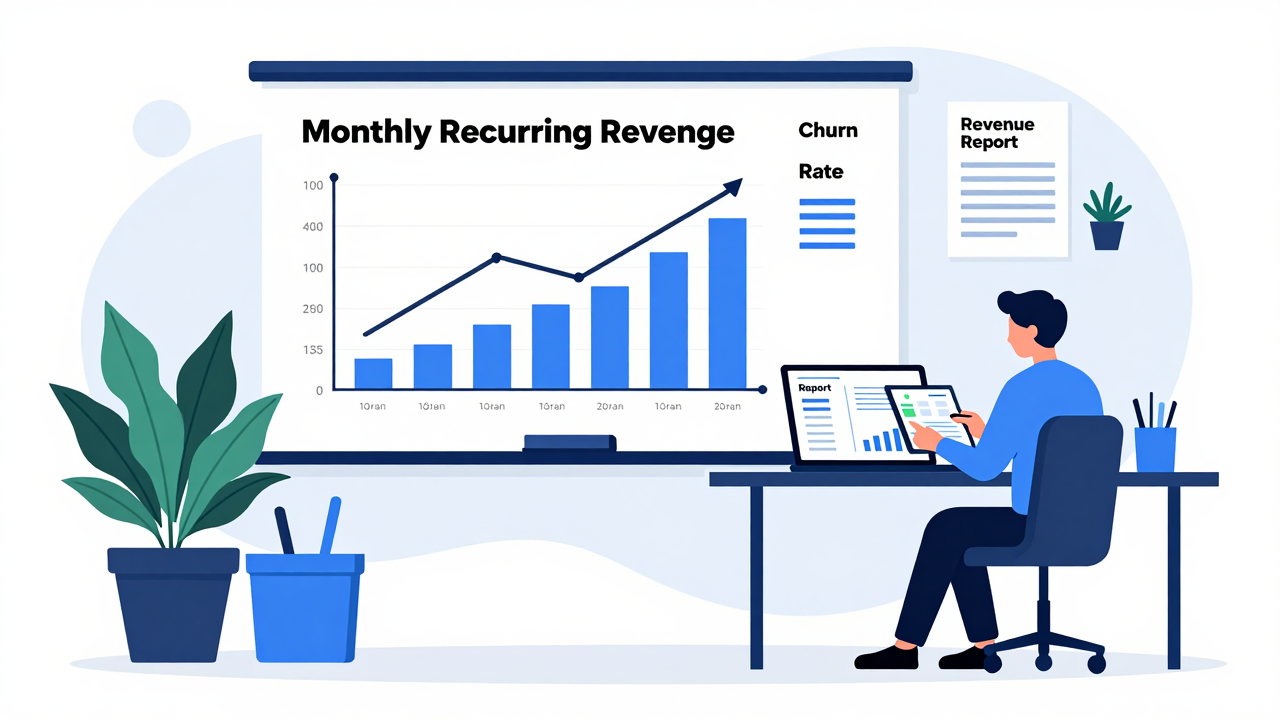
Understanding how to measure success in a recurring revenue model is essential for your business’s growth. Start by tracking Monthly Recurring Revenue (MRR), which gives you insights into predictable income from subscriptions. Calculate Annual Recurring Revenue (ARR) by simply multiplying MRR by 12, helping with long-term planning. Keep an eye on your Churn Rate, the percentage of subscribers who cancel, as it directly affects your revenue stability. Additionally, assess Customer Lifetime Value (LTV) to understand the total revenue you can expect from each customer. Finally, measure Average Revenue Per User (ARPU) to identify trends and inform your pricing strategies.
Here’s a quick reference table for these metrics:
| Metric | Purpose |
|---|---|
| Monthly Recurring Revenue (MRR) | Predictable income from subscriptions |
| Annual Recurring Revenue (ARR) | Yearly revenue expectation |
| Churn Rate | Revenue stability indicator |
| Customer Lifetime Value (LTV) | Total expected revenue per customer |
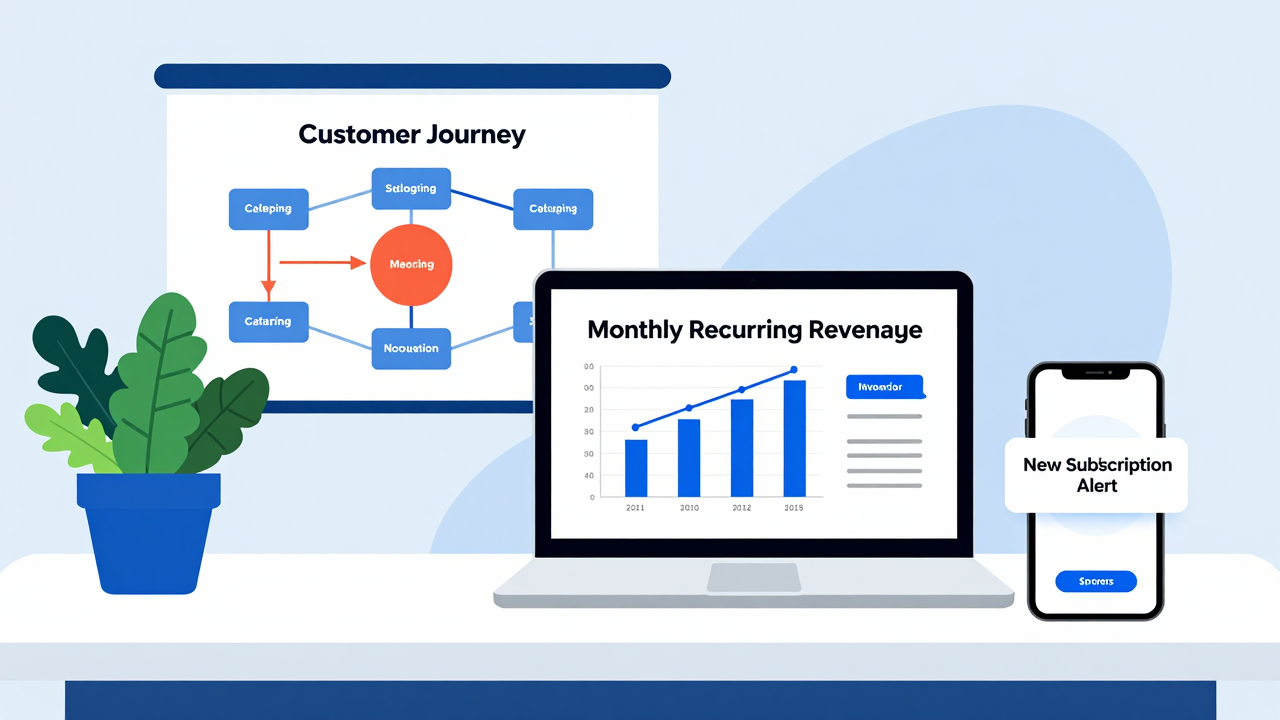
Choosing the right tools and resources can greatly enhance your recurring revenue strategy. To optimize your approach, consider these key tools:
- Billing Management Systems: Use platforms like Stripe or Chargebee to automate billing, reducing errors and saving time.
- Analytics and Reporting Tools: Implement solutions like ProfitWell for real-time insights on MRR and churn, helping you make data-driven decisions.
- Customer Relationship Management (CRM): Integrate CRM software with your billing systems to analyze customer behavior, improving upselling and retention efforts.
- Onboarding and Engagement Tools: Invest in user-friendly onboarding solutions to guarantee new subscribers fully understand the value of your service.
Frequently Asked Questions
What Is an Example of a Recurring Revenue Model?
An example of a recurring revenue model is Adobe‘s Creative Cloud. You pay a monthly or annual fee to access a suite of software tools, like Photoshop and Illustrator.
[embedded content]
This approach keeps you updated with the latest features and improvements.
If you’re considering this model for your business, focus on building strong customer relationships, offering consistent value, and regularly communicating updates to retain subscribers and encourage loyalty over time.
What Qualifies as Recurring Revenue?
Recurring revenue qualifies as income you earn from ongoing customer subscriptions or memberships, billed regularly. To guarantee it qualifies, focus on consistent value; your customers should feel they’re getting something worthwhile each payment cycle.
Examples include subscription services like streaming platforms, freemium models, or membership fees.
[embedded content]
Prioritize customer retention over acquisition, using engagement strategies to enhance loyalty. Monitor churn rates, and adjust your offerings to keep customers satisfied and coming back.
What Are the Three Main Types of Revenue Models?
The three main types of revenue models are subscription, transactional, and freemium.
With subscription models, you charge a recurring fee, ensuring steady income.
Transactional models focus on one-time sales, ideal for retail settings.
Freemium models let you offer basic services for free while charging for premium features, attracting a larger user base.
Assess your business goals and customer needs, then choose the model that best fits your strategy for growth and sustainability.
What Is the Difference Between Recurring Revenue and Recurring Revenue?
The difference between recurring revenue and recurring revenue is often misunderstood. You can think of it with regard to predictable income versus the strategies that generate it.
Recurring revenue focuses on consistent payments from customers over time. To maximize this, offer subscription services or memberships.
Make sure you provide ongoing value, so customers stay engaged. Regularly communicate with them, and gather feedback to improve your offerings, which helps retain customers and boost revenue.
Conclusion
Incorporating a recurring revenue model can greatly boost your business’s stability and growth. Focus on delivering consistent value, reducing churn, and enhancing customer relationships. Identify the right model for your market, whether it’s subscription-based or tiered billing. Implement effective customer retention strategies, and regularly measure your success using key performance indicators. Finally, utilize tools that streamline your operations and optimize revenue. By taking these steps, you can build a sustainable revenue stream that supports long-term success.
Image via Google Gemini and Small Business Trends