
This post was originally published on this site.
Royal Navy warships track Russian vessels for three days in UK waters
-
Published
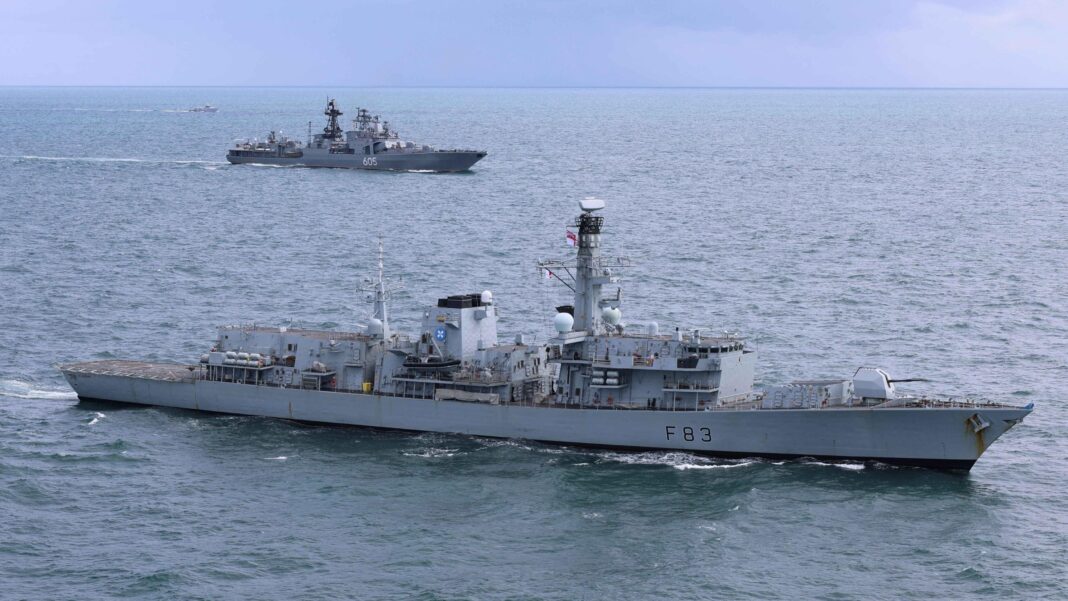
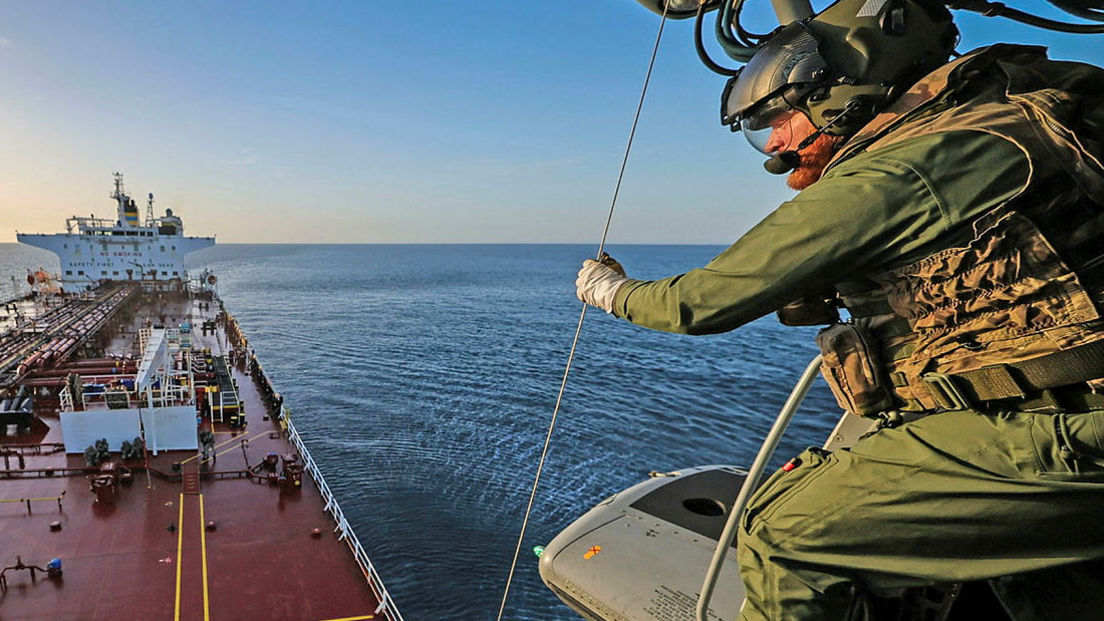
Royal Navy warships and a helicopter spent three days tracking Russian Navy vessels and sanctioned cargo ships in an “intense” operation in the North Sea and English Channel.
HMS Duncan, HMS St Albans and HMS Severn used radars to monitor four vessels last week, while a Merlin helicopter provided surveillance from the sky.
“Since that successful operation, we have seen Russian shadow fleet vessels increasingly forced to change their routes, imposing significant cost and delays to their journeys,” Gen Sir Gwyn Jenkins, the First Sea Lord and Chief of Naval Staff, said.
It comes as data shows Royal Navy activity to monitor Russian movements is up 25% so far this year compared to 2025.
During the August operation, the Royal Navy warships including a Type 45 destroyer and a Type 23 frigate, tracked Russian destroyer Admiral Levchenko as it escorted sanctioned cargo vessels General Skobelev and Sparta south through the North Sea and into the English Channel.
The Royal Navy said Russia was “forced” to respond with “costly military resources” including the frigate Neustrashimy.
A statement said a Nato ally then took over monitoring off the coast of France, without specifying the country.
The operation comes after Royal Marine Commandos boarded a Russian “shadow fleet” oil tanker in the English Channel in June.
Marines joined by National Crime Agency (NCA) officers, with the support of the RAF, intercepted and boarded the Smyrtos in a six-hour operation – the first of its kind by UK armed forces.
NCA officers arrested an Indian national, 38, on suspicion of sanctions offences under the Russia Regulations and he was taken into custody.
To play this video you need to enable JavaScript in your browser.
This video can not be played
The UK has sanctioned more than 500 vessels it says are part of Russia’s so-called shadow fleet.
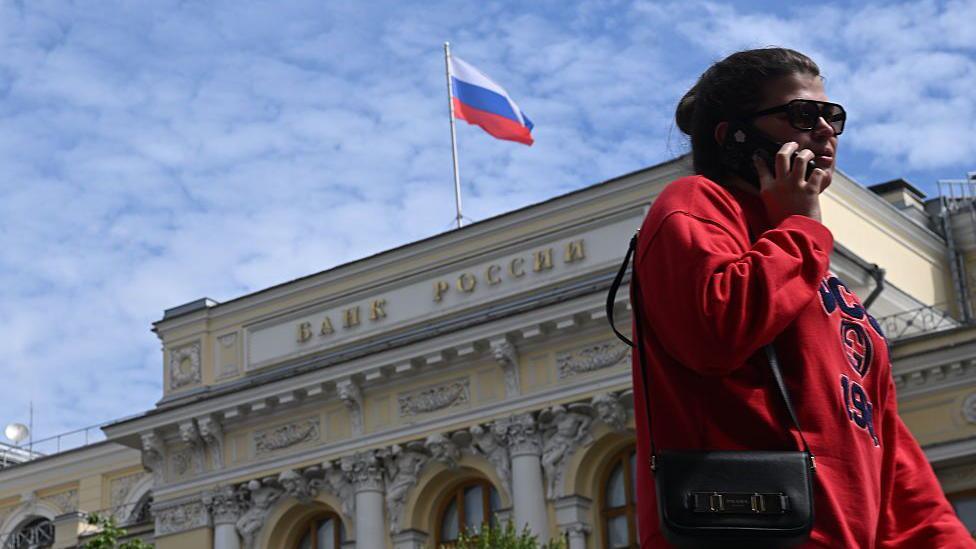
Oil and gas revenue as a percentage of the total Russian budget fell to just 23% in 2025, the lowest percentage share in the past 20 years, according to an analysis by the Oxford Institute for Energy Studies.
However the institute notes that was compensated by strong growth from other taxes, namely a hike in VAT and corporate profits tax.
Moscow has also benefited from a recent rise in oil prices following the Iran war, however the broader economy is slowing.
-
-
Published19 July
-
-
-
Published13 August
-