
This post was originally published on this site.
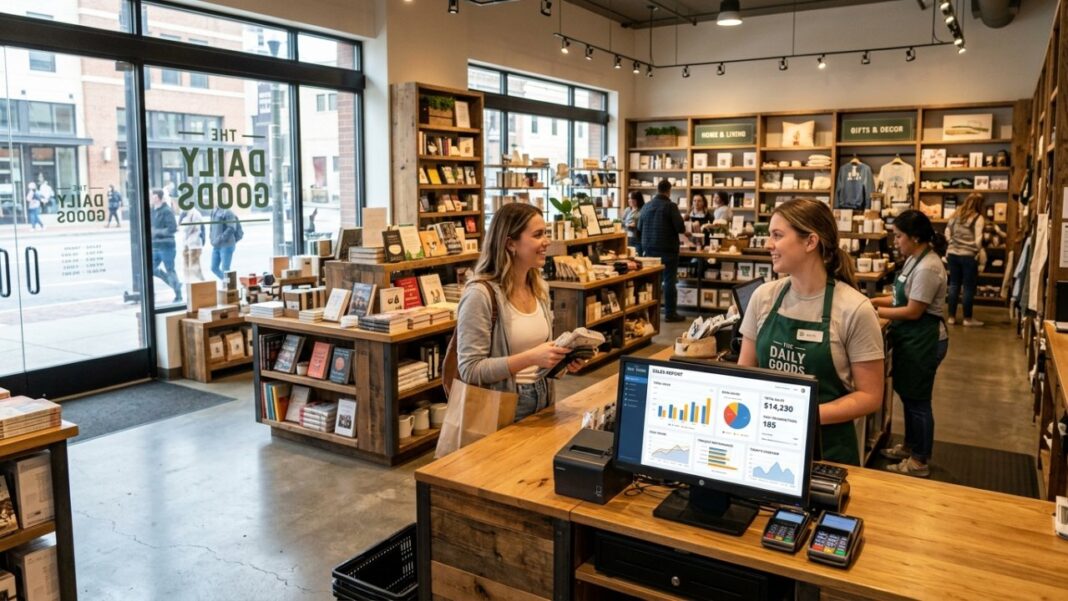
Retail workforce management is all about optimizing employee planning and scheduling to boost efficiency. To improve your store’s performance, start by using specialized software for labor forecasting, time tracking, and compliance with labor laws. This guarantees you have the right staff at the right times, reduces turnover costs, and enhances customer satisfaction. If you want to learn how to implement these strategies effectively, consider the key features that can transform your operations.
Key Takeaways
- Retail workforce management optimizes employee planning, scheduling, and performance tracking, enhancing overall store efficiency and customer satisfaction.
- It uses demand forecasting to align staffing needs, potentially reducing labor costs by up to 20%.
- Automated scheduling balances employee availability with peak demand, increasing retention rates by 25% and reducing overstaffing costs by 15%.
- Performance monitoring tools evaluate employee productivity, providing insights to identify trends and areas for improvement.
- Engaging employees through flexible scheduling and recognition programs can significantly reduce turnover and improve operational efficiency.
What Is Retail Workforce Management?

Retail Workforce Management (WFM) is essential for optimizing how you plan, schedule, and track employee performance to meet your business needs. It involves using retail workforce management software to streamline operations, ensuring you have the right staff at the right times. This software helps with retail labor management, allowing you to forecast demand accurately and schedule employees efficiently.
By automating time tracking and attendance, you can reduce compliance risks and enhance operational efficiency. Implement retail employee management software to engage your team with flexible scheduling, improving their work-life balance. This leads to higher job satisfaction, which ultimately boosts customer experiences.
To get started, analyze your current staffing needs. Then explore WFM solutions that fit your business size and demands. Consider scheduling templates and real-time insights to make informed decisions. This proactive approach helps you minimize labor costs while maximizing service quality.
Why Retail Workforce Management Matters?

Effective workforce management matters because it directly influences your store’s efficiency and customer satisfaction. Implementing retail workforce management solutions helps you optimize employee scheduling and staffing levels, guaranteeing you meet customer demand without overspending on labor.
With a retail labor management system, you can leverage AI-driven insights to forecast staffing needs, balancing employee availability with peak demand times.
Utilizing retail staffing software allows for flexible scheduling, which boosts employee engagement and job satisfaction, reducing turnover rates.
Accurate time and attendance tracking guarantees compliance with labor laws, minimizing costly violations while enhancing your reputation as an ethical employer.
By streamlining payroll integration and performance monitoring, you can make data-driven decisions that support business growth.
Key Features of Effective Workforce Management

A well-rounded workforce management system includes several key features that can streamline operations and boost productivity.
First, effective demand forecasting allows you to predict staffing needs based on historical data and seasonal trends, ensuring you’re never over or understaffed.
Next, automated scheduling features optimize employee rosters by balancing availability with peak demand periods. This is vital for efficient retail employee management.
Time and attendance tracking is another essential feature, enabling accurate payroll management and compliance while reducing errors.
Additionally, performance monitoring tools help evaluate employee productivity through key performance indicators (KPIs), such as sales per employee and customer satisfaction scores.
Finally, employee self-service options empower your team to manage their schedules and request shifts, fostering engagement and a positive work environment.
How Forecasting Enhances Workforce Management

Forecasting plays an essential role in enhancing your workforce management by providing accurate demand predictions.
You can use these insights to create efficient staffing solutions that align with customer traffic, minimizing both overstaffing and understaffing.
Accurate Demand Predictions
When you use accurate demand predictions, you’re positioning your retail operation to align staffing levels with customer traffic. This approach minimizes overstaffing and can reduce labor costs by up to 20%.
By leveraging WFM software to analyze historical sales data and external factors like weather, you can anticipate peak periods and guarantee qualified staff are available when needed most. Implementing data-driven forecasting can improve operational efficiency by 15%, leading to shorter wait times and enhanced customer satisfaction.
Additionally, accurate demand predictions allow for flexible retail workforce planning, accommodating staff preferences and potentially reducing turnover rates by about 30%. By focusing on these strategies, you’ll improve retail labor efficiency and create a more engaged workforce.
Efficient Staffing Solutions
To optimize staffing solutions in retail, it’s crucial to leverage accurate demand forecasting. By analyzing historical sales data, you can predict peak periods, ensuring the right number of employees are scheduled at the right times. This helps reduce labor costs and enhances efficiency, allowing you to avoid overstaffing during slow periods and understaffing during busy times.
| Action | Benefit | Tool |
|---|---|---|
| Use predictive analytics | Anticipate staffing needs | Retail task management software |
| Integrate AI forecasting | Increase sales per labor hour | Retail WFM |
| Monitor trends | Align staffing with customer demand | Workforce management software for retail |
Implement these strategies to improve service levels and customer satisfaction without unnecessary expenses.
[embedded content]
Data-Driven Decision Making
Effective workforce management hinges on using data-driven decision-making to forecast staffing needs accurately. By leveraging retail staff software and the best retail task management software, you can analyze historical sales trends alongside external factors.
This approach allows you to anticipate customer traffic fluctuations and adjust schedules accordingly. For instance, implementing AI-driven forecasting tools can help you minimize labor costs by up to 20%.
Real-time analytics enable you to make intraday adjustments, ensuring you meet demand without overstaffing or underutilizing employees. Aligning your staffing with forecasted demand not only boosts employee productivity but also enhances customer satisfaction, ultimately leading to increased sales and loyalty.
Start using these strategies to optimize your workforce today.
How Scheduling Impacts Retail Operations

Scheduling plays an essential role in your retail operations, impacting both employee productivity and customer satisfaction.
By implementing demand-driven scheduling strategies, you can align staff availability with peak shopping times, reducing overstaffing and understaffing.
This not only helps optimize shifts but also enhances service quality, leading to happier customers and improved sales.
Effective Shift Management
When you manage shifts effectively, you directly enhance customer service quality, especially during peak hours. By optimizing staffing, you guarantee customers receive timely assistance, which can boost sales by up to 20%. Implementing AI-driven scheduling lets you align employee availability with customer footfall, cutting overstaffing costs by around 15%. Additionally, flexible shifts lead to a 25% increase in employee retention, reducing turnover. Regular tracking of scheduled shifts helps you spot inefficiencies and align productivity with sales goals.
| Benefit | Impact |
|---|---|
| Improved Customer Service | Boosts sales by 20% |
| Reduced Overstaffing Costs | Saves 15% on labor costs |
| Increased Employee Retention | 25% higher retention rates |
| Enhanced Labor Cost Efficiency | Saves 10% on labor costs |
| Identified Inefficiencies | Aligns with KPIs |
Demand-Driven Scheduling Strategies
Optimizing your workforce isn’t just about managing shifts effectively; it’s also about aligning staffing levels with actual customer demand.
To implement demand-driven scheduling strategies, consider these steps:
- Analyze Historical Data: Use past sales data to identify peak shopping times and adjust schedules accordingly.
- Adopt Predictive Analytics: Leverage tools that forecast demand based on factors like weather and events, allowing for proactive staffing.
- Utilize Automated Scheduling: Implement software that adjusts shifts in real time, improving efficiency and reducing costs by 10-30%.
- Engage Your Team: Offer flexible scheduling options to enhance employee satisfaction, which can lower turnover rates.
Why Tracking Time and Attendance Matters?

Tracking time and attendance is essential for guaranteeing fair pay and building trust with your employees. Accurate tracking reduces payroll errors, fosters confidence, and keeps your team motivated. It also allows you to analyze productivity, identifying trends and areas for improvement based on actual hours worked.
Moreover, precise attendance data guarantees compliance with labor laws, helping you avoid costly fines. Optimizing staffing levels during peak hours enhances customer service, making your operations more efficient.
Here’s a quick overview of the key benefits:
| Benefit | Description |
|---|---|
| Fair Pay | Reduces payroll errors and builds trust. |
| Productivity Insights | Identifies trends and improvement areas. |
| Legal Compliance | Prevents fines from labor law violations. |
| Staffing Optimization | Guarantees the right number of employees is scheduled. |
Enhancing Employee Engagement and Retention
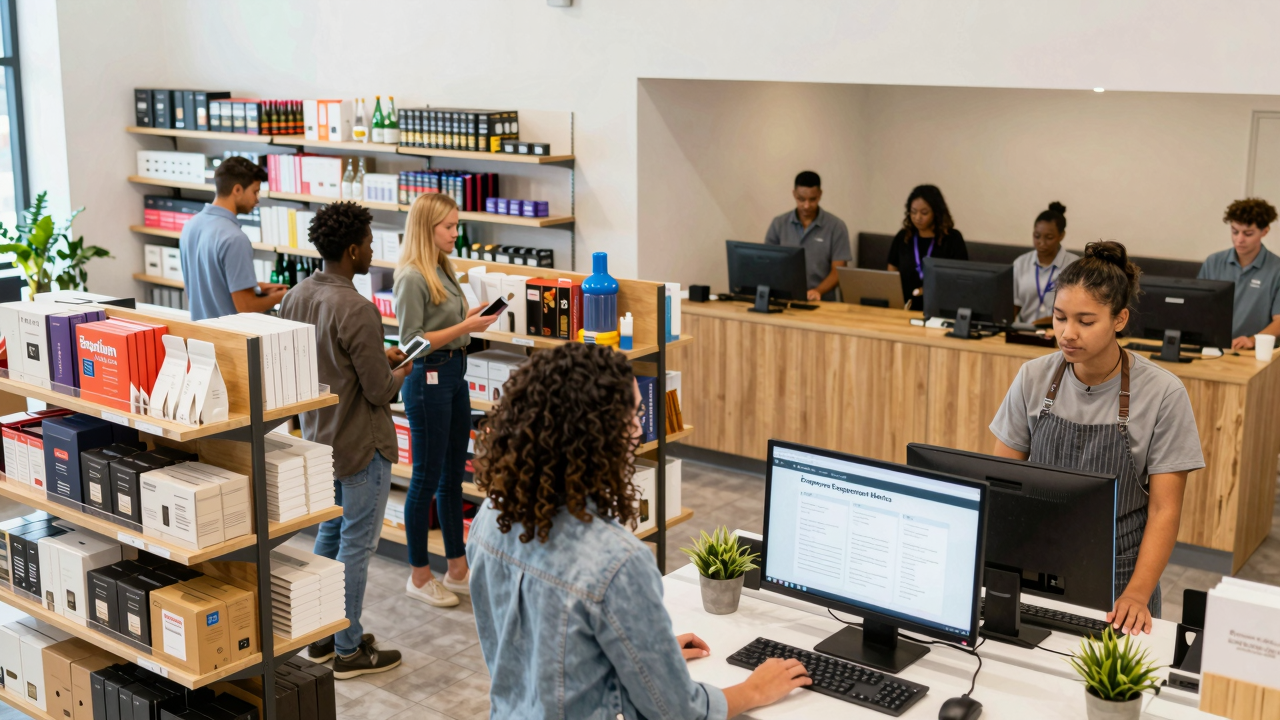
Engaging employees and boosting retention in retail isn’t just about offering competitive pay; it involves creating an environment where they feel valued and supported. Here are some effective strategies you can implement:
- Flexible Scheduling: Allow employees to manage their work-life balance, which improves job satisfaction and retention.
- Recognition Programs: Regularly acknowledge and reward contributions to foster a positive work atmosphere; this can boost retention rates by up to 31%.
- Continuous Training: Invest in upskilling opportunities, as 76% of employees would stay longer with an employer that supports their career development.
- Engagement Initiatives: Foster a culture of engagement, since engaged employees are 87% less likely to leave their jobs.
How to Overcome Workforce Management Challenges
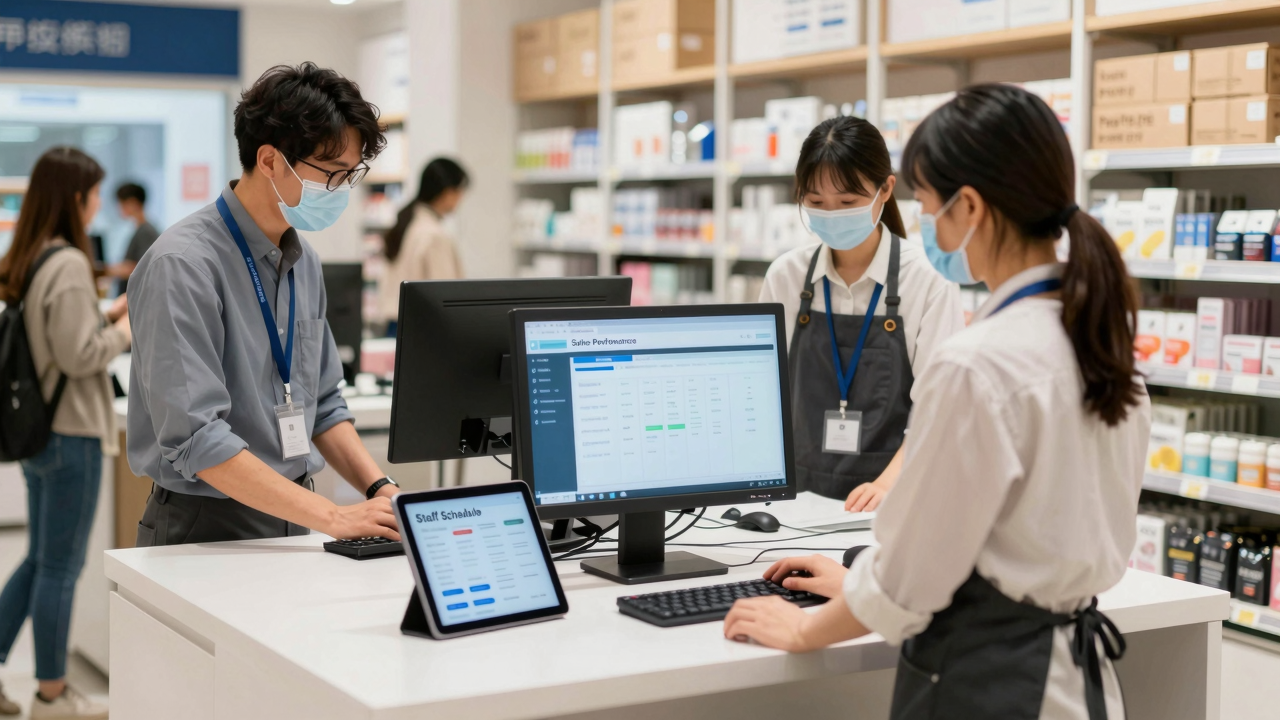
To tackle workforce management challenges, start by optimizing your scheduling efficiency. Use customizable templates and auto-scheduling features to quickly create schedules that align with your store’s needs.
Enhance communication channels by utilizing mobile apps, allowing your team to receive important updates and swap shifts seamlessly, which keeps everyone informed and engaged.
Optimize Scheduling Efficiency
When faced with workforce management challenges, optimizing scheduling efficiency can greatly enhance your retail operation. Here are some practical steps to evaluate:
- Data-Driven Forecasting: Use historical sales data and AI analytics to predict staffing needs accurately, ensuring you’re prepared for customer demand.
- Flexible Scheduling: Allow employees to indicate their availability, boosting job satisfaction and reducing turnover.
- Automated Scheduling Tools: Implement software that automatically creates optimized schedules based on peak hours and employee availability, minimizing manual errors.
- Real-Time Monitoring: Utilize features for monitoring schedules in real-time, enabling adjustments based on unexpected demand fluctuations.
Enhance Communication Channels
Effective communication channels can greatly enhance your retail workforce management, helping to address common challenges. Start by implementing integrated messaging systems to guarantee real-time updates between management and staff. This reduces misunderstandings and improves efficiency.
Regular check-ins through digital platforms can boost employee engagement, essential in combating high turnover rates. Empower your team with mobile apps for shift swapping and schedule notifications, fostering autonomy and job satisfaction.
Centralized communication tools are critical for sharing policy changes and compliance updates, helping everyone stay informed about labor laws. Finally, use automated alerts for schedule adherence and performance metrics to keep staff accountable.
The Role of Technology in Workforce Management

Technology plays an essential role in streamlining workforce management, especially in retail. By leveraging the right tools, you can enhance efficiency and improve your overall operations.
Here are four key benefits of using technology:
- Automated Scheduling: Use software to create schedules quickly, minimizing the time spent on manual planning.
- Accurate Attendance Tracking: Implement systems that automatically track employee hours, reducing errors and administrative burdens.
- Real-Time Communication: Enable quick updates and interactions between supervisors and employees, ensuring everyone is informed and aligned.
- AI-Driven Analytics: Utilize analytics tools to assess employee performance, helping you identify trends and areas for improvement before problems arise.
Achieving Compliance and Payroll Efficiency

To achieve compliance and payroll efficiency, you need to focus on streamlined time tracking and automated compliance management.
Start by implementing a reliable timekeeping system that accurately records employee hours, reducing errors and ensuring fair pay.
Next, leverage automated compliance tools that keep you updated on labor laws, allowing you to maintain adherence effortlessly while freeing up time for other important tasks.
Streamlined Time Tracking
Streamlined time tracking not only simplifies the recording of employee hours but also guarantees compliance with labor laws, which can save your business from costly fines.
By automating time entry, you reduce errors and enhance payroll accuracy. To maximize these benefits, consider the following steps:
- Integrate systems: Connect time and attendance with payroll to minimize manual tasks.
- Monitor attendance patterns: Use data to identify issues like absenteeism and adjust staffing accordingly.
- Ensure compliance: Track hours precisely to meet overtime and minimum wage laws.
- Focus on strategy: With timekeeping automated, managers can concentrate on more important operational tasks.
Implementing streamlined time tracking can greatly improve your operational efficiency and employee satisfaction.
Automated Compliance Management
Achieving compliance and payroll efficiency is essential for retail businesses, especially as labor laws continue to evolve. Implementing automated compliance management systems helps you stay updated on regulations, reducing the risk of costly violations.
Start by integrating real-time updates into your operations. This way, you can automate payroll calculations based on accurate attendance tracking, minimizing errors.
Regularly analyze employee schedules against labor laws to flag potential overtime violations. Use these tools for audits and reporting to maintain transparency and accountability.
Benefits of Optimizing Workforce Management
Optimizing workforce management brings significant benefits to retail operations, especially when you consider how it directly impacts your bottom line.
By focusing on efficient practices, you can enhance your store’s performance in several key areas:
- Cost Reduction: Accurate demand forecasting can cut labor costs by up to 30%.
- Employee Productivity: AI-driven systems can boost employee productivity by 20%, leading to better service.
- Turnover Rates: Engaging employees effectively can reduce turnover by 25%, saving you recruitment costs.
- Sales Increase: Automated scheduling guarantees ideal staffing during peak hours, resulting in a 15% sales boost during busy times.
Practical Applications of Retail Workforce Management
In today’s fast-paced retail environment, effective workforce management can greatly enhance your operational efficiency and customer satisfaction. Start by using automated scheduling tools to align your staffing levels with customer demand. This reduces overstaffing or understaffing, which can hurt your bottom line.
Implement demand forecasting to anticipate peak shopping times, allowing you to allocate staff proactively.
Next, leverage self-service tools for your employees, enabling them to manage their shifts and schedules. This not only boosts engagement but also improves work-life balance, helping reduce turnover.
Monitor performance using key performance indicators (KPIs) like sales per employee and customer satisfaction scores.
Finally, integrate your workforce management technology with your point-of-sale (POS) systems to make real-time staffing adjustments based on sales data. This guarantees peak service delivery during busy hours, enhancing the overall customer experience while maximizing efficiency.
Top Strategies for Optimizing Retail Workforce Management
Effective retail workforce management hinges on several key strategies that can considerably enhance your operations. By implementing these strategies, you can optimize staffing and improve customer satisfaction without overspending.
- Utilize Data-Driven Demand Forecasting: Analyze sales data to schedule the right number of employees during peak hours, ensuring excellent customer service.
- Automate Scheduling Tools: Use automated systems to cut labor costs by up to 20%. These tools align staff availability with business needs.
- Conduct Regular Performance Assessments: Track KPIs like sales per employee to identify training needs and areas for improvement, enhancing overall performance.
- Implement Employee Self-Service Options: Empower your staff with mobile access to scheduling and updates. This increases engagement and can considerably reduce turnover.
Emerging Trends in Retail Workforce Management

As the retail landscape evolves, staying ahead of emerging trends in workforce management is essential for your success.
Start by leveraging AI and machine learning to enhance your demand forecasting. This allows you to optimize staffing levels based on real-time data.
Implement mobile apps for employee self-service, enabling staff to manage schedules and request shift swaps easily, which boosts engagement.
Consider dynamic scheduling solutions that adapt to fluctuating customer demand, especially during peak seasons.
Cross-train your teams to create multi-skilled associates, improving service delivery while controlling labor costs.
Finally, prioritize employee wellness by adopting flexible scheduling practices. This can enhance work-life balance, leading to higher retention rates.
Frequently Asked Questions
What Are the 4 Pillars of WFM?
The four pillars of workforce management (WFM) are forecasting, scheduling, performance management, and compliance.
First, forecast demand by analyzing historical data to predict staffing needs.
Next, schedule shifts that match employee availability with peak hours.
Then, monitor performance using key metrics to identify areas for improvement.
Finally, guarantee compliance with labor laws to avoid legal issues.
What Is Retail Management and Why Is It Important?
Retail management involves overseeing daily operations to guarantee smooth functioning and customer satisfaction.
You should focus on inventory control, sales strategies, and staff training. Prioritize customer service to enhance the shopping experience, which can lead to increased sales.
Regularly analyze performance metrics to identify areas for improvement. Implement effective scheduling to optimize staff coverage during peak times, reducing labor costs while meeting customer demand.
[embedded content]
This approach helps maintain a competitive edge in the retail market.
What Is WFM in Retail?
WFM in retail is about efficiently managing your staff to meet customer demand and comply with labor laws.
[embedded content]
You should start by using automated scheduling tools to align shifts with peak shopping times.
Monitor employee performance through key metrics, and utilize real-time data for informed decisions.
Empower your team with self-service apps for scheduling and time tracking, which boosts engagement and reduces admin tasks, ultimately enhancing your store’s operational efficiency.
Why Is Workforce Management Important?
Workforce management’s important because it helps you optimize staffing, improving both efficiency and customer service.
Start by using data to forecast demand, so you can schedule associates effectively. Implement easy-to-use scheduling tools, allowing employees to swap shifts or check their schedules via mobile.
Regularly track performance metrics to identify gaps in coverage or overstaffing. This proactive approach can reduce labor costs, enhance employee satisfaction, and ultimately boost your bottom line.
Conclusion
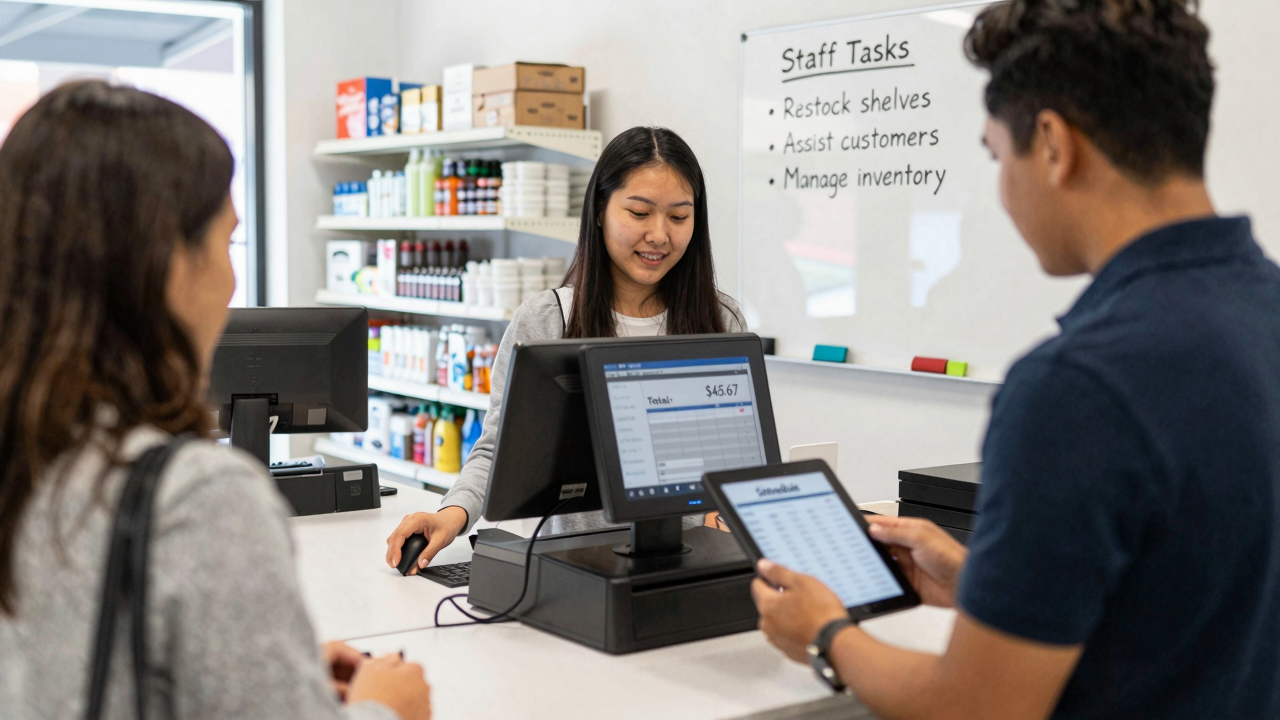
In conclusion, retail workforce management is essential for optimizing your team’s performance and enhancing customer satisfaction. Start by implementing forecasting tools to predict staffing needs accurately. Use scheduling software to align shifts with peak hours, and track employee performance to identify areas for improvement. Regularly review your processes to adapt to changing demands and invest in employee training to reduce turnover. By focusing on these strategies, you can create a more efficient and engaged retail workforce.
Image via Google Gemini and Small Business Trends