
This post was originally published on this site.
In a studio in Kenya, hands smooth a mound of clay on a spinning pottery wheel. In a women’s cooperative in Morocco’s High Atlas Mountains, members weave wedding blankets, and at a workshop in Bagru in India, artisans pound block prints onto fabric. It’s all captured in the new documentary Handmade Future, directed by Kirsten Dickerson, the cofounder of Artist & Nomad, a social-impact business focused on craft. “Things made by hand connect souls and so are worth preserving,” she says. “Craft doesn’t just provide income; it provides community and cultural identity.” Artist & Nomad’s 2027 retreats to Kenya, Morocco, and Oaxaca will take travelers into the homes and studios of artisans from the film, a trend that nods to rising interest in artisan-based itineraries.
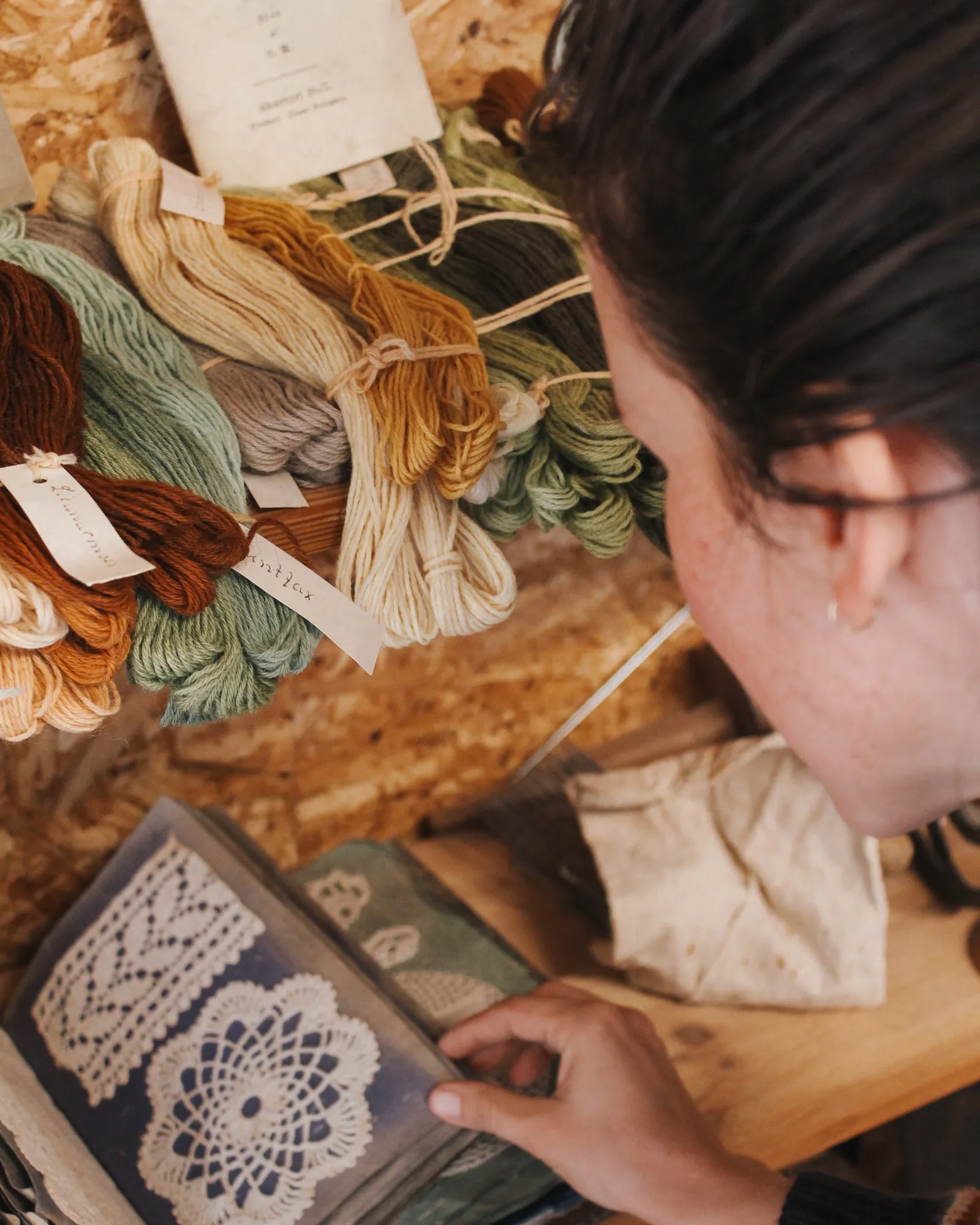
Yi Crafts founder Yiran Duan, hailing from the Bai ethnic group in China, is broadening the textile-focused retreats she leads in her hometown of Dali to explore vanishing handicrafts throughout Yunnan, such as wood carving in the mountain town of Shaxi and bark papermaking practiced by Naxi priests in the village of Baisha. Oaxaca-based travel company Thread Caravan has new itineraries exploring Portugal’s esparto-grass-weaving tradition, Iceland’s wool heritage, and the preservation of Mexico’s heirloom cottons. Majestic Disorder Travels recently introduced an Egypt itinerary combining the Pyramids with visits to weaving and pottery studios; a 2027 Brazil trip will focus on the food, music, and textiles of the coastal cities of Guarujá and Santos. Japanese hospitality brand Maana runs a collection of renovated machiya town houses in Kyoto that showcase traditional crafts such as fuki-urushi, a 9,000-year-old lacquering technique, and double as bases for the brand’s pottery and design retreats; a fourth property and its first new build, Maana Annex—designed in collaboration with award-winning studios Norm Architects and KAD—is set to debut this December.