
This post was originally published on this site.
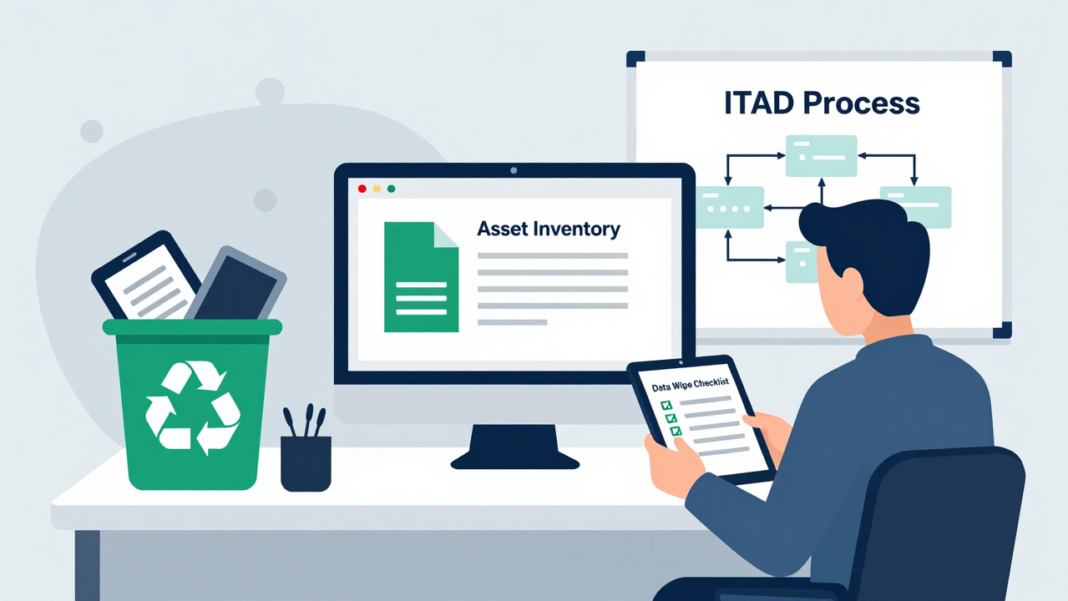
When it comes to IT asset disposition, you need to prioritize secure and responsible practices. Start by ensuring sensitive data is wiped from devices to minimize data breach risks. Failing to dispose of IT assets properly can lead to legal troubles and reputational damage. Implementing a solid ITAD strategy can help you recover value from decommissioned equipment and support environmental sustainability. Understanding these steps is essential for your organization’s success. What comes next will shape your approach.
Key Takeaways
- IT Asset Disposition (ITAD) is the secure process of retiring IT assets while ensuring data is properly wiped and devices are responsibly recycled.
- Proper ITAD minimizes data breach risks, which can cost organizations millions, and ensures compliance with regulations like GDPR and HIPAA.
- A comprehensive ITAD strategy enhances data security, promotes sustainability through reduced e-waste, and provides cost recovery opportunities from decommissioned assets.
- ITAD practices support environmental sustainability by recycling materials, extending asset lifecycles, and aligning with corporate sustainability goals.
- Regular assessments and partnerships with certified ITAD service providers are essential for effective asset disposition and compliance with evolving regulations.
What Is IT Asset Disposition (ITAD) and Why It Matters
When you think about retiring your IT equipment, it’s essential to understand what IT Asset Disposition (ITAD) really means and why it’s important.
ITAD is the secure and responsible process of retiring IT assets, ensuring data is properly wiped and that the equipment is either reused, refurbished, or recycled in compliance with regulations.
By implementing a thorough IT asset disposal process, you can recover costs through IT asset recovery, turning old equipment into financial value.
Secure IT asset disposition minimizes the risk of data breaches, which can be costly—averaging $3.86 million per incident in 2020.
Utilizing ITAD services helps you stay compliant with laws like GDPR and HIPAA, avoiding legal penalties.
Prioritize certified vendors for data destruction, and keep documentation for transparency.
What Happens When You Don’t Dispose of IT Assets Properly?
When you don’t dispose of IT assets properly, you open your organization up to serious risks.
Data breaches can happen if sensitive information is left on discarded devices, leading to hefty fines and reputational damage.
Plus, improper disposal can harm the environment, as hazardous materials from e-waste contaminate ecosystems.
Data Breach Risks
Improperly disposing of IT assets can lead to severe consequences, particularly concerning data breaches. When you neglect secure IT asset disposal, sensitive data might remain accessible, costing businesses an average of $3.86 million per breach.
To avoid this, partner with certified data destruction service providers who specialize in secure IT asset recovery and data wiping services. Implement IT asset disposition services that guarantee corporate electronic asset destruction is thorough and compliant with laws like GDPR and HIPAA.
Environmental Impact
Neglecting proper disposal of IT assets can lead to serious environmental consequences. When you fail to practice effective IT asset disposal, you contribute to the global e-waste crisis, where over 53 million metric tons of electronic waste were generated in 2019, with only 17.4% recycled.
Many discarded electronics contain hazardous materials like lead and mercury, which can leach into soil and water, harming ecosystems.
[embedded content]
To mitigate the environmental impact of e-waste, consider partnering with certified data destruction service providers who offer sustainable IT asset disposal and recycling services. This guarantees that your equipment is handled responsibly, reducing carbon footprints and preventing harmful emissions.
Legal Consequences
Failing to dispose of IT assets properly can lead to serious legal ramifications that your organization should avoid. You could face hefty fines, like Morgan Stanley‘s $60 million penalty for poor IT asset decommissioning.
Compliance with laws such as GDPR and HIPAA is vital; violations can result in lawsuits and reputational harm. To prevent data breaches, partner with certified data destruction service providers who guarantee secure data sanitization.
Consider engaging IT asset recovery companies for value recovery and electronic asset recycling to meet environmental regulations. An IT asset disposition company can help you maintain compliance, minimizing legal risks.
Prioritize responsible disposal to safeguard your organization’s finances and reputation.
Top Advantages of Implementing a Comprehensive ITAD Strategy
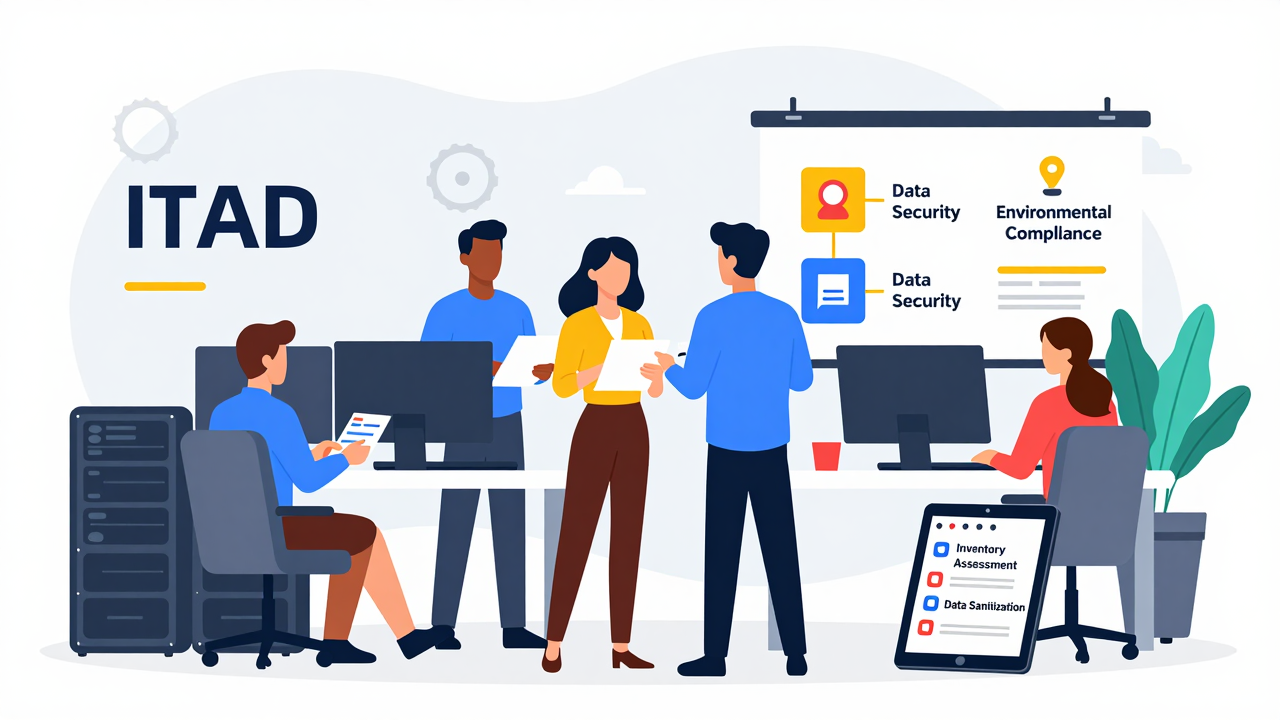
Implementing a thorough ITAD strategy can transform how you manage your IT assets while boosting data security, promoting environmental responsibility, and opening cost recovery opportunities.
By securely disposing of old equipment, you not only protect sensitive information but also reduce e-waste and recover funds through resale.
Start by partnering with a certified vendor to guarantee safe practices and compliance, making your organization a leader in responsible IT asset management.
https://www.youtube.com/watch?v=G1TDbBd8AN4
Enhanced Data Security
When you prioritize a thorough IT Asset Disposition (ITAD) strategy, you’re taking a significant step toward enhanced data security. By partnering with certified data destruction service providers, you guarantee secure data wiping, which reduces the risk of costly data breaches—averaging $3.86 million per incident.
Implementing a robust ITAD management program includes chain of custody protocols, enhancing transparency throughout the IT asset disposal process. Regular audits and documentation will prepare you for compliance checks, meeting regulations like GDPR and HIPAA.
Additionally, consider IT asset recycling for usable equipment, allowing you to recover value while maintaining security. By focusing on these steps, you create a strong foundation for protecting sensitive information and building trust among stakeholders.
Environmental Responsibility
A thorough IT Asset Disposition (ITAD) strategy can considerably enhance your organization’s environmental responsibility. By prioritizing IT asset disposal through sustainable recycling programs, you minimize e-waste and comply with e-waste regulations in many states. Proper management of hazardous materials protects ecosystems and human health, ensuring responsible practices.
Here’s a quick overview of how ITAD can benefit your organization:
| Benefit | Description | Impact |
|---|---|---|
| Sustainable Practices | Engages in corporate electronic asset recycling | Reduces waste and carbon footprint |
| Legal Compliance | Aligns with e-waste regulations | Mitigates legal risks |
| Circular Economy | Supports reuse and refurbishment | Decreases demand for new materials |
| Enhanced Reputation | Demonstrates commitment to sustainability | Boosts customer loyalty |
Implementing these actions helps create a more sustainable future for your organization and the planet.
Cost Recovery Opportunities
Cost recovery through a solid IT Asset Disposition (ITAD) strategy can greatly benefit your organization. By implementing an effective asset disposition strategy, you can recover up to 30% of your initial investment through IT asset resale.
Selling decommissioned equipment not only offsets new technology costs but also improves budget efficiency. Utilize IT asset recovery services to track valuable items like servers and high-end laptops, which can fetch several hundred dollars each.
Additionally, consider enterprise IT asset disposition solutions to minimize losses from poorly managed assets. Overall, enhancing your IT asset disposal services not only boosts cost recovery but also aligns with your sustainability goals, creating a win-win for your organization.
How ITAD Supports Environmental Sustainability
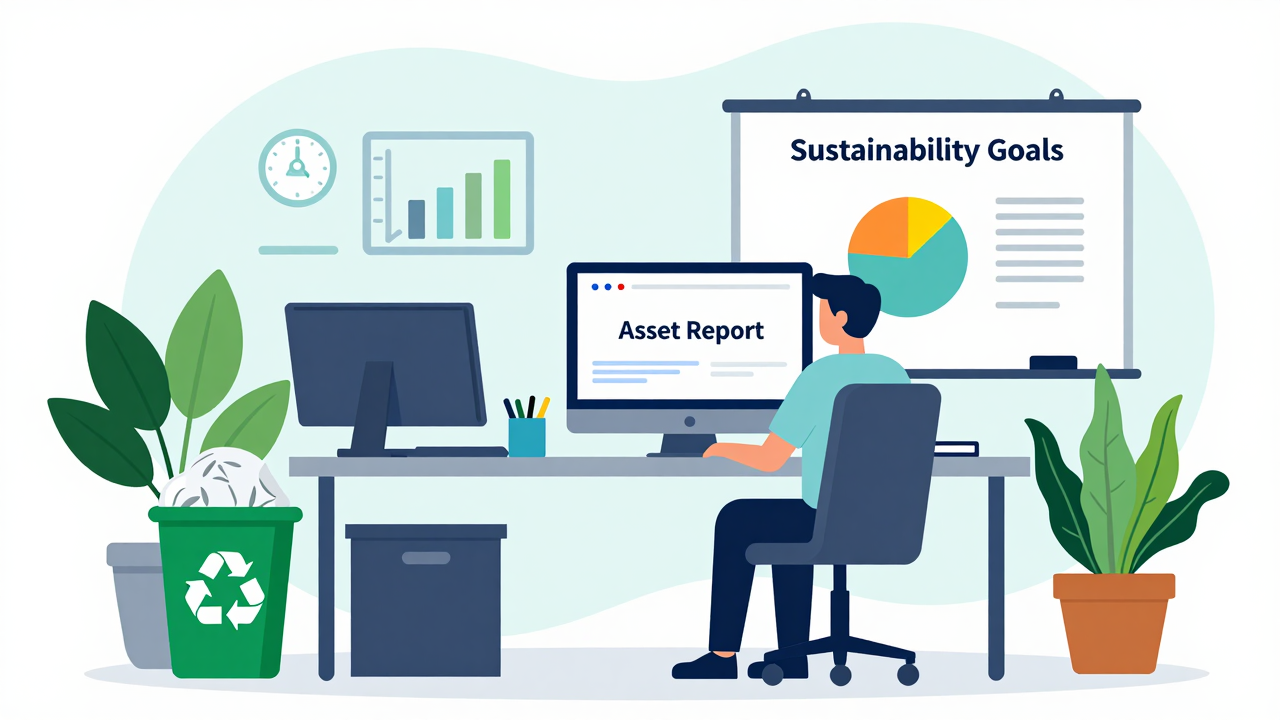
IT Asset Disposition (ITAD) plays an essential role in promoting environmental sustainability by greatly reducing e-waste and encouraging responsible disposal practices.
By implementing effective ITAD strategies, you can make a significant impact, including:
- Minimizing hazardous waste: Proper IT asset disposal guarantees harmful materials are recycled responsibly, protecting ecosystems and public health.
- Extending asset lifecycles: Through sustainable recycling programs, you can refurbish and resell IT equipment, reducing the need for new manufacturing.
- Complying with regulations: Following environmental laws in your ITAD process not only guarantees safe disposal but also aligns your organization with sustainability goals.
Adopting these responsible disposal practices not only benefits the environment but also supports ITAD asset recovery, allowing you to recover value from decommissioned equipment.
Steps to Create an Effective IT Asset Disposition Plan
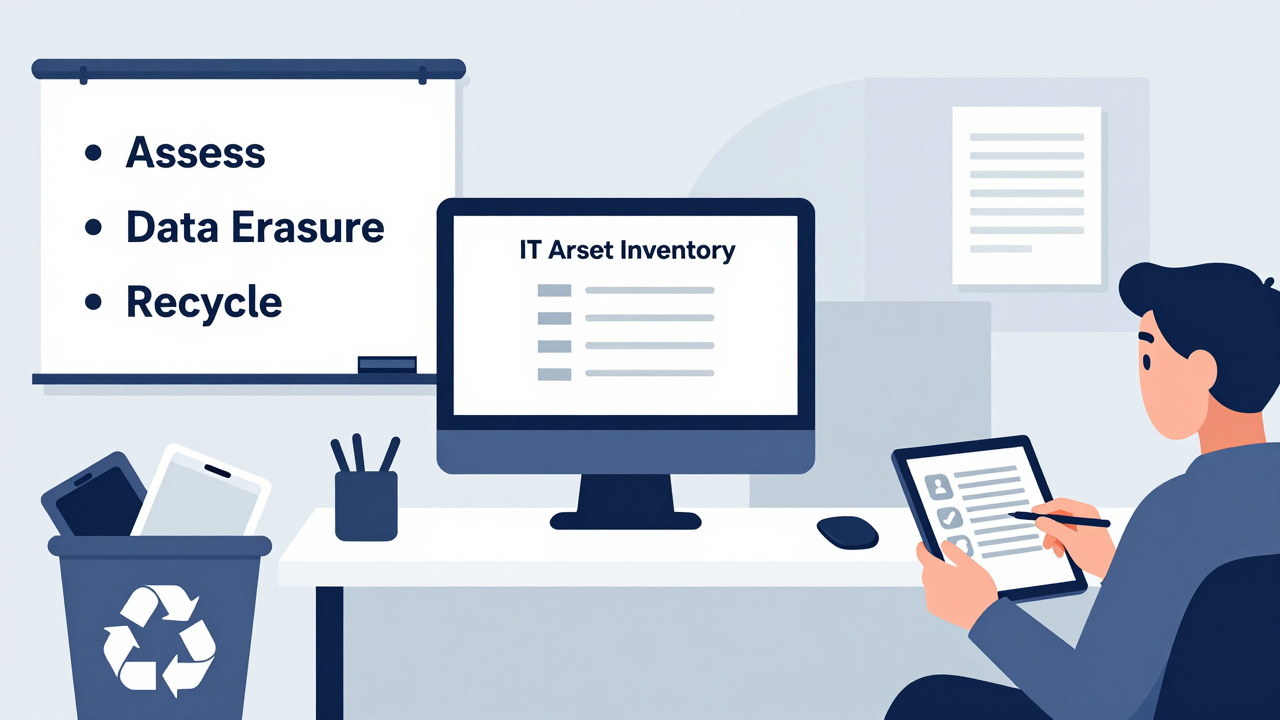
Creating an effective IT Asset Disposition (ITAD) plan starts with understanding the specific needs of your organization. First, assess your IT assets regularly to identify items eligible for disposal, ensuring compliance with regulations like GDPR and HIPAA.
Next, develop a clear ITAD policy that defines your standards for secure data wiping and recycling, along with logistics for asset movement and internal responsibilities.
Then, partner with certified ITAD service providers to guarantee secure data destruction methods, such as certified erasure and physical shredding.
Maintain detailed documentation throughout the ITAD process, including certificates of data destruction, to support compliance and audit readiness.
Finally, regularly review and update your ITAD plan to align with evolving regulatory requirements and sustainability goals. This proactive approach minimizes risks and maximizes asset recovery, ensuring your IT asset disposal process is both secure and efficient.
How to Choose the Right ITAD Partner
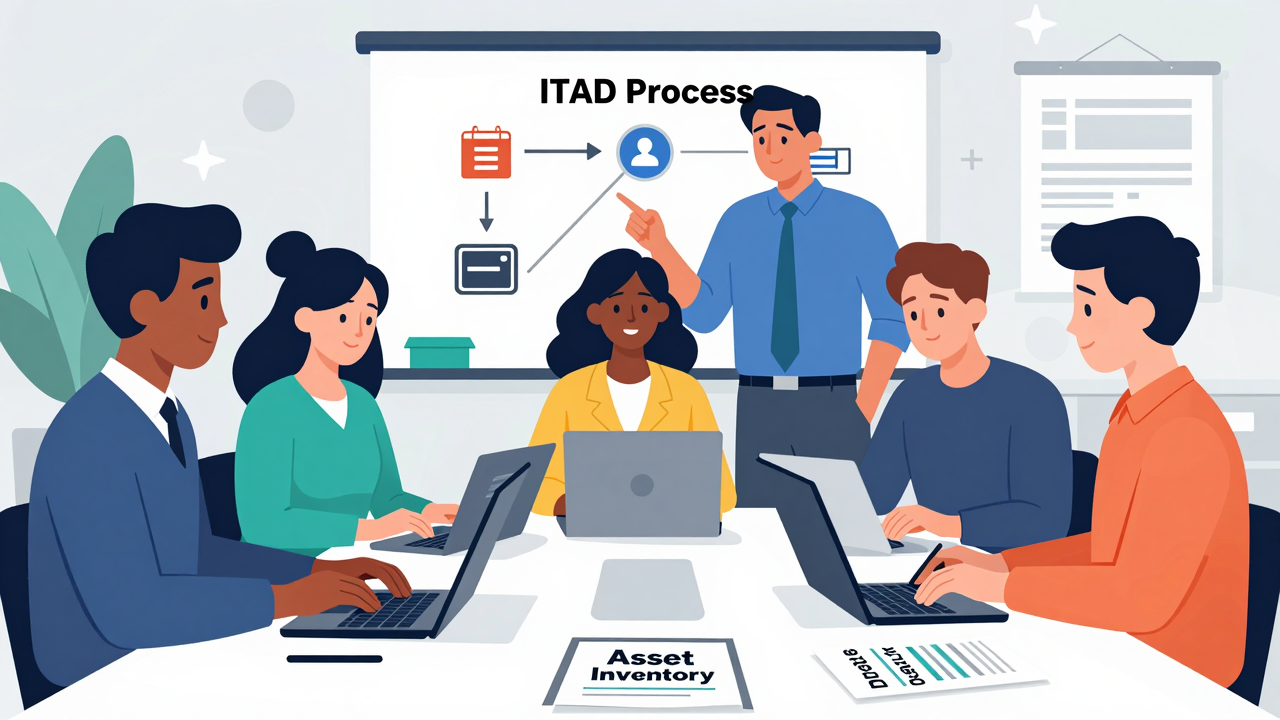
When it comes to choosing the right ITAD partner, what should you prioritize to guarantee a secure and compliant process? Here are three key factors to take into account:
- Certifications: Look for R2v3 and NAID AAA certified IT asset disposal companies, verifying they meet stringent data destruction and environmental standards.
- Experience: Assess the ITAD providers’ experience in managing e-waste and their methods for secure data wiping and recycling. This helps prevent potential data breaches.
- Documentation: Verify the data destruction service providers offer thorough documentation, including certificates of data destruction and chain-of-custody records, to maintain compliance and transparency.
Frequently Asked Questions
What Does Asset Disposition Mean?
Asset disposition refers to the secure and responsible process of managing outdated or unused IT equipment. This involves wiping data, recycling, reselling, or properly destroying devices.
To guarantee security, partner with a certified vendor for data destruction, implement chain of custody protocols, and stay updated on regulations.
What Is the IT Asset Disposition Process?
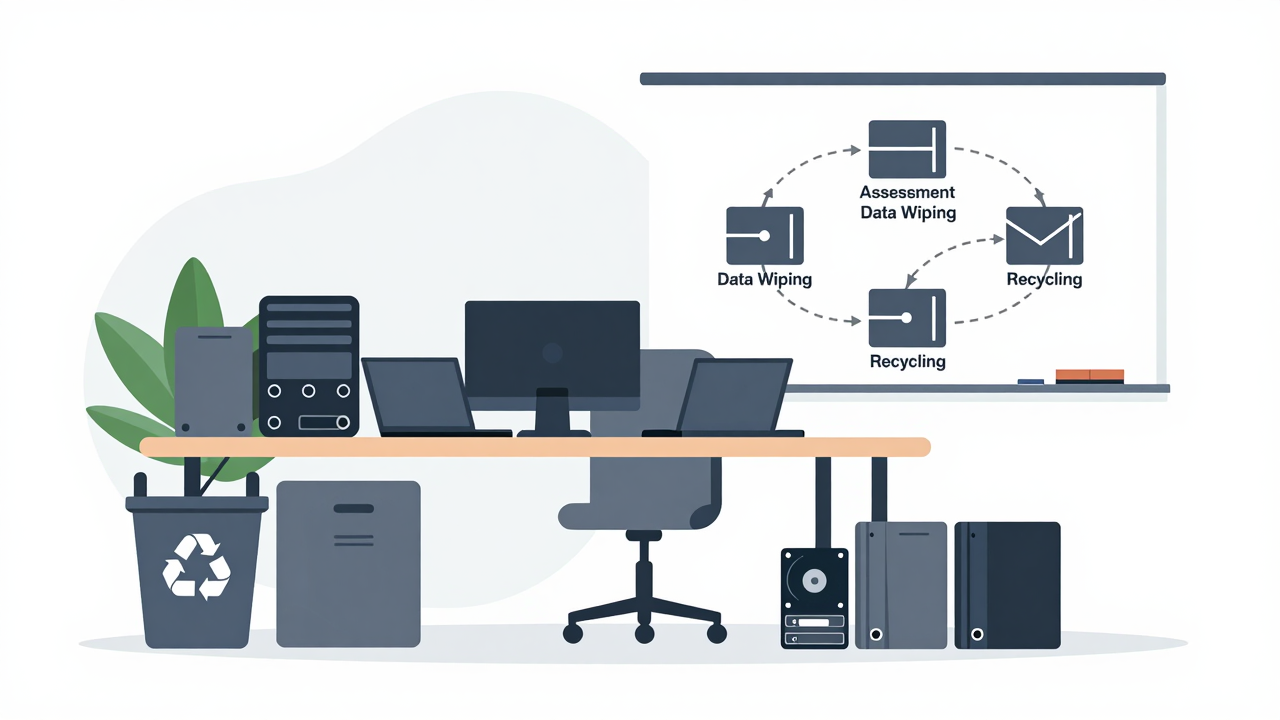
The IT asset disposition process starts with cataloging all your IT assets, evaluating their condition and resale value.
Next, guarantee secure data destruction by using certified methods to erase sensitive information.
Decide whether to refurbish, resell, donate, or recycle the equipment based on its viability.
Partner with a certified ITAD vendor for compliance and documentation.
[embedded content]
Finally, maintain records for audit readiness, ensuring you meet regulatory requirements throughout the process.
Why Is Asset Disposal Important?
Asset disposal is essential for protecting your organization and the environment. You need to guarantee secure data destruction to prevent breaches, which can cost millions.
Partner with a certified ITAD vendor to handle your outdated equipment properly. This way, you can recover value through resale and minimize e-waste.
Always document your disposal process for compliance and transparency. By doing this, you maintain data security and support sustainable practices, benefiting your business and the planet.
How Big Is the IT Asset Disposition Market?
The IT asset disposition market was valued at around $18.7 billion in 2020 and is expected to reach approximately $24.5 billion by 2026.
To leverage this growth, you should consider partnering with certified ITAD vendors for secure data destruction and compliance.
Assess your organization’s needs regularly, track asset turnover, and stay informed about e-waste regulations.
Prioritizing ITAD can enhance data security, recover costs, and support sustainability initiatives effectively.
Conclusion
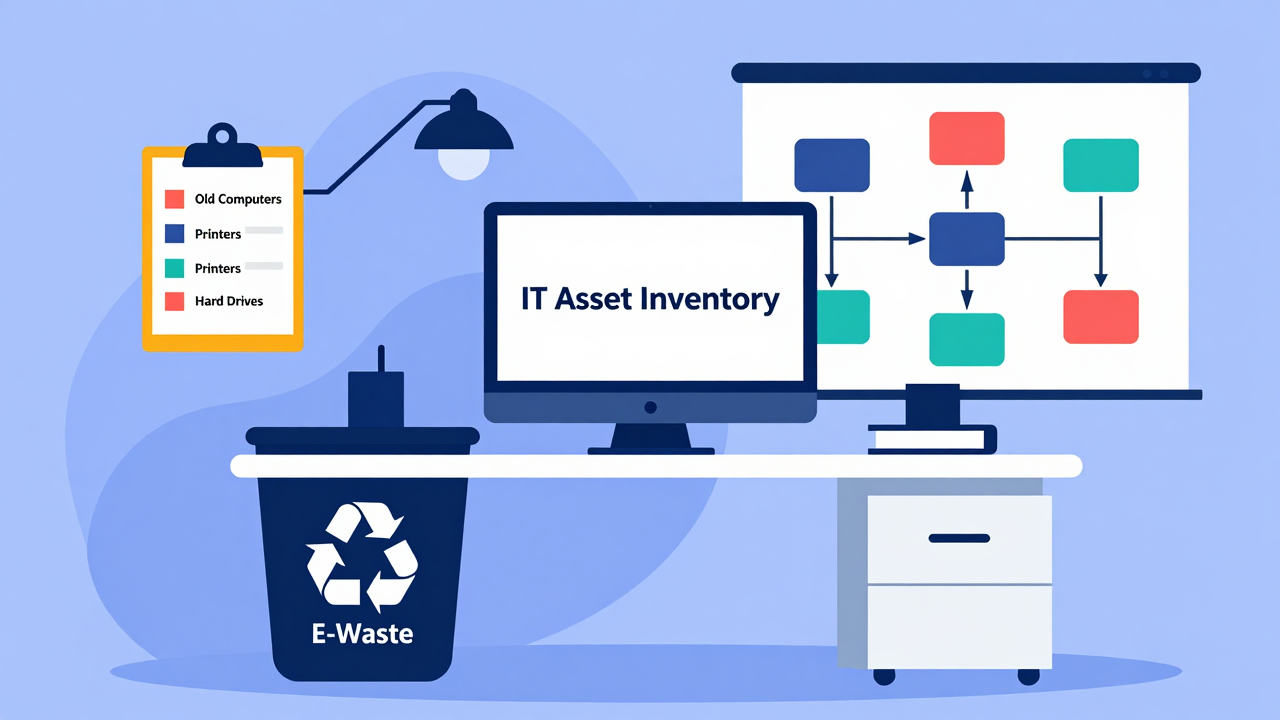
In conclusion, effective IT asset disposition is essential for protecting your data, complying with regulations, and supporting sustainability. To guarantee success, start by evaluating your current assets, creating a clear ITAD plan, and selecting a reliable ITAD partner. Regularly review and update your strategy to adapt to changes in technology and regulations. By taking these steps, you can minimize risks, recover value, and contribute positively to the environment while responsibly managing your IT assets.
Image via Google Gemini and Small Business Trends