

This post was originally published on this site.
Managing your time effectively is essential if you’re a busy professional. Start by identifying your time wasters—those activities that drain your day without adding value. Next, prioritize tasks using simple techniques, like listing them as A, B, or C based on urgency. Explore planning tools that suit your style to keep everything organized. By taking these steps, you can create a more structured schedule that allows for better focus. But what about those interruptions that constantly derail your progress?
Key Takeaways
- Identify and minimize time wasters like excessive email checking and social media to enhance productivity.
- Prioritize tasks using methods like the ABCDE technique or Eisenhower Matrix to focus on what matters most.
- Utilize planning tools that suit your preference, incorporating time-blocking features for effective scheduling.
- Set clear boundaries and communicate availability to reduce interruptions and maintain focus during work hours.
- Schedule regular breaks, employing techniques like the Pomodoro Technique, to recharge and prevent burnout.
Identify Your Time Wasters for Effective Time Management

Have you ever wondered where your time goes during a busy workday? Identifying your time-wasters is key to effective time management. Common culprits include excessive email checking, social media distractions, and unplanned meetings. These can consume up to 30% of your work hours, so it’s essential to tackle them.
Start by keeping a time log for a week; this helps pinpoint specific activities that drain your time. Once you identify these distractions, set boundaries. Designate specific times for checking email and engaging in social media to minimize interruptions.
Implementing these time management techniques can enhance your focus on vital tasks. Regularly review and adjust your priorities to guarantee you allocate your time effectively. This proactive approach not only reduces the impact of unforeseen distractions but also boosts your overall productivity.
With these steps, you’ll find that time management help can truly transform your workday.
Prioritize Your Tasks for Maximum Productivity

To maximize your productivity, you need to prioritize your tasks effectively.
Start by using methods like the ABCDE technique or the Eisenhower Matrix to categorize your to-do list, ensuring you focus on what’s truly important.
Regularly reassess your priorities, tackle high-impact tasks first, and watch your efficiency soar while reducing stress.
Importance of Task Prioritization
Prioritizing tasks is essential for maximizing your productivity and achieving your goals. Start by identifying which activities align best with your objectives.
Use frameworks like the ABCDE method to categorize tasks by importance. Focus on the critical and urgent items first, which can help you avoid feeling overwhelmed.
The Eisenhower Matrix is another useful tool; it helps you distinguish between urgent and important tasks, guiding you toward long-term success rather than just daily demands.
Regularly reassess your priorities to stay aligned with changing responsibilities. A well-prioritized task list not only reduces stress but also boosts your sense of accomplishment, enhancing your motivation and confidence in managing your workload effectively.
Methods for Effective Prioritization
Effective prioritization is the backbone of managing your workload efficiently. Start by using the ABCDE method, categorizing tasks into five levels of importance. This helps you focus on high-priority items first.
[embedded content]
You can also implement Covey’s Time Management Matrix to differentiate between urgent and important tasks, ensuring you allocate your time wisely. Consider the RICE scoring model, which evaluates tasks based on Reach, Impact, Confidence, and Effort, guiding you to projects that bring the greatest benefits.
Regularly reassess your priorities, as flexibility is essential. Finally, limit your daily focus to three key high-priority tasks. This strategy enhances productivity, reduces overwhelm, and promotes better quality work and task completion.
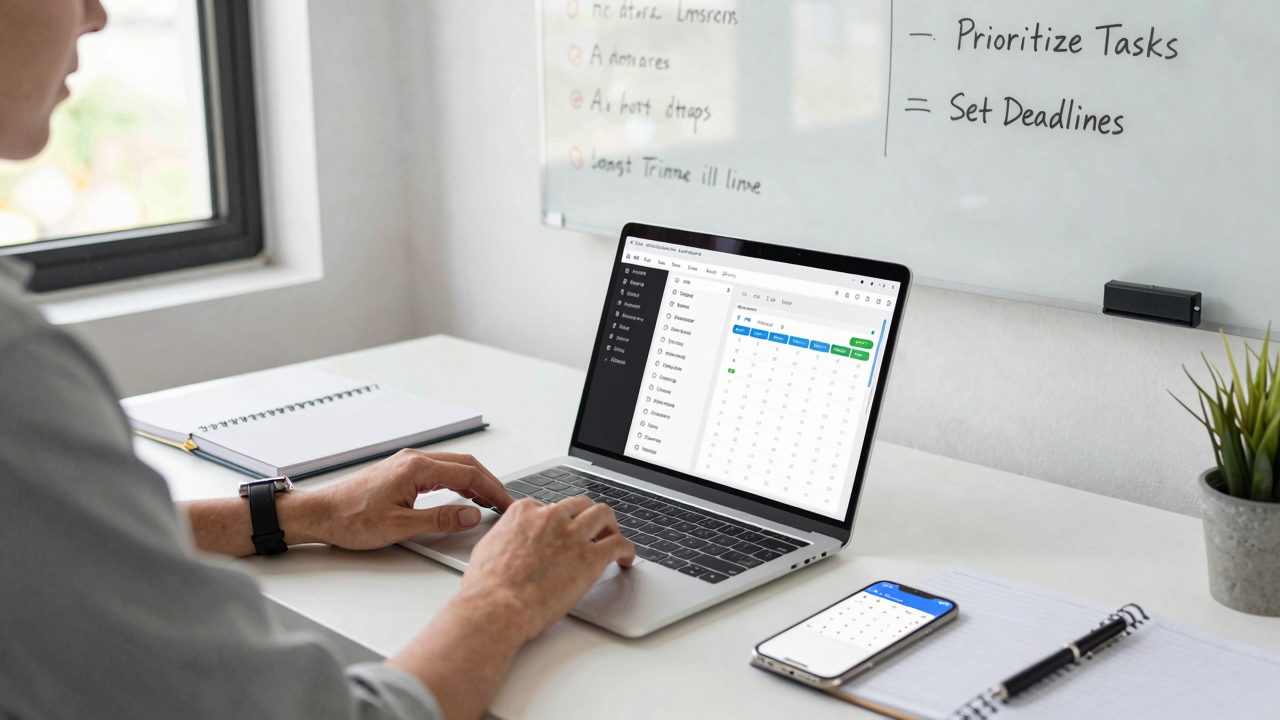
How can you choose the best planning tools to boost your productivity? Start by identifying whether you prefer digital apps, like Todoist, or physical planners. Each has its strengths, so experimenting with both can help you find what feels right.
Look for tools with time-blocking features; this allows you to schedule specific time slots for tasks, making your day feel less overwhelming.
Check for integrations with calendars and project management software, which can centralize your responsibilities in one place. Regularly review and update your chosen tool to adapt to changing priorities—this keeps your workflow optimized.
If you like minimalistic designs, lean toward simpler interfaces. For those who need thorough task management features, explore more detailed options.
Create a Realistic and Structured Schedule
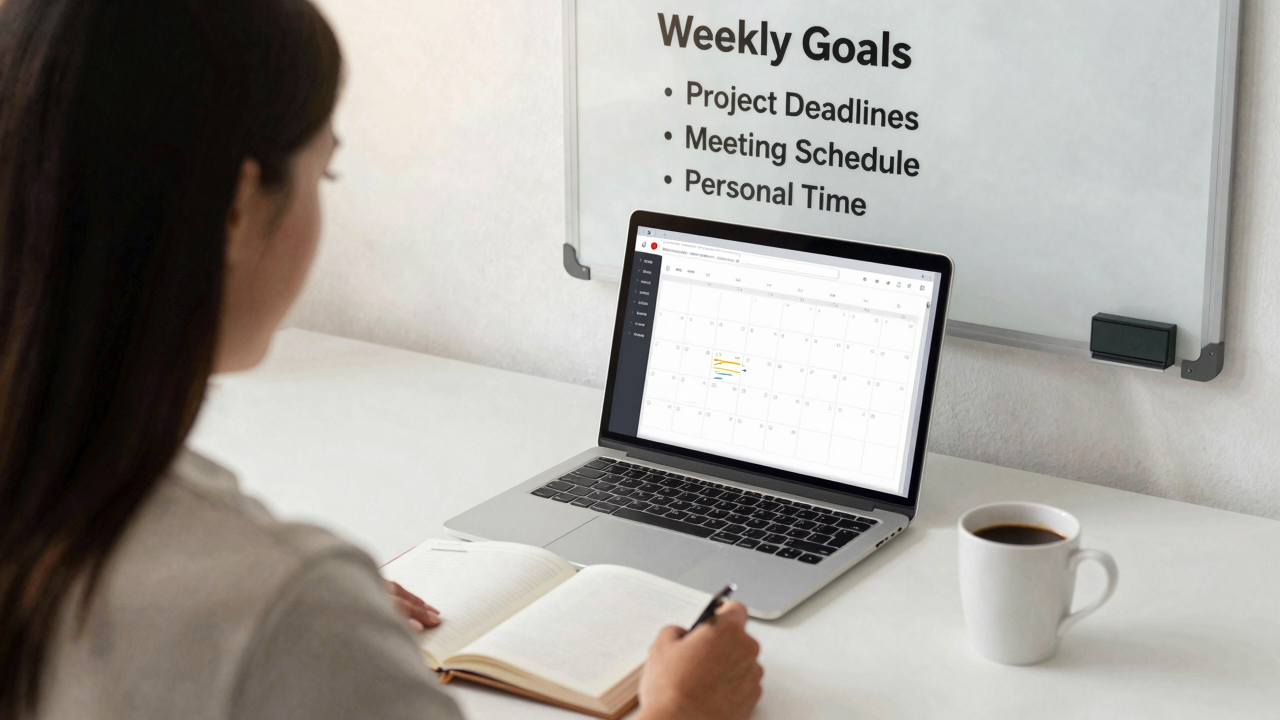
Creating a realistic and structured schedule can greatly enhance your productivity and work-life balance. Start by allocating specific time blocks for both work tasks and personal activities, guaranteeing you balance your daily responsibilities.
Consider using time-blocking techniques to enhance focus; dedicate uninterrupted periods to specific tasks, which can boost your overall productivity.
Don’t forget to incorporate regular breaks into your schedule. Short breaks can refresh your mind and help maintain concentration throughout the day.
Digital tools like Google Calendar or task management apps can help you create a flexible schedule, allowing you to quickly adjust as priorities change.
Finally, regularly review and tweak your schedule based on your productivity patterns and evolving commitments. This guarantees that your schedule remains realistic and aligned with your goals, helping you stay on track and avoid burnout.
Delegate Tasks to Free Up Your Time

After establishing a structured schedule, you can considerably enhance your productivity by delegating tasks that aren’t the best use of your time. This allows you to focus on high-priority responsibilities, improving both your efficiency and job satisfaction.
To delegate effectively, consider these steps:
- Identify Routine Tasks: Look for administrative duties or repetitive tasks that can be handled by others.
- Choose the Right People: Align tasks with team members’ strengths and interests to boost engagement and success rates.
- Provide Feedback: Regularly review delegated tasks and offer constructive feedback to foster accountability and continuous improvement.
Set Boundaries to Minimize Interruptions

To set boundaries and minimize interruptions, start by identifying your common distractions and communicating your availability clearly.
Let your colleagues and family know your work hours, so they understand when you’re focused and less available for casual chats.
You might also consider using tools like “Do Not Disturb” modes on your devices to keep notifications at bay during your most productive times.
Identify Common Distractions
Distractions can eat up to 28% of your workday, making it essential to identify and eliminate them. Common culprits include:
- Social media notifications
- Constant email alerts
- Unexpected visitors
To tackle these distractions, set specific times for checking emails and social media. This way, you won’t let constant notifications disrupt your focus.
Establish boundaries with colleagues and family by clearly communicating your availability, emphasizing the importance of uninterrupted work periods.
[embedded content]
Additionally, consider using technology to block distracting websites during work hours.
Finally, schedule regular breaks to recharge. Short breaks can enhance your concentration and productivity, making it easier to manage distractions effectively.
Take these steps, and you’ll reclaim valuable time in your day.
Communicate Availability Clearly
Setting clear boundaries is essential for minimizing interruptions in your workday. First, communicate your availability by setting specific work hours and break times. This helps colleagues know when they can reach out without disrupting your focus.
Use digital calendars to block off “do not disturb” periods, making it clear when you’re unavailable for meetings. Establish preferred channels for urgent queries, so non-urgent matters can wait until your designated times.
Regularly remind your team of these boundaries to reinforce their importance for productivity. Ultimately, model respect for personal time yourself; when you do, it encourages your colleagues to follow suit.
This approach not only improves your focus but also fosters a healthier work environment for everyone.
Schedule Breaks to Boost Productivity

Regularly scheduling breaks can greatly enhance your productivity and focus. By integrating short breaks into your work routine, you can recharge your mind and avoid burnout.
Here are some effective strategies to evaluate:
- Use the Pomodoro Technique: Work for 25 minutes, then take a 5-minute break. This keeps your concentration sharp and helps you stay engaged.
- Incorporate physical activities: Use your breaks to stretch or take a quick walk. This boosts your energy levels and enhances cognitive function.
- Set specific break times: Plan to take a break every 60 to 90 minutes. This structured downtime not only improves your performance but also promotes a better work-life balance.
Frequently Asked Questions

What Is the 3 3 3 Rule for Time Management?
The 3 3 3 Rule for time management involves selecting three key tasks to complete each day, breaking your time into three focused blocks.
Start by identifying your top three priorities. Then, allocate time for each task, ensuring you take breaks to recharge.
At the end of the day, reflect on your progress and adjust tomorrow’s tasks as needed.
This method keeps your workload manageable and helps you stay organized without feeling overwhelmed.
What Are the 5 P’s of Time Management?
The 5 P’s of time management are Purpose, Plan, Prioritize, Perform, and Post-Evaluation.
Start by defining your purpose to align tasks with your goals. Next, create a detailed plan outlining daily and weekly tasks.
Then, prioritize them using methods like the ABCDE technique. Perform your tasks with focus, minimizing distractions.
Finally, regularly evaluate your performance to identify improvements. This approach helps you stay organized and enhances your overall productivity.
[embedded content]
How to Master Time Management Tips for Busy People?
To master time management, start by prioritizing tasks using the ABCDE technique—label them based on urgency and importance.
Next, implement time-blocking: set specific periods for each task to limit distractions.
Use the Pomodoro Technique, working for 25 minutes followed by a 5-minute break.
Regularly review your strategies and adjust as needed.
Finally, leverage apps for task management and calendars to stay organized and meet deadlines effectively.
What Are the 5 Tips in Effective Time Management?
To manage your time effectively, follow these five tips:
First, prioritize tasks using the ABCDE method.
Next, create a schedule with time-blocking to allocate specific time for each task.
Third, limit distractions by turning off notifications and setting boundaries.
Fourth, set SMART goals to keep your tasks focused and measurable.
Finally, reflect and adjust your strategies regularly to improve your efficiency and adapt to what works best for you.
Conclusion

To boost your productivity and manage your time better, start by identifying what wastes your time. Prioritize tasks using methods like the ABCDE technique, and find planning tools that suit your style. Create a structured schedule, delegate when possible, and set clear boundaries to reduce interruptions. Don’t forget to schedule regular breaks to recharge. By applying these strategies, you’ll navigate your workload effectively and achieve a more balanced work-life dynamic.
Image via Google Gemini and Small Business Trends