

This post was originally published on this site.
When you’re considering investing in a franchise, understanding profitability is key. Start by evaluating essential metrics like Average Unit Volume and owner earnings. Look at strong brands, especially in quick-service restaurants, as they often provide better ROI. Explore emerging sectors like home services or fitness, where startup costs are lower. To make informed decisions, gather insights from current franchisees. Next, you’ll want to identify common pitfalls and how to avoid them.
Key Takeaways
- The top franchises typically achieve an ROI between 15% to 25% annually, indicating strong profitability potential.
- Quick-Service Restaurants (QSRs) like Chick-fil-A and McDonald’s show high Average Unit Volumes (AUV), enhancing revenue prospects.
- Home service and senior care franchises are emerging with reliable income streams and relatively low startup costs.
- Comprehensive franchise support, including training and marketing assistance, significantly boosts operational efficiency and profitability.
- Future trends indicate growth in recession-resilient sectors, with franchise ownership satisfaction impacting brand reputation and retention.
Understanding Franchise Profitability

Understanding franchise profitability is essential if you want to make informed investment decisions.
To evaluate potential franchises, focus on key metrics like average unit volume (AUV) and owner earnings. AUV reflects annual franchise revenue but doesn’t guarantee profit margins. Aim for a strong return on investment (ROI) between 15% to 25% annually, as this indicates solid performance.
Look for franchises with a sales-to-investment ratio above 2:1, suggesting effective revenue generation relative to your initial investment. Most profitable franchises 2020 often meet these criteria.
Additionally, analyze the break-even timeline, which typically ranges from 12 to 36 months, depending on the business model. Review multiple financial metrics, including gross profit margin and operational costs, to compare franchises effectively.
Essential Metrics for Franchise Profitability Assessment

When you’re evaluating franchise profitability, focus on key financial metrics like ROI and profit margins.
Start by calculating your Return on Investment, aiming for that sweet spot between 15% and 25% annually.
Don’t forget to analyze your Average Unit Volume alongside owner earnings to get the full picture of your franchise’s financial health.
Key Financial Metrics
Key financial metrics are essential for evaluating the profitability of a franchise opportunity. Start by looking at the Return on Investment (ROI), which usually ranges from 15% to 25% annually for successful franchises.
[embedded content]
Next, consider the Average Unit Volume (AUV); while it shows annual revenue, it doesn’t reflect owner earnings, so dig deeper. Aim for a sales-to-investment ratio above 2:1 to identify a potentially profitable franchise.
Also, check the break-even timeline, typically between 12 to 36 months, indicating a quicker path to profitability.
Finally, note that gross profit margins vary: service-based franchises often exceed 40% to 50%, while restaurant franchises usually see 25% to 35%.
Use these metrics to guide your decisions effectively.
ROI and Profit Margins
ROI and profit margins serve as vital indicators for evaluating the profitability of a franchise. To make informed decisions, consider these essential metrics:
- ROI: Most franchises offer a return on investment between 15% and 25% annually.
- Sales-to-Investment Ratio: A strong ratio is above 2:1, indicating effective revenue generation.
- Gross Profit Margins: Service-based franchises often exceed 40% to 50%, while restaurants range from 25% to 35%.
- Break-Even Timeline: Most franchises recover initial investments within 12 to 36 months.
- Franchise Disclosure Document (FDD): Review Item 19 for significant financial performance data, such as average revenue and profit margins.
Break-Even Analysis
Understanding the break-even analysis is essential for evaluating the profitability of a franchise. Typically, you’ll want to aim for a break-even timeline of 12 to 36 months. This helps you gauge how long it’ll take to recoup your initial investment.
A strong sales-to-investment ratio is over 2:1, meaning for every dollar you invest, aim to generate at least two in sales.
Monitor your return on investment (ROI), which should ideally sit between 15% and 25% annually. Gross profit margins are key too; service-based franchises often achieve margins above 40%.
Finally, track multiple financial metrics like average unit volume and operational costs. These steps will help you make informed decisions and assess your franchise’s profitability effectively.
The Role of Brand Recognition in Franchising Success

When you consider venturing into the world of franchising, brand recognition plays an essential role in your potential success. A strong brand can attract customers and boost your revenue considerably.
Here are some key points to keep in mind:
- Consumer Trust: Familiar brands like McDonald’s and Chick-fil-A inspire confidence, leading to higher sales.
- Faster Profitability: Well-known names can help you reach profitability quicker since customers prefer recognized options.
- Marketing Support: Established brands often invest heavily in advertising, enhancing your visibility and customer reach.
- Competitive Advantage: A strong brand identity can set you apart from lesser-known competitors in crowded markets.
- Sales Impact: Franchises with solid brand recognition, like Chick-fil-A, achieve impressive average unit volumes, reflecting the financial benefits.
In short, prioritize brand recognition when choosing a franchise to maximize your chances of success.
Top Quick-Service Restaurants for Maximum Profit

Quick-Service Restaurants (QSRs) stand out as some of the most profitable franchise options available today. If you’re considering entering this market, look at leaders like Chick-fil-A, which boasts an average unit volume (AUV) of about $9.3 million. McDonald’s trails closely with an AUV of around $3.97 million.
Many QSRs also report gross profit margins between 25% and 35%, which is attractive for franchisees.
To maximize your investment, recognize that the break-even period typically ranges from 12 to 36 months, allowing quicker returns than other sectors. Focus on franchises that meet today’s consumer demand for convenience and speed.
With the ongoing growth in the QSR segment, your chances of success increase considerably. Research various franchises, evaluate their performance metrics, and consider locations with high foot traffic to enhance profitability.
Taking these steps can set you on a path to financial success in the QSR industry.
High-Profit Home Service Franchises
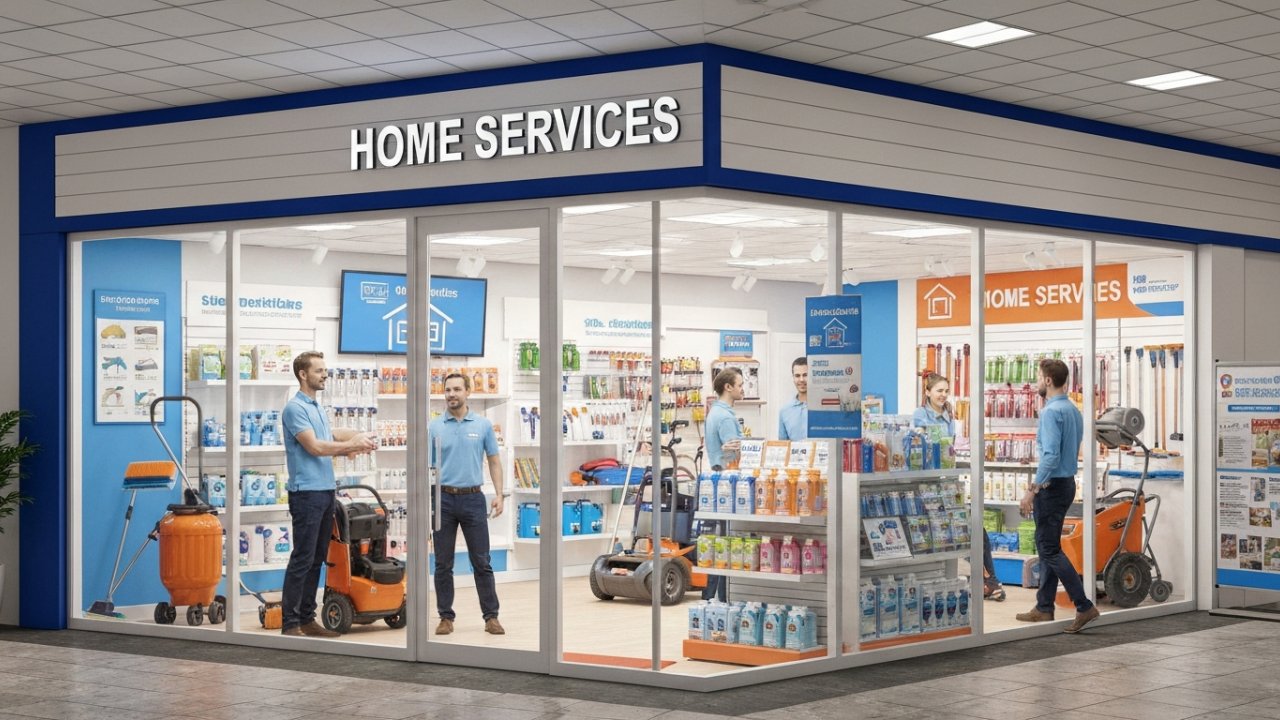
Home service franchises offer a solid investment opportunity, especially for those seeking reliable income streams. These franchises meet ongoing home maintenance needs, making them consistently in demand.
Consider the following key points when evaluating this sector:
- Average gross revenues often exceed $2 million per location.
- Initial investments typically range from $50,000 to $300,000.
- Break-even timelines usually fall within 12 to 36 months.
- Many franchises, like Homewatch CareGivers, show resilience during economic downturns.
- Established brands provide essential training and operational support.
Top Fitness and Wellness Franchises

The fitness and wellness franchise sector is thriving, with opportunities that can lead to significant returns. Franchises like Anytime Fitness and OrangeTheory are expanding rapidly, offering community-focused models that attract loyal customers.
With the U.S. fitness industry generating about $30 billion annually, there’s a clear demand for health services.
If you’re considering entry, many franchises have low startup costs, ranging from $50,000 to $250,000, making it easier for you to invest. Focus on those with recurring revenue models, such as membership fees, for consistent income.
Also, franchises like Snap Fitness are riding the wave of personal training and group classes, which boosts customer retention rates.
To maximize your success, research different franchises, visit locations, and engage with current franchisees. This will give you insights into operations and community engagement, helping you make an informed choice.
Senior Care Franchises: A Growing Profit Opportunity

As the fitness and wellness industry grows, another sector is emerging as a significant opportunity for entrepreneurs: senior care franchises. With the aging population, the demand for in-home care services is soaring, making this a lucrative field for you to explore.
Here’s why you should consider entering this market:
- The senior care industry is worth about $300 billion.
- Franchises often have recession-resilient business models, ensuring steady demand.
- Average gross revenue can reach around $2.6 million per location.
- Many franchises require a low initial investment, often starting at about $50,000.
- The need for personalized, compassionate care continues to rise.
Profitable Automotive Service Franchises

When considering profitable automotive service franchises, you should focus on key profitability metrics, investment costs, and returns.
For instance, franchises like Christian Brothers Automotive can generate impressive average sales, while requiring an investment that often pays off within a few years.
Understanding the support systems these franchises provide can help you make informed decisions and maximize your potential for success.
Key Profitability Metrics
Understanding key profitability metrics is essential for anyone contemplating an investment in automotive service franchises. These metrics help you evaluate potential success and make informed decisions.
Here are some vital factors to take into account:
- Average Sales: Locations like Christian Brothers Automotive report around $2.80 million in sales.
- Initial Investment: Costs can range from $50,000 to $645,000, depending on the brand.
- Vehicle Age: With an average age over 12 years, the demand for repairs is steady.
- Break-even Point: Many franchises reach this within 12 to 36 months.
- Gross Margins: Expect margins between 40% and 50%, indicating strong profitability.
Investment and Returns
Investing in automotive service franchises can yield impressive returns, especially when you know what to look for. Consider brands like Christian Brothers Automotive, which report average sales of $2.80 million per location, requiring an investment of $530K to $645K.
If you’re looking for lower startup costs, franchises like Meineke and Midas offer options between $100K and $200K.
With the average vehicle age exceeding 12 years, you’ll find a steady demand for maintenance services. Many franchises break even within 12 to 36 months, making them attractive choices.
Keep in mind that gross profit margins typically range from 40% to 50%, enhancing their appeal as solid investment opportunities in the franchise sector.
Franchisee Support Systems
Franchisee support systems play a pivotal role in the success of automotive service franchises. These systems help you thrive in a competitive market, allowing you to focus on operational excellence. Here’s what you can expect:
- Comprehensive Training: Get hands-on training to master complex service offerings.
- Ongoing Operational Support: Receive continuous guidance to streamline your processes.
- Marketing Assistance: Leverage brand strategies to attract customers effectively.
- Financial Planning: Access resources to manage your finances and forecast profits.
- Networking Opportunities: Connect with other franchisees for shared insights and best practices.
With franchises like Christian Brothers Automotive, which average $2.80 million in sales, you can see the potential for profitability.
A solid support system is essential to navigate challenges and achieve success.
Business Services and Shipping Franchises to Watch
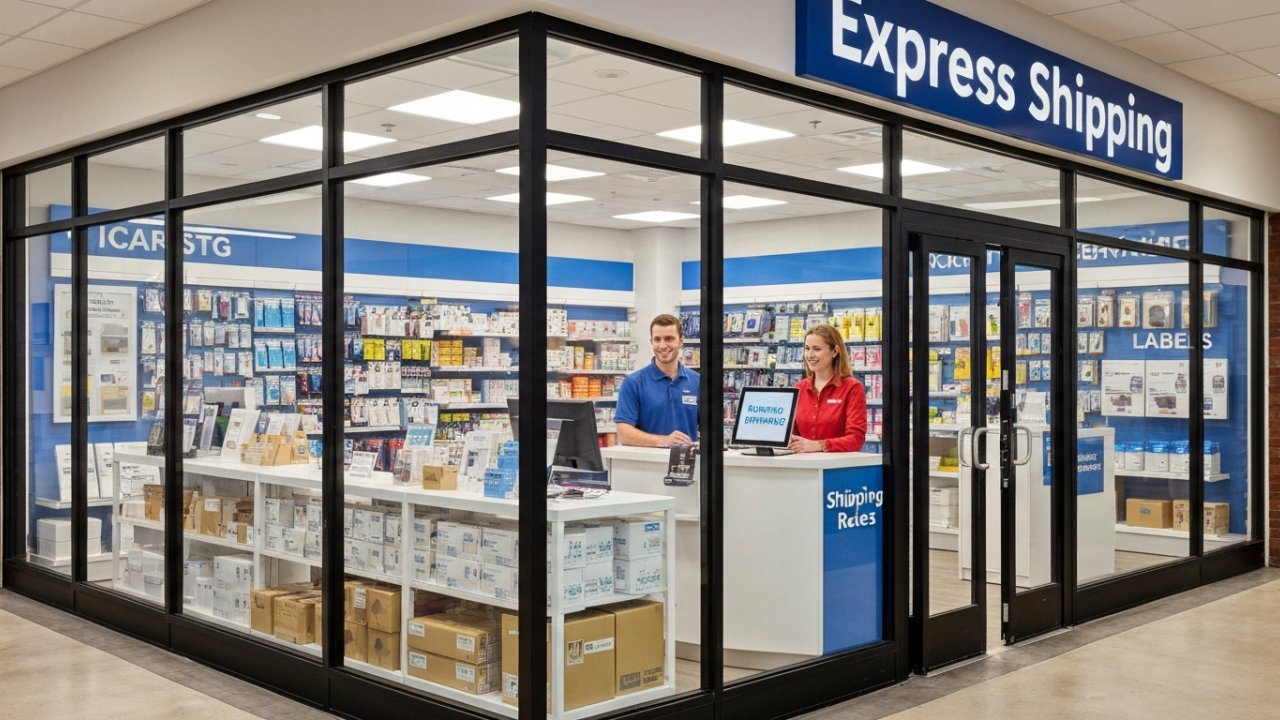
In the competitive world of franchises, business services and shipping options like The UPS Store and FASTSIGNS stand out as solid choices for aspiring entrepreneurs.
These franchises enjoy strong profitability, with The UPS Store averaging over $700,000 in sales per location. Their recurring revenue models keep services like printing, shipping, and business support in constant demand.
You’ll find the initial investment typically ranges from $150,000 to $300,000, and many offer financing options to ease your entry.
[embedded content]
Look for a sales-to-investment ratio above 2:1, which signals strong potential returns. With lower operational complexity and established brand recognition, these franchises provide stability and growth opportunities.
If you’re ready to engage, research each franchise’s offerings, consider your local market, and assess your financial readiness.
Aligning your skills with these profitable models can set you up for long-term success.
Top Real Estate Franchises for Profit

When considering real estate franchises, look closely at leading brands like Keller Williams and RE/MAX, which dominate the market.
These franchises not only offer strong commission structures but also benefit from brand recognition, helping you build client trust.
To maximize your profitability, focus on key factors such as initial investment, recurring income potential, and the support these franchises provide to their agents.
Leading Real Estate Brands
Choosing the right real estate franchise can greatly impact your profitability and success. Here are some leading brands you should consider for a profitable venture:
- Keller Williams: Franchisees report average annual earnings over $150,000, backed by extensive training and resources.
- RE/MAX: Known globally, many locations achieve sales volumes of $1 million or more, thanks to a strong commission structure.
- Coldwell Banker: With over 3,000 offices worldwide, franchisees benefit from a thorough tech platform that boosts client engagement.
- Century 21: Offers robust marketing support, helping franchisees excel in residential real estate transactions.
- EXIT Realty: Features a unique model that allows ongoing commissions from agents, enhancing long-term profitability.
Consider these options carefully to maximize your investment.
Key Profitability Factors
Understanding the key profitability factors in top real estate franchises can greatly enhance your investment strategy. Look for franchises like Keller Williams and RE/MAX, which dominate the market due to strong brand recognition and extensive training support. Their average annual revenue can exceed $1 million per location, primarily from service fees and commissions.
Consider the recurring income model through property management services, which offers stable cash flow. Be prepared for an initial investment between $50,000 and $100,000, with potential ROI between 15% and 25% annually.
Finally, stay aware of the growing demand for real estate services, especially in property management and investment, as these trends suggest that franchises in this sector are well-positioned for continued growth and profitability.
High-Profit Low-Cost Franchises

If you’re looking to invest in a franchise without breaking the bank, high-profit low-cost franchises present a compelling option.
These franchises typically require minimal startup costs while offering robust returns. Here are some attractive choices:
- Dream Vacations: Startup costs range from $2,000 to $21,000, with strong support systems.
- Cruise Planners: Similar low investment, providing high profitability potential.
- Jazzercise: Starts under $40,000, leveraging a proven fitness model for quick returns.
- Five Star Painting: A scalable model in home improvement, though initial costs can be higher.
- Mr. Appliance: Service-based, often achieving gross margins of 40% to 50%.
Best Franchises Under $50,000 to Start

If you’re looking to start a franchise without breaking the bank, there are several great options under $50,000.
Consider brands like Dream Vacations and Cruise Planners for low initial investments in the travel sector, or Jazzercise for a fitness-focused venture.
These franchises not only require minimal upfront costs but also offer quick return potential, making them ideal for new entrepreneurs like you.
Low Investment Opportunities
Looking to invest in a franchise without breaking the bank? You can find several low-investment opportunities that offer great potential. Here are some options under $50,000:
- Dream Vacations: Startup costs range from $2,000 to $21,000, tapping into the travel industry.
- Jazzercise: With costs starting under $40,000, it caters to the growing fitness market.
- Cruise Planners: Similar entry costs to Dream Vacations, with solid support for franchisees.
- dClutterfly: Focuses on home organization with a maximum investment of $50,000.
- Mr. Appliance: While slightly higher in investment, it opens doors in the service industry.
Evaluate these options carefully, and choose the one that aligns with your skills and interests for a successful start.
Quick Return Potential
Franchising can be a smart way to jump into business, especially when you’re eyeing quick returns with low startup costs.
Consider franchises like Dream Vacations or Cruise Planners, which require just $2,000 to $21,000 to start but can yield significant revenue.
If fitness interests you, Jazzercise starts under $40,000, tapping into the booming health market.
For home organization, check out dClutterfly with startup costs around $50,000.
If education is your focus, Mathnasium Learning Centers needs a minimum investment of $50,000, aligning with the growing demand for math support.
Many of these franchises can break even within 12 to 36 months, making them attractive options for entrepreneurs looking for quick returns.
How Does Franchise Support Boost Your Profits?

How does effective franchise support lead to higher profits for you? When you invest in a franchise, strong support systems can greatly enhance your profitability. Here’s how:
- Comprehensive training helps you avoid common startup mistakes, improving efficiency.
- Ongoing marketing assistance leverages brand recognition, boosting sales and customer loyalty.
- Networking with fellow franchisees allows for sharing best practices, creating opportunities for increased revenue.
- Bulk purchasing agreements negotiated by franchisors lower your operational costs, enhancing profit margins.
- Continuous operational support and performance analytics guide you in identifying growth opportunities, optimizing your strategies.
Emerging Trends in Franchise Ownership

As you explore the world of franchise ownership, staying informed about emerging trends can give you a competitive edge. The franchise sector is projected to grow at 2.5% by 2025, fueled by increased consumer demand.
Pay attention to industries like home services and senior care, as they’re thriving due to demographic shifts. You might want to contemplate franchises with recurring revenue models, especially in fitness and home healthcare, since they cater to ongoing consumer needs.
Low-cost franchises, such as Dream Vacations and Cruise Planners, are also gaining traction, requiring only $2,000 to $21,000 in initial investment while offering solid support.
Finally, embrace data-driven decision-making. Use key financial metrics like average unit volume (AUV) and return on investment (ROI) to evaluate opportunities effectively. Keeping these trends in mind will help you make informed choices in your franchise journey.
Exploring Financing Options for Your Franchise

When you’re ready to plunge into franchise ownership, figuring out how to finance your investment can feel overwhelming. However, understanding your options can make the process smoother.
Here are some common financing routes to evaluate:
- SBA Loans: These government-backed loans often have favorable terms.
- Conventional Bank Loans: Traditional banks may offer competitive rates but require a solid credit history.
- Alternative Business Loans: These can provide quicker access to funds, though they might come with higher interest rates.
- Equipment Financing: This option helps cover the costs of necessary equipment, allowing you to spread payments over time.
- Fundwell: Utilize this platform to compare multiple financing options through a single application, simplifying your search.
Make sure to review the Franchise Disclosure Document (FDD), especially Item 19, for insights into potential profitability.
Identifying red flags can also help you avoid financial pitfalls.
Understanding Franchise Disclosure for Profitable Ventures

Understanding franchise disclosure is essential for anyone looking to invest in a profitable venture. The Franchise Disclosure Document (FDD) is your key resource. It includes vital financial performance data, especially in Item 19, which shows average revenue and profit margins. Transparent financial data often indicates a more reliable investment. If you find a lack of Item 19 information, consider this a red flag and dig deeper.
Here’s a quick overview of key FDD items to evaluate:
| FDD Item | What It Covers |
|---|---|
| Item 5 | Initial investment requirements |
| Item 19 | Financial performance data |
| Item 21 | Franchisee obligations and fees |
You should receive the FDD at least 14 days before any contract signing. Use this time to analyze the financial and operational details, ensuring you make an informed decision.
Franchisee Testimonials: Real Experiences and Insights

Franchisee testimonials provide valuable insights that can guide your decision-making.
By hearing success stories, you’ll understand how others overcame challenges and the lessons they’ve learned along the way.
Engaging with these real experiences helps you build a clearer picture of what to expect and how to thrive in your franchise journey.
Success Stories Shared
Many successful franchisees have shared their stories, highlighting the real-world benefits of joining a franchise system.
These testimonials reveal key insights that can guide your decision-making process:
- Strong support systems: Franchisees from Mr. Rooter Plumbing appreciate the brand’s assistance and customer service.
- High revenue potential: Homewatch CareGivers franchisees report an average gross revenue of $2,599,498, showcasing profitability.
- Growing demand: Code Ninjas owners value the increasing interest in STEM education and the proprietary curriculum.
- Multiple income streams: Glass Doctor franchisees benefit from various revenue opportunities and robust training.
- Scalability: Fresh Coat franchisees emphasize how their model allows them to expand and explore new avenues.
Consider these factors to evaluate which franchise aligns best with your goals.
Overcoming Challenges Together
When you face challenges as a franchise owner, tapping into your franchisor’s support system can make a significant difference. Many franchisees have found that leveraging training, marketing assistance, and networking opportunities helps them thrive. Engaging with other franchise owners fosters a collaborative environment, making it easier to tackle common issues. Additionally, utilizing feedback mechanisms, like satisfaction surveys, can address concerns and improve operations.
| Key Support Areas | Benefits |
|---|---|
| Training | Enhances skills and boosts confidence |
| Networking | Builds relationships and shares solutions |
| Feedback Mechanisms | Identifies issues and improves practices |
Lessons Learned Through Experience
While starting a franchise can be exciting, real experiences from seasoned owners reveal that practical insights often make the difference between success and struggle.
[embedded content]
Here are key lessons learned:
- Review the Franchise Disclosure Document (FDD): Pay special attention to Item 19 for financial performance data.
- Seek strong franchisor support: Training and resources can help you tackle initial challenges.
- Network with other franchisees: Sharing insights fosters community and collaboration.
- Conduct thorough location analysis: Market research is essential for determining profitability.
- Evaluate startup costs carefully: Assess the balance between costs and potential revenues, as lower-cost franchises can be profitable when managed well.
Common Pitfalls to Avoid in Franchise Ownership

Owning a franchise can be rewarding, but it’s easy to stumble into common pitfalls that can jeopardize your investment. First, do thorough research before signing anything. Review the Franchise Disclosure Document (FDD) and Item 19 to understand financial performance clearly.
Next, connect with existing franchisees—ignore their feedback at your peril. They can provide valuable insights into support and potential challenges.
Don’t underestimate costs; ongoing fees and additional expenses can hit hard in the first few years. Make sure you factor these into your budget.
Choosing the right location is vital, so analyze demographics and competition carefully. A poor choice can severely impact your sales potential.
Finally, resist any pressure to sign quickly. Take your time to evaluate each opportunity thoroughly; rushing can lead to regrettable decisions.
The Future of Franchising: What to Expect

The landscape of franchising is evolving, and understanding future trends can help you stay ahead. As you consider your franchise journey, keep these key points in mind:
- The franchise sector is projected to grow at 2.5% in 2025, indicating solid opportunities.
- Franchise ownership satisfaction is vital, affecting brand reputation and retention.
- Data-driven decisions will dominate, so prioritize financial evaluations and transparency.
- By 2026, top franchises will be identified through unbiased franchisee satisfaction surveys, highlighting the importance of owner feedback.
- There’s a growing demand for franchises in recession-resilient sectors like home services and senior care.
Steps to Launching Your Own Franchise

Launching your own franchise involves several key steps that can pave the way for success. First, research potential franchises thoroughly, focusing on the Franchise Disclosure Document (FDD). Pay special attention to Item 19 for financial performance data, which helps you assess profitability.
Next, verify you meet the minimum cash requirements and net worth criteria set by the franchisor, which can range from $30,000 to $250,000.
Evaluate the total initial investment, including franchise fees and startup costs, as these vary considerably by franchise type. Attend the mandatory training provided by the franchisor; this training is essential for gaining operational knowledge and support.
Finally, consider financing options, like SBA loans or alternative business loans, to secure funding. Many franchises also offer assistance in comparing financing solutions, so take advantage of that. Following these steps will set you on the right path to franchise ownership.
Frequently Asked Questions

What Franchise Can I Start With $100,000?
You can start a franchise like Mr. Rooter Plumbing or Boost Home Healthcare with $100,000. Both offer strong brand recognition and tap into essential services.
Consider Five Star Painting if you prefer a lower investment, around $82,200, focusing on residential and commercial projects.
Research each franchise’s requirements, evaluate their support systems, and assess your local market.
Reach out to existing franchisees for insights, and prepare a solid business plan to guide your investment.
Which Franchise Is Most Profitable?
The most profitable franchise often varies based on your interests and location, but Chick-fil-A stands out with its high average unit volume.
If you’re looking for quick service, consider franchises like Christian Brothers Automotive or Meineke for solid returns in the automotive sector.
Research local markets, evaluate initial investments, and assess operational demands.
What Are the Top 10 Franchises Right Now?
To find the top 10 franchises right now, consider Chick-fil-A, McDonald’s, and Christian Brothers Automotive, which lead the pack in revenue generation.
Look into Home Instead for senior care and Subway for quick service, despite its recent challenges.
Research each franchise’s operational support, initial investment, and market demand.
Visit their websites for franchise disclosure documents, attend franchise expos, and connect with current franchisees to gain insights and make informed decisions.
What Is the Most Profitable Franchise Ever?
The most profitable franchise ever is Chick-fil-A, with an impressive average unit volume of about $9.3 million per location.
If you’re considering investing in a franchise, focus on the quick-service restaurant sector, as it often yields high returns.
Research franchise options, assess their performance, and evaluate your investment capacity.
Look into factors like market demand and brand reputation to make an informed decision that aligns with your financial goals.
Conclusion

To conclude, choosing the right franchise can lead to significant profits and a stable income. Focus on evaluating key metrics like AUV and ROI, and consider well-known brands for better visibility. Explore sectors like home services or senior care for lower startup costs. Remember to seek extensive support from your franchisor and develop a solid financial plan. By taking these steps, you can maximize your chances of success and avoid common pitfalls in franchise ownership.
Image via Google Gemini