
This post was originally published on this site.
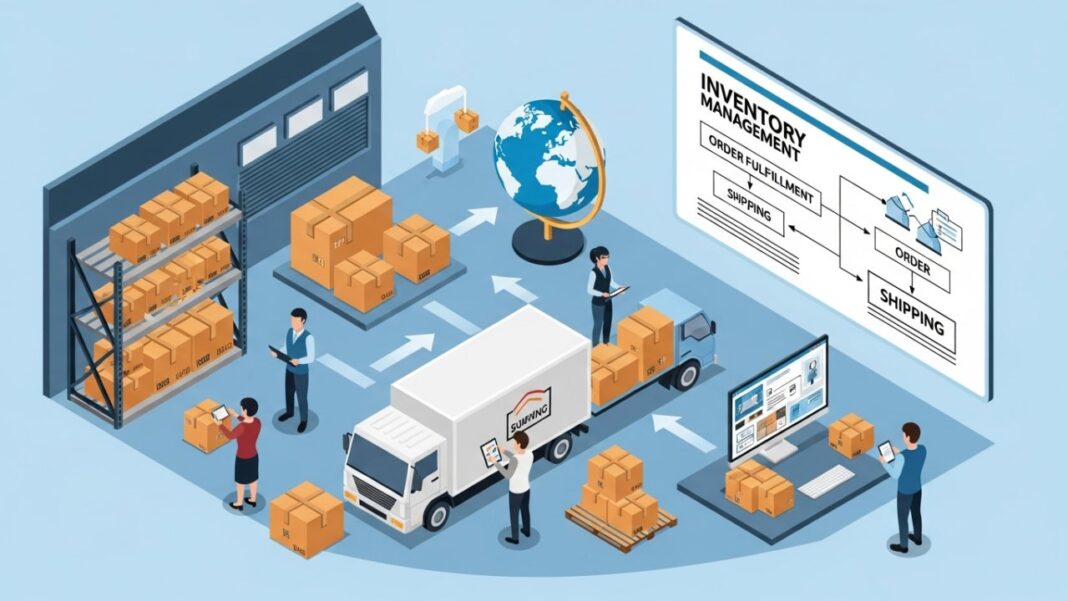
Supply chain logistics management is all about moving goods efficiently from suppliers to consumers. You need to plan, execute, and control the flow of materials and products. By optimizing logistics, you can cut costs, improve customer satisfaction, and manage inventory better. Start by evaluating your current processes and identifying any bottlenecks. Understanding how logistics fits into your overall supply chain can lead to significant improvements. So, what’s the next step for enhancing your logistics strategy?
Key Takeaways
- Supply chain logistics management ensures efficient movement and storage of goods from suppliers to consumers, impacting overall operational effectiveness.
- It encompasses transportation, warehousing, and inventory management, critical for timely deliveries and customer satisfaction.
- Technology, such as TMS and automation, enhances logistics efficiency, reducing costs and improving accuracy in order fulfillment.
- Effective logistics management enables businesses to adapt quickly to market changes, fostering competitiveness and financial success.
- Streamlined logistics contribute to sustainability by minimizing carbon emissions and optimizing resource usage in the supply chain.
What Is Supply Chain Logistics Management?
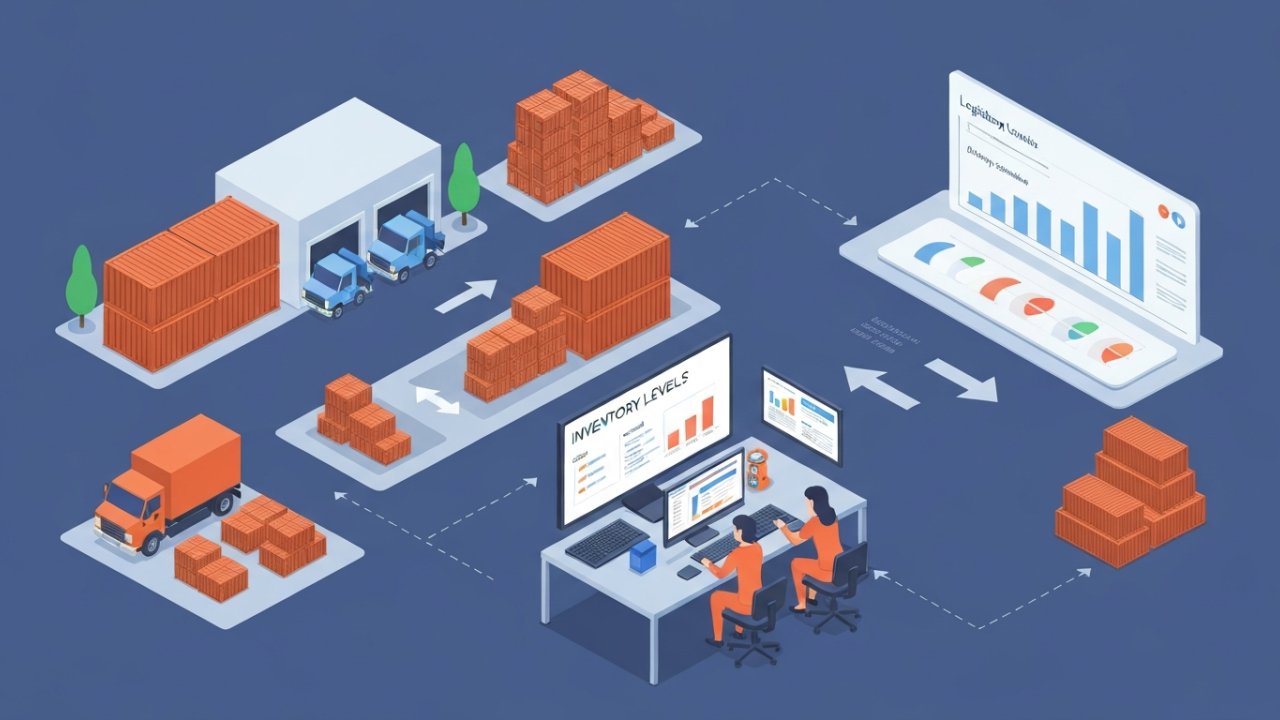
Supply Chain Logistics Management is all about making certain goods move smoothly from point A to point B. It focuses on planning, executing, and controlling the flow and storage of goods, so they reach customers efficiently.
You need to understand both inbound logistics, which deals with raw materials, and outbound logistics, which guarantees finished products get to consumers.
To optimize logistics management in your supply chain management, start by evaluating your current processes.
Implement technology like warehouse management systems and route optimization software to enhance efficiency.
Regularly collaborate with your suppliers and distributors to streamline operations, which helps maintain a competitive edge.
How Logistics Fits Within Supply Chain Management

Logistics plays a vital role in the overall framework of supply chain management, as it directly influences how goods move from suppliers to consumers.
To define logistics and supply chain management, think of logistics as the process that focuses on the transportation, storage, and flow of goods. Effective logistics management guarantees products are delivered to the right place, at the right time, and in the right condition, boosting customer satisfaction.
Inbound logistics handles raw material intake, while outbound logistics coordinates product distribution. Both functions are essential for supply chain efficiency.
[embedded content]
To optimize your operations, integrate logistics with procurement and production. This collaboration helps streamline processes, reduce operational costs, and enhance inventory control.
By aligning logistics with other supply chain functions, you can effectively meet customer demand, ensuring that resources are used efficiently.
Prioritize these connections to improve service levels and overall performance in your supply chain efforts.
Essential Components of Effective Logistics Management
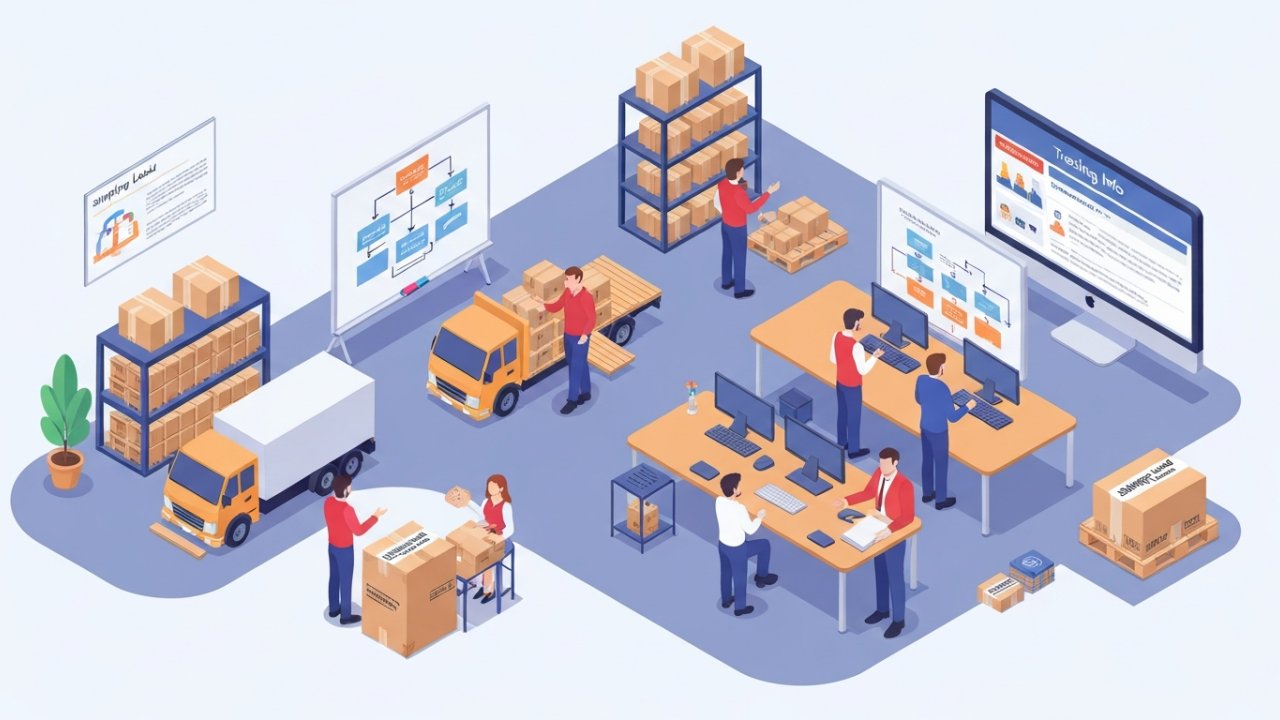
In effective logistics management, you’ll focus on key activities like transportation, inventory control, and order fulfillment.
Start by choosing the right transportation methods that balance cost and speed, then implement inventory techniques to avoid overstocking while meeting demand.
Streamlining your order fulfillment process can greatly enhance customer satisfaction, so make sure deliveries are timely and accurate.
Key Logistics Activities
To achieve effective logistics management, you need to focus on several key activities that drive efficiency and satisfaction.
First, prioritize transportation to guarantee timely movement of goods.
Next, implement warehousing solutions to manage inventory levels effectively, balancing supply and demand.
Strong inventory management prevents excess stock, which can increase costs, and shortages that can halt production.
Streamline your order fulfillment processes to enhance customer satisfaction, assuring products reach customers quickly and accurately.
Additionally, employ effective demand planning using accurate data to forecast customer needs, improving responsiveness.
Finally, coordinate all logistics activities through robust management systems to boost operational efficiency, reduce costs, and enhance service delivery in your supply chain logistics and logistics and supply chain management efforts.
Transportation Management Strategies
When you think about effective transportation management strategies, you should focus on several key components that can greatly enhance your logistics operations.
Start by selecting the right transport modes—whether road, rail, sea, or air—to optimize both cost and efficiency. Effective route planning is essential; it minimizes shipping times and reduces costs, boosting customer satisfaction.
Given the current personnel shortages in trucking and rail, consider innovative solutions to maintain smooth logistics flow.
Utilize technology like transportation management systems (TMS) for better shipment visibility and tracking, which aids in decision-making.
Finally, collaborate with third-party logistics (3PL) providers to streamline your transportation processes, tapping into their specialized expertise and resources to improve service delivery within the logistics supply chain industry.
Inventory Control Techniques
Effective inventory control techniques are essential for smooth logistics management, helping you minimize costs while ensuring you have the right materials on hand.
Start by implementing Just-In-Time (JIT) and Economic Order Quantity (EOQ) methods to reduce holding costs. Use a robust Warehouse Management System (WMS) to enhance inventory tracking accuracy and streamline order fulfillment.
Regular stock audits and cycle counting maintain inventory accuracy, preventing discrepancies. Incorporate demand forecasting techniques, like analyzing historical data, to optimize your inventory levels and avoid stockouts or overstocking.
Finally, utilize barcode and RFID technology to automate data entry, improve visibility, and boost overall inventory accuracy.
Why Efficient Logistics Matter for Businesses
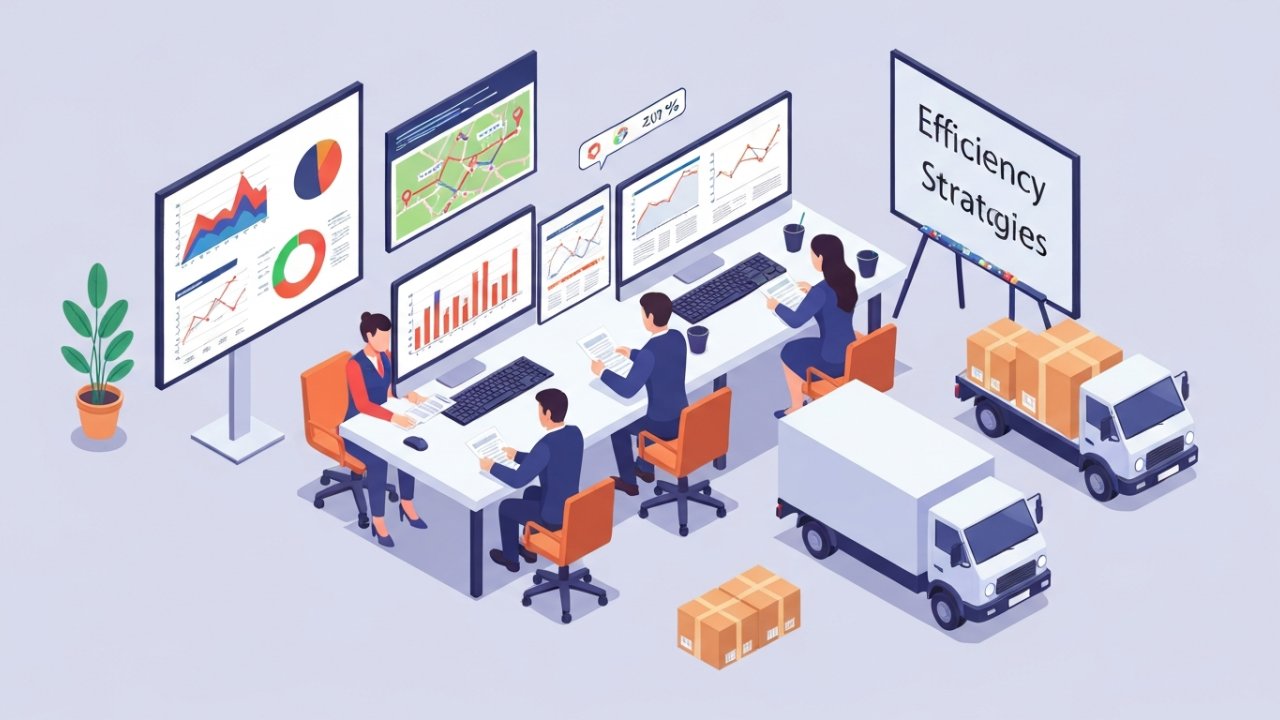
Efficient logistics matter because they directly impact your bottom line and customer satisfaction.
By streamlining transportation and warehousing, you can cut costs and improve operational efficiency, which helps you stay competitive.
Implementing technology like automation can further enhance your logistics, allowing you to meet customer demands swiftly and avoid costly inventory issues.
Cost Reduction Strategies
Optimize your logistics to cut costs and enhance your business’s bottom line. Start by implementing cost reduction strategies that focus on efficient transportation routes, which can save you 10-20% on logistics costs.
Consider advanced inventory management techniques, like just-in-time (JIT) systems, to reduce excess inventory holding costs by 30-50%. Streamlining your logistics processes will boost order fulfillment speed, leading to improved customer satisfaction and a potential 5-10% sales increase.
Leverage technology, such as warehouse management systems (WMS), to increase warehouse productivity by up to 25% and decrease picking errors by 20-30%.
These steps in logistics and supply chain management not only cut costs but also contribute to sustainability by reducing carbon emissions by 15-25%.
2. Enhanced Operational Efficiency
Streamlining your logistics can greatly boost your operational efficiency, leading to tangible benefits for your business. By minimizing waste and optimizing transportation routes, you can considerably reduce operational costs.
This efficiency not only saves money but also enhances customer satisfaction through timely delivery and accurate order fulfillment. Remember, the significance of supply chain planning can’t be overstated; investing in logistics technology, like warehouse management systems, improves inventory accuracy and reduces stockouts.
These steps make your operations more responsive and productive. Companies with high-performing supply chains often see 79% higher revenue growth, so focusing on enhanced operational efficiency is vital for long-term success.
Prioritize these strategies to position your business for sustained growth and customer loyalty.
3. Competitive Market Advantage
In today’s competitive landscape, having a well-structured logistics strategy can set your business apart from the rest. Efficient supply chain logistics not only reduces operational costs but also boosts profit margins. By streamlining transportation and warehousing, you can enhance your bottom line.
Companies with optimized logistics achieve 79% higher revenue growth, proving the connection between logistics efficiency and financial success.
Fast, reliable delivery improves customer satisfaction, driving repeat business and brand loyalty. Implement advanced solutions like automation and data analytics to speed up order fulfillment by 30% or more. This gives you a significant edge over rivals.
Finally, a coordinated logistics strategy allows you to adapt quickly to market changes, positioning your business as a leader in your industry.
Transportation’s Role in Inbound and Outbound Logistics
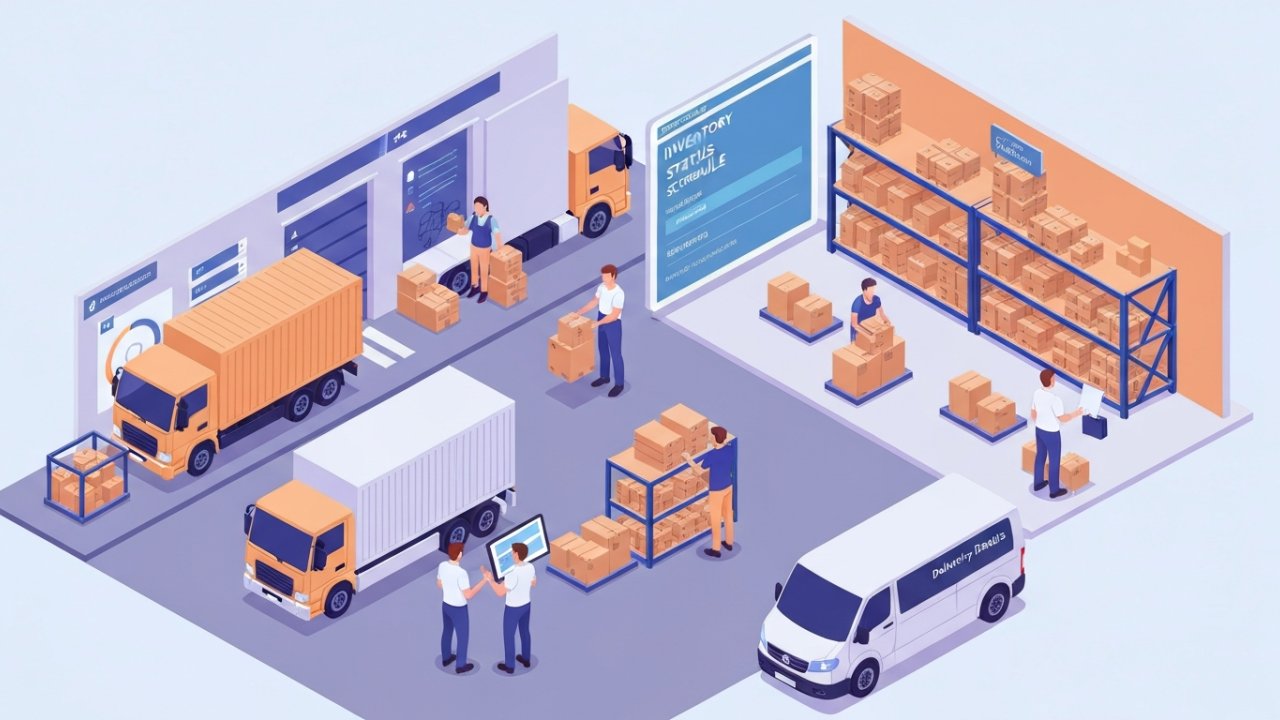
Transportation plays a vital role in both inbound and outbound logistics, guaranteeing that materials and products move smoothly through the supply chain.
In inbound logistics, timely delivery of raw materials affects your production schedules and cost efficiency. Efficient transportation helps you avoid delays that could disrupt your operations.
For outbound logistics, getting finished products to consumers quickly boosts customer satisfaction and loyalty.
Choosing the right transportation mode—whether road, rail, sea, or air—impacts cost, speed, and even the environment, making strategic choices essential.
Keep in mind that current personnel shortages in the transportation sector can lead to significant delays. To mitigate this risk, focus on efficient route planning, which can cut costs and enhance service levels.
Balancing Supply and Demand in Inventory Management
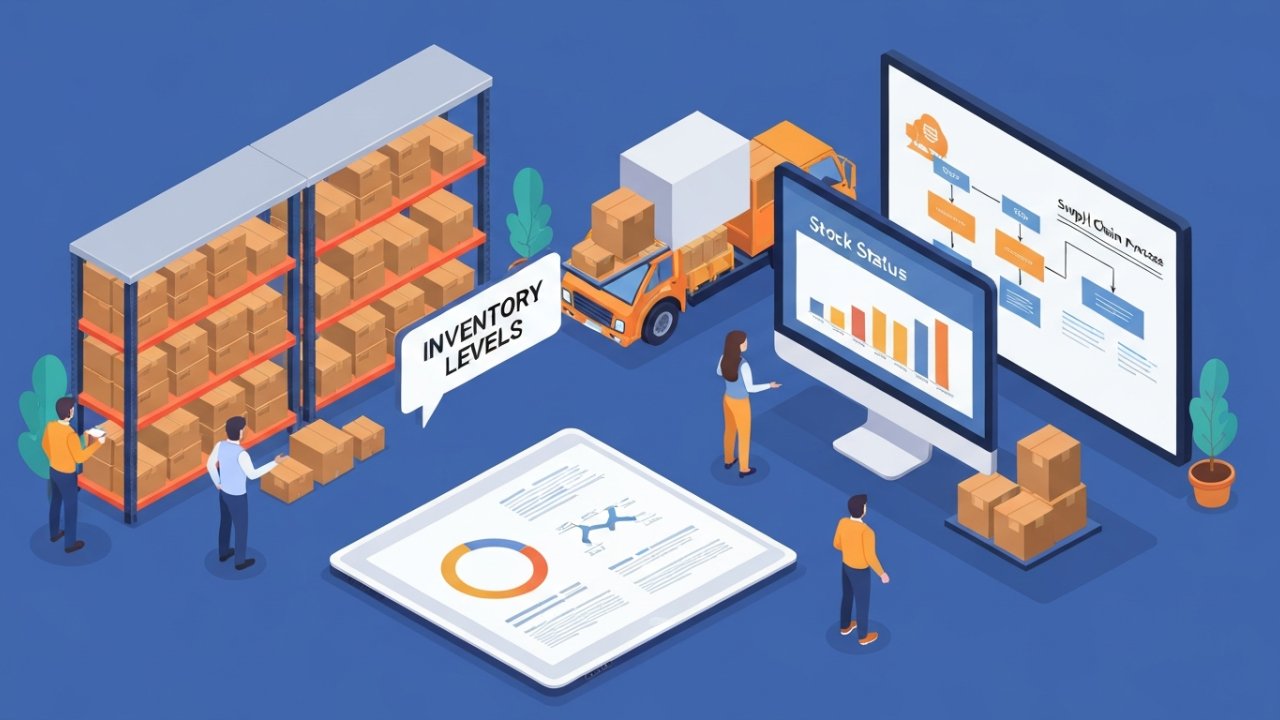
To effectively manage inventory, you must balance supply and demand, ensuring you have just enough stock without overloading your storage. Start by using demand forecasting techniques to predict customer needs. This approach aligns your inventory levels with expected sales patterns, minimizing waste and avoiding shortages that could disrupt production.
Consider implementing a “Just-In-Time” (JIT) inventory system. This method helps reduce holding costs by receiving goods only as needed, enhancing your efficiency.
Leverage advanced analytics and real-time data to improve your inventory accuracy. These tools allow you to respond quickly to demand fluctuations, optimizing stock levels.
How Technology Transforms Logistics Management
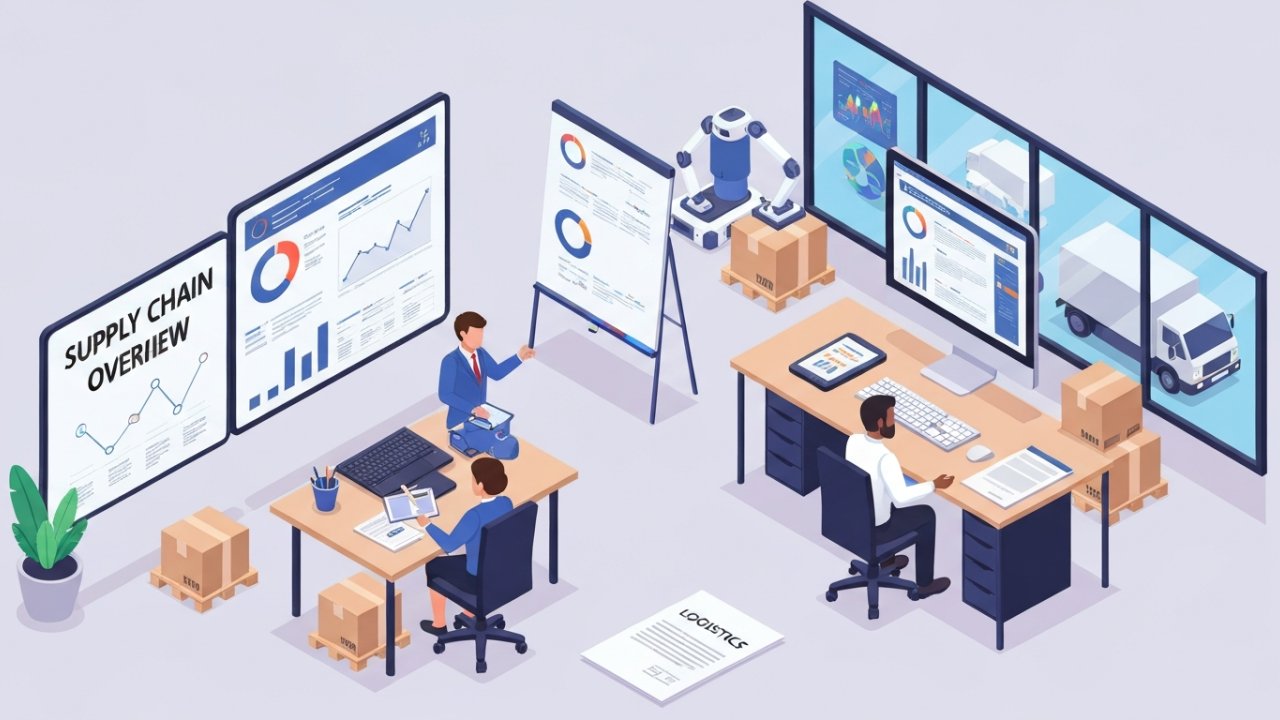
As you navigate the complexities of logistics management, leveraging technology can streamline your processes and improve efficiency. For instance, using Transportation Management Systems (TMS) can optimize routing, cutting shipping costs by 10-15%.
Automation in warehouses, powered by robotics and IBM and AI, boosts picking accuracy to over 99%, while also lowering labor costs and processing times.
Real-time tracking technologies, like GPS and RFID, enhance visibility in your supply chain, helping you monitor shipments and inventory levels. This can reduce stockouts by 30-50%.
Additionally, data analytics tools allow you to forecast demand more accurately, reducing excess inventory costs by about 20%.
Finally, integrating blockchain technology guarantees transparency and security, which speeds up dispute resolution and builds trust with partners.
Proven Strategies for Boosting Supply Chain Flexibility
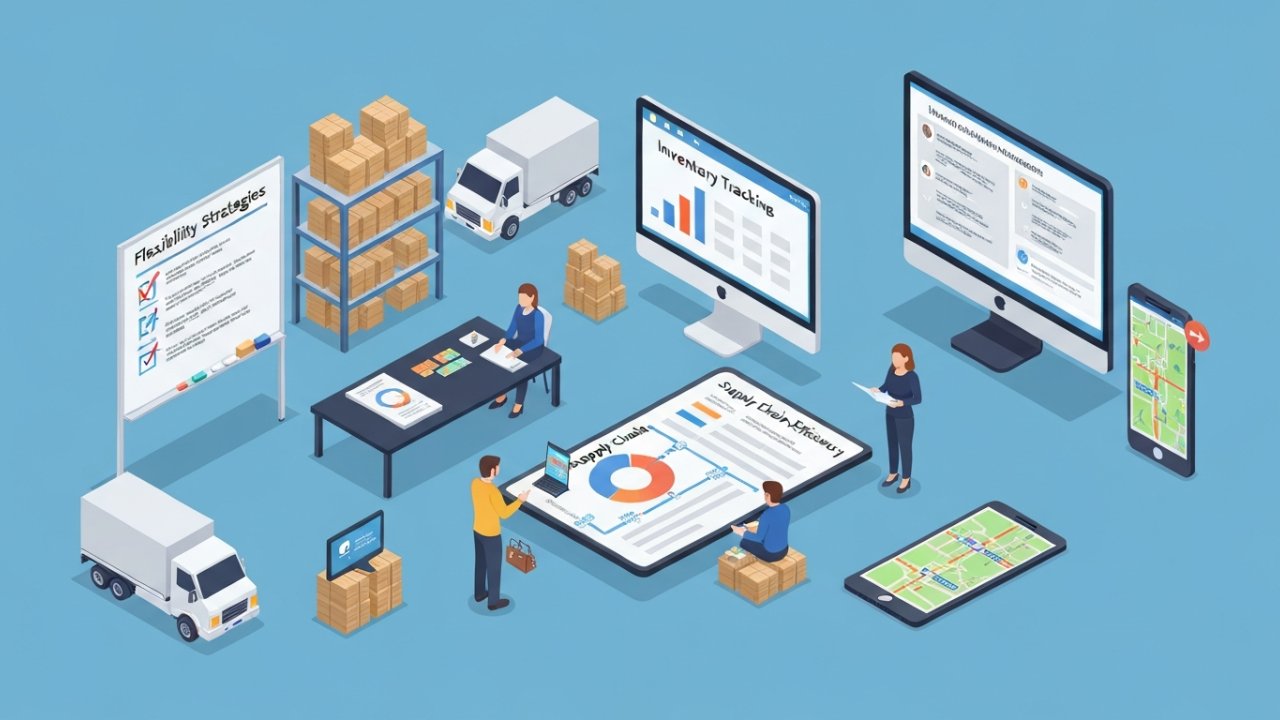
To boost your supply chain flexibility, start by embracing agile methodologies that allow you to adapt quickly to changes.
Diversifying your supplier base can reduce risks and guarantee you have multiple options when disruptions occur.
Finally, invest in technology that enhances visibility and efficiency, so you can respond faster to market demands and keep your operations running smoothly.
Embrace Agile Methodologies
In today’s fast-paced market, flexibility in supply chain logistics isn’t just a goal; it’s essential. Embracing agile methodologies can transform how you respond to market changes. Here’s how:
[embedded content]
| Strategy | Action | Benefit |
|---|---|---|
| Cross-Functional Teams | Foster collaboration among departments | Improve decision-making speed |
| Real-Time Data Analytics | Use data to track inventory and preferences | Enhance operational efficiency |
| Iterative Planning | Regularly refine logistics strategies | Stay aligned with market needs |
Diversify Supplier Base
Diversifying your supplier base is essential for enhancing supply chain flexibility, especially when market conditions shift unexpectedly.
By reducing reliance on a single source, you can mitigate risks associated with supply disruptions and price fluctuations. Start by identifying multiple suppliers for key materials and services, which can help you respond better to market changes and unexpected demand spikes.
Engaging various suppliers often leads to competitive pricing and innovative solutions, ensuring you stay ahead. A study shows that businesses with diversified suppliers saw a 30% reduction in disruptions.
Additionally, fostering collaboration among different partners can enhance information sharing and improve logistical efficiencies in your supply chain logistics.
Take action now to strengthen your supplier network and boost overall responsiveness.
Invest In Technology
Investing in technology can markedly transform your supply chain logistics, especially when market dynamics shift. By integrating advanced technologies like AI and machine learning, you can improve demand forecasting accuracy, allowing for quicker responses to changes.
Automation in your warehousing and inventory management can cut operational costs and boost order fulfillment speed by up to 30%. Implementing real-time tracking systems helps you monitor shipments, making adjustments on-the-fly for timely deliveries.
Adopting cloud-based platforms fosters collaboration among partners, enhancing decision-making. Ultimately, integrating IoT devices offers valuable data insights, improving visibility and flexibility throughout your supply chain logistics management.
Start by identifying which technologies align with your needs and take actionable steps to invest in them.
Common Challenges in Supply Chain Logistics
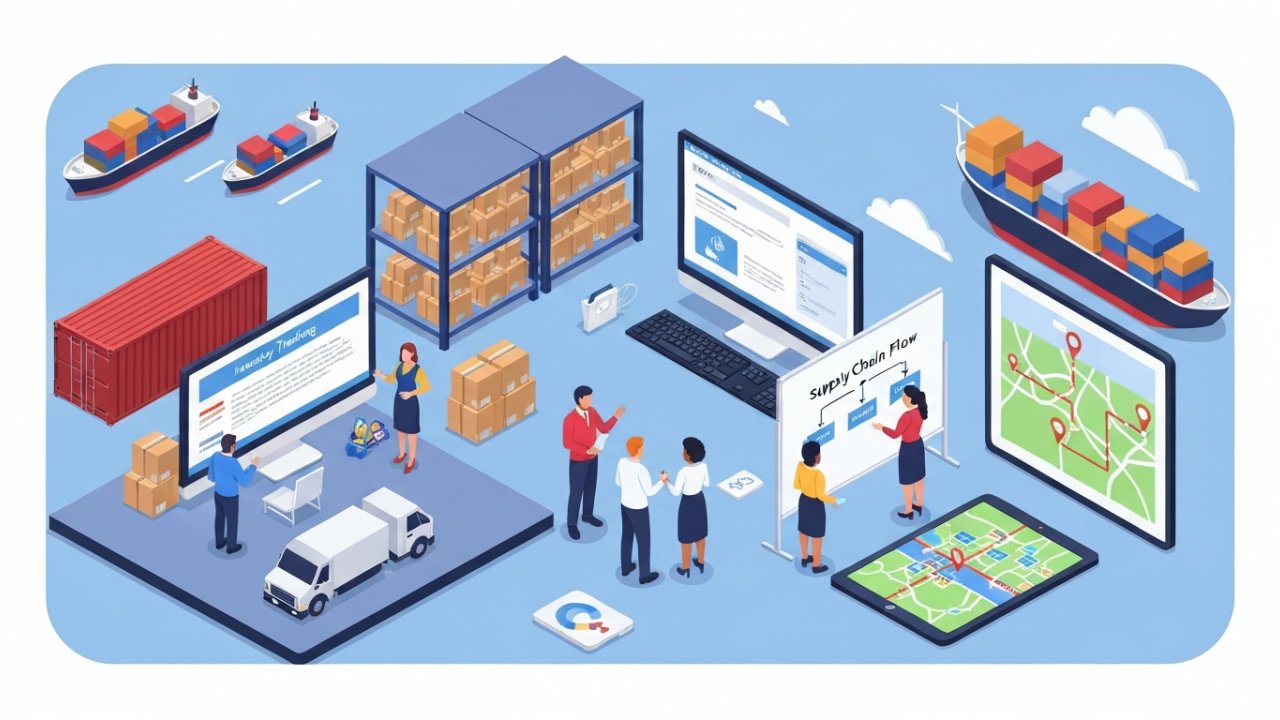
When facing common challenges in supply chain logistics, it’s essential to recognize how these issues can impact your operations. Here are key obstacles you might encounter:
| Challenge | Impact on Operations | Solutions |
|---|---|---|
| Transportation Issues | Delays and increased costs | Invest in workforce training and hire more personnel. |
| Inventory Management | Excess costs or production downtimes | Utilize demand planning tools to balance stock levels. |
| Supplier Reliability | Disruptions in supply chain | Build strong relationships with suppliers to guarantee reliability. |
Understanding the logistics definition in supply chain management helps clarify these challenges. By tackling these common issues head-on, you can enhance your supply chain operations. Focus on optimizing routes, integrating technology, and managing inventory effectively to streamline your logistics processes and reduce risks.
Measuring Success in Logistics
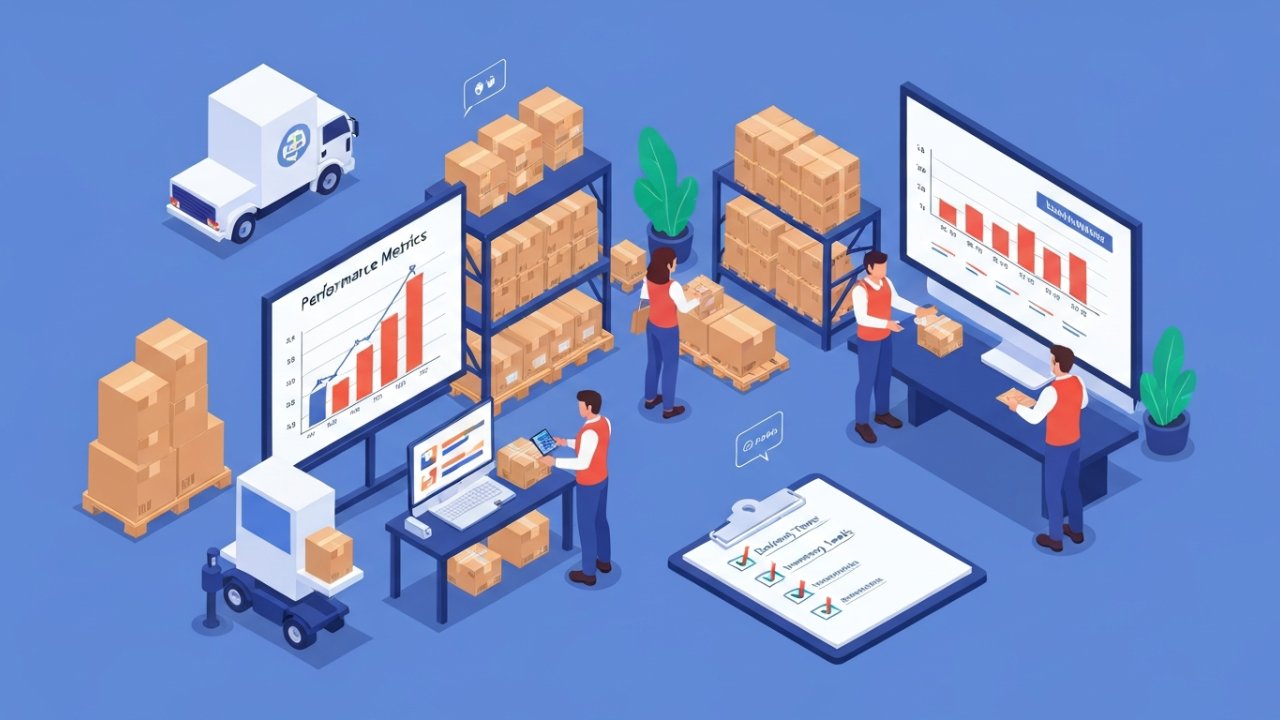
Success in logistics hinges on effective measurement. To truly assess your logistics and supply management, focus on key performance indicators (KPIs) that reveal efficiency and effectiveness.
Start by tracking your order fulfillment rate, which shows the percentage of customer orders delivered on time and in full. This metric is essential for understanding logistics distribution and supply chain reliability.
Next, calculate your inventory turnover ratio to see how often you sell and replace inventory within a specific period. This helps you gauge your inventory management efficiency.
Additionally, monitor transportation costs as a percentage of sales; it provides insight into how well you manage shipping expenses.
Don’t forget customer satisfaction scores, gathered through surveys, as they directly reflect how well your logistics meet customer expectations.
Finally, maintain a close eye on your on-time delivery performance, expressed as a percentage, to understand your logistics effectiveness in meeting commitments.
Future Trends in Supply Chain Logistics Management
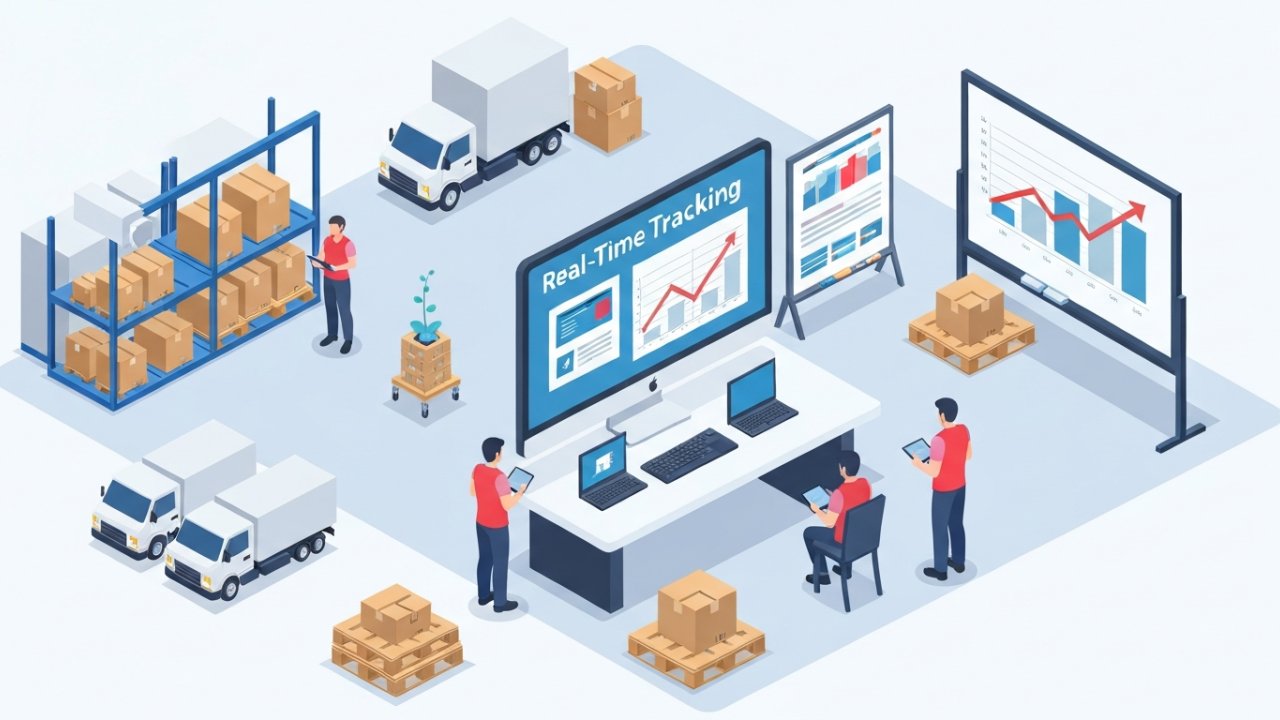
The landscape of supply chain logistics management is evolving rapidly, and staying ahead of future trends is essential for success.
Here are three key trends you should watch:
- Digital Transformation: Embrace artificial intelligence and machine learning to forecast demand and optimize inventory. This will enhance efficiency and cut costs.
- Automation and Robotics: Integrate automation and robotics into your warehousing and transportation processes. This streamlines operations, reduces labor costs, and improves order accuracy.
- Sustainability Initiatives: Prioritize greener logistics practices. Focus on reducing carbon footprints and implementing circular supply chain models to minimize waste.
Frequently Asked Questions
What Is Logistics and Why Is It Important in Supply Chain Management?
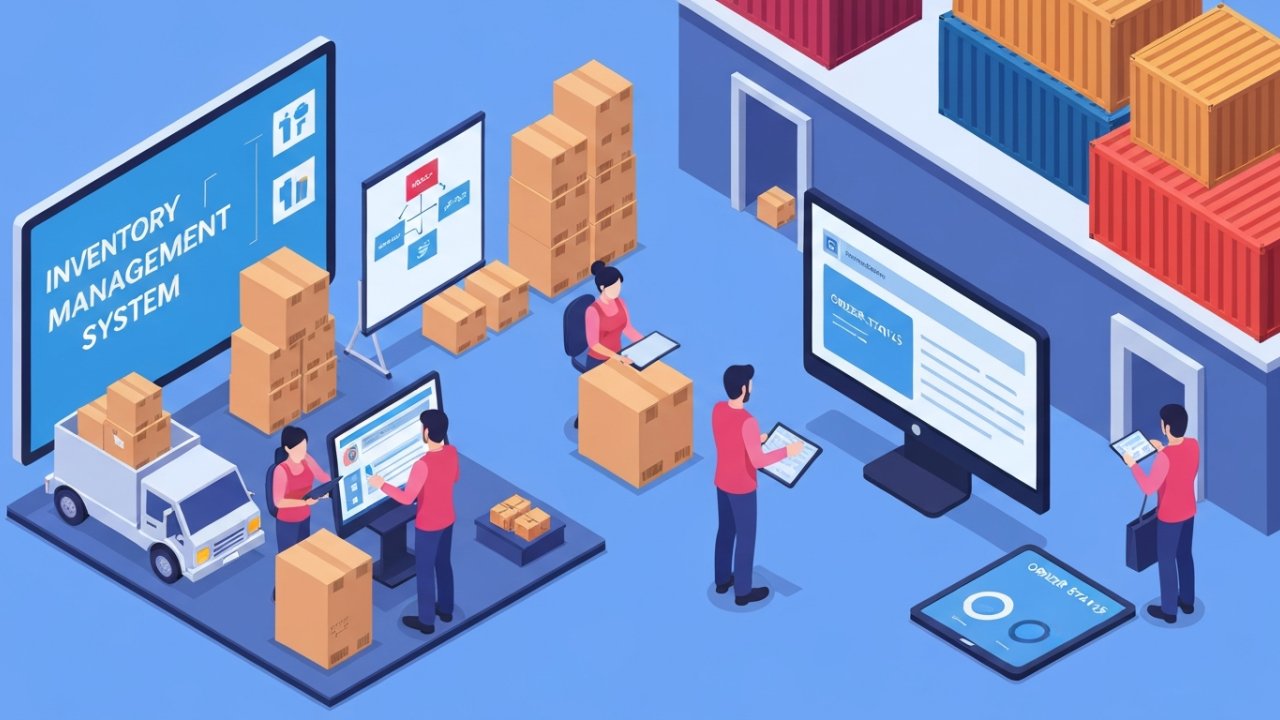
Logistics is the process of managing how goods move and are stored throughout the supply chain. It’s important because it guarantees products reach customers efficiently.
To improve logistics, focus on optimizing transportation routes, managing inventory levels, and streamlining order fulfillment.
[embedded content]
Regularly assess warehouse operations to boost productivity and reduce lead times. By doing this, you’ll enhance customer satisfaction, lower operational costs, and gain a competitive edge in the market.
What Is the Highest Salary for Logistics?
The highest salary for logistics professionals can exceed $100,000 annually, depending on your experience and job role.
To boost your earning potential, consider pursuing advanced degrees or certifications in supply chain management.
Look for positions like logistics manager or supply chain director, as these typically offer the best compensation.
Additionally, target industries like pharmaceuticals or technology, where salaries are generally higher compared to retail or manufacturing sectors.
Will SCM Be Replaced by AI?
No, SCM won’t be fully replaced by AI. Instead, think of AI as a tool to enhance your operations.
You should focus on integrating AI for tasks like demand forecasting and inventory management. Use AI to automate routine processes, but remember, human oversight is still vital.
Stay involved in strategic decision-making, as your skills are essential for maneuvering complex situations. Embrace AI to improve efficiency, but don’t neglect the human element.
What Are the 7 Pillars of Logistics?
The seven pillars of logistics are Order Fulfillment, Transportation Management, Inventory Management, Warehousing, Demand Planning, Supplier Relationship Management, and Logistics Network Design.
To improve your logistics, start by streamlining order fulfillment to boost customer satisfaction. Optimize transportation by choosing efficient routes. Keep inventory levels balanced to avoid shortages.
Organize warehousing for quick access. Finally, plan demand accurately to meet customer needs.
Regularly review these pillars to enhance your overall logistics strategy.
Conclusion
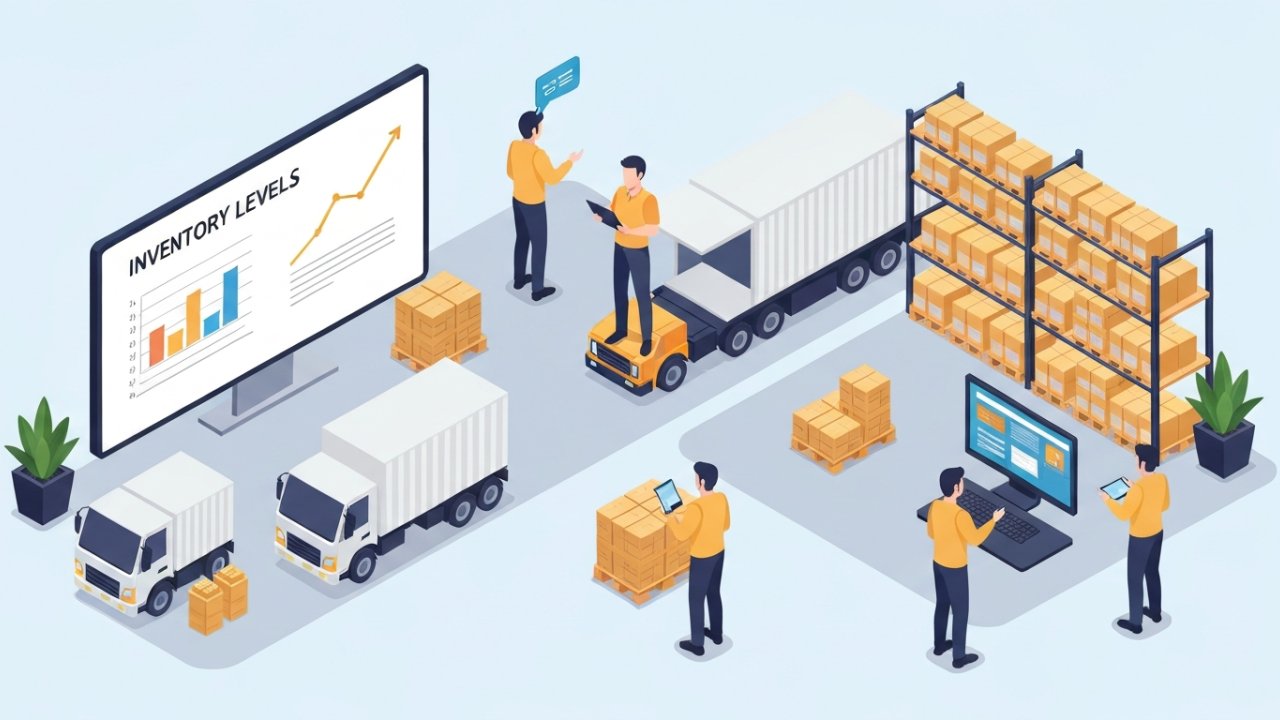
In summary, understanding supply chain logistics management is essential for your business’s success. Focus on optimizing transportation, inventory, and communication to enhance efficiency. Regularly assess your logistics processes, and adapt strategies to overcome challenges. Embrace technology to streamline operations and improve flexibility. By prioritizing effective logistics, you can reduce costs, boost customer satisfaction, and stay competitive in a fast-paced market. Take these steps today, and watch your supply chain thrive.
Image via Google Gemini