
This post was originally published on this site.
‘An injustice’ or ‘righting a wrong’: British Jews debate sanctions move
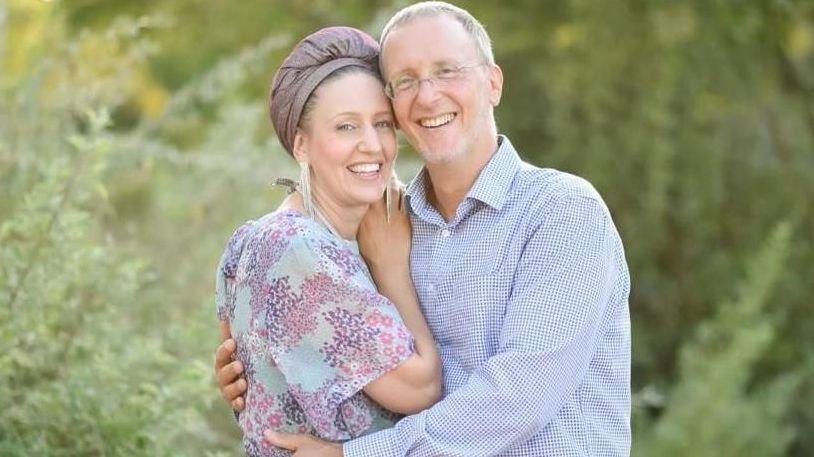 Image source, Family handout
-
Published
From his home in the occupied West Bank settlement of Efrat, British-Israeli Rabbi Leo Dee wrote an open letter to Andy Burnham on Wednesday, accusing him of deciding “to single out Jewish Israelis like me for economic punishment”.
The rabbi’s British-born wife Lucy, and their daughters Maia and Rina, were killed by Palestinians in the occupied West Bank in 2023. They were shot dead as they drove through the Jordan Valley.
“I am enraged at the injustice of the situation,” he told the BBC, claiming the government’s decision to place sanctions on illegal Israeli settlements, and not the Palestinian authority, was hypocritical.
He said Foreign Secretary Ed Miliband was “living in a different universe”, and argued that the main group who would face hardship as a result were the hundreds of Palestinians who were employed in them.
Settlements are illegal under international law, and there has been a rise in violence towards Palestinians in the occupied West Bank by settlers since the start of the Gaza war, which was triggered by the Hamas-led attack on Israel on 7 October 2023.
Miliband said the sanctions, announced after Israel opened up tenders for the construction of some 1,200 settlement homes, were necessary to safeguard the possibility of a two-state solution – and to ensure the UK “not only calls out injustice and suffering, but acts”.
-
Where is Israel’s proposed West Bank settlement the UK opposes?
-
Published1 day ago
-
-
How Israel is expanding settlements in drive to reshape West Bank
-
Published21 August
-
-
Chris Mason: Burnham looks to show he will go further than Starmer with West Bank sanctions
-
Published21 hours ago
-
Rabbi Dee said he believed that, apart from a small group of “hooligan settlers” who could not be controlled and whom most people do not support, many others wanted a different outcome.
“Ninety-nine percent actually want to work closer with Palestinians” and have peaceful relations with them, he said, just as he did “before the 7 October attacks”.
Another British rabbi was also in the West Bank as the UK government made its announcement – and takes a different view.
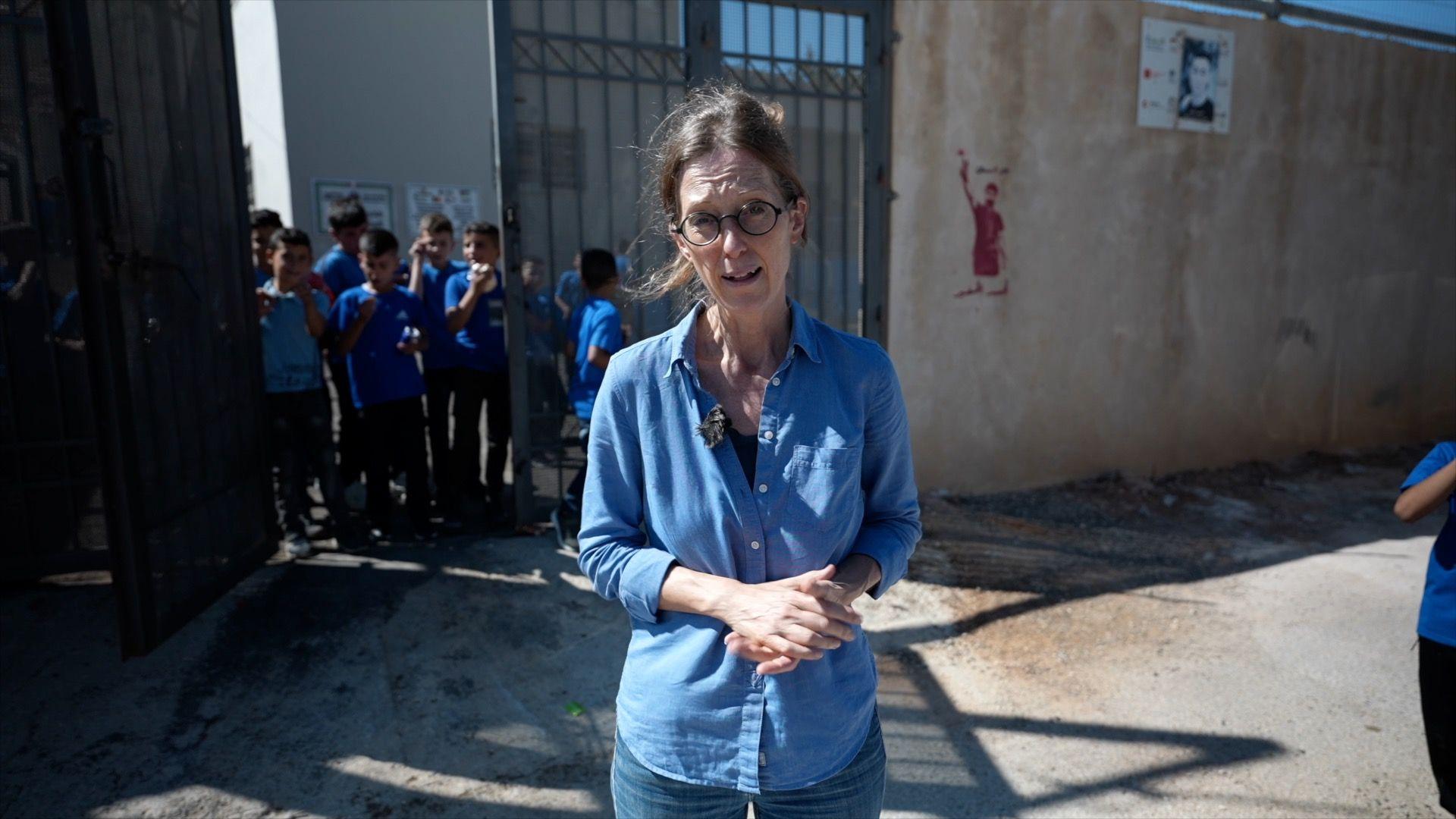
Rabbi Jonathan Wittenberg was in the Palestinian village of Umm al-Khair, visiting the family of Awdeh Hathaleen, a prominent Palestinian activist and English teacher who was shot and killed by an Israeli settler last year.
The Emeritus Rabbi of the New North London synagogue told the BBC he wanted to show that what was happening to Palestinians there mattered to him and his community.
Rabbi Wittenberg said he had “seen with my own eyes several times in the West Bank, the intimidation and threats towards Palestinians – and this needs to be called out”.
“It’s terrible for Israel and for Israel’s future, it’s not what Judaism teaches and it’s deeply wrong”, he added.
Supported by other Rabbis in the liberal and progressive UK Jewish communities, Rabbi Wittenberg believes that it is possible to support Israel, be concerned for the safety of British Jews, and that it is right for the UK government to take action to protect Israelis and Palestinians.
However, he also said he was “extremely sad that it’s come to this” and that he shared the “concerns of the Jewish community leadership that people will use this for antisemitism and for demonising Israel even further”.
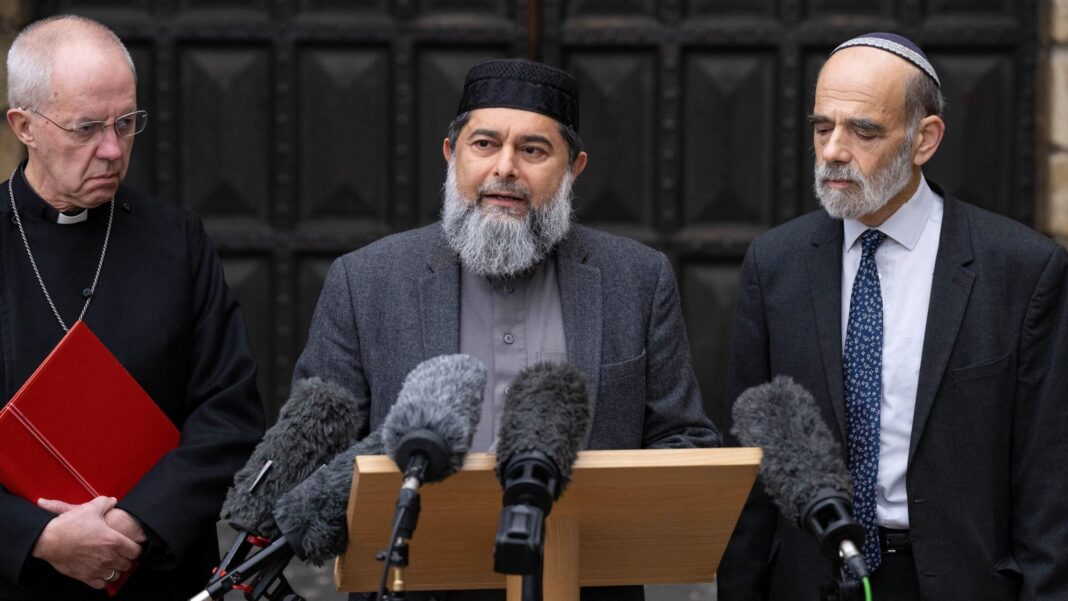
Chief Rabbi Sir Ephraim Mirvis, who represents the Orthodox community, previously said the sanctions marked a “truly dark day” and placed British Jews at greater risk of attacks.
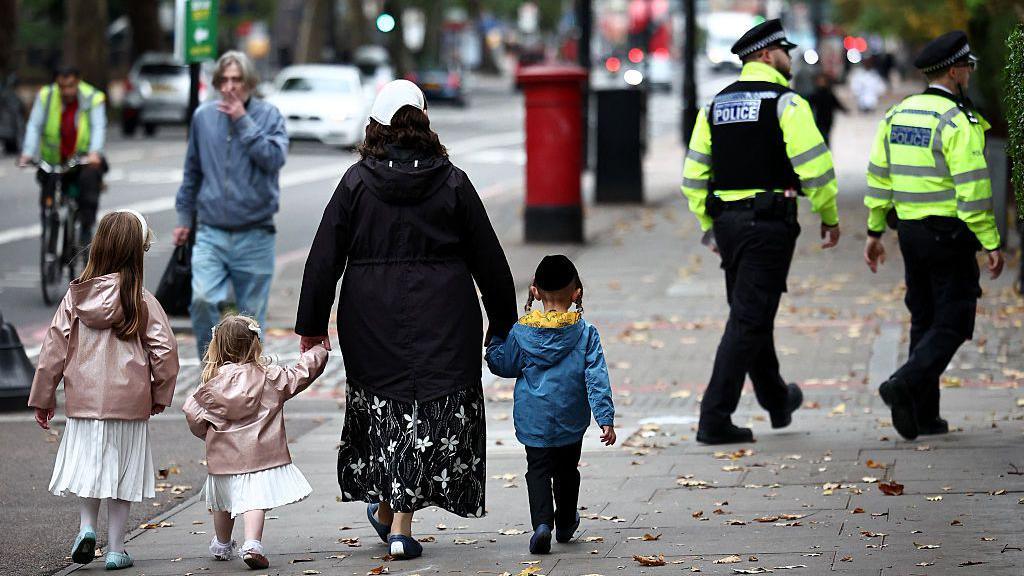
In Golders Green – where ambulances run by a Jewish medical charity were set on fire and two visibly Jewish men were stabbed in what police called a terror attack earlier this year – there was concern the government’s actions against Israel would increase attacks against British Jews.
“It’s so tricky because, in principle, I agree with opposing these new settlements,” Michael Cohen, who works for a Jewish charity, told the BBC.
But he added: “The timing of it, I think, was completely… just self interest for the Labour Party, signalling before a by-election, before the party conference.”
He said the practical impact of the move would be “almost zero”.
One woman, who runs a jewellery shop that was was twice cordoned off due to incidents in Golders Green, was very critical of the sanctions and said she would “make it my mission” to continue to buy Israeli goods whenever she could.
“We have to [support] our own because no one else is going to”, Deborah Miller told the BBC.
At the end of the week, Jewish congregations will celebrate Rosh Hashana, the Jewish New Year.
Police are already increasing security around Jewish areas to protect communities who have faced multiple attacks this year and are fearful of more.
The number of antisemitic incidents recorded across the UK since the start of the year is up by a fifth compared to last year, figures show.
The Community Security Trust (CST), an organisation that provides security support to the Jewish community, recorded 1,926 incidents of anti-Jewish hate across the UK in the first six months of 2026.
The Crime Survey for England and Wales, external, estimates that only 44% of hate crime incidents between April 2022 and March 2025 came to the attention of the police.
-
-
Published11 August
-
-
-
Published1 day ago

-