
This post was originally published on this site.
Drag Race co-creator fears for queer representation after BBC drops show
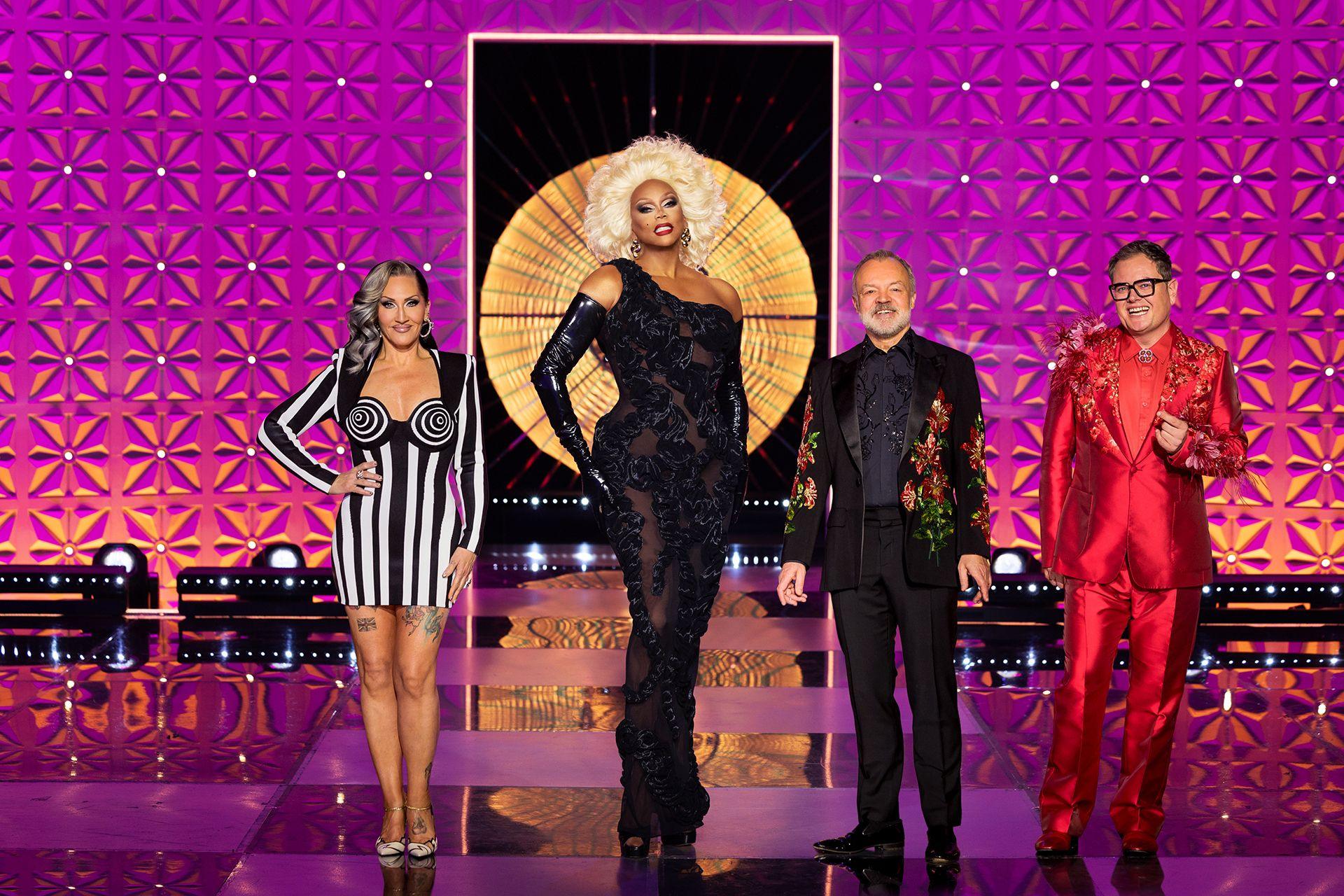 Image source, BBC/World of Wonder/Guy Levy
-
Published
The co-creator of Drag Race has said there is a “crisis of representation” on TV, following the BBC’s decision to axe the UK edition of the show.
Speaking exclusively to BBC News, Fenton Bailey said he did not believe there was a “hidden agenda” behind the decision, but feared “vulnerable communities are going to be even more vulnerable”.
The move led viewers to raise concerns about the corporation’s on-screen representation, after it also cancelled two LGBTQ+ dating shows.
A spokesperson for the BBC said the decision was down to “significant financial pressures”, as it attempts to make £500m of savings.
Other shows being cancelled include Celebrity Mastermind, Blankety Blank and Live at the Apollo, and more than 500 job losses have also been announced.
World of Wonder (WOW) announced future series of Drag Race UK, including a new All Stars version, will be broadcast exclusively on the company’s own streamer, WOW Presents Plus.
BBC News spoke to Bailey, screenwriters, TV critics and former Drag Race contestants about the move and what it means for on-screen representation.
“Queer culture is vulnerable”
When Drag Race UK launched in 2019, co-creator Fenton Bailey, who was born in Portsmouth but now lives in Los Angeles, said working with the national broadcaster felt like a “very special homecoming” for his production company, WOW.
The US version of the show, co-created by RuPaul Charles, Bailey and his business partner Randy Barbato, had been on air for more than 10 years and was a runaway success, with dozens of Emmy awards and an international following.
Fans were eagerly awaiting a UK series to showcase the unique British style of drag. Now, eight series and three spin-offs later, the programme will stop broadcasting on the BBC after the current series ends.
“Even at the best of times, queer culture is vulnerable and you can’t take anything for granted,” Bailey told BBC News. “Just because a door opened yesterday doesn’t mean it won’t be slammed shut the next.”
BBC News understands discussions to renew the BBC’s deal with the show lasted months, with producers hopeful an agreement could be reached, but talks ultimately failed due to the scale of the savings the corporation is trying to make.
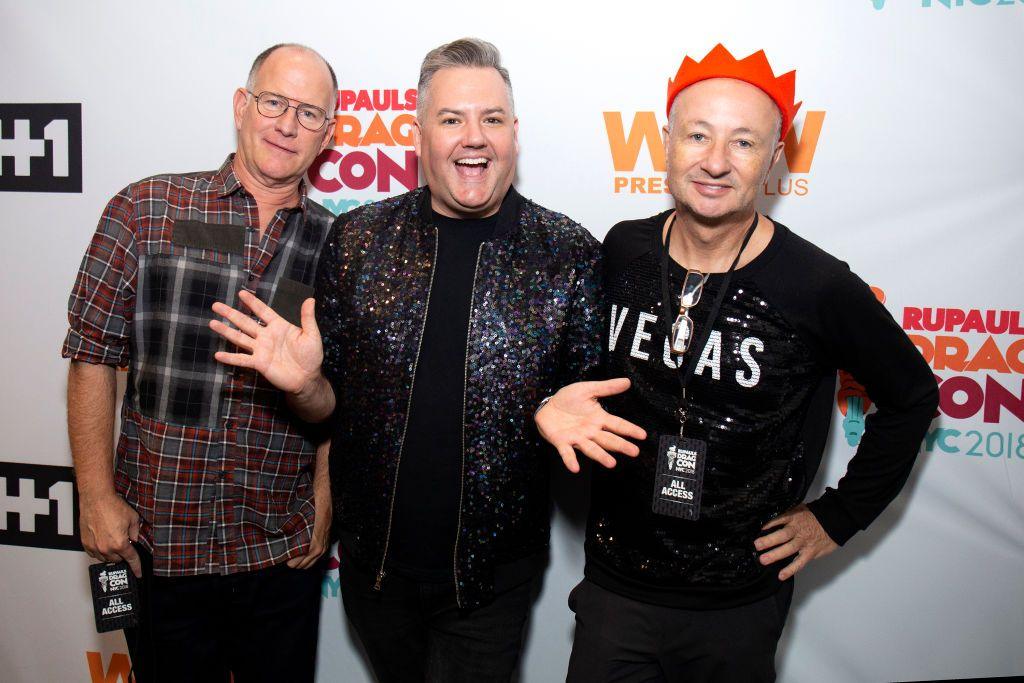 Image source, Santiago Felipe/Getty Images
Bailey said it was a sign of the “horrible financial situations” broadcasters are currently facing.
“The team at the BBC are amazing and so passionate about the show, this is not an easy thing for any of the people I interacted with, or something they wanted to do,” he added.
Drag Race UK was consistently one of BBC Three’s most popular offerings, but according to Barb Audiences data, while average viewing figures for the series rose between 2022 and 2024, overall they’ve fallen around 15% over the past four years, against a backdrop of declining TV viewing figures across the board.
Bailey said the figures “haven’t plummeted,” but had instead fallen in line with other terrestrial TV shows, and said the number of viewers watching on social media had risen “because that’s where the audience has gone.”
Following the announcement, some viewers speculated the show could be acquired by another UK broadcaster, but Bailey suggested the show’s creators may prefer to go it alone.
“We love partnerships, but in this particular moment, having the freedom to make the show the way we want may be preferable to getting into bed with another broadcaster and potentially be in the same situation a few more seasons down the road.”
A BBC spokesperson said: “As the BBC continues to navigate significant financial pressures and deliver the savings required of us, we have had to make some very difficult choices, none of which have been taken lightly.”
‘It feels like the drawbridge is pulling up’
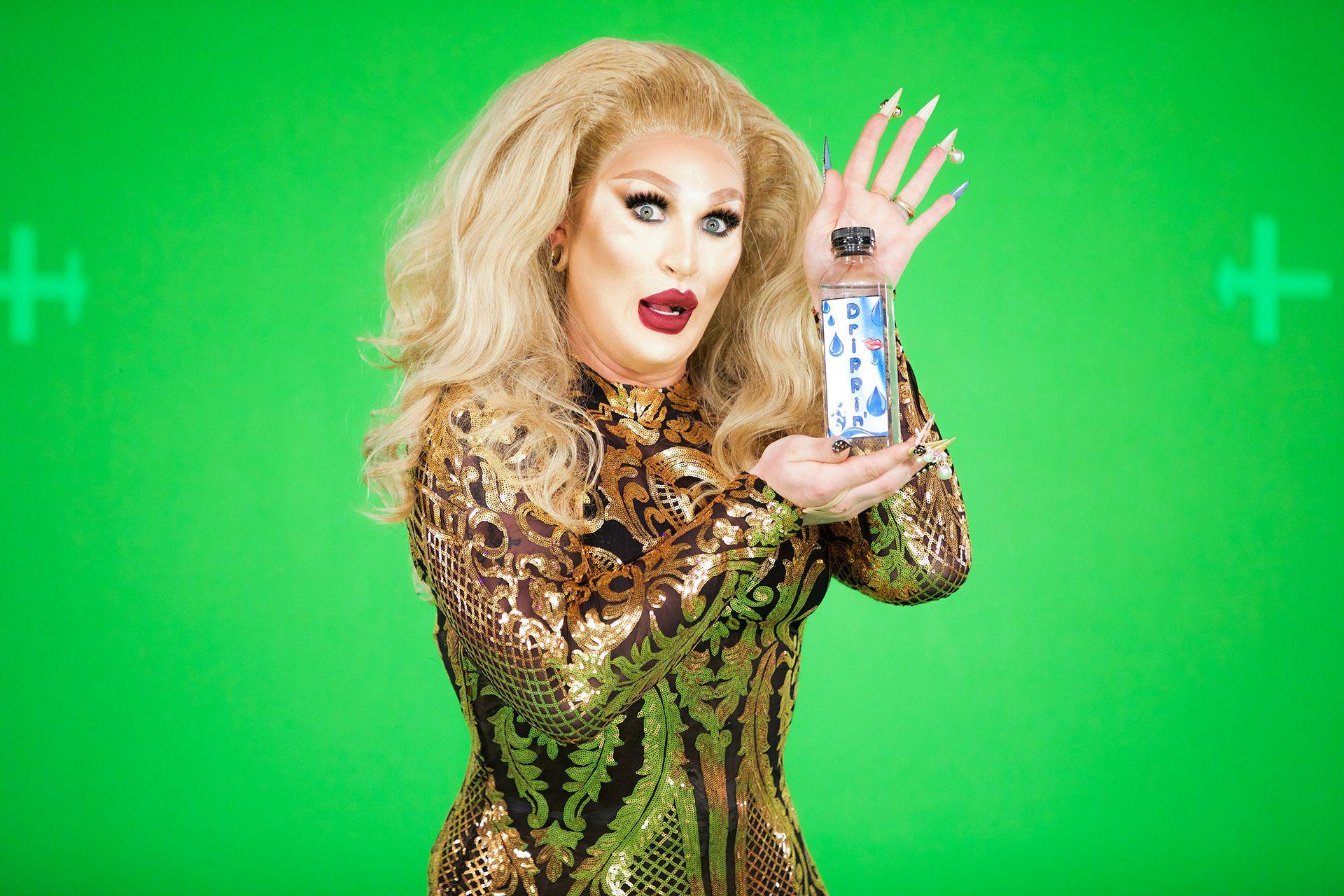 Image source, BBC / Guy Lecy
Scott Bryan, TV critic and author of Out Now: A Queer History of Modern Television, says the move is indicative of just how severe the financial pressures facing broadcasters have become.
“I can imagine Drag Race is an expensive show to make,” Bryan told the BBC, “I can see the pressures the BBC are under, but it’s rather concerning in regards to queer storytelling.
“You see LGBTQ+ lives reflected on soaps and primetime dramas much more casually, but there still needs to be shows specifically catering to a queer audience, and it feels like very quickly the drawbridge is pulling up.”
Earlier this year the BBC announced LGBTQ+ dating shows I Kissed a Boy and I Kissed a Girl were also being cancelled. The corporation said at the time that it was “exceptionally proud” of the shows, but they had to make “difficult choices in light of our funding challenges”.
Author and screenwriter Juno Dawson says viewers have begun to notice a “pattern”.
She said: “I think that’s why perhaps eyebrows have been raised, because Drag Race hasn’t been cancelled in isolation. A couple of other LGBTQ+ shows have gone as well.
“It’s a shame this is happening at the BBC, because commercial channels don’t necessarily have an obligation to represent all the communities in the UK, but the BBC does and it’s supposed to represent all of us, including LGBTQ+ people.”
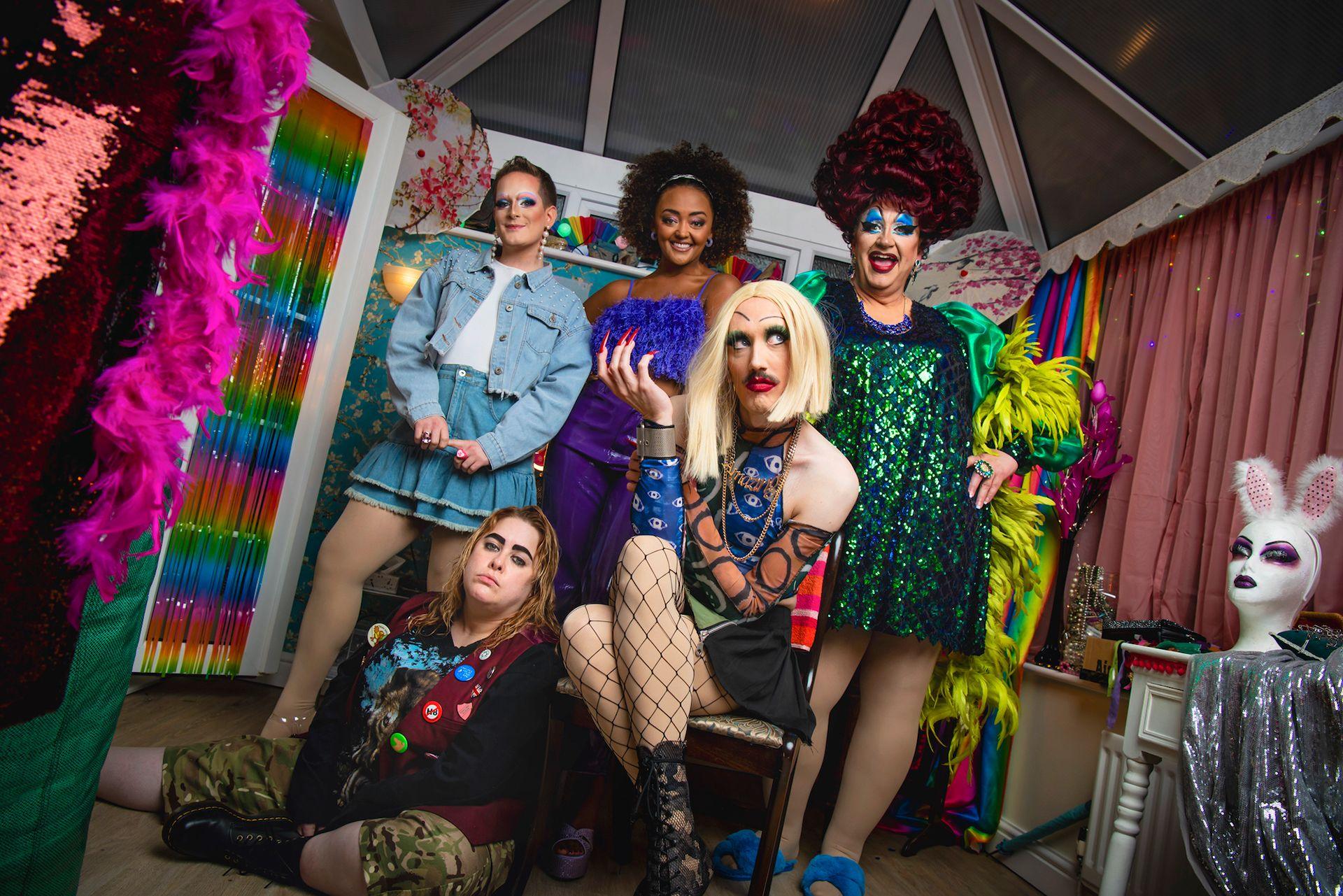 Image source, BBC/Hat Trick Productions
The BBC recently announced Smoggie Queens, which features predominantly LGBTQ+ characters, would be renewed for a third series, and it represents the community elsewhere through storylines in shows including Mr Loverman, Amandaland, Vigil and EastEnders.
A recent report from GLAAD, an American advocacy organisation, found film representation had fallen for a third consecutive year, external and more than 200 LGBTQ+ TV characters would disappear from screens in 2026 because of cancellations, endings or limited-run series.
While similar figures for the UK aren’t collated, Dawson fears a shrinking television industry in the UK will make it harder for commissioners to make LGBTQ+ stories.
“So many of my personal shows have gotten right up to green light, but for lots of different reasons, different commissioners – not just at the BBC – have decided to back away.
“Nobody is ever going to say to you ‘it’s because it was too niche’, but all I can keep doing is writing television that feels true to me and represents me and my life.”
‘You come for the sparkles… but you’re dealing with important topics’
While Drag Race is known for its camp humour and glamour, most episodes also tackled serious topics, with contestants opening up about everything from non-binary and trans identities to substance abuse and the realities of living with HIV.
“There’s something very clever about Drag Race,” Dawson said, “because you come for the sequins and the sparkles, but actually under its surface, you’re dealing with really big, heavy and important topics.”
Kate Butch, who competed on season five of Drag Race UK and on spin-off UK vs the World, told the BBC they fear a move away from a public service broadcaster could impact the show’s ability to reach audiences with “important” messages.
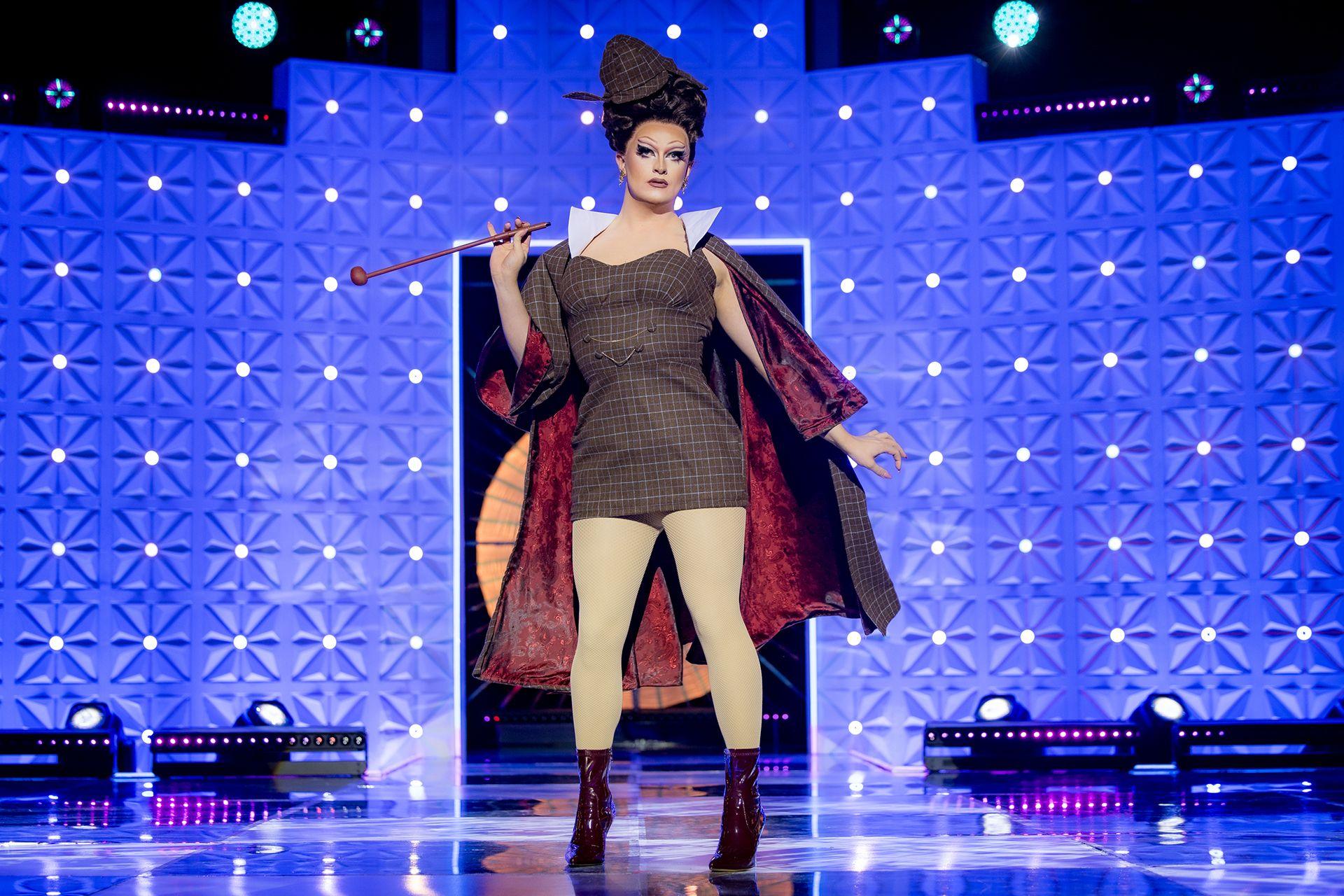 Image source, BBC/World of Wonder/Guy Levy
“It’s great the show is going to carry on and shine a spotlight on the amazing drag artistry the UK has to offer,” they said, “but I do mourn the possibility of someone maybe just flicking through the channels and randomly finding it.”
Butch told BBC News that the show coming off the BBC may also bring some positive changes to the programme – including the possibility of prize money and sponsorships.
“It’s a lot of effort to go on Drag Race, a lot of investment and emotional labour,” they added, “so I hope the audience follows and keeps supporting the queens.”
Fenton Bailey says he’s excited about the show’s future on its own streaming platform.
“We may not have the resources that the BBC has, but the spirit of Drag and RuPaul’s Drag Race is about making something out of nothing,” he told the BBC.
“As a community we can survive and thrive in less than optimal conditions.
“We have. We can. We will.”
More weekend picks
-
-
Published2 October 2024
-