


This post was originally published on this site.
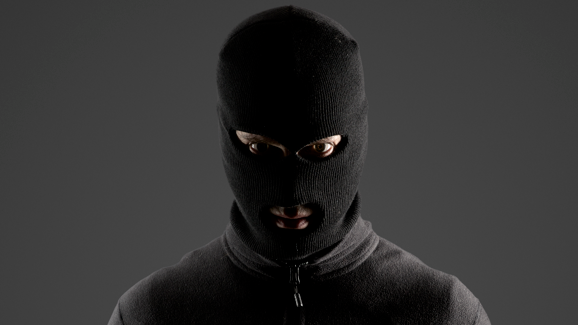
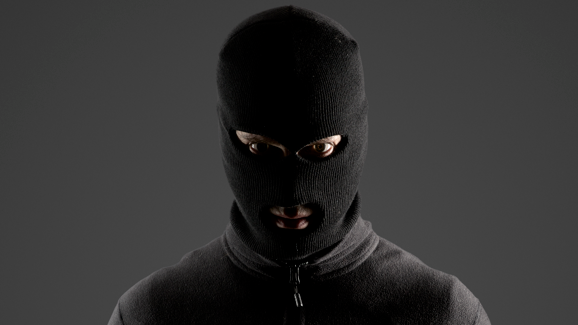
Balaclava ban comes into force in Nottingham city centre
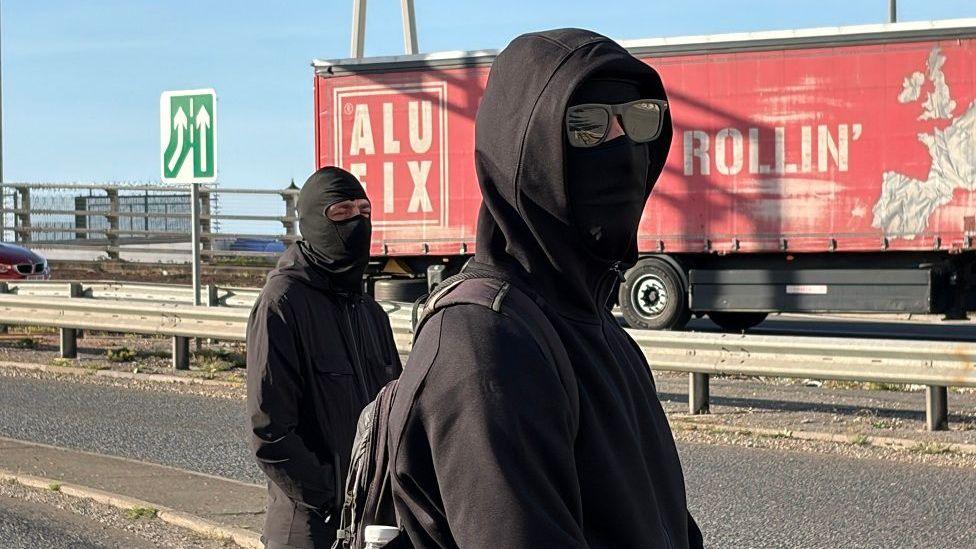 Image source, Remco van Schellen
-
Published
A ban on face coverings in Nottingham city centre has officially come into force.
From today, police and community protection officers will be able to ask people to remove coverings if they “reasonably believe” they are being used to conceal their identity to commit crime or anti-social behaviour.
Anyone who refuses to comply could face a £70 fixed penalty notice or be prosecuted, with courts able to impose a maximum fine of £1,000.
The leader of Nottingham City Council, Neghat Khan, said residents had felt intimidated when they saw people wearing balaclavas, skeleton masks or other face coverings without a legitimate reason.
“Our residents should be able to live, work and spend time in Nottingham without feeling frightened or unsafe,” Khan previously told the BBC.
“That is why we are taking decisive action and becoming one of the first cities in the country to introduce a restriction of this kind.”
The enforcement will not apply to face coverings worn for legitimate reasons, including religious, cultural, health, work, weather or personal safety reasons.
It will be up to officers to determine whether or not coverings are being worn legitimately.
Confirmation of a start date for the action in Nottingham comes after Reform UK leader Nigel Farage called for full face coverings, including those worn for religious reasons, to be banned in public, following masked protesters gathering in Dover.
Elsewhere in the country, Stafford Borough Council approved plans to prohibit balaclavas as part of its updated public spaces protection order (PSPO) earlier this year.
More recently, community leaders in the West Midlands said they would like to see their region follow suit following the ban in Nottingham and bring the action to their area.
In Nottingham, people told the BBC they welcomed the ban, adding it would make them feel safer.
Shayma Muhammadqboliyom, a 19-year-old who is applying to college in the city, said: “I don’t think I would be comfortable in front of a man wearing a balaclava.
“If there are cameras around, and he’s about to do something, I think it’s important [that you’re able] to see his face for an investigation if they’re doing something illegal.
“It’s important to recognise his face. I agree with it.”
“I would feel safer if I saw the face of the person in front of me.”
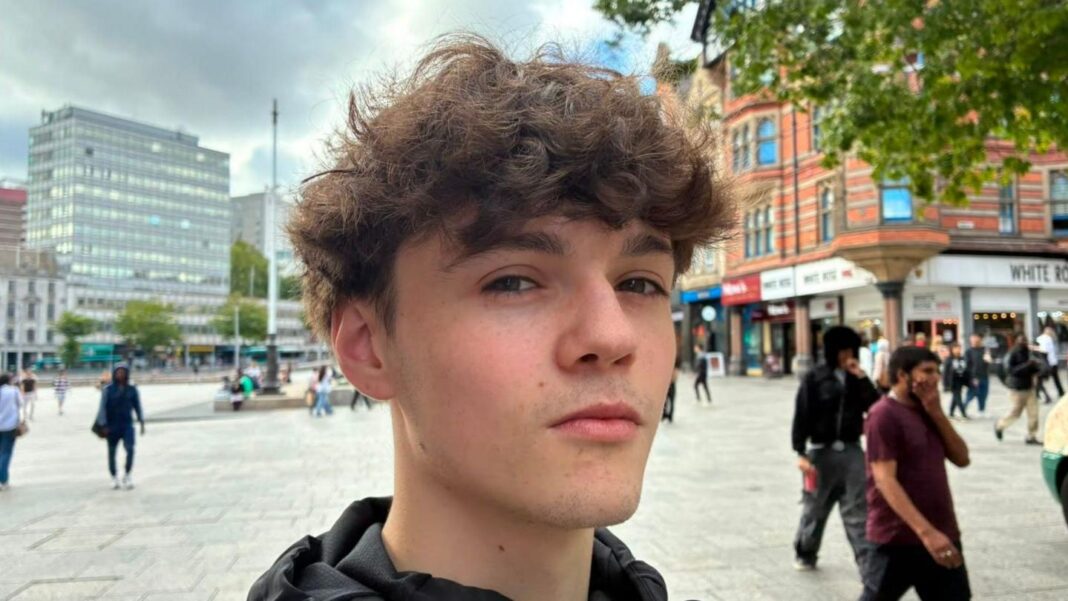
Jaden Dale, 19, studies at Nottingham Trent University and said he was glad the ban was coming into force.
“As a majority, I’m pretty glad, because the children who run around can be intimidating.
“I think it helps most people around Nottingham but the only problem would be the Deliveroo drivers, who kind of wear it to keep dust out of their eyes and stuff like that. Other than that, I think it’s a good thing.”
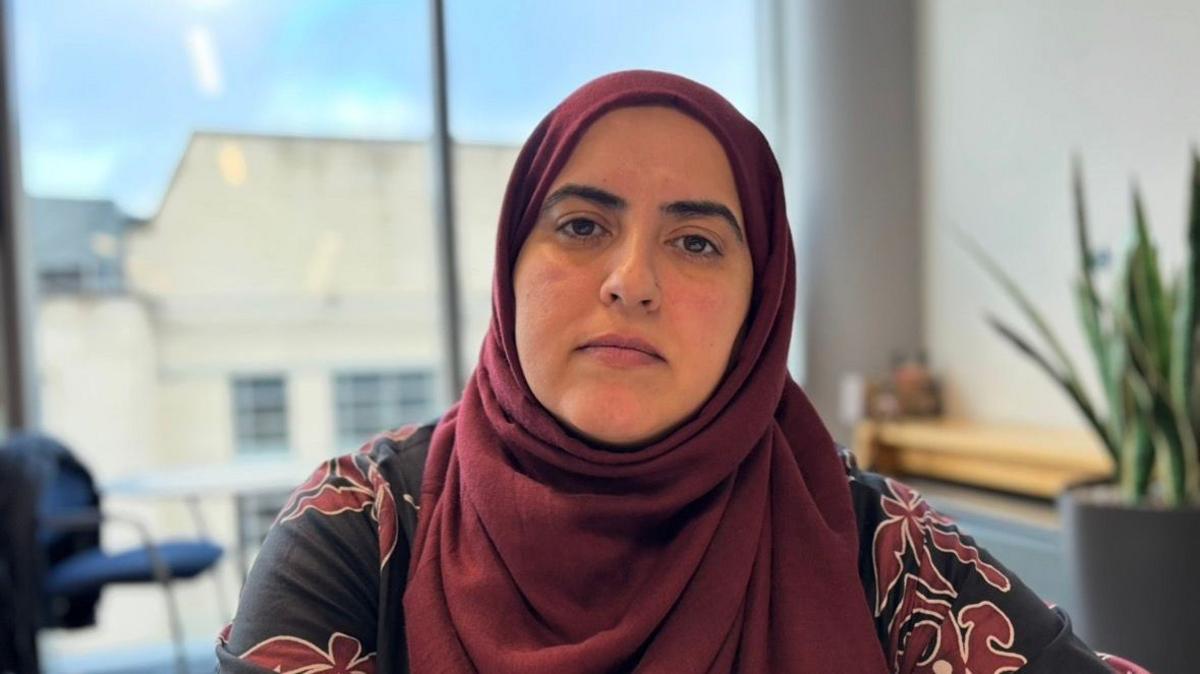
Khan previously told the Local Democracy Reporting Service (LDRS) that failure to cooperate with the ban “is a criminal offence”, adding: “You could be arrested for it and taken to court.
“Hopefully by having this ban now in place trouble causers will think to not go into the city centre.”
A public consultation on a face coverings ban found the wearing of them “contributes to feelings of intimidation and fear, particularly when worn by groups involved in anti-social behaviour, disorder, criminal damage, theft, nuisance riding of e-bikes and e-scooters, or other activities causing harassment, alarm or distress.”
When asked about how the ban would be effectively enforced, Labour councillor Matt Shannon, executive member for community protection, neighbourhoods and equalities, said: “The other thing is that, which we are talking to the police about with Operation Reclaim, external, we are targeting drug networks that are operating in and around the city, and again you will probably find that, if people do continue to wear these masks, it then gives [the police] a reason to stop them and then discover whether they are, for example, transporting drugs or the like.”
To play this video you need to enable JavaScript in your browser.
This video can not be played
While more than 90% of over 2,000 respondents supported the ban, there were some concerns over the police and other authorised officers abusing the powers.
“This isn’t about targeting people who wear face coverings for religious, medical or any other legitimate reasons, this is about targeting criminals who feel immune while wearing face coverings to intimidate Nottingham people,” Shannon added.
Supt Chris Pearson, of Nottinghamshire Police, added: “We are fully supportive of the proposed face covering restrictions in Nottingham city centre, which will provide the police and partnership with greater powers to tackle the issue.
“We are fully supportive of the public spaces protection order and we are fully committed to ensuring that Nottingham city centre is the safest place to live, work and visit.”
Additional reporting by LDRS.
Get in touch
Tell us which stories we should cover in Nottingham
Listen to BBC Radio Nottingham on Sounds and follow BBC Nottingham on Facebook, external, on X, external, or on Instagram, external. Send your story ideas to eastmidsnews@bbc.co.uk, external or via WhatsApp, external on 0808 100 2210.
-
-
Published6 days ago
-
-
-
Published7 September
-
-
-
Published22 August
-
-
-
Published4 August
-