
Tall athletes can’t stretch their legs in container beds at Asian Games, official says
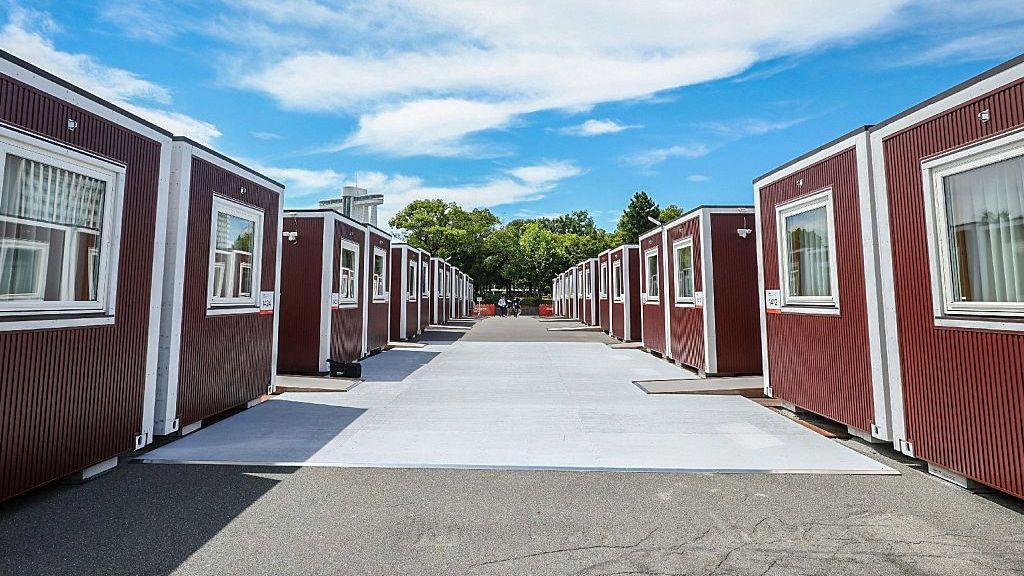 Image source, AFP via Getty Images
-
Published
Wooden container huts meant for thousands of athletes have become the subject of heated criticism ahead of the opening of Japan’s Asian Games on Saturday.
Jung Jae-yong, vice-president of the Korea Basketball Association, told AFP news agency the accommodation was the “worst it has ever been”.
“Athletes who are over two metres (6ft 7in) tall cannot even stretch their legs out on the beds. It’s unreasonable.”
The Games, held in the city of Nagoya and wider Aichi prefecture, have faced weeks of concern about a potential shortage of beds. More than 17,000 athletes and officials are attending – exceeding the initial 15,000 expected.
The containers, which will be housing around 2,000 of the guests and are designed to be reused as disaster evacuation facilities, have been beset by complaints.
A member of the South Korea basketball team posted a video of a leaking pipe and soaked floor in his room, with the caption: “Please help me.”
Athletes were also briefly evacuated from the containers as record rainfall lashed Nagoya last week and caused widespread flooding. Water leakage was reported in some of the competition venues too.
Jung, the basketball official, told AFP that concerns over accommodation were shared by representatives from the other countries at the Games.
Indian authorities have built replicas of the huts to get their athletes used to living in them.
Accommodation manager Yuta Matsuo told Reuters the hosts were “fully aware of the dissatisfaction and concerns voiced by the athlete delegations”.
They were “taking concrete steps to improve the environment for the athletes”, he said.
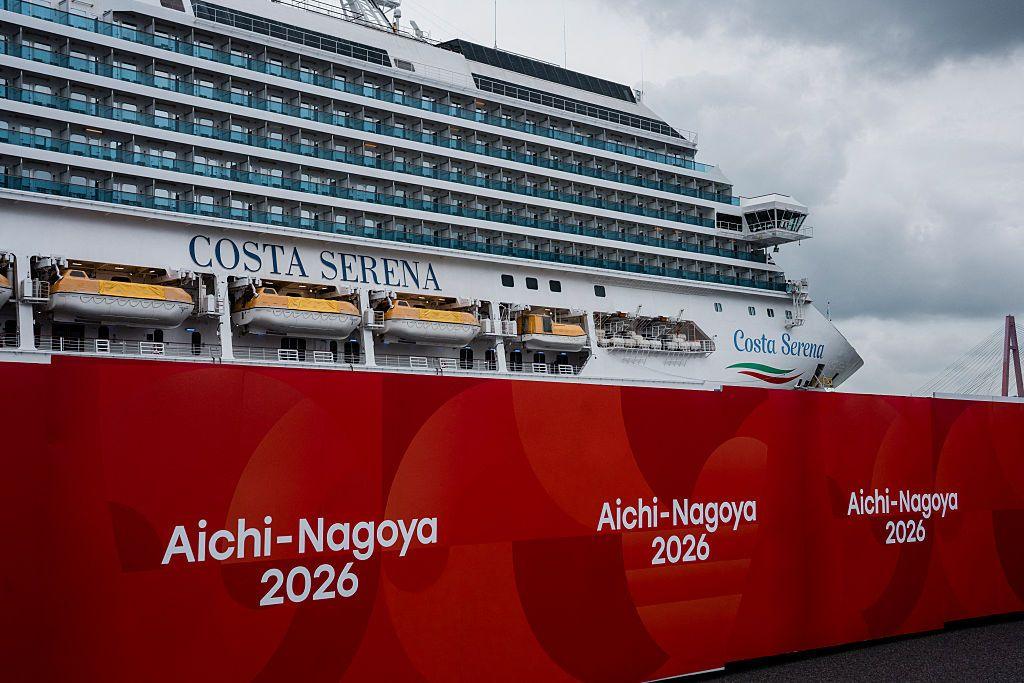 Image source, AFP via Getty Images
Unlike the Olympic Games, where there is usually a designated athletes’ village, organisers have opted to use temporary accommodation for competitors.
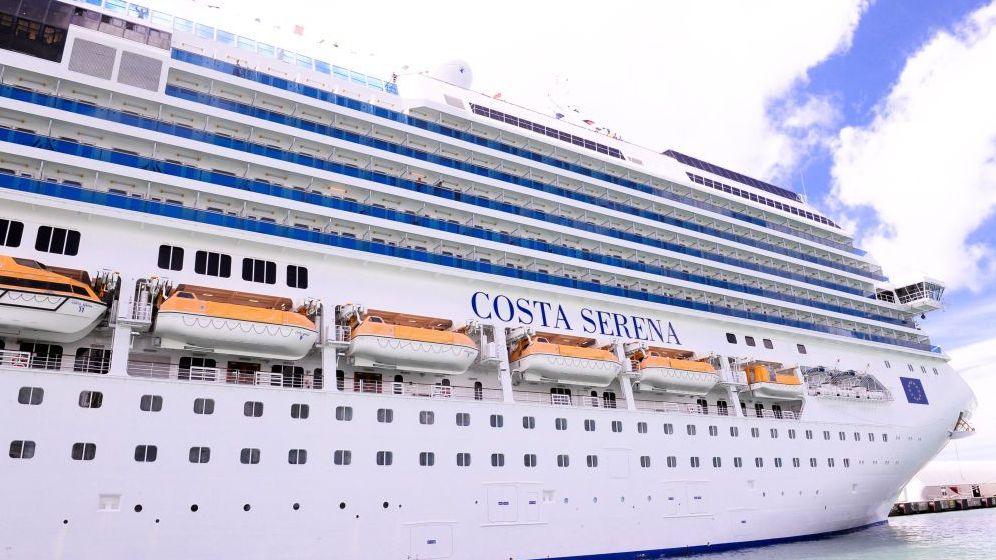
Beyond the container huts, between 4,000 and 5,000 participants will be staying on an Italian cruise ship which docked in Nagoya on Tuesday. The rest of the attendees will stay in hotels.
Initially, 15,000 athletes and officials had been expected to attend the Games.
But in mid-August the Olympic Council of Asia said the number would be closer to 17,000 after teqball – which combines elements of football and table tennis – and padel were included.
Hideaki Omura, president of the organising committee and Governor of Aichi Prefecture, previously said authorities had set aside a budget for 15,000 people and had “neither the manpower nor the budget to make the necessary arrangements” for the additional athletes.
“There is simply nowhere for them to stay. If they still wish to come, they will have to make their own arrangements.”
But last month, organisers and the Olympic Council of Asia said all “17,000-plus” athletes and officials who had registered before the deadline in July have been provided with “Games-appropriate accommodation”.
“The final preparations are all on track and progressing smoothly ahead of what promises to be the most spectacular Asian Games held for generations,” their statement read.
Philippine Olympic Committee president Abraham Tolentino told AFP that while all the country’s athletes have secured a bed, some officials and coaches were staying in “different hotels and Airbnb”.
Though basketball and football matches have already started, the Asian Games officially begin on Saturday and will end on 4 October.
-
-
Published28 August
-
-
-
Published1 day ago

-