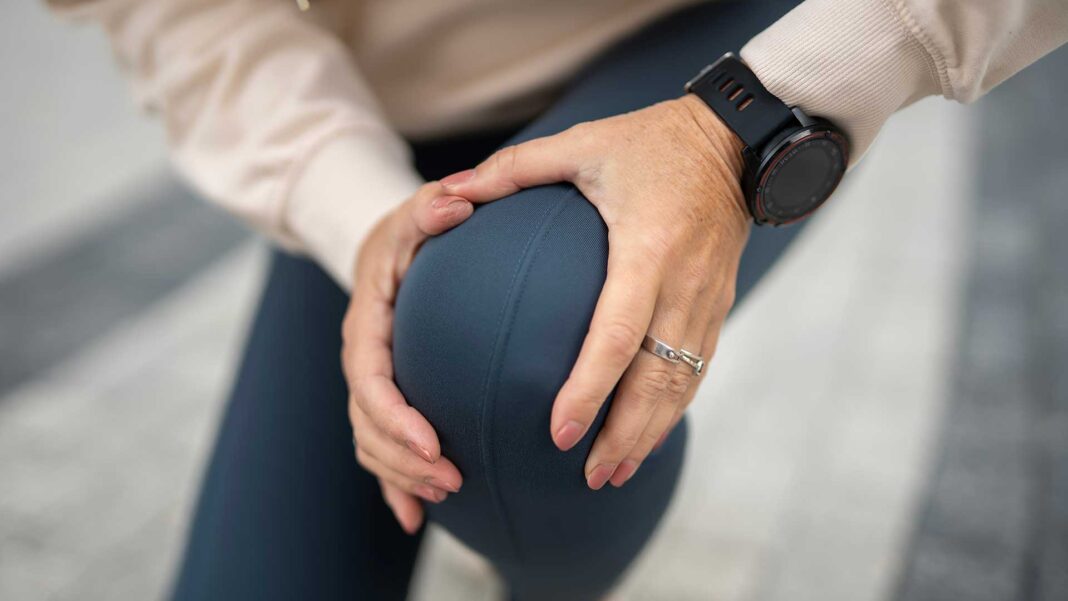

It is filed under the same mental folder as reading glasses and afternoon naps, or as a problem for later. The data tells a more uncomfortable story. For a lot of us, the first twinge arrives decades earlier than we expect, often before we have given our joints a second thought.
The Average Brit Notices Joint Pain At 38
In a survey of 2,000 UK adults, researchers found that the average person starts to experience aches and pains at just 38 years old, and in some cases as early as the early 20s.
Roughly three-quarters of respondents (74%) said they regularly experience musculoskeletal pain or discomfort, and two-thirds (66%) said it affects their everyday life. Even among 18- to 24-year-olds, a quarter reported struggling with upper back pain.
Wider figures back up the picture. In the 2024 Health Survey for England, 26 percent of adults reported chronic pain, with prevalence climbing steadily with age, from 12 per cent of 16- to 24-year-olds to 40 per cent of those aged 75 and over.
Separate research into joint issues specifically found that around 1 in 8 UK adults are dealing with a joint-related problem at any given time, with stiffness in the back and hips among the most common early complaints.
Why It Starts Sooner Than You Think
There is no fixed switch that flips joint pain on at a certain birthday. What tends to happen is quieter and more gradual. From our 30s and 40s, the cumulative wear on cartilage, tendons and the tissues around our joints begins to build up. Add in desk-based work, high-impact hobbies, old sports injuries and the natural dip in activity that comes with a busy life, and the joints simply start to make themselves known.
That is why the figure of 38 matters. It is not the age at which joints suddenly fail; it is the age when many people first pay attention. The stiff knee after a long drive, the achy wrists in the morning, the hip that grumbles on the stairs. These early signals are easy to shrug off, which is precisely why they often go unmanaged for years.
Women Feel It Differently
The data also shows a clear gender pattern. Chronic pain affects 29% of women and 22% of men, and women report arthritis almost twice as often as men. Hip stiffness, in particular, occurs more frequently among women. It is a reminder that joint comfort is not a niche concern for older men; it affects a broad segment of the adult population, earlier and more often than the stereotype suggests.
The Good News: Joints Respond To Care
Noticing joint niggles in your 30s or 40s is not a sentence; it is a prompt. Staying active, maintaining a healthy weight, strengthening the muscles around the joints, and providing them with the right nutritional support can all help you keep moving comfortably for longer. The worst response to early joint pain is to stop moving altogether, which tends to worsen stiffness.
This is the thinking behind FLEX+, Kollo’s dual capsule joint support supplement. It pairs two clinically studied joint actives, AprèsFlex Boswellia serrata and Univestin, with black seed oil and bone-supporting vitamins D3 and K2.
In published studies of the AprèsFlex extract, improvements in joint comfort were seen from around day 5, building over the following weeks and months, while Univestin has been studied for noticeable comfort and flexibility within the first days of use. Most people are encouraged to take it consistently for a full 8 to 12 weeks as part of a daily routine.
Whether you are chasing a personal best or simply want the stairs to feel easier, the takeaway from the data is the same. Joint pain is not a problem reserved for later life, and the earlier you start looking after your joints, the more mobility you are likely to keep.