
UK’s ‘dismal’ Eurovision song choices to be examined by MPs
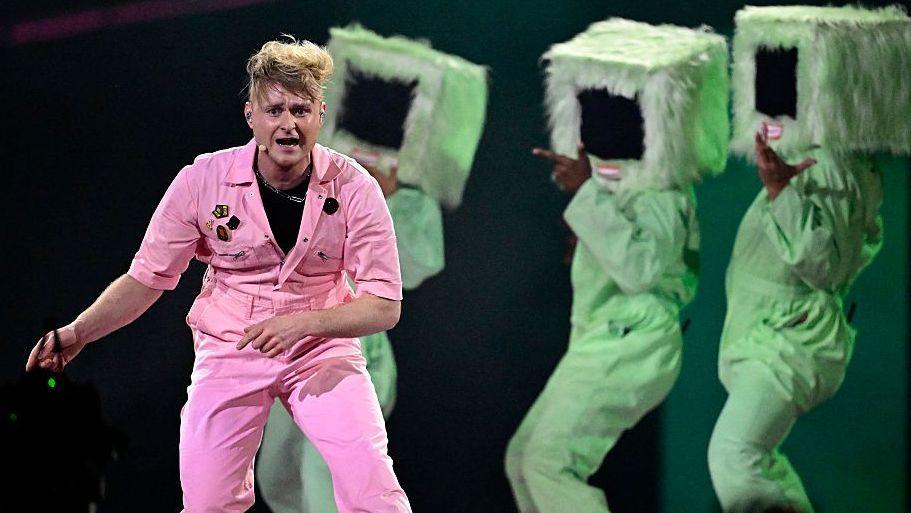 Image source, Tobias SCHWARZ / AFP via Getty Images
-
Published
The UK’s “dismal” record in selecting songs and acts for Eurovision is to be scrutinised by MPs.
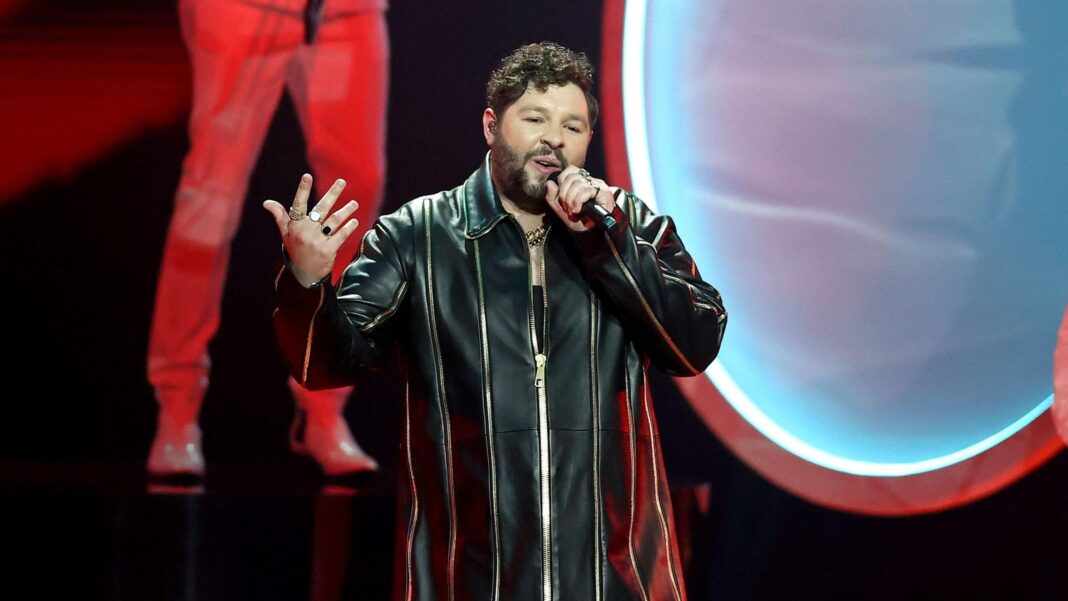
In May, Look Mum No Computer came last with one point. In 2023 Mae Muller finished second from bottom and in 2021 James Newman came last – this time with “nul points”.
The act that represents the UK is selected by the BBC, sometimes with a record label or music management company.
The chair of the Digital, Culture, Media and Sport committee, Dame Caroline Dinenage, said: “We want to get to the bottom of who chooses our entrant, on what basis and whether our dismal record of achievement in recent years [Sam Ryder to one side] is the result of bad song choice, weak performance… or something else”.
It’s expected that figures from the BBC, as well as music industry experts, will be called to give evidence to the committee of cross-party MPs at a hearing that will be held “over the coming months”. The committee is also likely to receive relevant written submissions.
UK music success rarely repeated at Eurovision
Although the UK has, over the years, produced some of the world’s most successful artists, that kind of success has rarely been repeated at Eurovision.
Over the past 15 years, the UK has only come higher than 15th place on one occasion – when Sam Ryder came second with his song Space Man in 2022. He was beaten by Ukraine’s Kalush Orchestra.
And next year’s event, being held in Burgas in Bulgaria, will mark 30 years since the UK last won the contest, when Katrina and the Waves scored 227 points with their song Love Shine A Light.
Many countries choose their entry through a publicly televised selection process.
The last time this was done in the UK was with the show Eurovision: You Decide in 2019. Michael Rice was selected, but went on to come last at the contest in Tel Aviv, Israel.
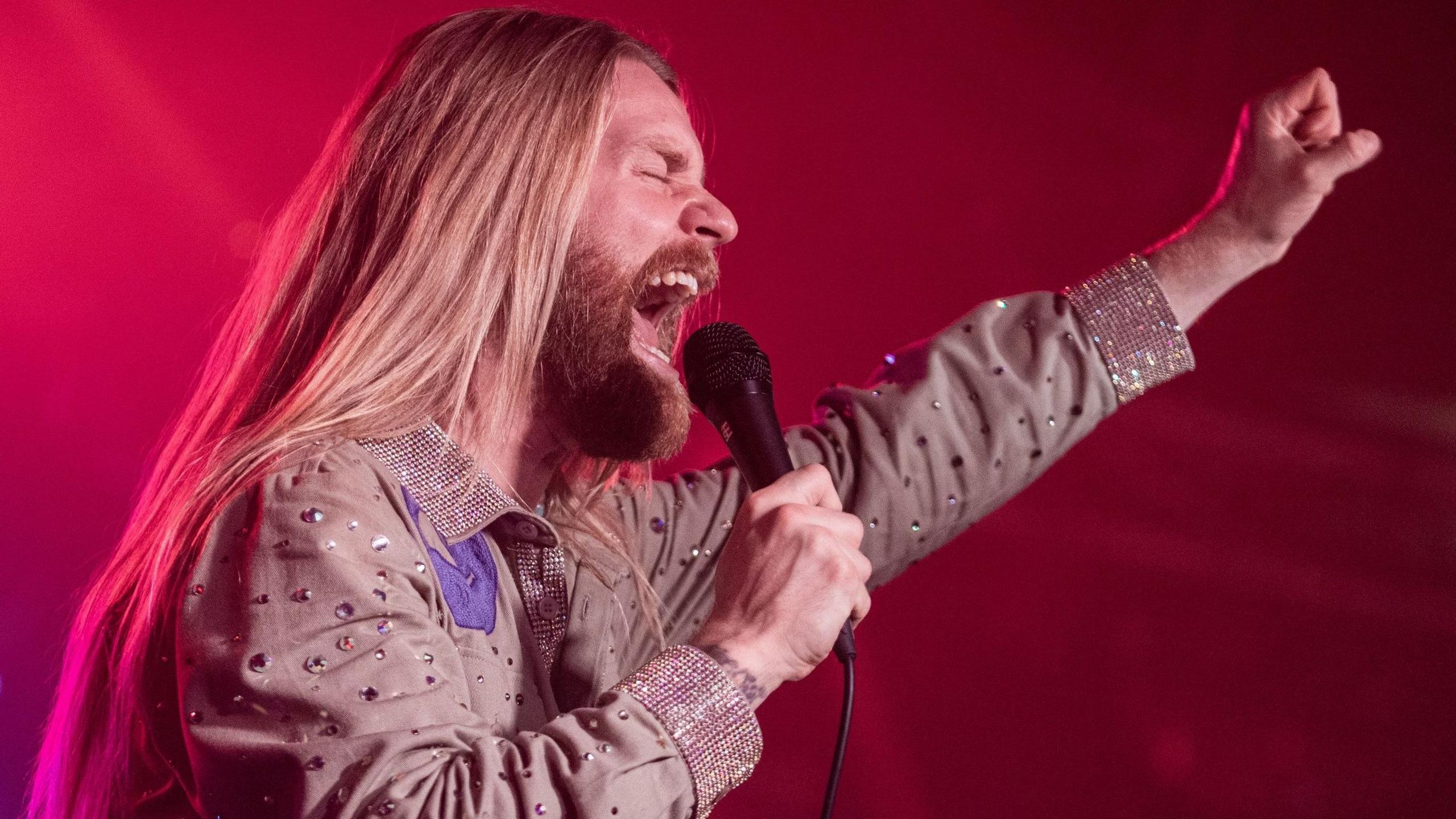 Image source, Getty Images
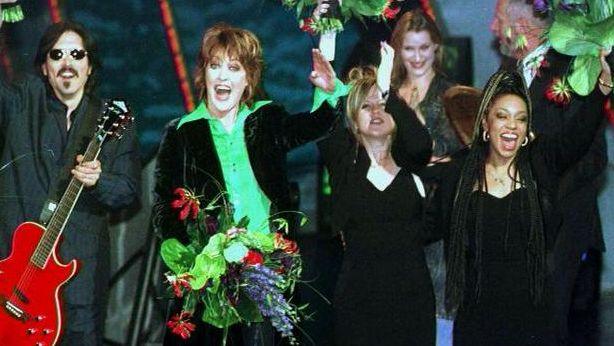 Image source, PA Media
The MPs’ hearing will be part of the committee’s State of Play inquiry, where members of the public or others can request an evidence session to be held into a particular subject that interests or concerns them.
Dame Caroline told BBC News: “This application interested us because of the UK’s reputation for scoring ‘nul points’, coming bottom, or close to bottom in recent years at Eurovision, despite having world-class song writers and musicians.”
The Eurovision final has consistently been one of the UK’s most popular music events, with millions staying up late to watch the final result.
No time frame for the select committee hearing has been set yet, but once all the evidence has been examined, it’s expected that the committee may produce a short report containing recommendations to the BBC.

Get our flagship newsletter with all the headlines you need to start the day. Sign up here.