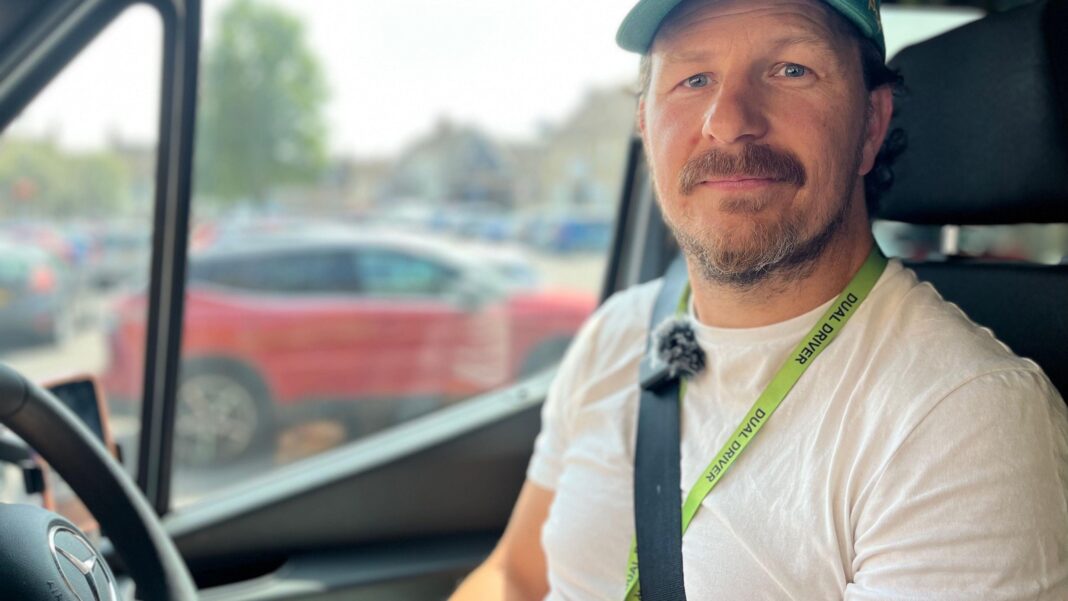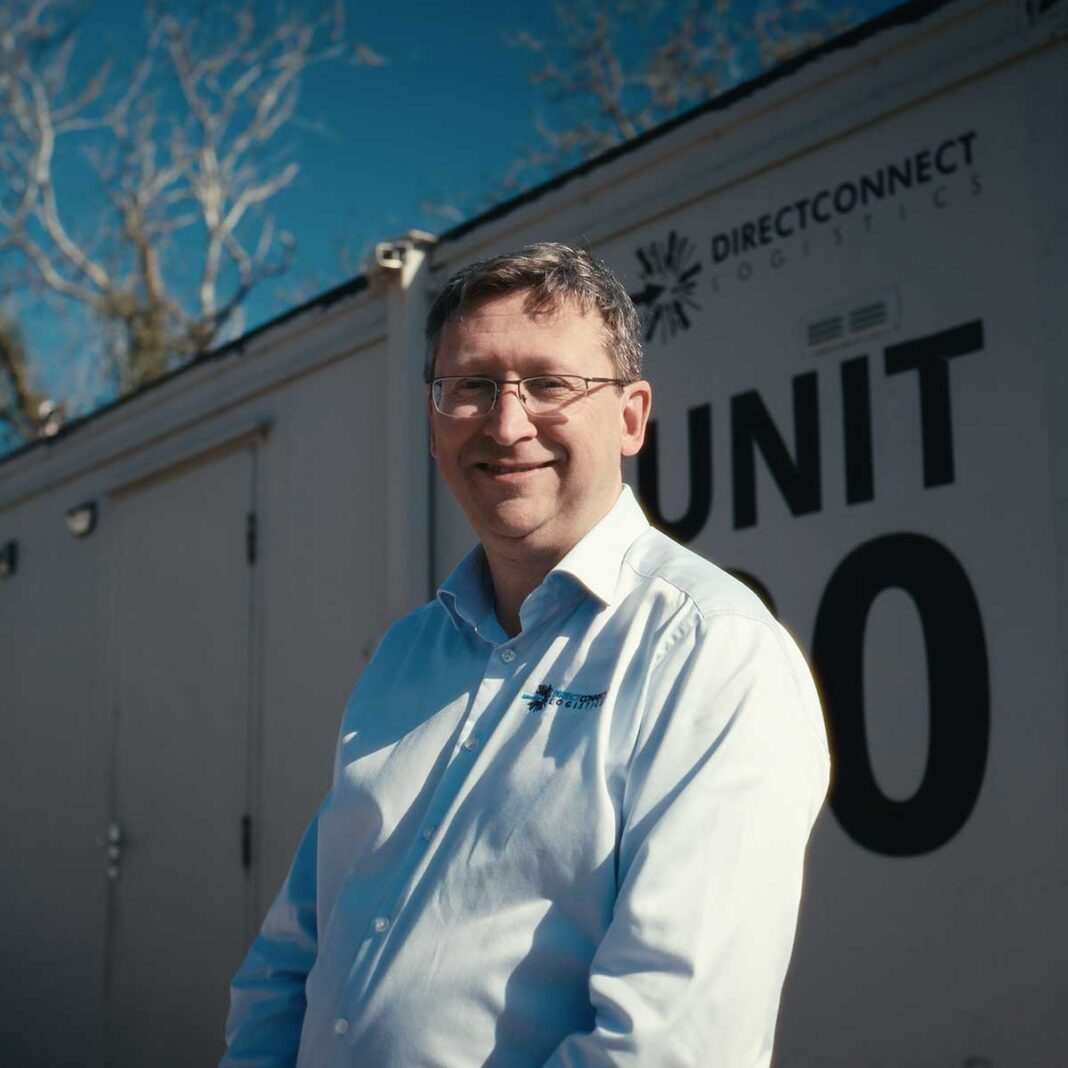

Rhys Hackling started Direct Connect Logistics with two 7.5-tonne lorries and no customers of his own. The Bicester haulier now runs 24 vehicles, including 18-tonne HGVs.
In January 2022 thieves stole pallets of batteries from one of its trucks, a case Rachel Taylor MP cited when she opened a Westminster Hall debate on freight crime in December 2024. He tells Business Matters what it takes to keep a fleet earning.
What do you currently do at Direct Connect Logistics?
I own and run the business. Most days come down to one question: where is each lorry going next, and what is on it?
An empty lorry is money going out of the door. We run 24 vehicles across Bicester, Northampton and Knutsford, including a growing number of larger 18-tonne lorries, moving thousands of loads a month. Every one of them needs to earn.
Around 95 per cent of our work comes through Haulage Exchange, the online freight exchange where hauliers and businesses post loads. People sometimes ask whether that is a risk. I do not see it that way. The work comes from hundreds of different businesses, so no single customer can make or break us.
Away from the yard, I campaign on freight crime. In January 2022, thieves attacked one of our trucks and took pallets of batteries. The lorry was off the road for three days and the load was gone. I have taken the issue to Westminster, because no operator is immune, and people who run haulage firms need to be part of that conversation.
What was the inspiration behind your business?
I started out in air conditioning, not haulage. Then I briefly took over a haulage company, and what struck me was how underused the lorries were. Vehicles would drop a load and come back empty, or sit in the yard waiting for work.
Around then I came across the exchange. Hauliers and businesses post loads there, so you can see what work is out there and where it is going. I realised the problem was not a lack of work. It was finding the right load for the right truck at the right time.
So I set up Direct Connect Logistics with two 7.5-tonne lorries, no work lined up and no customers of my own. The plan was to run everything through the platform and keep those two trucks full. It worked, and that gave me the confidence to grow.
Who do you admire?
I admire the drivers. From day one, looking after our drivers has mattered to me as much as looking after our customers. They are out on the road at all hours, often with nowhere safe to stop, and they carry the reputation of the business with every delivery. When a customer tells me a job was done well, that is down to them.
I also respect anyone who has built a haulage firm. The margins are thin, the hours are long, and nobody hands you anything.
Looking back, is there anything you would have done differently?
I would have spoken up about freight crime sooner. Like a lot of operators, I saw theft as something that happened to other people, or just a cost of doing business. Then we lost a full load of batteries and had a lorry off the road for three days. For a smaller firm, one hit like that can wipe out a month’s profit.
It is not a small problem. The National Vehicle Crime Intelligence Service recorded 3,424 cargo crimes against lorries in 2025, nine a day, with an estimated £65.1m of goods taken at cost price, and the police officers who track it think the real figure is several times higher.
I realised that if people running haulage businesses do not make the case, nobody else will. That is what took me to Westminster. I wish I had started that conversation before it happened to us.
What defines your way of doing business?
Growing carefully. I only expanded when the business could handle it. Two trucks became four, four became six, six became 12, and now we run 24. Each step was based on what we could see in the work coming through, not guesswork. Before we added any 18-tonne lorries, we had already found customers looking for that capacity.
Cash flow is part of growing carefully. In haulage, getting paid matters as much as winning the work, so we keep invoicing and payments in one system and spend less time chasing money.
This year we were named Company of the Year by Haulage Exchange. For a business built one truck at a time, that meant a lot to everyone, from the drivers to the office.
Reputation matters as much as growth. I will not hand work to a subcontractor I cannot check. Before anyone gets near a load of ours, I want to see their licence, insurance and trading status. Freight crime is organised and deliberate, and some of it happens without anyone breaking into anything. Being careful about who you work with is part of running a responsible business.
Customers notice that. They want to know the job will be done properly, first time. Over the years that has earned us more than 6,100 positive reviews, and plenty of customers now come straight to us before looking anywhere else.
What advice would you give to someone starting out?
Do not wait to win your own customers before you start moving freight. I ran our first two trucks entirely on work posted by other hauliers and businesses, planning each return journey so the lorry did not come home empty. The direct relationships came later, from doing those jobs well.
Then set up the back office properly while you are still small. Paperwork that feels manageable with two trucks will swallow your week by the time you have 10.
Grow at the pace the work allows. Only add a vehicle when you can already see the demand for it. Borrowing ahead of the work is how good operators get into trouble.
Above all, protect your reputation. In this industry, like most, word travels fast, and a good name brings the work back.