
Inside Scotland’s wildcat HQ – ‘It’s like Big Brother for cats’
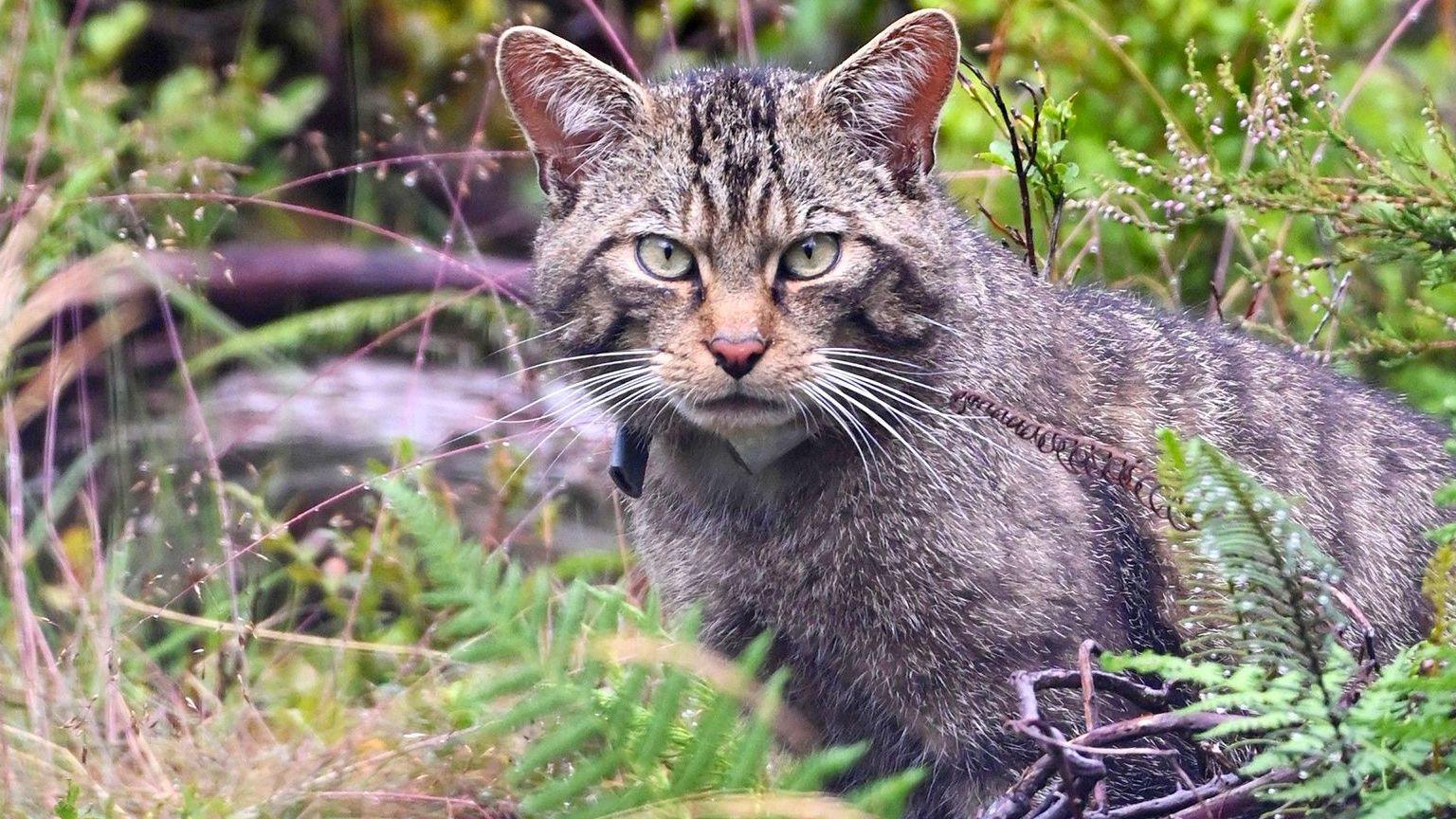 Image source, Saving Wildcats
-
Published
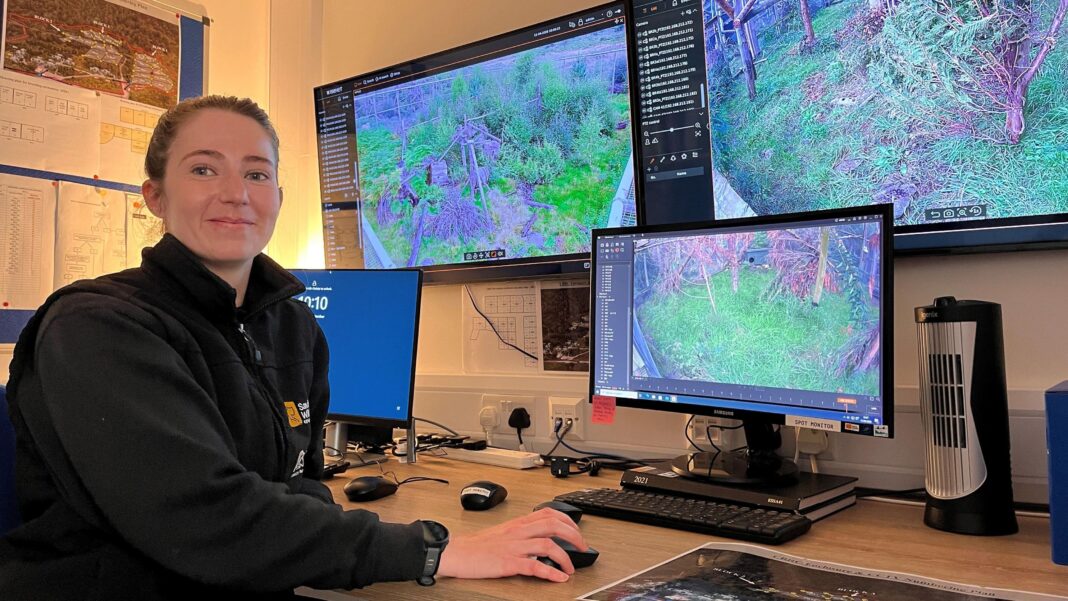
From behind a giant bank of screens in a small windowless room, Estelle Morgan, animal team leader from the Saving Wildcats partnership, is keeping an eye on the latest wildcats being bred in captivity for release into the Cairngorms.
“It’s like Big Brother for cats”, she says of the 72 cameras being used to watch over the animals in their enclosures.
They are assessing whether they’re healthy and have the behavioural potential to survive in the wild.
“We want to know what the cats are actually doing,” she says.
“What are they like without us there? she adds. “Are they able to climb? Are they able to pounce? Can they navigate complex structures? Are they active at natural times?”
This year they were even able to capture on camera for the first time a wildcat giving birth.
It is quite a surveillance programme – but it has to be.
They don’t want the cats to become comfortable around people and contact is kept to an absolute minimum.
They are also assessing the cats’ behaviour ahead of being released: “If we’ve got some cats which are quite bold does that mean they’re more likely to go near roads in the wild, or venture closer to a farm or to human settlements,” she says.
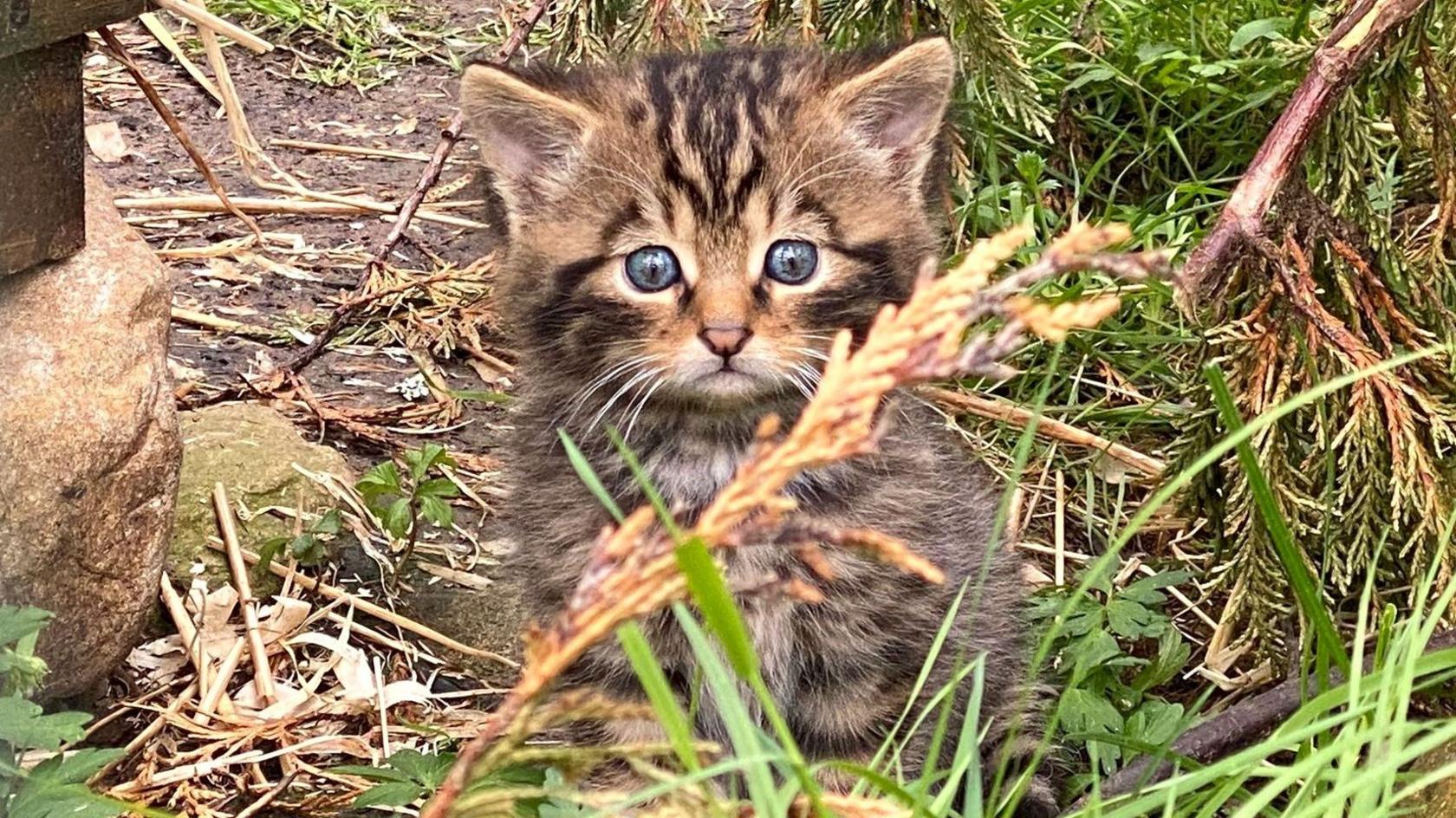 Image source, Saving Wildcats
Saving Wildcats has been successful in reintroducing 46 wildcats into the flats and foothills of the Cairngorms.
Those wildcats have successfully reproduced and the team working on the project are aware of at least 20 wild-born litters to released females since 2024.
There are now plans to reintroduce wildcat populations into other areas in Scotland.
The Cairngorm project has had “an enormous amount of success, but it is only the first step,” says NatureScot species project manager Dr Martin Gaywood.
Now he says they need to think big: “Wildcat conservation is really complex. It has all sorts of threats and issues and in order to restore wildcats to the whole of Scotland we need to plan long term and we need to plan at a big scale.”
Dr Gaywood is optimistic that with careful planning the translocation of wildcats into other parts of Scotland could happen within years: “It would be great maybe within the next five years to start at least one new project, you never know maybe two,” he says.
As well as identifying new release sites, the national strategy will prioritise restoring and reconnecting wildcat habitats to allow the expansion of their range.
In the areas chosen for the eventual translocation of wildcat populations there will be additional microchipping, neutering and vaccination of pet and feral cats to reduce interbreeding.
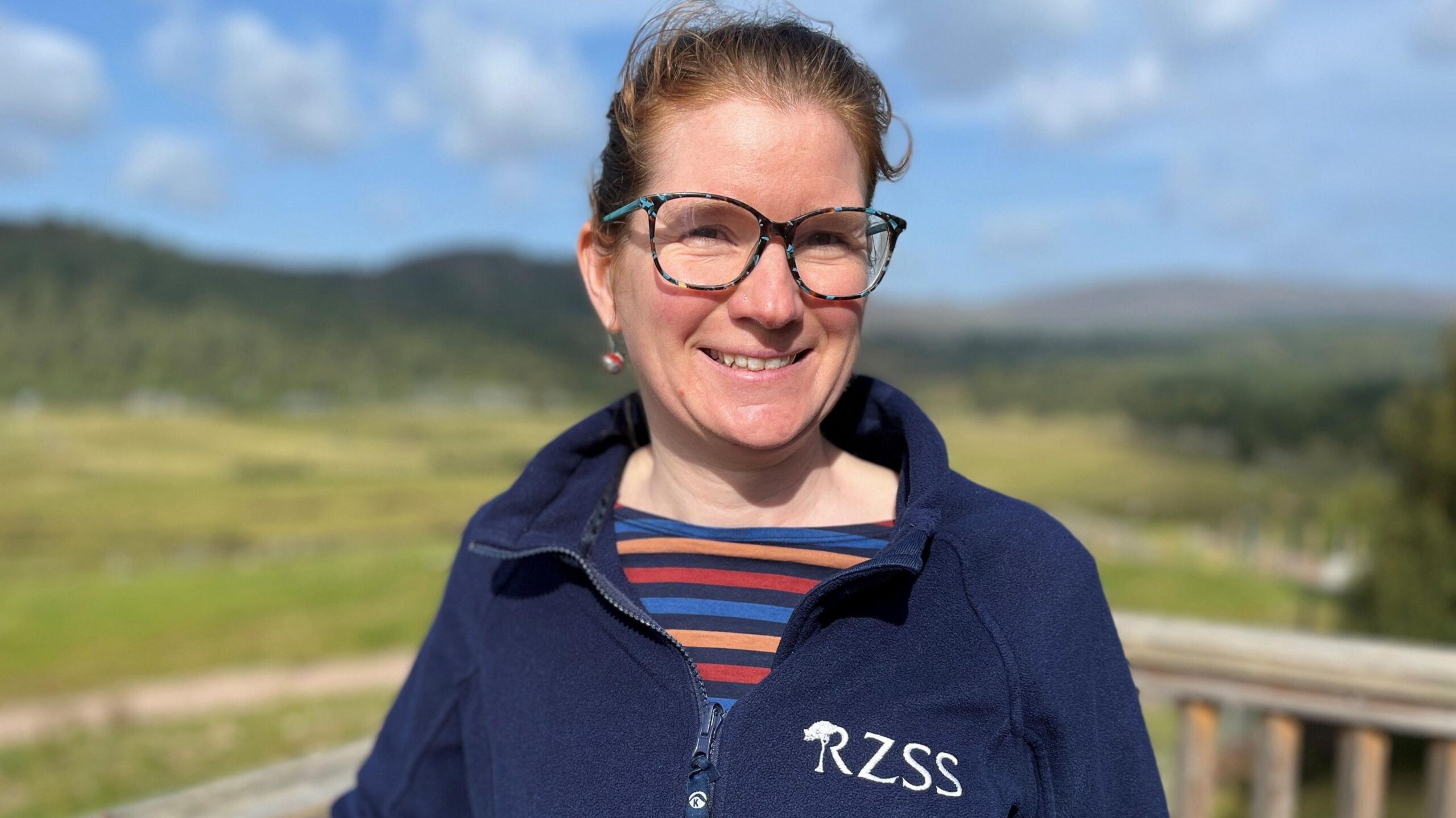
Dr Helen Senn, head of conservation and science at the Royal Zoological Society of Scotland (RZSS), says climate change is one of the reasons why is it important to identify other areas in which wildcat populations can be reintroduced.
“We have had some really big climate incidents here in the Strath over the last couple of years.
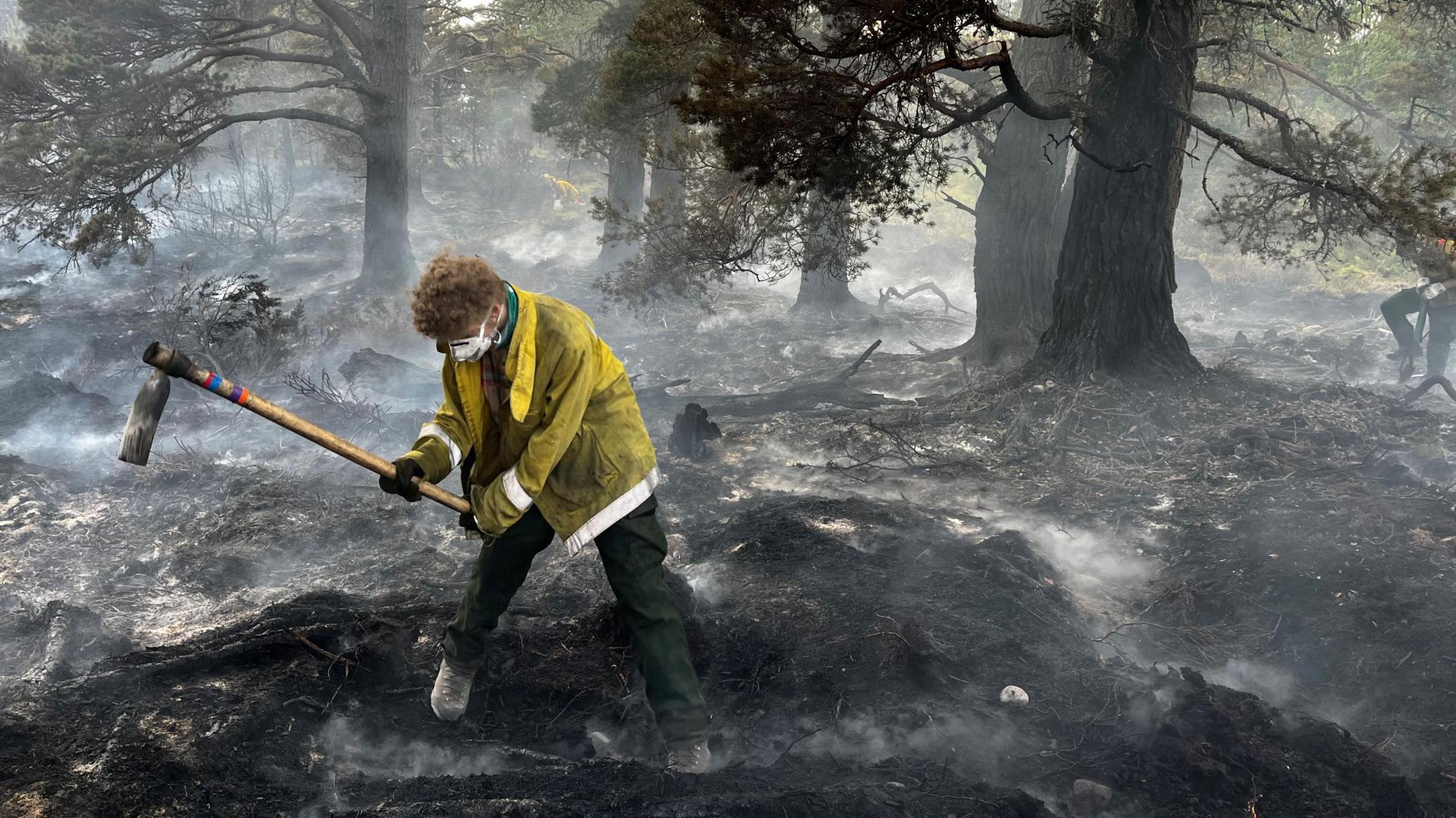
“We’ve had some major storms and flooding incidents. We’ve also had, unfortunately, a very significant forest fire in the north of the release area and all of these have the potential to impact the population”.
She adds: “The way to be resilient to risk is to have larger population sizes and to have populations present in multiple areas”.
In 2018, scientists warned that the Scottish wildcat population was functionally extinct.
They are classed as critically endangered so even once released the wildcats that now roam the Cairngorms are still carefully monitored.
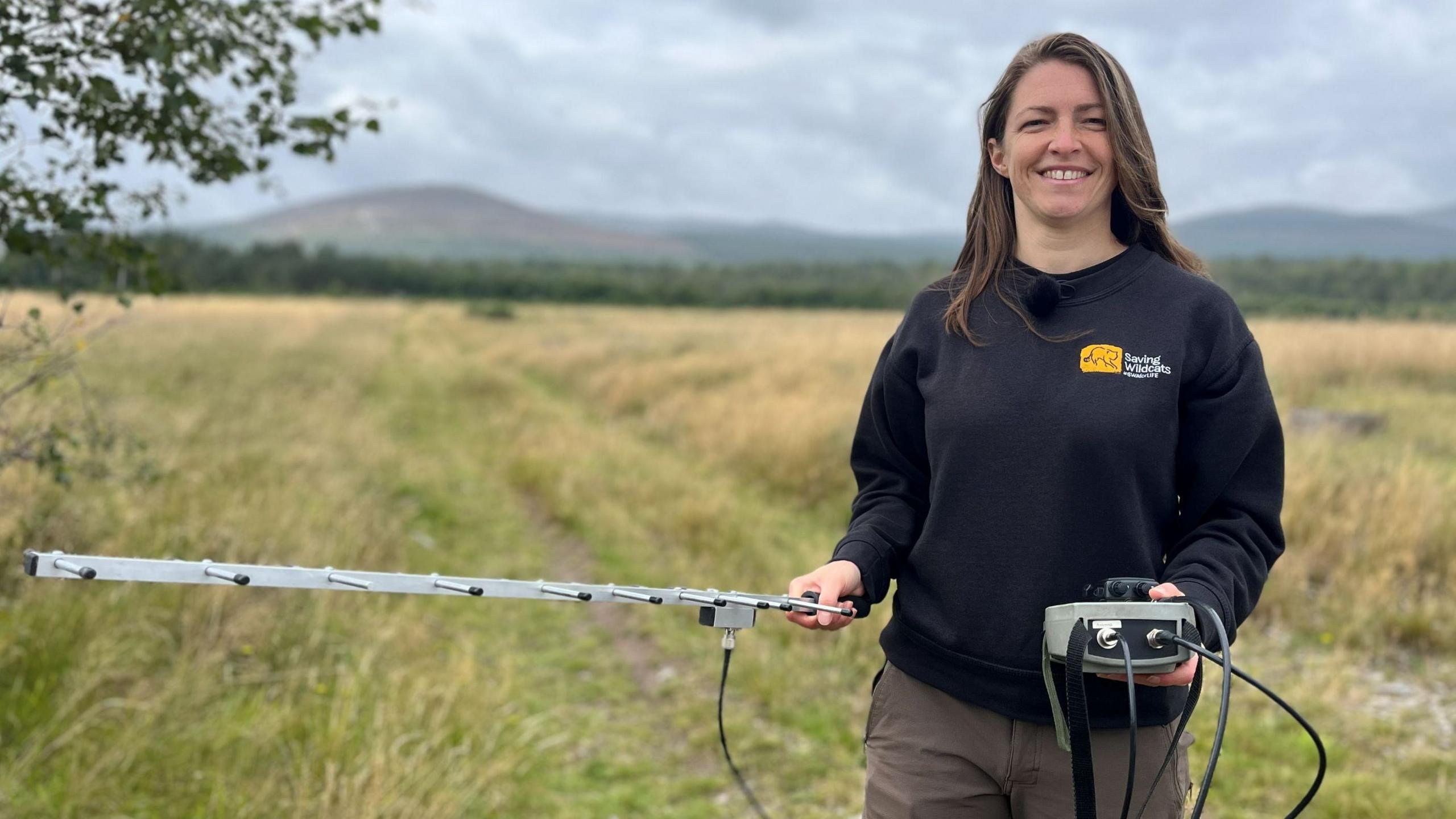
A network of trail cameras – up to 100 at any one time – captures their movements.
The wildcats are also fitted with collars which drop off after around seven to nine months in the wild which emit a signal for a short period of time every day.
Louise Hughes, who is operations manager for the Saving Wildcats partnership, explains that the information they are gathering is invaluable, although not always easy to pick up.
She says the wildcats establishing their new territories: “Might be down a hole, they might be in a tree root, they might have gone for a wander over the mountains.”
But the data can help the scientists learn more about the cats’ movements and hunting behaviour. It can also help them understand the habitat the wildcats are using.
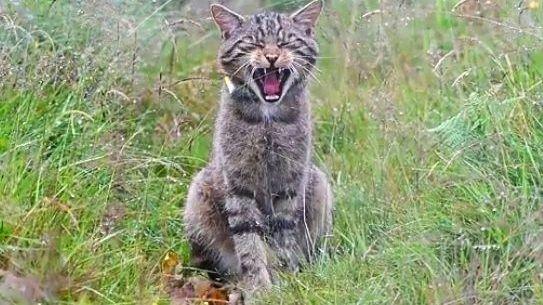 Image source, Saving Wildcats
Scottish Land and Estates has been supportive of the Scottish Wildcat Conservation Action Plan.
Several estates have been actively helping: providing release sites, monitoring the wildcats, recording sightings.
Lots of the information being gathered does come from public sightings.
Louise takes me to the territory on which one wildcat that was recently captured on camera: “The cat that lives in this territory, Sully, is an amazing cat. She was released in 2024 and she has been captured on video swimming across the River Spey.”
Wildcats, she says, “never cease to surprise us.”
Estelle Morgan points out that wildcats were once widespread throughout the UK.
The work they are doing in the Cairngorms will help inform releases elsewhere in Scotland.
She says the only native cat found in the wild in Britain “deserves to be here, they’re part of the landscape.”
-
-
Published17 December 2025
-
-
-
Published20 December 2018
-
-
-
Published29 July
-