

Scientists discover why Kent meningitis outbreak was so severe
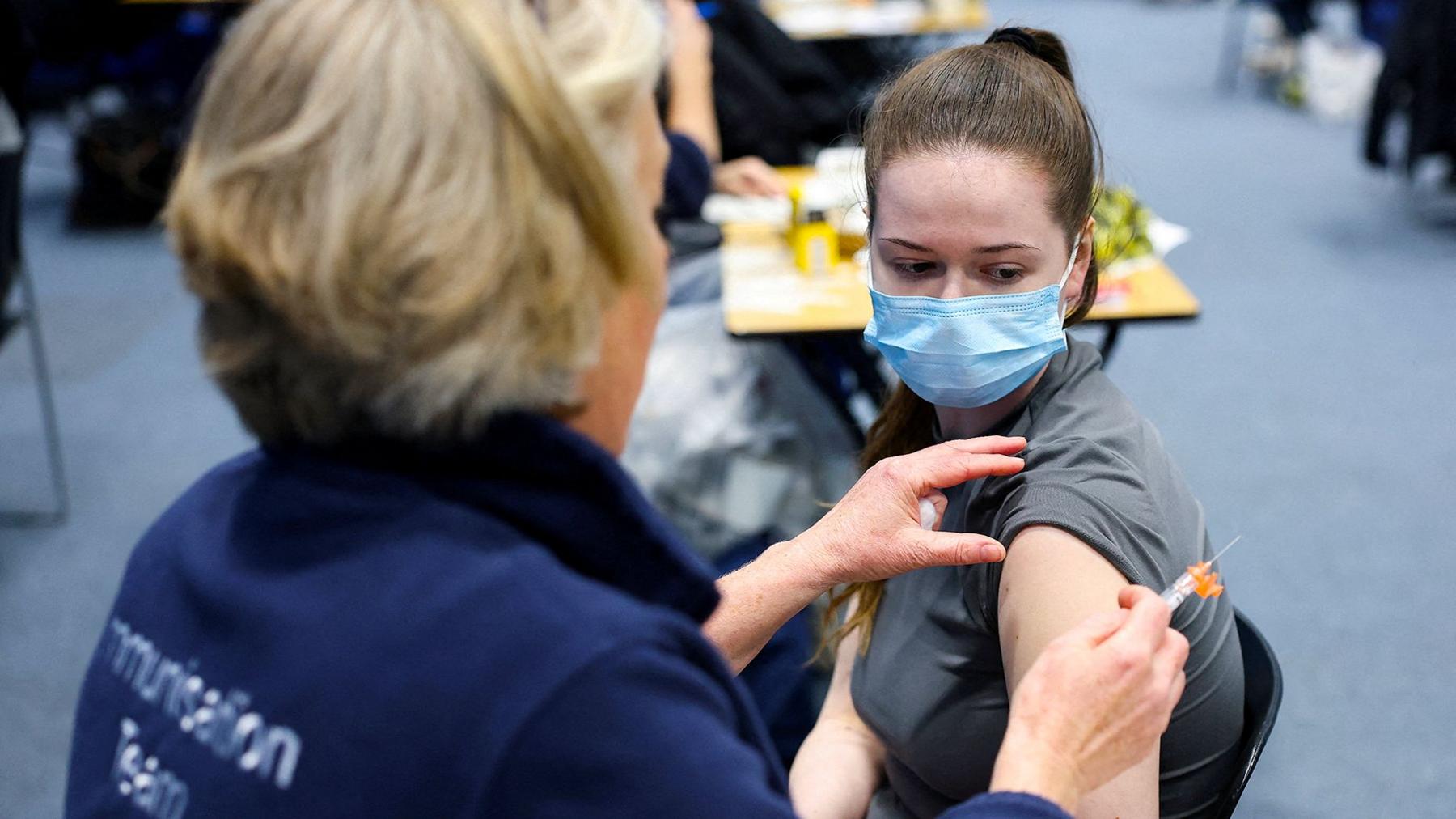 Image source, Reuters
-
Published
Scientists say they have discovered why the bacteria responsible for the UK’s worst outbreak of meningitis B in Kent earlier this year proved so dangerous.
More than 20 young people, mostly students, were infected in the March outbreak, linked to a Canterbury nightclub. All needed hospital treatment, while nine ended up in intensive care and two died.
Experts at the UK Health Security Agency (UKHSA) and the University of Oxford, who have looked at the DNA of the bacterium, external, say it picked up some genetic material from other bugs found naturally in the throats of some people.
This exchange created a new strain or variant that then spread between clubbers and caused severe illness.
Experts stress the meningitis vaccine currently being offered to more than a million young people starting university protects against it.
Rare, but it could happen again
Young people can book to get their Men B vaccine at high street pharmacies across England. There are walk-in appointments too, external.
Two doses offer the best protection. First doses are available until 31 December 2026, with second doses available until 31 March 2027.
Dr Charlene Rodrigues, consultant in Pathogen Genomics at UKHSA, said: “This investigation shows just how quickly and dramatically these bacteria can change.
“The fact this outbreak variant was able to spread to so many young people was due to the social environment, a place where lots of close social mixing takes place.”
Speaking exclusively to the BBC, she said bacteria are known to undergo changes like this, known as horizontal gene transfer.
Such changes can make infections more severe, and may mean they get past the immune system because people haven’t encountered them before.
These events, while rare and unpredictable, could happen again, so experts “should not take their eye off the ball”, she added.
Scientists say speed and severity of the Kent outbreak was very unusual. It was described as “unprecedented” and “explosive” at the time, with so many infections happening in one place and over a very short period.
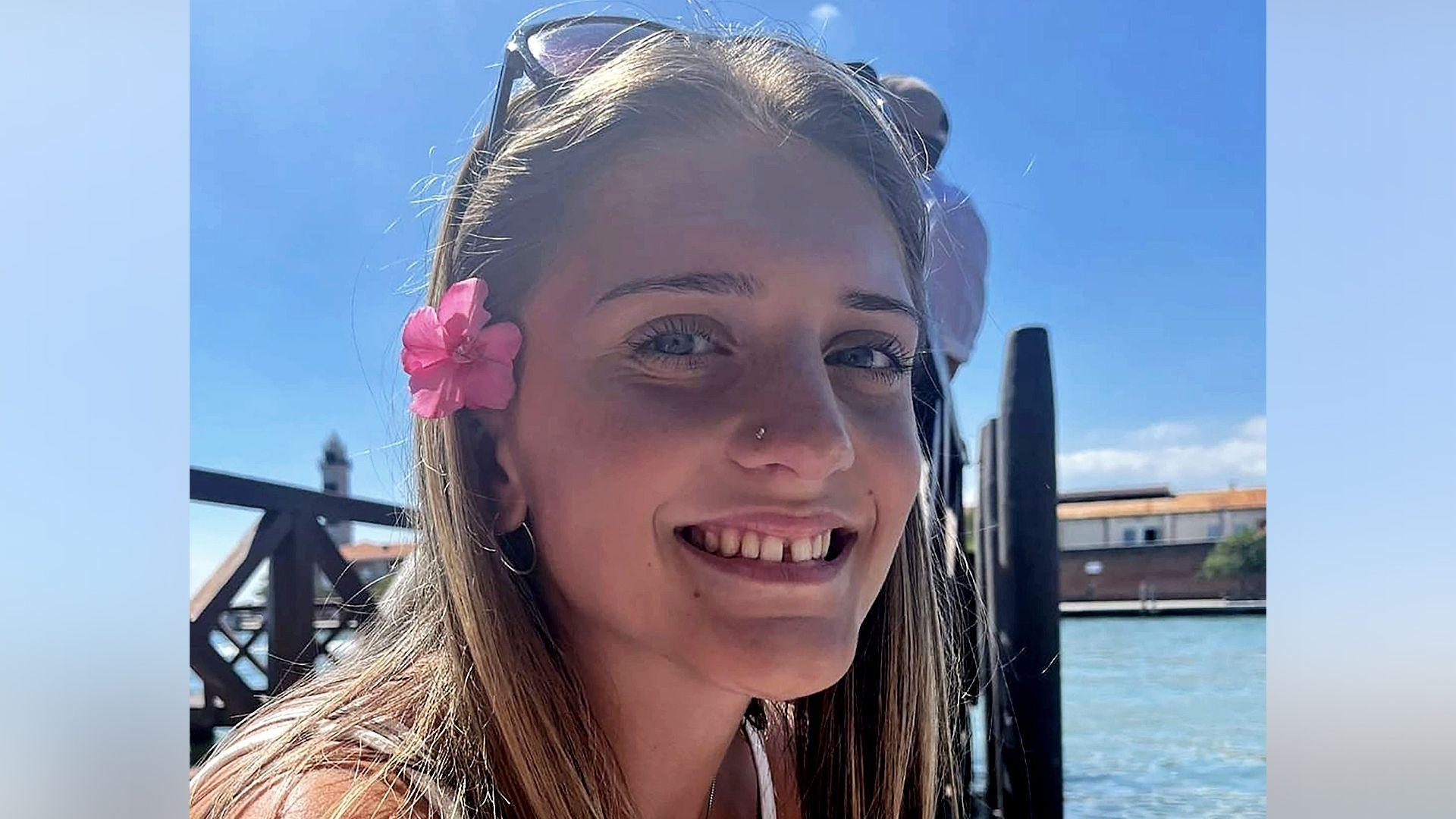
Two people died – a 21-year-old University of Kent student and Juliette Kenny, a sixth-form pupil at Queen Elizabeth’s Grammar School in Faversham.
The outbreak is thought to have started in a nightclub called Club Chemistry in the city centre, which was popular with university students.
It’s likely one person brought the infection in with them, and then it spread that evening.
Meningitis is passed through close contact – including kissing and sharing drinks or vapes.
Dr Rodrigues suspects the very same genetic changes that made the strain so dangerous may also explain why the outbreak was short-lived and did not continue to spread.
People were generally too sick to be silent carriers who can pass it on unknowingly to others.
Following the Kent outbreak, a one-off menB vaccination programme was launched to protect young people heading to university this autumn.
Advisers, are asking the government to consider introducing MenB jabs routinely for secondary school-aged people at around the age of 15 to better protect them against a disease that can be deadly.
Anyone concerned about symptoms of meningitis or sepsis, which can include fever, headache, stiff neck, sensitivity to light, a rash that does not fade under pressure, difficulty breathing and muscle pain should seek medical help immediately.
-
-
Published3 August

-
-
-
Published16 March
-
-
-
Published16 March
-
-
-
Published3 August
-