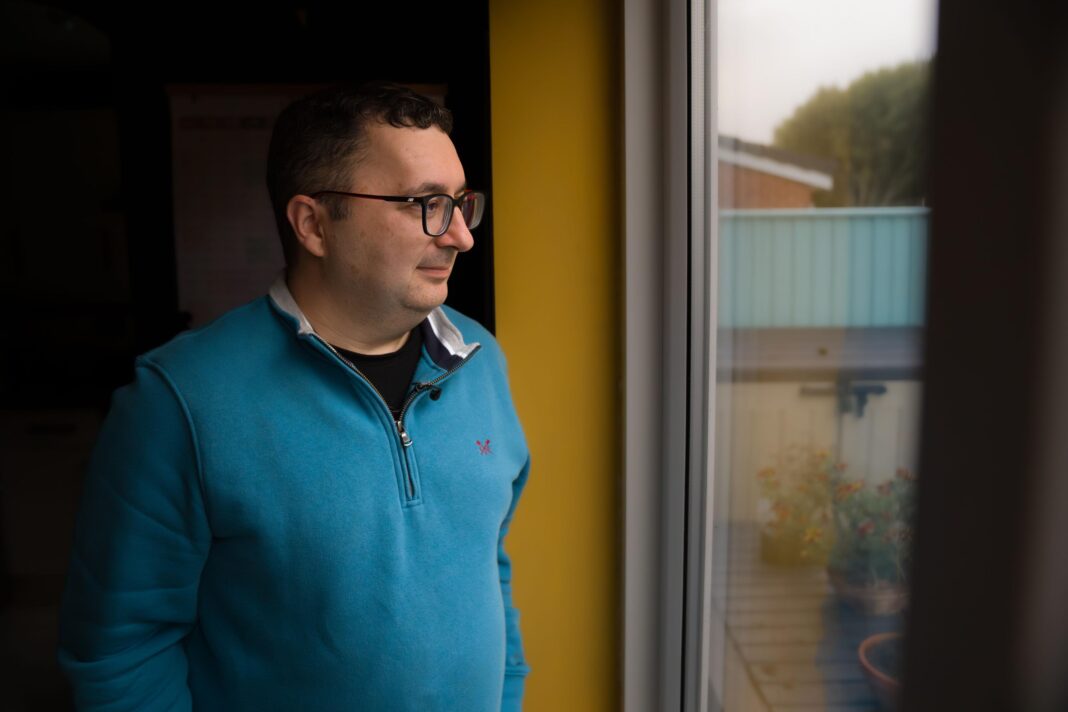

Blood tests find high level of cancer-causing forever chemical in residents near factory
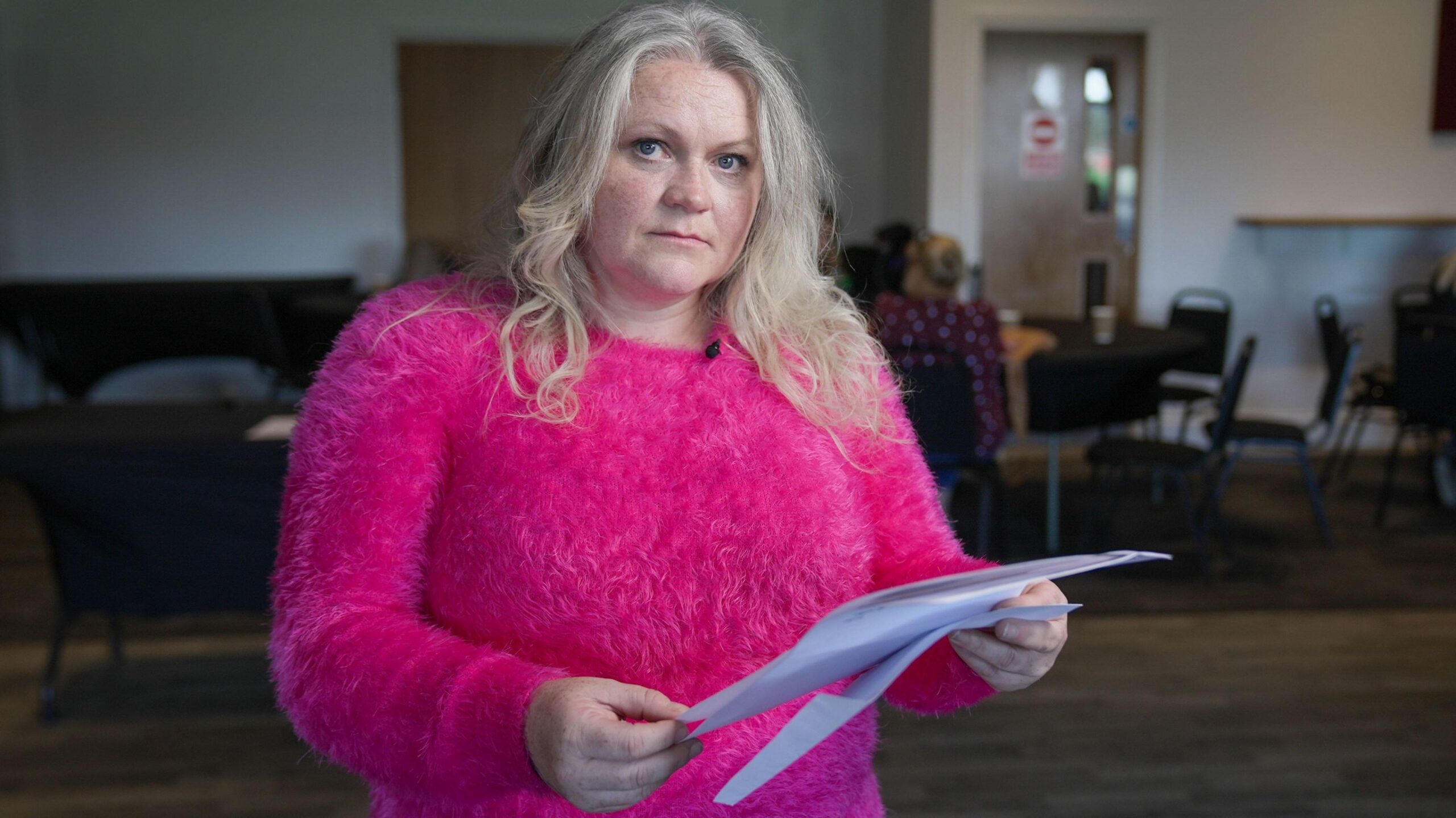 Image source, Tony Jolliffe/BBC
-
Published
Blood tests have found “really high levels” of a cancer-causing forever chemical in dozens of people living near a major chemical factory in the UK.
The residents, from Thornton-Cleveleys, Lancashire, have been told they could be at elevated risk of serious health conditions from the substance, known as PFOA.
The village has been under investigation for years by the Environment Agency over contamination of soils and locally grown food from the substance, which is a type of forever chemical – so-called because they do not easily break down.
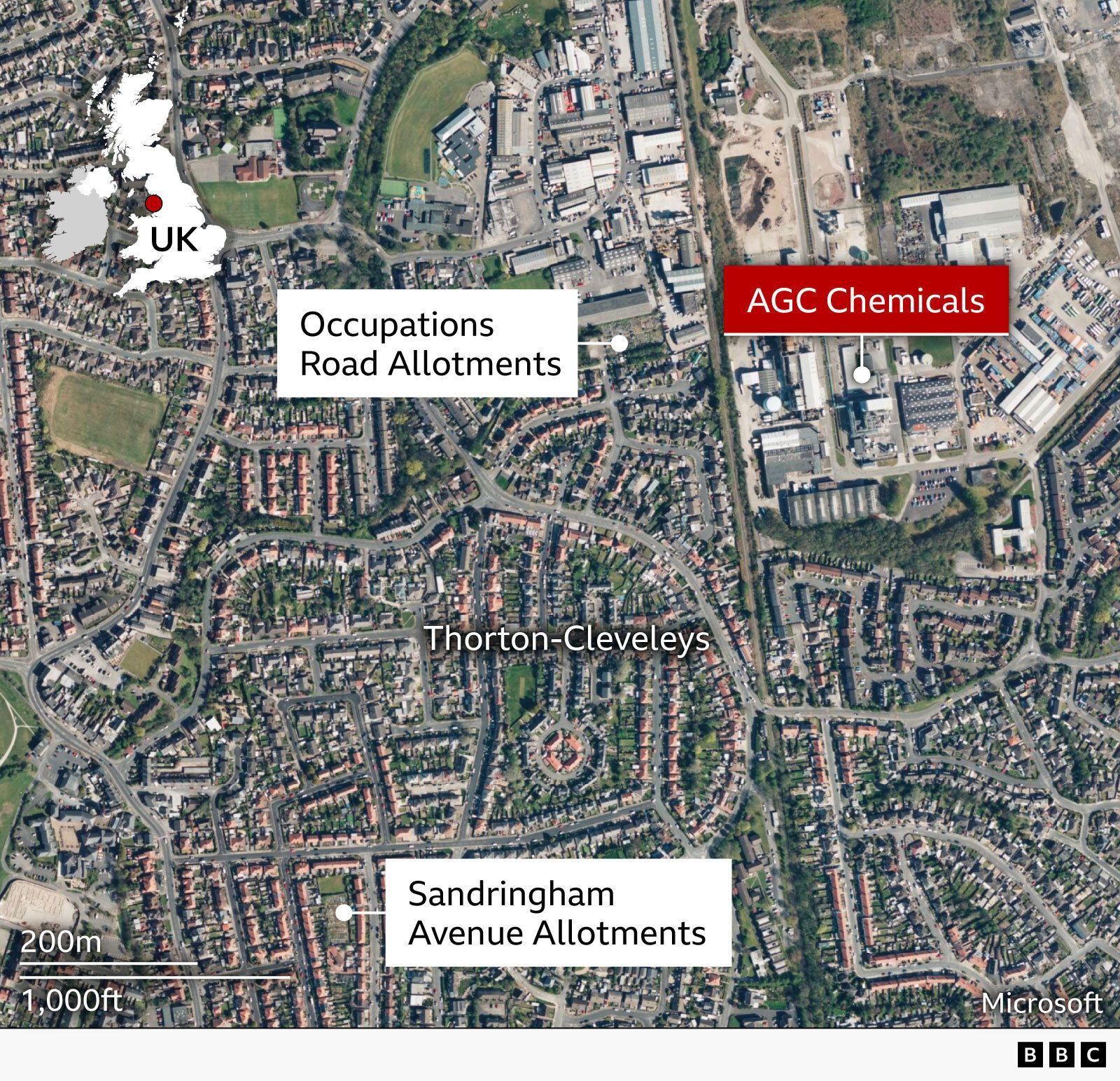
That investigation said high levels likely came from the nearby AGC Chemicals factory, which used it to manufacture coating for frying pans until 2012.
Sam and her husband, both from the village, have been told they were at increased risk of health impacts from PFOA. However, she told the BBC was more shocked by her son’s result.
“When we opened the results…it was like, my God, that is ridiculously off the scale.
“I feel guilty because I’ve introduced [my children] to that way of life. I know it isn’t my fault, but the guilt is horrific. Knowing that I’ve offloaded what levels I probably had over the years into those children when I breastfed them – that’s heartbreaking,” she said.
‘It’s quite emotional, a shock’
Forever chemicals are a group of substances, also known as PFAS, that are resistant to water and oil and are in thousands of everyday products, such as clothing and cookwear.
But because they do not break down easily they have raised health concerns. PFOA has been banned in the UK since 2020 because it was classed by the World Health Organisation (WHO) as a Group 1 carcinogen, which means there is clear scientific evidence it can increase the risk of cancer.
The Environment Agency and Wyre Council have been testing the area close to the AGC Chemicals factory since 2024 to determine if it has been contaminated.
They found PFOA at elevated levels in the soil, eggs and locally grown vegetables. Two allotment sites have now been closed and are due to be classified as contaminated land, while residents within 1km of the factory have been advised to peel any fruit or vegetables grown in their gardens.
Those investigations concluded the PFOA was likely to have come from the factory having been carried in the air.
Residents previously asked the council to test their blood for the chemical. But according to the UK Health Security Agency, PFAS monitoring is not currently recommended because “tests are unlikely to provide clear information for individuals”.
Instead independent tests were offered by Manchester Metropolitan University, paid for by investigative journalists Watershed and Law for Change – which funds cases covering environmental issues.
Forty-nine residents volunteered, and they were told their blood test readings on Wednesday.
Andrew Molloy found out he was in the highest-risk category.
“I was half expecting it to be just normal,” he said. “Because the investigation here has all been focused on – you’re only really being at risk if you eat fruit and veg from the garden or grow your own eggs – which I don’t.”
Andrew’s home was built on land that used to be part of the factory. He underwent the tests because he was worried about persistent health problems in his family.
“One of the first things I’m going to do is take [the results] to my GP and at least get it on my record. They seem to refuse to do anything related to this, but now I have hard information and data,” he said.
Mario Panteli, who was visibly shaken by his results, which were among the highest, said it was “quite emotional, a shock”. He added: “I bought a property, assuming that this is our forever home. I’m going to have to stop my children from going in the garden, front and back. I feel constricted, like I’m in a cage now.”
Dr David Megson, who carried out the testing at Manchester Metropolitan University, said the results made him feel sick.
“To me, it shows something seriously wrong has happened to that community in that area, that the levels were far higher than anything we would have ever expected to see in the general population.”
The UK does not have any recommendations about acceptable PFAS levels in people, although the US and Germany do.
Of the 49 residents tested, 70% had readings that could leave them at increased risk of adverse health effects, according to these countries’ guidelines.
Possible effects include a higher risk of reduced thyroid function, kidney cancer, testicular cancer, elevated cholesterol, pre-eclampsia and ulcerative colitis.
Having elevated forever chemicals in their blood is not a guarantee residents will develop these conditions, but US and German authorities have suggested anyone with elevated levels should be offered further health screening.
Factory to close later this year
More than 100 residents, including those who had their blood tested, are now considering taking a group legal action against AGC Chemicals to claim damages for the contamination
Sarah Moore, partner at law firm Leigh Day – which is representing some residents – said compensation could be sought for financial losses on residents’ homes and the impact it has had on their use and enjoyment of the land.
She said damages could also be sought “in relation to the health risks, which we now consider to be a significant issue as a result of the testing we’ve been doing locally”.
The case would be “groundbreaking in the UK,” she added and would be the first time a community has brought a legal claim over contamination from forever chemicals in the country.
Overseas, one of the biggest legal cases over PFOA contamination was in West Virginia, in the US, which was depicted in the 2019 film Dark Waters. In that case, DuPont and Chemours Co settled more than 3,500 PFOA lawsuits for a total of $671m (£526m). Both companies have always denied any wrongdoing.
The factory in Thornton-Cleveleys first start operating in the 1950s, when ICI manufactured coating for non-stick frying pans using PFOA. AGC Chemicals took over the factory in 1999 and continued using PFOA until 2012, when it switched to a replacement chemical called EEA-NH4, which was also found in the blood of 10 residents tested.
A spokesperson for AGC Chemicals said the site manufactured chemicals long before the company was established. “Since the wider multi-agency investigation is still ongoing and no formal determination of land contamination has been made, we cannot speculate on future outcomes or next steps,” they said.
Earlier this month, AGC Chemicals said the factory would close later this year after deciding there was no “viable solution to keep the site operating in the context of a volatile and competitive market”.
-
UK launches plan to tackle ‘forever chemicals’ amid growing concerns
-
Published3 February
-
-
Tests on carcinogen found in gardens and allotments
-
Published8 January 2025
-
-
Egg warning over carcinogenic chemical near plant
-
Published2 February
-
Dr Steve Hajioff, a specialist in public health, who was not involved in the Thornton-Cleveleys blood testing, said PFOA levels could have been even higher in the past, given the factory stopped using the substance in 2012 and it does break down over time.
He said the levels measured in Thornton-Cleveleys are associated with elevated risks of serious health condition, but added: “If you increase the risk of something really rare, like kidney cancer or testicular cancer, by 30%, then the chances of an individual getting affected are still pretty low.”
Moore said she was representing residents in the community who were pregnant and worried about their children, as well as those who have families who were refusing to visit their homes over concerns about the risks.
“What we’re looking at in Thornton-Cleveleys at the moment might be seen as something of an outlier. My worry is that it’s the tip of the iceberg, it’s just the beginning,” she added.
The researchers said further blood testing should be done in the wider community to understand the scale of the issue.
A previous report into PFAS in Jersey recommended that residents with elevated levels should be offered treatment, including cholesterol-lowering medications and blood letting – a treatment where blood is gradually withdrawn from a vein, allowing the body to naturally replenish it.
Wyre Borough Council, which is overseeing the investigation into the site, said: “We recognise that PFAS is an emerging area of scientific research and will continue to press for updated advice and guidance from expert health agencies on behalf of our communities as further evidence becomes available.”
The Truth About Forever Chemicals
Reporter Catrin Nye reveals how PFAS can affect health and contaminate the environment, and she asks if the UK government is doing enough to keep us safe.
Watch on iPlayer now or on BBC One on Monday 1 December at 20:00 GMT (20:30 in Northern Ireland, 23:15 in Scotland)