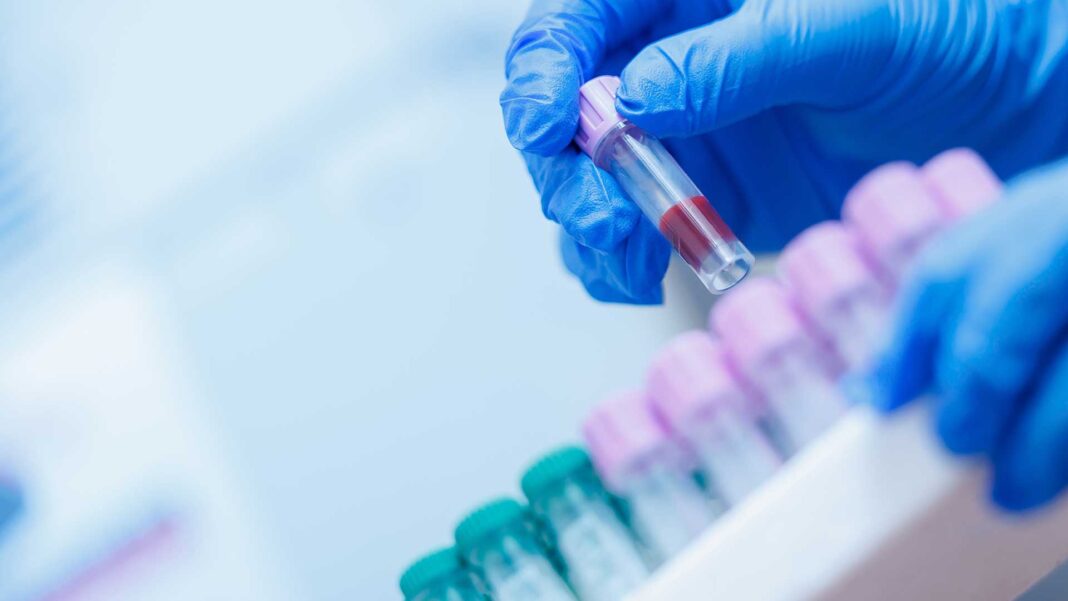

Automation can help laboratories process samples efficiently while supporting accuracy, traceability, and repeatable workflows. It does not replace the knowledge of trained scientists and laboratory professionals. Instead, it provides tools that help teams manage complex tasks at scale.
Why Consistency Matters in Sample Processing
Sample processing covers the steps that prepare biological materials for storage, testing, or analysis. Depending on the study, these steps may include receipting, blood fractionation, aliquoting, liquid transfer, DNA or RNA extraction, quantification, and normalisation.
Consistency is essential because samples need to be handled in a way that supports reliable downstream analysis. If one set of samples is processed differently from another, it may become harder to understand whether changes in the results are meaningful or related to laboratory variation.
Automated equipment can help follow the same programmed procedure across large batches of samples. This can support more standardised workflows and reduce the amount of repetitive manual work required.
High-Throughput Processing for Large Studies
A high-throughput laboratory is designed to handle large numbers of samples efficiently. This can be particularly valuable for clinical trials, population health programmes, genomics projects, and pharmaceutical research.
As sample volumes increase, laboratories need systems that can maintain quality without creating unnecessary delays. Automation can help manage routine processes at a larger scale, allowing laboratory teams to focus their attention on quality oversight, problem-solving, and specialist work.
For example, automated liquid-handling systems can assist with transferring samples between containers, creating aliquots, pooling samples, and preparing materials for further testing. This can be faster and more consistent than carrying out every step manually.
Reducing Unnecessary Sample Handling
Biological samples can be sensitive to repeated handling and changes in temperature. Every time a sample is removed from storage, transferred, or processed, there is a possibility of disruption.
Automated systems can reduce the amount of manual handling involved in certain workflows. They can also help laboratories work with smaller sample volumes and create aliquots that are suitable for future testing.
Aliquoting can be especially useful for preserving a parent sample. Instead of repeatedly thawing and refreezing the same material, laboratories can use smaller portions for separate analyses. This helps protect the remaining sample for future use.
Improving Traceability and Data Management
Automation is most effective when it is connected to clear data management. A sample must be more than physically processed. It needs to be accurately identified and tracked throughout its journey.
Laboratory information management systems can record sample receipt, movements, processing steps, storage locations, and associated data. Barcodes and digital records help laboratory teams identify the correct samples and reduce the risk of manual transcription errors.
This traceability is important for research quality, audit readiness, and practical study management. It also makes it easier to locate specific samples when they are needed for additional analysis.
Supporting DNA and RNA Workflows
DNA and RNA extraction can be an important part of many genetic and biomedical research programmes. Once nucleic acids have been extracted, they may need to be quantified and normalised before they are used in downstream analysis.
Automation can support these workflows by helping laboratories process high sample volumes using defined methods. Quantification helps determine the amount of nucleic acid available, while normalisation can prepare DNA or RNA to meet the requirements of a particular analysis.
The right workflow will depend on the sample type, study protocol, and planned research method. Careful planning is needed to make sure the process matches the scientific goals of the project.
Flexibility Is Still Important
Although automation can support standardisation, research programmes are not always identical. A clinical study may have specific requirements for collection, processing, storage, or reporting.
A good processing strategy should be flexible enough to adapt to these needs while maintaining appropriate quality controls. This may include bespoke collection kits, tailored sample handling procedures, or different reporting requirements for a particular study.
A specialist Sample Processing Service can help research teams combine high-throughput automated workflows with the flexibility needed for clinical and biomedical programmes.
Plan Automation Early in the Study
Automation works best when it is considered early. Before a project starts, research teams should think about expected sample volumes, collection schedules, required turnaround times, sample types, and long-term storage plans.
Important questions include:
- How many samples will be processed each day or week?
- Which processing steps need to be completed?
- Will samples require DNA or RNA extraction?
- How will samples be labelled and tracked?
- Are there specific storage requirements?
- What data or reports will the study team need?
Answering these questions early can help create a workflow that remains practical as the study grows.
FAQ
What is automated sample processing?
Automated sample processing uses laboratory equipment and software to support tasks such as sample transfer, aliquoting, extraction, quantification, and normalisation.
Why is automation useful for large studies?
Automation can help laboratories manage high sample volumes with more consistent workflows and less repetitive manual handling.
Can automation improve sample traceability?
Yes. When automated systems are connected to a Laboratory Information Management System, they can support clear tracking of sample identities, movements, and processing activities.
Does automation replace laboratory staff?
No. Automation supports laboratory staff by assisting with repeatable tasks. Trained professionals are still needed to oversee processes, review quality, and manage complex requirements.
Conclusion
Automation can help research laboratories process large numbers of samples more efficiently while supporting consistency and traceability. By combining automated workflows with careful planning and skilled laboratory oversight, research teams can create a stronger foundation for reliable clinical and biomedical studies.