
Rayner criticises visa rule proposals ahead of Labour conference
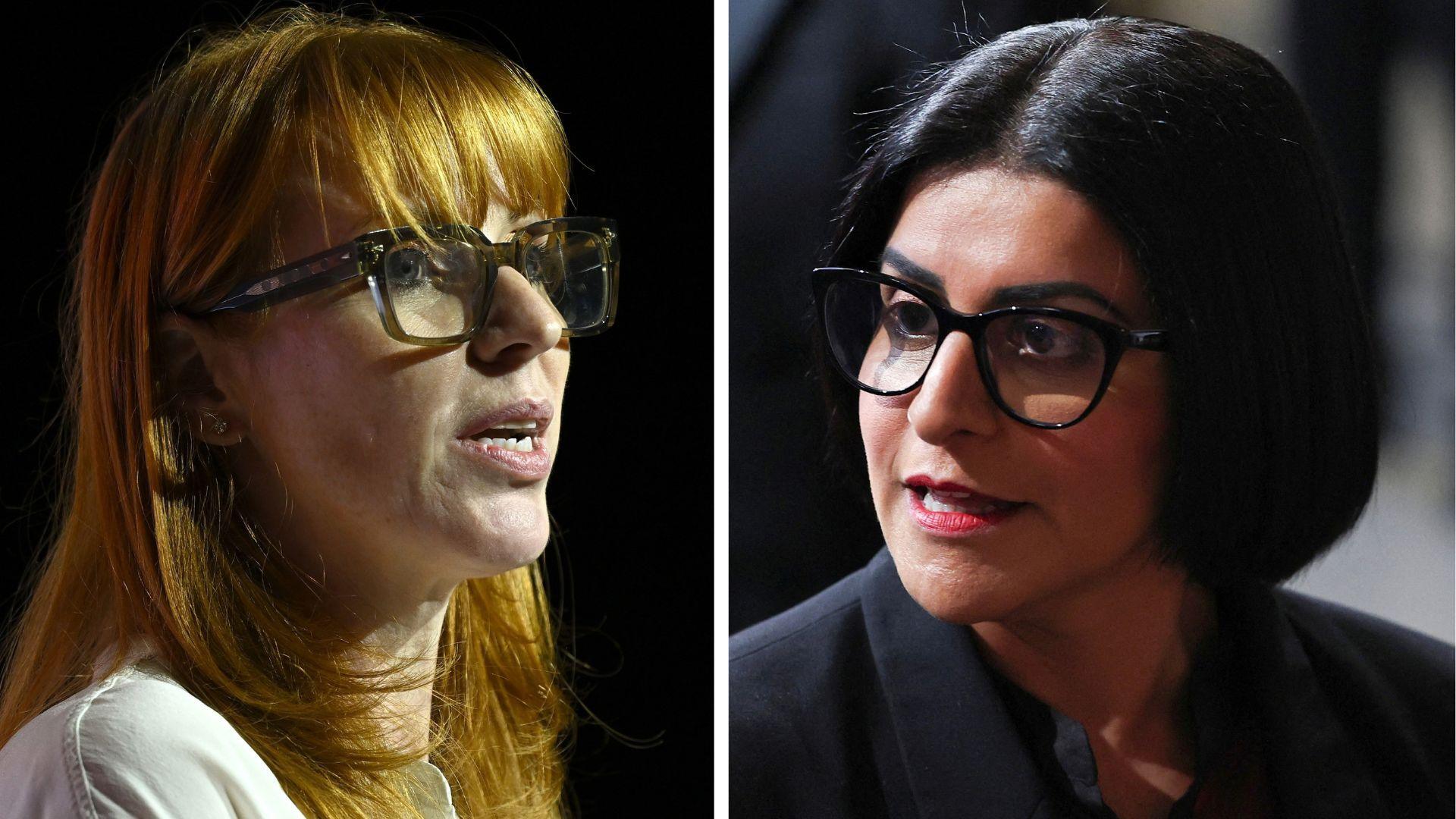 Image source, Getty Images/ AFP via Getty Images
-
Published
Housing Secretary Angela Rayner has said she is concerned about Labour’s proposals to change visa rules, which would make it harder for foreign workers to secure permanent residency in the UK.
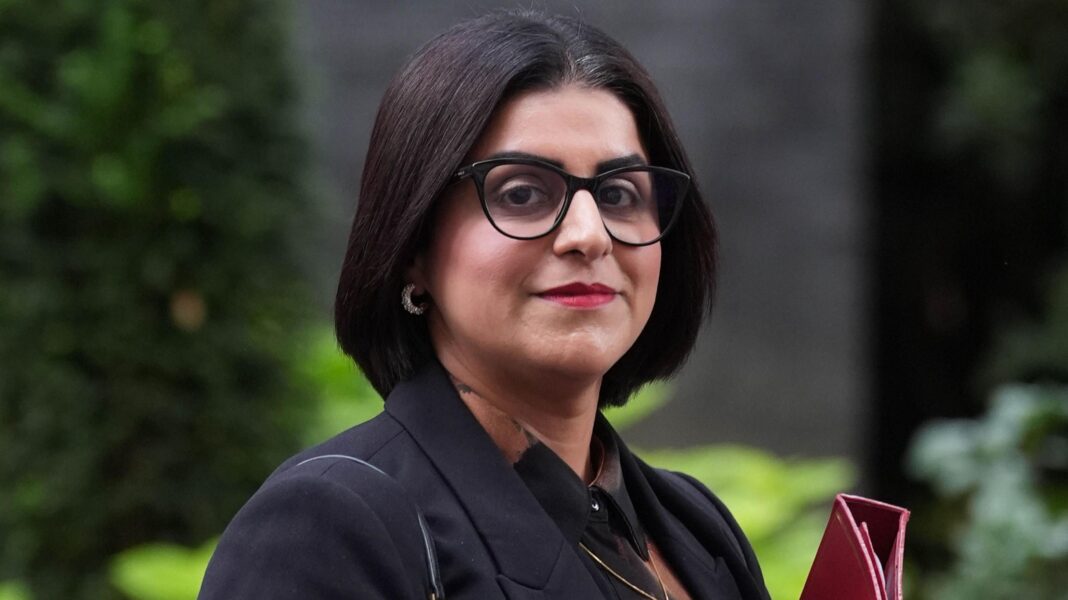
In an interview with the Times, external ahead of Labour’s annual conference, Rayner questioned Home Secretary Shabana Mahmood’s plans, saying they are unfair because they “change the goalposts”.
Under the proposals, most migrants would have to wait 10 years to qualify for residency – instead of the current five – while foreign workers on health and social care visas would face a 15-year wait.
Mahmood said the government would make a decision on the immigration overhaul by the end of the year.
Speaking to the Times, Rayner said she was concerned about shifting “the goalposts years down the line” for people who arrived in the UK at the beginning of this decade, expecting to secure permanent residence under the current rules.
She described the potential rule change as “very disruptive” and added: “I do have concerns about that.”
During her interview with the Times, she said that the changes would impact foreign care workers who “moved their lives here to look after our loved ones”.
Her remarks represent direct criticism of a policy inherited by Prime Minister Andy Burnham from his predecessor, Sir Keir Starmer.
Rayner previously served as deputy prime minister under Sir Keir, and was brought back into cabinet by Burnham in July.
It is significant that a serving cabinet minister feels able to criticise an existing government proposal on the eve of Labour’s conference, albeit one inherited from the Starmer era.
It is part of a growing head of steam from some parts of the party to quash the retrospective elements of these plans.
Rayner has previously criticised the measures. In June, she said proposals to retrospectively alter the rules for migrants already working in the UK would be “wrong”.
Rayner said she believed that Mahmood was aware of her position, telling the Times she has “not changed [her] view” since re-entering the cabinet.
-
Burnham not doing enough to boost growth, says former business secretary
-
Published3 hours ago
-
-
I’m not tempted to call an early election, Burnham says
-
Published18 hours ago
-
Before he became prime minister, Burnham said he “understood” where Rayner was coming from on her criticisms of the migrant visa changes, telling reporters in June that Labour “would do well to listen to what Angela has to say”.
Rayner’s call for a change of approach has been echoed by York Central Labour MP Rachael Maskell, who also wants a rethink from the home secretary.
She told the Today programme that “technically and morally” what is being proposed represented “the wrong set of values” and would affect “people who have come [to Britain] to serve faithfully and are then told that they have to wait another 10 years” to secure British citizenship.
In recent weeks, trade unions have put pressure on the government to soften its proposals, and a letter to Mahmood jointly signed by dozens of Labour MPs at the start of the year described the plans as “un-British”.
Lisa Nandy, secretary of state for culture, media and sport, rejected the “un-British” description of the plans.
She told BBC Radio 4’s Today programme: “I don’t think they are un-British because I don’t think that we have ever had an automatic right to citizenship for most people who come to the UK from overseas.”
Nandy said the home secretary was trying to balance respect for people “regardless of who they or where they stand” with the need for “an immigration system that people have confidence in”.
Asked if Labour could change its mind on the proposals, she told Today: “We always reserve the right to change our minds but we also will reserve the right to stick to our plans if we think we are getting them right”.
The culture secretary said the government will not “change the rules of the game” in a way that unfairly disadvantages migrants who have contributed to the UK.
She said it would “strike the right balance” between treating people “fairly and decently as human beings but making sure there is an asylum and immigration system people can have confidence in.”
Nandy’s comments are a hint the government is reconsidering. She could have given a full-throated defence of the principle of backdating the changes so they apply to those foreign workers already here.
But she did not. Instead she emphasised the principle of those “contributing” to the UK and treating them fairly.
But if the government does reverse course on applying these changes to those arriving from 2021, the large numbers who came to the UK after that date have a quicker and easier route to settlement. That is a dividing line with the Conservatives and Reform UK that those parties will be keen to highlight.
The home secretary faced questions about the changes during an appearance at the Home Affairs Committee earlier this week.
Mahmood said she was “very aware that a large group of people who arrived in 2022, absent any change, would qualify in February 2027” for permanent settlement.
She added: “Later this year we will set out the new policy on settlement… as well as any transitional arrangements we might decide to implement.”
-
-
Published15 September
-
-
-
Published12 February
-