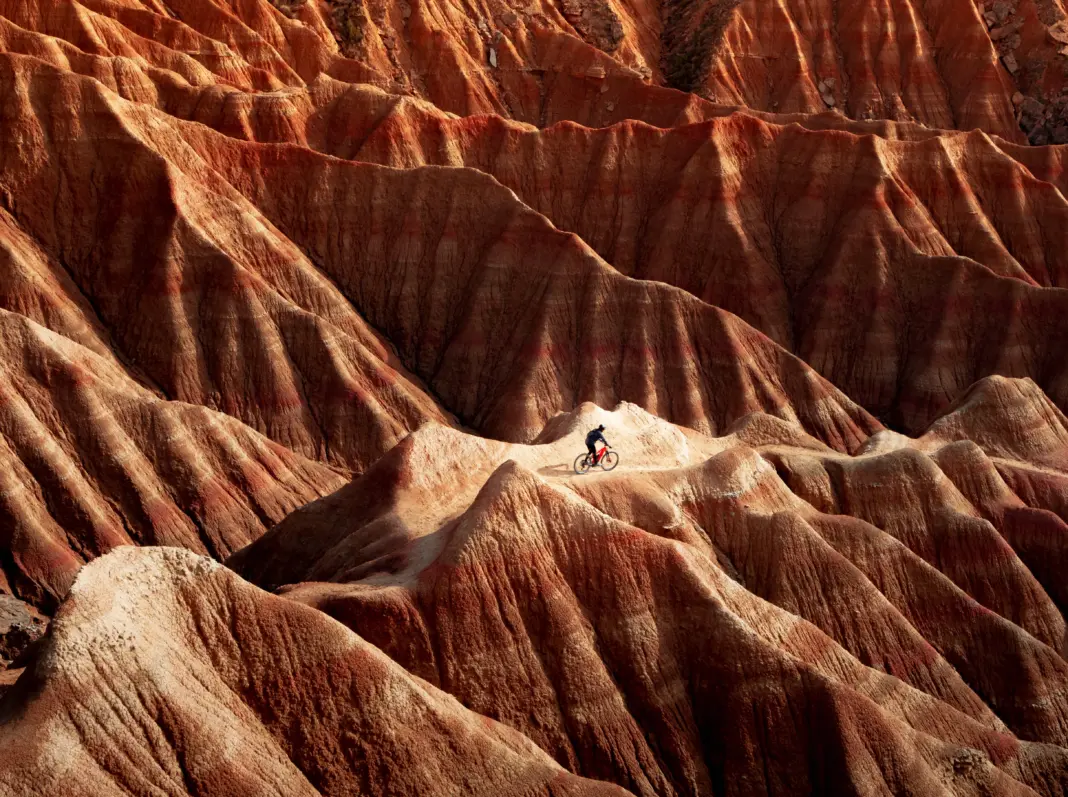

Teide National Park, Tenerife
Sprawled across the middle of this Canary island, Teide National Park is a jaw-dropping land of soaring heights and deep gorges, each as breathtaking as the next. The most impressive is the national park’s namesake, El Teide, a cloud-piercing volcano at around 12,200 feet high—Spain’s tallest peak. Hike up (or get the cable car) for unparalleled views across the island’s volcanic landscape, or book a tour with a guide for star-gazing lessons.
Roman Theatre, Mérida
One for the history buffs—Merida is home to some of the world’s best-preserved Roman sites, including the Roman Theatre. This UNESCO World Heritage City was built between 16 and 15 BCE, yet remains one of Spain’s most important archaeological sites. It was designed to seat around 5,000 people and is still famous for its acoustic potential.
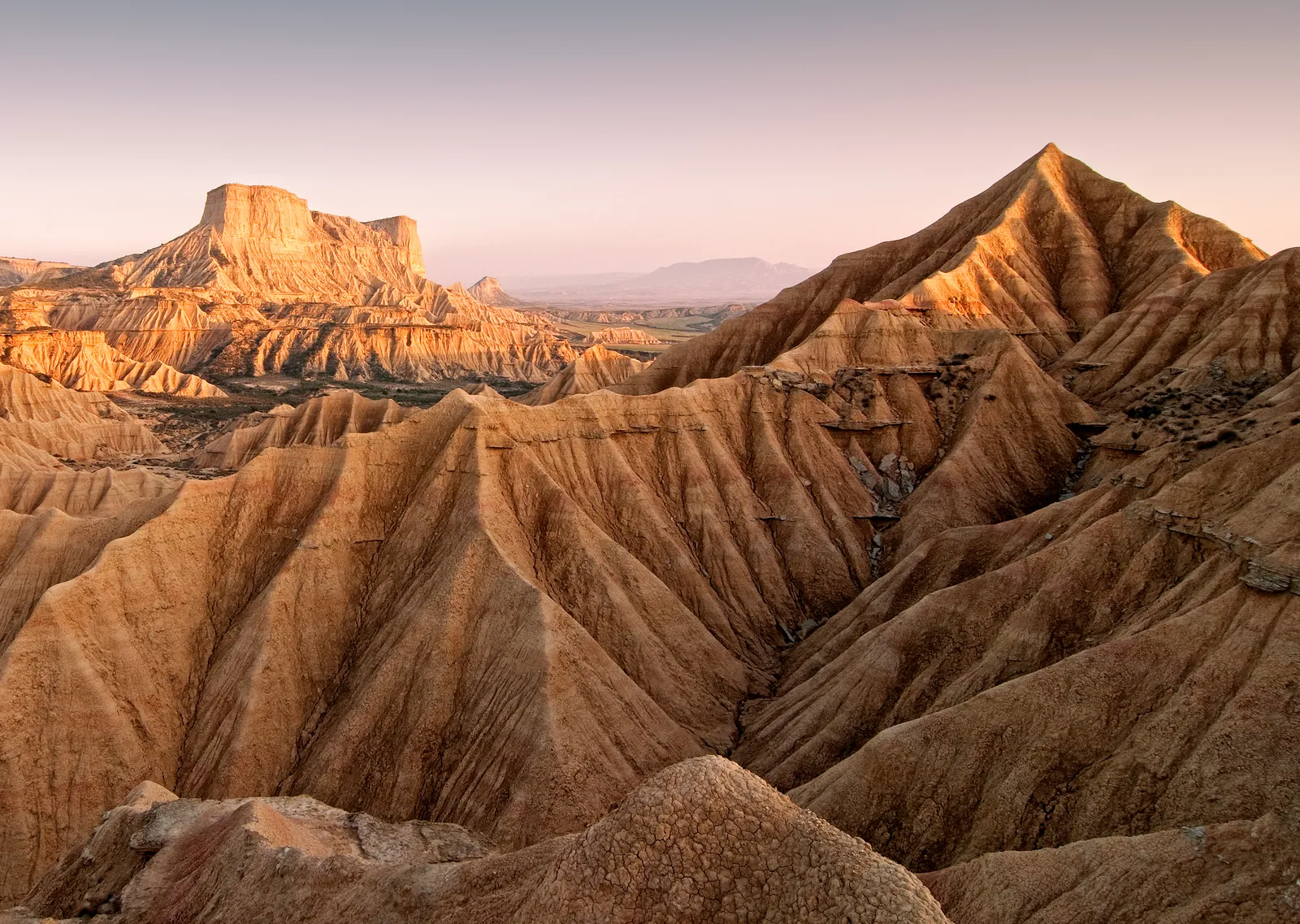
Bardenas Reales, Navarra
Picture a desert, and likely images of the Sahara or Gobi spring to mind. But in Spain, the Bardenas Reales offer some of Europe’s most spectacular desert landscapes. Stretching out across more than 100,000 acres, this UNESCO-protected nature reserve is the perfect destination for adventure-loving travelers, with off-road trails, mountain biking, and hiking tours.
Cabo de Gata, Almería
This sun-soaked coastline is home to some of Spain’s best beaches—think craggy caves, volcanic rocks, desert landscapes, and miles of sugar-soft sand. The Almería province is often overlooked in favour of more popular Spanish destinations, but the Cabo de Gata nature reserve is a wild and rugged spot that changes drastically with the seasons, from sun-parched, lunar-like stretches in winter to verdant, lush lands in spring.
This article was originally published in Condé Nast Traveller UK.