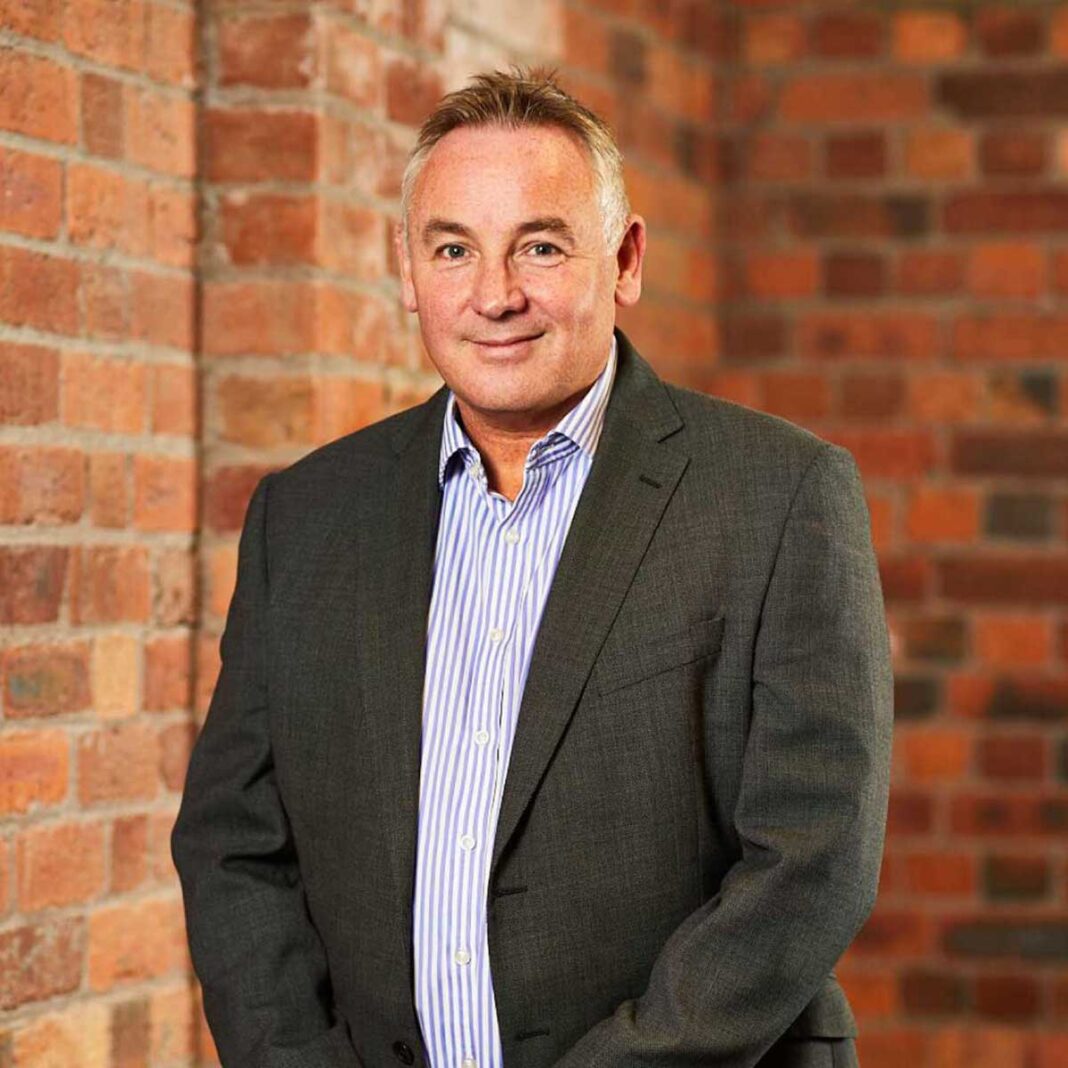

Richard Megson is managing director of ASAP, the Pontefract-based business he co-founded with conveyancer Tony Hill to provide outsourced sales progression for estate agents across the UK.
On 30 September 2026 the company reported its analysis of 2,000 Trustpilot reviews of the home-moving experience, which found that 82 per cent mentioned communication and regular updates and 75 per cent praised proactive chasing to keep a transaction moving. The company says its approach cuts transaction times by up to eight weeks against the industry average.
He tells Business Matters why he built a board so that he could step back, what growing fourfold in a year taught him, and why he believes people rather than AI will fix the home-moving process.
What do you currently do at ASAP?
I am the Managing Director of ASAP, which provides outsourced sales progression for estate agents across the UK. Tony Hill and I co-founded the business 14 years ago and, between us, there is nothing in the company we have not done. Over that time we have built a team and a service we are proud of, with a strong profile in our sector.
About four to five years ago, we recognised that to reach the next stage we needed people with different experience and skills. As we have grown, I have put a Board in place.
I now see my role as pushing those people forward. That model only works because I trust the team to run each part of the business day to day.
What was the inspiration behind your business?
It started in a coffee shop. I was working as a consultant for a tech business when I met Tony, who was a conveyancer. We worked together for a couple of years, and I was struck by how entrepreneurial he was compared with other conveyancers I had met.
The real driver was the inefficiency of the home-moving process. At the time, conveyancing panel management and sales progression were separate services. Some of the bigger estate agencies did sales progression, but most agents did not. We combined the two into an end-to-end service, which was unique at the time. The goal was simple: improve the home-moving process.
Given the current headlines, you could argue the industry still has a long way to go. For our clients, though, we have made a real difference. Our key metric has always been turnaround time, and we complete six to eight weeks faster than the market average.
Is it perfect? Absolutely not. There are so many moving parts, and only so much we can control. But we built a business from scratch with a vision to improve things, and in our sector we are seen as a leader.
From the start, our ethos has been people first. A friend who runs a successful technology business told me recently that tech and AI alone will not solve this problem. It needs a mix of technology and people.
Someone moving house is often unfamiliar with the process or has not done it for years, and they need handholding. Only people who know what they are doing can provide that. Much of the talk about AI solving the home-moving process is, frankly, nonsense.
The answer will be collaboration. AI can automate the mundane admin, which frees our progressors to focus on customers. But the real icing on the cake of our service is our people and their knowledge.
Who do you admire?
There are lots of people I admire in the sector, but they all share similar traits: hard work, vision and the ability to bring people with them.
Many of them have built their businesses from scratch, and that does not happen without all three.
Looking back, is there anything you would have done differently?
Hindsight is a great thing. When Covid hit, it gave us a huge opportunity. For our first five or six years, most agents did not outsource sales progression, and many did not do it at all, so we almost created a market.
Covid is what catapulted the business. It forced agents to rethink how they worked and ask whether an expert might do this better than they could. We grew fourfold in about 12 months. We saw the opportunity and made a land grab, and I still think that was the right call.
The following two years, however, were very much feast or famine, with big fluctuations in the market. With the benefit of hindsight, we may not have grown so quickly.
What defines your way of doing business?
We have always strived to be the best at what we do, but people are at the heart of everything. One of my core principles, and part of why I have been able to step back, is to recruit well and empower people. Explain what you want them to do, then let them get on with it and do not get in the way.
I am really proud that we promote from within. Some people have been with us almost since the day we started, and we invest heavily in training. We also recruit externally when we need skills or experience we cannot find in-house. Empowering people is the key thing for me.
What advice would you give to someone starting out?
Back yourself and be prepared to work hard. Be open-minded and pragmatic, but stick to your core.
Too many businesses see opportunities everywhere and lose focus. If a genuine opportunity comes along, take it. But above all, keep delivering your core business.