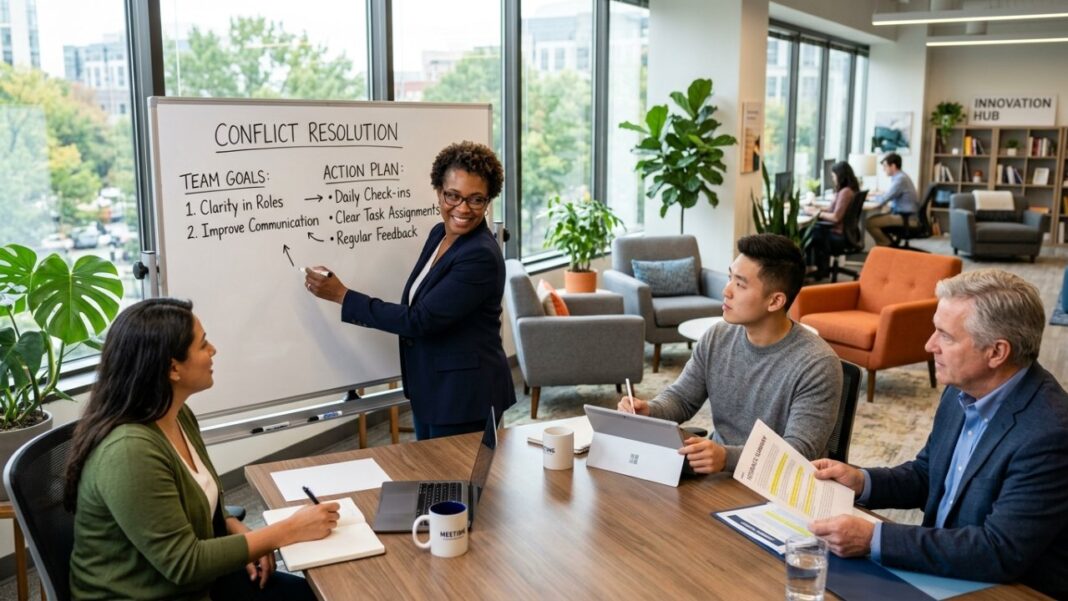

As a manager, you can’t afford to overlook conflict resolution. It’s essential for maintaining a positive work environment. Start by fostering open communication; practice active listening to truly understand your team’s concerns. Establish clear roles to minimize misunderstandings and consider using mediation when conflicts arise. Team-building activities can also boost collaboration. By following up on resolutions, you guarantee lasting solutions. What specific strategies can you apply today to tackle conflicts effectively?
Key Takeaways
- Encourage Open Communication: Foster an environment where team members feel safe discussing conflicts and sharing their perspectives openly.
- Practice Active Listening: Use techniques like paraphrasing and summarizing to validate feelings and clarify misunderstandings during conflicts.
- Define Clear Roles: Establish clear responsibilities and expectations to minimize ambiguity and reduce potential sources of conflict within the team.
- Utilize Mediation Techniques: Engage neutral facilitators to guide discussions, ensuring a structured approach for resolving disputes effectively.
- Follow-Up Regularly: Conduct check-ins post-resolution to assess the effectiveness of solutions and maintain open lines of communication for ongoing dialogue.
Understand the Importance of Conflict Resolution in Leadership

Conflict resolution is an essential skill for any leader. By understanding the importance of conflict resolution, you can enhance team cohesion and boost employee morale.
Start by implementing effective conflict resolution strategies, like promoting open communication. This helps in preventing conflict in the workplace and allows team members to express their concerns freely.
Develop your conflict management skills by addressing issues promptly, which can reduce employee stress and improve performance. Remember, a timely intervention can prevent misunderstandings and resentment.
As you master these leadership skills to resolve conflict, you’ll create a more collaborative environment.
Research shows that organizations with strong conflict resolution practices experience higher employee engagement and lower turnover rates.
Common Causes of Workplace Conflict and Their Impact
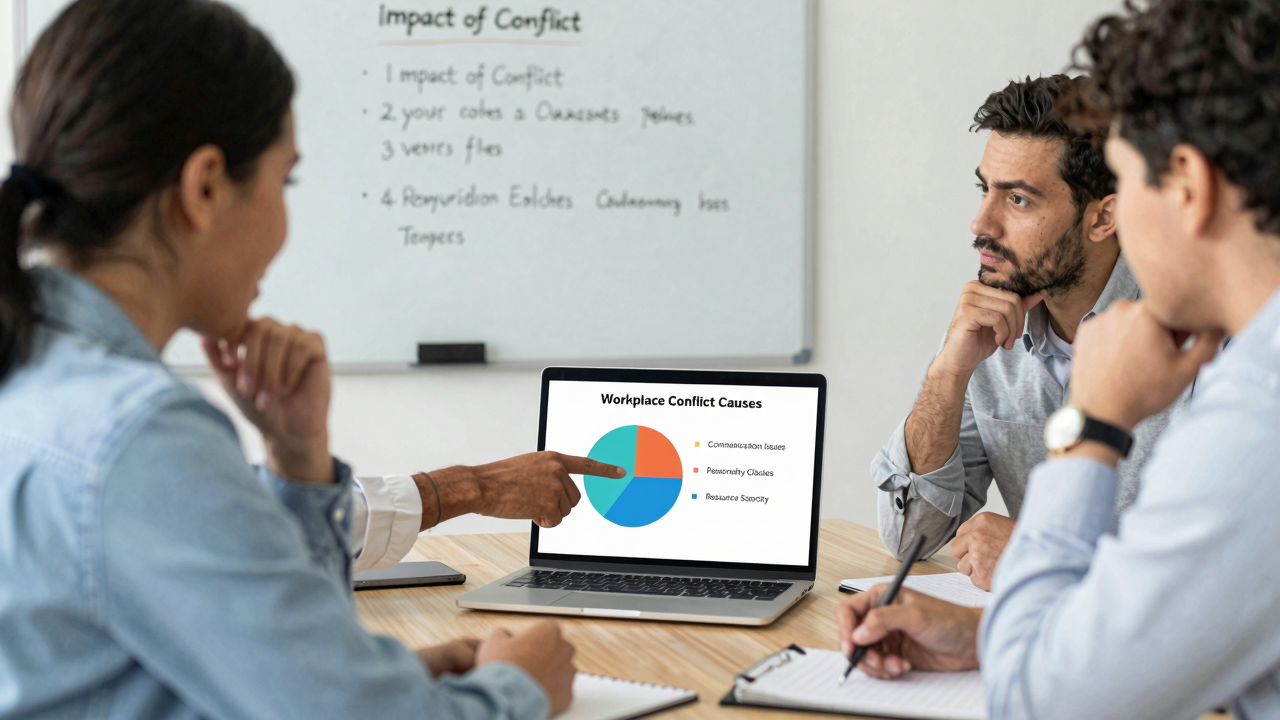
While many factors can lead to workplace conflict, understanding these common causes helps you address issues before they escalate.
Communication breakdowns often lead to misunderstandings, hindering collaboration and productivity.
Acknowledge different work styles, as they can create friction among team members, reducing efficiency.
Competition and jealousy may arise from rivalry over promotions or limited resources, fostering a toxic environment that lowers morale.
[embedded content]
Unclear roles and expectations greatly contribute to workplace tension; employees become frustrated when they’re unsure of their responsibilities.
Resource limitations can further exacerbate conflict, as competition for scarce assets increases stress and may lead to turnover.
To manage these causes of conflict in the workplace effectively, implement clear conflict management strategies, such as open communication channels and regular team meetings.
How to Be an Active Listener and Show Empathy

To effectively resolve conflicts, you need to be an active listener and show empathy.
Focus on what the other person is saying by reflecting on their words, asking clarifying questions, and summarizing their points to guarantee they feel understood.
Importance of Active Listening
Active listening is an essential skill that can transform the way you manage conflicts within your team. By fully concentrating on what your team members say, you enhance your conflict resolution skills and foster understanding.
Demonstrating empathy through active listening validates their feelings, making them feel respected and heard, which reduces tension. Use techniques like paraphrasing, summarizing, and asking clarifying questions to encourage open dialogue.
This not only improves communication effectiveness but also helps you identify underlying issues in conflicts. By practicing active listening, you can develop better conflict handling styles that lead to effective resolutions, ultimately promoting team cohesion.
Prioritizing understanding will make a significant difference in your conflict management approach.
2. Techniques for Empathetic Engagement
Empathy is a powerful tool in conflict resolution, and mastering it can greatly enhance your interactions with team members.
To engage empathetically, practice active listening by fully concentrating on the speaker, avoiding interruptions, and reflecting on their words. Use techniques like paraphrasing to clarify understanding, and ask open-ended questions to encourage deeper dialogue.
Pay attention to nonverbal cues; maintain eye contact and use an open body posture to show you’re engaged. These actions not only improve workplace communication and conflict resolution but also strengthen interpersonal relationships.
Regularly practicing these techniques can lead to significant reductions in workplace stress, enhancing overall team morale and cohesion.
Implementing these strategies will make you a more effective manager in conflict situations.
3. Building Trust Through Understanding
Building trust in the workplace starts with understanding your team members on a deeper level.
Practice active listening by fully concentrating on what your employees say, which not only boosts understanding but also shows respect for their perspectives. Use reflective listening techniques, like summarizing or paraphrasing, to clarify misunderstandings and enhance trust.
Show empathy by recognizing and validating their emotions; this strengthens interpersonal relationships and encourages open communication. When team members feel heard, workplace conflict resolution strategies become more effective, reducing stress and improving team cohesion.
Regularly engaging in these practices creates a culture of openness, allowing employees to voice concerns without fear, ultimately benefiting your organization’s performance.
Master Clear and Constructive Communication Techniques

To resolve conflicts effectively, mastering clear and constructive communication is key.
Start by practicing active listening skills, where you summarize what others say to guarantee everyone feels understood.
Pay attention to your nonverbal cues, like body language and tone, and make certain your message is clear to prevent any misunderstandings.
Active Listening Skills
Active listening is an essential skill every manager should master for effective conflict resolution. By focusing fully on the speaker, you can understand their perspective and validate their feelings. This fosters empathy and supports a positive environment. Use reflective responses, like paraphrasing, to clarify misunderstandings and show you’re taking their concerns seriously. Additionally, your nonverbal communication, such as maintaining eye contact and nodding, reinforces your understanding and support. Incorporate constructive feedback by asking open-ended questions, which encourages dialogue and collaboration in resolving conflicts.
| Active Listening Techniques | Benefits |
|---|---|
| Empathy | Builds trust and rapport |
| Reflective Responses | Clarifies misunderstandings |
| Nonverbal Communication | Enhances message of support |
2. Nonverbal Communication Cues
Nonverbal communication plays an essential role in conflict resolution, often conveying more than words alone. Pay attention to your body language; a relaxed posture fosters safety, while crossed arms can escalate tensions.
Maintain appropriate eye contact to show attentiveness and sincerity, which builds trust during discussions. Your tone of voice is vital too; a calm, steady tone can de-escalate conflict, whereas a harsh tone may provoke defensiveness.
Use active listening cues like nodding and leaning slightly forward to demonstrate engagement and empathy. These nonverbal cues enhance your conflict resolution skills and improve communication effectiveness.
[embedded content]
3. Clarity in Messaging
Clarity in messaging is essential for effective conflict resolution. Clear and constructive communication helps prevent misunderstandings, reducing conflict escalation.
Here are three key strategies to master clarity in messaging:
- Use “I” Statements: This fosters a non-confrontational dialogue, encouraging open discussion. For example, say, “I feel frustrated when deadlines aren’t met” instead of “You never meet deadlines.”
- Employ Active Listening Techniques: Summarize and reflect on what others say. This validates their feelings and promotes understanding, which is critical for communication conflict resolution.
- Solicit Regular Feedback and Clarify Expectations: This reinforces a culture of openness and trust, preventing conflict at work and leading to mutually agreeable solutions in team conflict management.

Mediation can be a powerful tool for resolving conflicts within your team. By bringing in a neutral facilitator, you encourage open communication and create a safe space for team members to share their concerns. This approach allows you to address underlying issues while promoting collaboration.
To enhance your mediation efforts, consider the following structured mediation process:
| Step | Action | Purpose |
|---|---|---|
| Set Clear Ground Rules | Establish guidelines for discussion | Facilitate a respectful and focused dialogue |
| Encourage Active Listening | Ask each party to express their views fully | Foster understanding and empathy |
| Focus on Interests | Shift discussions from positions to interests | Identify common goals and solutions |
| Facilitate Collaboration | Guide conversations toward joint problem-solving | Build stronger relationships |
| Aim for Lasting Resolutions | Summarize agreements and next steps | Create accountability and follow-through |
Foster Team Collaboration and Compromise Techniques

To foster team collaboration and encourage compromise, start by creating an environment where open communication thrives. This lays the groundwork for healthy conflict in the workplace.
Here are three effective techniques:
- Utilize Active Listening Techniques: Make sure team members feel heard by encouraging them to express their feelings and perspectives. This understanding can lead to better compromise and collaborative solutions.
- Implement Regular Team-Building Activities: Engage in activities for conflict management that strengthen relationships and enhance collaboration. These activities help build trust, making it easier for team members to work together toward common goals.
- Establish Clear Roles and Responsibilities: Clearly define each team member’s role to reduce ambiguity. When everyone knows their contributions, it supports effective communication among team members and promotes a mindset of compromise, paving the way for successful conflict resolution techniques in the workplace.
Follow Up to Ensure Solutions Last
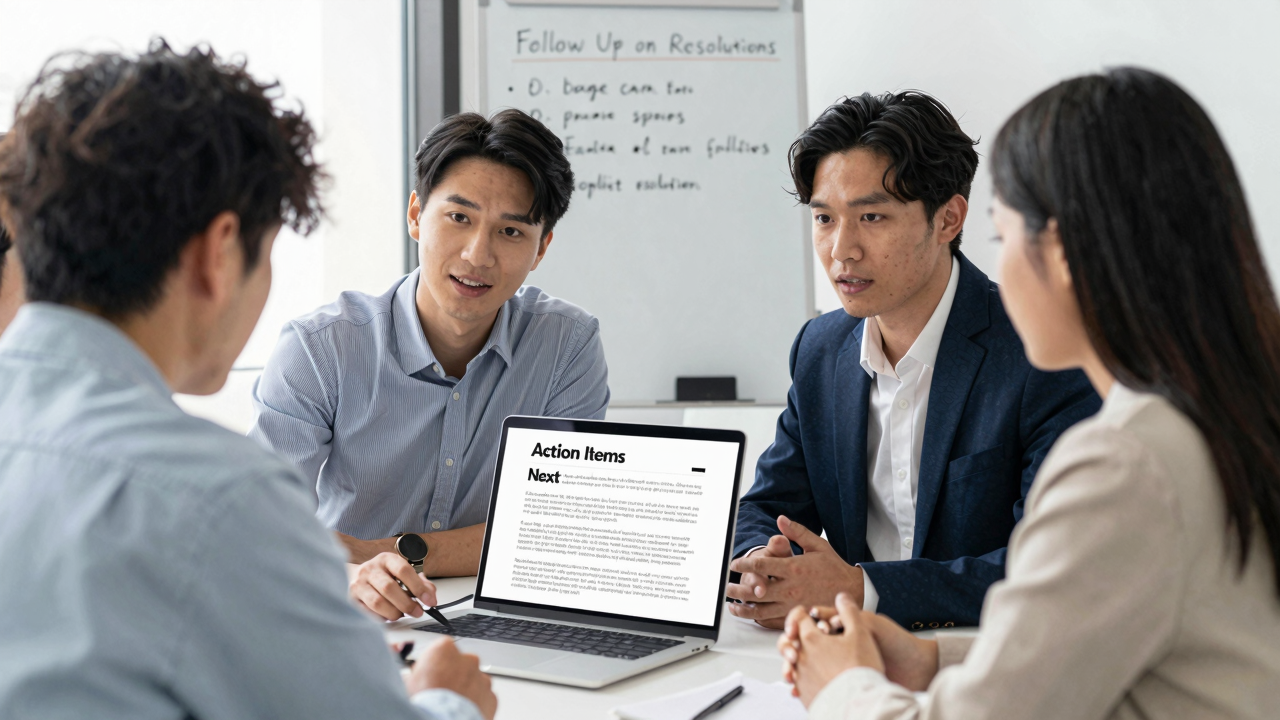
Once a conflict is resolved, it’s essential to follow up and confirm that the solutions actually stick. Schedule regular check-ins with your team members to assess how the agreed-upon solutions are functioning. This way, you can identify any lingering issues or misunderstandings before they escalate.
Use these follow-ups to encourage open communication, allowing everyone to voice concerns freely. Document the resolution process and outcomes; this not only clarifies what was decided but also enhances accountability.
Collect feedback from all parties involved, as it can provide valuable insights for continuous improvement in your conflict resolution practices. By maintaining transparency and fostering a culture of trust, you confirm that team members are more likely to engage in future discussions.
Ultimately, these steps help solidify the resolution and create a more collaborative environment moving forward.
Frequently Asked Questions

What Are the 5 C’s of Conflict Resolution?
The five C’s of conflict resolution are clarity, communication, collaboration, compromise, and calmness.
First, clarify roles and expectations to avoid misunderstandings.
Next, encourage open communication by actively listening to all viewpoints.
Promote collaboration by involving everyone in problem-solving.
Emphasize compromise, where all parties make concessions.
Finally, stay calm and neutral during conflicts to foster respectful dialogue.
What Are the 5 Main Conflict Resolution Strategies?
The five main conflict resolution strategies are active listening, clear communication, identifying the root cause, mediation, and encouraging collaboration.
Start by fully listening to others to validate their feelings. Communicate clearly to avoid misunderstandings.
Dig deeper to uncover the root issues rather than just symptoms. If needed, bring in a neutral mediator to help.
[embedded content]
Finally, promote teamwork by encouraging compromise, which helps everyone work together toward a solution that benefits all.
What Are the 5 A’s of Conflict Resolution?
The 5 A’s of conflict resolution are Acknowledge, Assess, Address, Act, and Adapt.
First, acknowledge the conflict and the emotions involved.
Next, assess the situation by understanding each party’s perspective.
Then, address the issue through open dialogue, allowing everyone to share views.
After that, act by implementing agreed-upon solutions.
Finally, adapt by reviewing outcomes and making necessary adjustments for future conflicts.
Follow these steps to effectively resolve workplace conflicts.
What Are the 4 C’s of Conflict Resolution?
The 4 C’s of conflict resolution are Communication, Collaboration, Compromise, and Consensus.
Start by actively listening and expressing your thoughts clearly to guarantee everyone understands.
Work together with others to brainstorm solutions, emphasizing teamwork.
When differences arise, be willing to make concessions; this helps everyone gain something.
Finally, aim for consensus, where all parties agree on a solution that meets everyone’s needs, fostering stronger relationships in the process.
Conclusion

In conclusion, effective conflict resolution is key to a harmonious workplace. Start by encouraging open communication and practicing active listening. Clearly define roles to reduce misunderstandings, and use mediation techniques when needed. Foster collaboration through team-building activities and always provide regular feedback. After resolving issues, document the outcomes and check in with your team to guarantee lasting solutions. By taking these steps, you’ll build a more engaged and cohesive team that thrives on collaboration.
Image via Google Gemini and Small Business Trends