

Managing remote employees effectively starts with setting clear expectations. Define roles and responsibilities so everyone knows their tasks. Use collaboration tools like Slack or Trello to keep communication flowing. Schedule regular check-ins to provide feedback and address any concerns. Remember to celebrate small wins to build team morale. By focusing on work-life balance, you can support your team’s well-being. Next, let’s explore how flexibility in your management style can further enhance productivity and engagement.
Key Takeaways
- Clearly define roles and responsibilities to enhance accountability and ensure team members understand their contributions.
- Foster open communication by utilizing collaborative tools and establishing regular check-ins for feedback and support.
- Prioritize work-life balance by setting boundaries, encouraging breaks, and offering flexible work arrangements.
- Choose effective collaboration tools for task management and optimize meetings to reduce fatigue and enhance productivity.
- Embrace flexibility in management styles, tailoring approaches to individual team members while focusing on results-oriented goals.
Establish Clear Expectations for Managing Remote Employees

To effectively manage remote employees, it’s crucial to establish clear expectations right from the start. Begin by defining roles and responsibilities clearly, so everyone understands their contributions to the team’s objectives.
Establish measurable goals and deadlines, which enhances accountability and helps you assess performance effectively. Focus on results rather than activities, empowering your team and reducing micromanagement tendencies.
Conduct regular check-ins to review progress and motivate team members, especially if engagement starts to wane. Use a team charter to document expectations, facilitating open communication and ensuring everyone is aligned with the mission.
These strategies are key when supporting remote workers and are part of managing remote employees best practices. By setting these foundations, you’ll create a productive environment where remote employees feel engaged and accountable, ultimately boosting team performance.
How to Build Trust in Remote Teams?

To build trust in your remote team, start by establishing clear expectations for tasks and communication.
Set up open channels for regular check-ins, where team members can share concerns and feedback.
This approach not only fosters accountability but also creates a supportive environment where everyone feels valued and connected.
Open Communication Channels
Open communication channels are crucial for building trust in remote teams, especially since employees often feel isolated.
Start by encouraging transparency; let your team voice concerns and share ideas without fear of repercussions. Regular one-on-one check-ins can boost engagement—70% of employees feel more connected when they receive consistent feedback.
Utilize collaborative tools like Slack or Microsoft Teams to facilitate real-time communication, ensuring issues are addressed promptly. Set clear guidelines for communication methods and response times to reduce misunderstandings and reinforce accountability.
Finally, create an environment where team members can discuss work-life balance and personal challenges; 66% of employees report feeling more connected when they share personal experiences. This approach is essential for an effective remote work strategy.
Set Clear Expectations
Building on open communication channels, setting clear expectations is essential for fostering trust in remote teams.
To effectively manage hybrid remote and off-site workers, define roles and responsibilities clearly. This reduces confusion and enhances accountability.
Regularly communicate measurable goals and deadlines to create a results-oriented culture, allowing team members to focus on outcomes without micromanagement.
Schedule frequent check-ins to monitor progress and motivation, reinforcing commitment to shared expectations.
Document guidelines for communication tools, ensuring everyone understands task generation and processes.
Define Roles and Responsibilities Clearly for Remote Work

To effectively manage remote employees, start by clearly defining team objectives and individual roles.
This clarity helps everyone understand their contributions and promotes accountability, ensuring that all team members work toward the same goals.
Regularly revisit these roles to adapt to any changes in team dynamics, keeping everyone aligned and focused on success.
Clear Team Objectives
Establishing clear team objectives is essential when managing remote employees, and defining roles and responsibilities is a key part of that process.
When everyone knows their specific contributions, you prevent confusion and enhance collaboration. Here are some tips to help:
- Create a team charter to clarify tasks and align on goals.
- Regularly communicate the importance of each role to boost engagement.
- Set measurable goals and deadlines to keep everyone accountable.
- Involve team members in discussions about their roles for ownership.
Individual Contribution Clarity
Defining roles and responsibilities clearly from the start is essential for remote teams. Make certain every team member knows their unique contributions and how they align with the team’s objectives.
Use a team charter to outline individual tasks and expectations, which promotes accountability and reduces confusion. During initial meetings, provide specific direction on tasks to establish a shared vision and emphasize the importance of each role.
Document these roles in a centralized resource that’s easily accessible to all. Regularly revisit and communicate these responsibilities to adapt to evolving team dynamics and project needs.
This guarantees everyone stays aligned with the goals, fostering a more effective and cohesive remote work environment.

How can you guarantee your remote team communicates effectively and stays productive? Start by selecting the right collaboration tools tailored to your team’s needs. Here are some options to take into account:
- Instant messaging: Use Slack for quick conversations and updates.
- Project management: Implement Asana to track tasks and deadlines efficiently.
- Video conferencing: Leverage Zoom or Microsoft Teams for engaging virtual meetings.
- Cloud storage: Integrate Google Drive or Dropbox for secure document access.
Also, take into account tools that support asynchronous communication, like Trello or Notion, to accommodate different time zones.
Regularly ask your team for feedback on the tools you’re using; this helps identify gaps and fosters continuous improvement.
By choosing effective collaboration tools, you’ll create an environment that encourages productivity and engagement, even from afar.
Conduct Regular Check-Ins and Provide Feedback
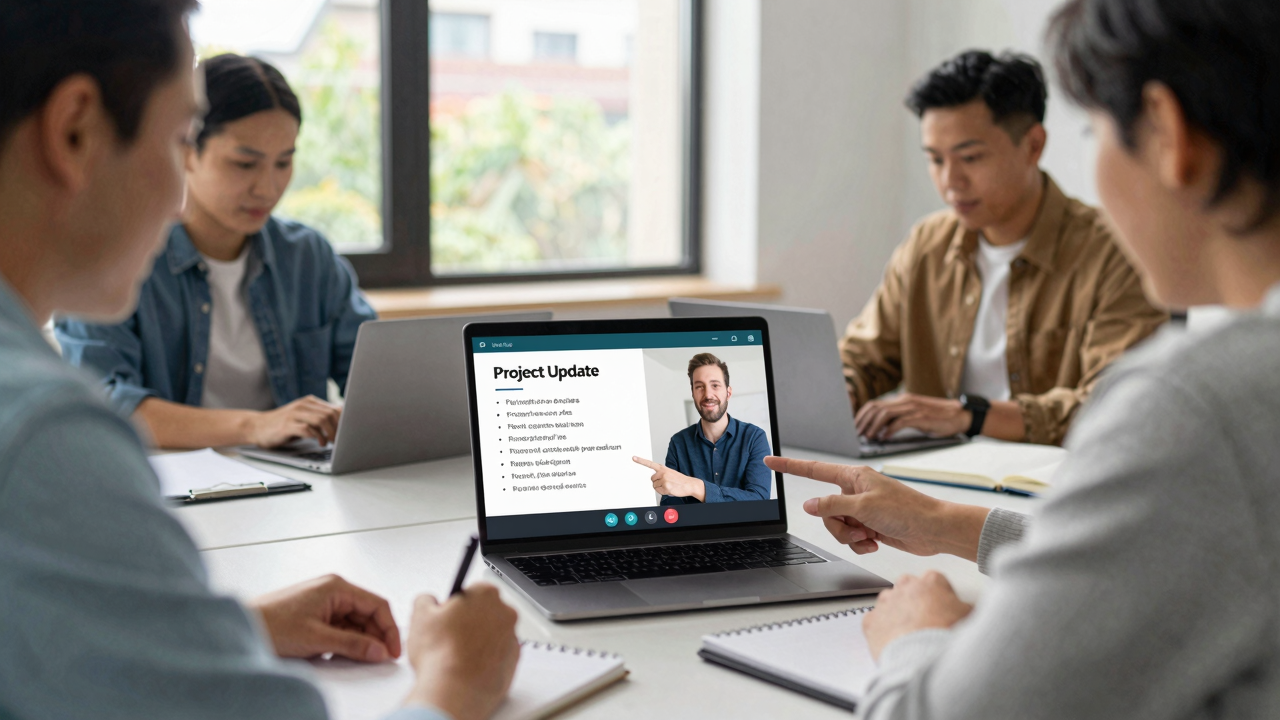
To guarantee your remote team stays engaged and productive, it’s essential to conduct regular check-ins and provide meaningful feedback. These interactions foster open communication, allowing team members to voice concerns while receiving timely guidance. Research shows that employees who get consistent feedback are 3.5 times more engaged, which highlights the need for ongoing dialogue.
Consider implementing bi-weekly one-on-one meetings to address individual challenges and reinforce accountability. Use structured feedback tools, like performance metrics and feedback forms, to make your check-ins focused and productive. Regular feedback loops can greatly boost team performance, with effective communication increasing productivity by 25%.
Here’s a simple way to structure your check-ins:
| Frequency | Purpose | Tools Used |
|---|---|---|
| Weekly | Quick updates | Chat or video calls |
| Bi-weekly | Address challenges | One-on-one meetings |
| Monthly | Performance reviews | Feedback forms |
| Quarterly | Goal setting | Performance metrics |
| As needed | Immediate concerns | Instant messaging |
Build Team Relationships and Celebrate Wins

Building team relationships and celebrating wins is essential for maintaining a motivated remote workforce.
To foster connections and boost morale, consider these actionable steps:
- Schedule regular one-on-one meetings to enhance personal connections and trust.
- Dedicate time for socializing in weekly team meetings, which helps reduce feelings of isolation.
- Organize remote social events like virtual happy hours or game nights to build camaraderie.
- Publicly recognize individual and team achievements to create a culture of appreciation.
How to Support Work-Life Balance in Your Team?
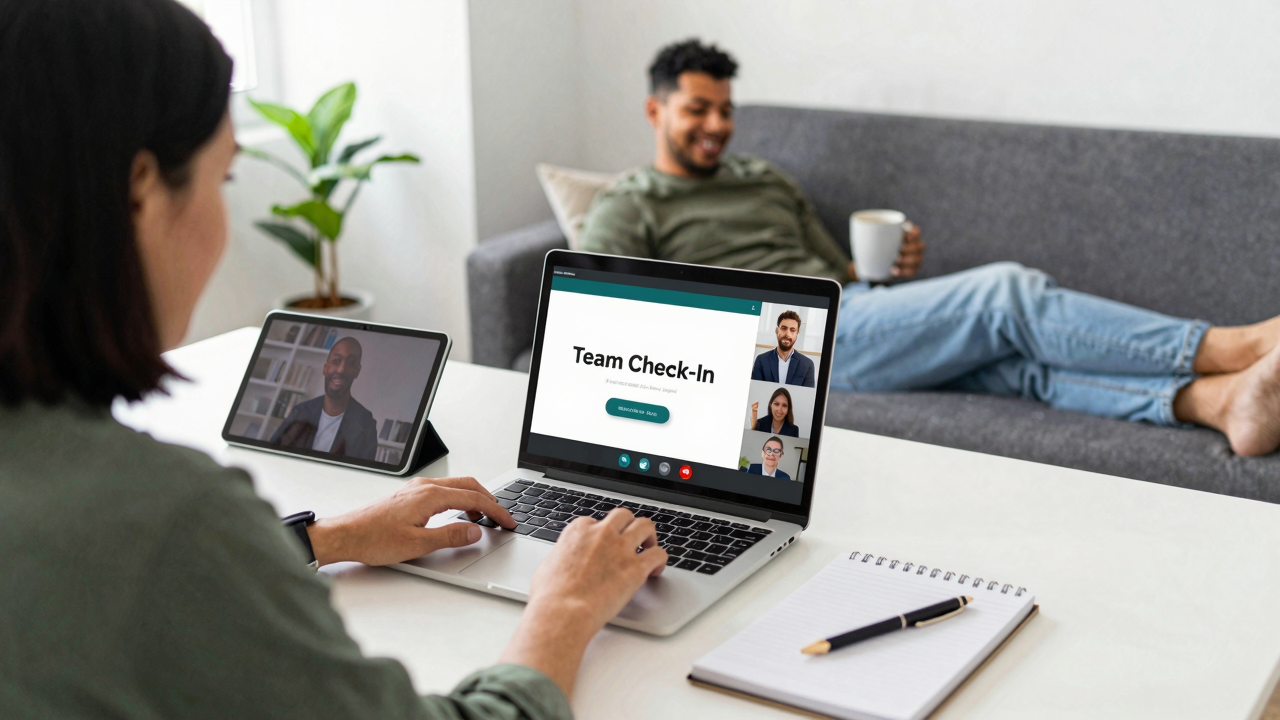
While managing a remote team, supporting work-life balance is essential for maintaining productivity and employee satisfaction. Start by establishing clear boundaries around acceptable working hours, helping your team disconnect after work.
Encourage regular breaks and designate meeting-free times to reduce Zoom fatigue and prevent burnout. Implement flexible work arrangements that allow team members to juggle personal responsibilities, fostering a sense of autonomy and satisfaction.
Regularly solicit feedback from your employees about their work-life balance. Use their input to adapt your policies, creating a more supportive environment.
Additionally, provide resources for mental health and well-being, like access to counseling services or wellness programs. These steps not only show you care but also empower your team to manage stress effectively.
Embrace Flexibility in Management Approaches

Embracing flexibility in your management approach can significantly boost your remote team’s productivity and satisfaction.
By recognizing that each team member has unique work styles and circumstances, you can create an environment that fosters both creativity and accountability.
Here are some practical steps to reflect on:
- Experiment with management styles: Try different approaches to find what works best for your team.
- Set measurable goals: Regular check-ins can help maintain accountability without micromanaging, encouraging a results-oriented culture.
- Establish meeting-free times: This combats Zoom fatigue, allowing your team to focus on their tasks and manage their time effectively.
- Tailor communication methods: Use individual preferences to enhance engagement and minimize misunderstandings.
Frequently Asked Questions

How Do I Measure Productivity in Remote Employees?
To measure productivity in remote employees, start by setting clear goals and expectations.
Use tools like task management software to track progress on projects.
Schedule regular check-ins to discuss accomplishments and roadblocks.
Encourage employees to report daily or weekly updates on their tasks.
You can also analyze output quality and deadlines met.
Finally, consider using performance metrics or KPIs relevant to their roles to get a more thorough view of their productivity.
What Are the Best Tools for Team Bonding Remotely?
To bond with your remote team, use tools like Zoom for virtual hangouts, Trello for collaborative projects, and Slack for casual chats.
Schedule regular video calls to check in and foster connections.
Try online games or team-building activities, like trivia or virtual escape rooms, to encourage teamwork.
Encourage sharing personal updates in a dedicated channel.
[embedded content]
Ultimately, consider using platforms like Donut to randomly pair team members for casual conversations.
How Can I Address Remote Employee Burnout Effectively?
To address remote employee burnout effectively, start by checking in regularly. Schedule one-on-one meetings to discuss workloads and feelings.
Encourage breaks and set clear boundaries around work hours. Promote a healthy work-life balance by suggesting flexible schedules.
[embedded content]
Offer resources like wellness programs or mental health days. Finally, create opportunities for team bonding to foster connections, which can alleviate feelings of isolation.
Make sure your team knows you’re there to support them.
What Strategies Enhance Engagement in Virtual Meetings?
To enhance engagement in virtual meetings, start by setting clear agendas and sharing them in advance.
Use interactive tools like polls or breakout rooms to encourage participation.
Keep meetings concise—aim for 30 minutes or less.
Regularly invite input from all participants, ensuring everyone has a chance to speak.
Incorporate visuals or presentations to maintain attention, and follow up with a summary to reinforce key points.
This approach keeps everyone involved and focused.
How Do I Handle Conflicts in Remote Teams?
To handle conflicts in remote teams, start by addressing issues promptly.
Schedule a video call to discuss the conflict openly, guaranteeing everyone feels heard.
Encourage team members to express their feelings without interruption.
Use active listening to understand different perspectives, then guide the conversation towards a solution.
Set clear expectations for behavior moving forward, and follow up to guarantee the resolution sticks.
Document the discussion to reference later if needed.
Conclusion

To effectively manage remote employees, focus on clear expectations, regular communication, and support for work-life balance. Use collaborative tools to streamline tasks, and define roles to enhance accountability. Schedule consistent check-ins to provide feedback and build trust within your team. Celebrate achievements, no matter how small, to maintain motivation. Finally, embrace flexibility in your management style to adapt to team needs. By implementing these practices, you can create a productive and positive remote work environment.
[embedded content]
Image via Google Gemini and Small Business Trends