

Time management is essential for your success, as it helps you stay organized and focused. Start by listing your tasks and prioritizing them based on importance and deadlines. Use tools like calendars or apps to track your progress. This approach not only boosts your productivity but also reduces stress. When you manage your time well, you make better decisions and create more opportunities for personal growth. So, how can you refine your strategies for even greater success?
Key Takeaways
- Efficient time management helps complete tasks promptly, leading to increased productivity and success in meeting goals.
- It fosters a better work-life balance, allowing individuals to dedicate time to personal interests and reducing burnout.
- Effective prioritization of tasks enhances focus on high-impact assignments, maximizing overall effectiveness and results.
- Setting SMART goals provides clear direction, ensuring accountability and measurable progress towards success.
- Identifying and minimizing distractions promotes sustained focus, enabling individuals to work more efficiently and achieve their objectives.
The Role of Time Management in Achieving Success

When you manage your time effectively, you set yourself up for success in both your personal and professional life. Time management is essential because it lets you complete tasks efficiently and meet important deadlines.
To make this work for you, start by prioritizing your responsibilities. Create a daily or weekly planner to allocate specific time slots for each task. This helps prevent procrastination and reduces stress from last-minute scrambles.
Next, allow yourself time to reflect on your decisions. When you have ample time, you can make informed choices that align with your long-term goals.
Additionally, effective time management enhances your work-life balance, ensuring you engage in personal activities that boost your overall satisfaction.
Finally, consistently applying these techniques improves your work quality, as you’ll have time for review and refinement. By understanding why time management is important, you can truly enhance your success.
How Time Management Boosts Productivity

When you prioritize tasks effectively, you focus on what truly matters, ensuring you tackle high-impact assignments first.
This approach not only boosts your productivity but also helps you reduce procrastination risks by keeping you on track.
Prioritizing Tasks Effectively
To boost your productivity, prioritizing tasks effectively is essential. Start by using a method like the Eisenhower Matrix to identify urgent and important tasks, ensuring these get your immediate attention.
Categorize your tasks into high, medium, and low priority, allowing you to focus on what truly impacts your goals. Implement the Pomodoro Technique, working in focused bursts on your top tasks, which can enhance efficiency.
Regularly assess and adjust your priorities to maintain clarity, helping you avoid feeling overwhelmed. Utilize tools like to-do lists and scheduling apps to stay organized and accountable, ensuring you don’t overlook priority tasks.
[embedded content]
Reducing Procrastination Risks
Effective time management not only helps you prioritize tasks but also plays a significant role in reducing procrastination risks.
Start by breaking tasks into smaller, manageable segments; this makes it easier to begin and maintain momentum. Set clear deadlines for each segment, which minimizes the anxiety that often leads to procrastination.
Consider using techniques like the Pomodoro Technique, where you work for 25 minutes and then take a 5-minute break, to boost focus. Additionally, allocate specific times for tasks to reduce last-minute rushes.
Utilize organizational tools like to-do lists and digital calendars for visual reminders, keeping your goals in sight and your procrastination at bay.
Why Prioritizing Tasks Is Key to Success

Prioritizing tasks is essential for achieving success, as it allows you to focus on what really matters. By identifying which tasks are high-impact, you can enhance your productivity and reach your goals more efficiently.
Here are three effective steps to prioritize your tasks:
- Use the Eisenhower Matrix: Categorize tasks as urgent and important, which helps you pinpoint what needs your immediate attention.
- Break Down Larger Tasks: Divide big projects into smaller, manageable components. This makes it easier to stay focused and motivated without feeling overwhelmed.
- Align Tasks with Goals: Regularly assess how each task aligns with your long-term objectives and immediate needs. This thoughtful consideration leads to better decision-making.
The Connection Between Time Management and Decision-Making

Mastering time management greatly boosts your decision-making skills, especially when you allocate time for careful analysis.
When you set aside specific periods to evaluate your options, you minimize impulsive choices that can lead to regrettable outcomes.
Prioritize your tasks using techniques like the Eisenhower Matrix, which helps you distinguish between what’s urgent and what’s truly important, ensuring critical decisions get the attention they deserve.
Reduce Stress With Effective Time Management

To reduce stress through effective time management, you need to prioritize your tasks and set realistic deadlines.
Break your workload into manageable parts, and don’t hesitate to adjust your schedule as needed.
Practicing mindfulness techniques can also help you stay focused, ensuring you tackle your responsibilities calmly and efficiently.
Prioritize Your Tasks
Effective time management hinges on how well you prioritize your tasks. By distinguishing between high-priority and low-priority activities, you can tackle what’s urgent first, which greatly reduces stress.
Here’s how to do it:
- Identify urgent tasks: List tasks that need immediate attention, such as looming deadlines or critical projects.
- Assess importance: Consider the long-term impact of each task. Is it essential for your goals? Focus on those.
- Use tools: Try the Eisenhower Matrix to visualize task urgency and importance, making it easier to decide where to allocate your time.
Set Realistic Deadlines
Setting realistic deadlines is crucial for reducing stress and enhancing productivity. Start by evaluating the scope of your tasks, breaking them into manageable parts. Assign specific deadlines to each part, ensuring they reflect the time required for quality work.
This structured timeline helps prevent last-minute rushes that can trigger anxiety. Research shows that individuals who set achievable deadlines experience 20% less stress, so aim for realistic goals.
Prioritize your tasks, focusing on what’s urgent and important, and allow buffer time for unexpected challenges. By fostering a sense of control over your schedule, you can boost your motivation and overall well-being.
Practice Mindfulness Techniques
Managing your time effectively goes beyond setting deadlines; it also involves how you approach your tasks mentally. Practicing mindfulness techniques can greatly reduce stress and improve your focus.
Here’s how to incorporate mindfulness into your routine:
- Deep Breathing: Take a few minutes each day for deep breathing exercises. This helps clear your mind and enhances concentration.
- Meditation: Set aside 5-10 minutes daily for meditation. Regular practice can boost your productivity by up to 25%.
- Scheduled Mindfulness: Allocate specific times in your schedule for mindfulness activities. This balance prevents overwhelm and supports your overall well-being.
How Time Management Aids Work-Life Balance

When you prioritize your tasks effectively, you can meet work deadlines while still carving out time for personal activities, which is essential for a healthy work-life balance.
Start by identifying high-priority tasks each day; this helps you focus on what matters most and finish obligations efficiently. Allocate specific time blocks for work and personal activities to avoid procrastination and create a structured routine. For example, you might dedicate mornings to work and evenings to family or hobbies.
Consider using time management techniques like the Pomodoro Technique, where you work in focused bursts followed by short breaks. This can enhance your concentration, allowing you to complete tasks quickly.
By balancing your professional responsibilities with personal time, you’ll reduce stress levels, leading to improved well-being and job satisfaction.
The Consequences of Poor Time Management

Effective time management is key to achieving both personal and professional goals, but failing to manage your time can lead to serious consequences. Here are three significant issues you might face:
- Procrastination: When you don’t prioritize tasks, you’re more likely to delay them, resulting in lower-quality work and missed deadlines that hurt your performance.
- Increased Stress: Poor time management can lead to anxiety and burnout, straining your personal relationships as you struggle to keep up with responsibilities.
- Stagnation: Inconsistent habits can limit your growth, creating a negative cycle where you feel overwhelmed and miss valuable opportunities for advancement.
To avoid these pitfalls, start by setting clear priorities, breaking tasks into manageable steps, and establishing a routine that allows for regular review of your goals.
Taking these actions can help you regain control and improve your overall productivity.
How to Master Effective Time Management Techniques

Mastering time management techniques can greatly boost your productivity and reduce stress. Start by using the Pomodoro Technique: work in focused 25-minute intervals, followed by a 5-minute break. This helps maintain concentration and prevents burnout. Next, implement the Eisenhower Matrix to prioritize tasks based on urgency and importance, ensuring you tackle high-priority items first.
Additionally, consider using time management apps to organize your tasks and deadlines, giving you a clear visual overview. Regularly assess your strategies, adjusting them as needed to improve effectiveness.
Here’s a quick overview of these techniques:
| Technique | Description |
|---|---|
| Pomodoro Technique | Work for 25 minutes, then take a 5-minute break. |
| Eisenhower Matrix | Prioritize tasks by urgency and importance. |
| Time Management Apps | Use apps to organize and schedule tasks visually. |
| Regular Assessment | Adjust strategies for continual improvement. |
Set SMART Goals for Better Time Management

Setting SMART goals transforms your approach to time management by providing a clear path to follow. By creating goals that are Specific, Measurable, Achievable, Relevant, and Time-bound, you’ll gain direction and focus.
Here’s how to implement SMART goals effectively:
- Break Down Large Objectives: Divide bigger tasks into smaller, manageable steps. This makes progress easier and prevents overwhelm.
- Set Deadlines: Establish clear deadlines for each goal to promote accountability. When you have a timeline, you’re more likely to stay committed and motivated.
- Review and Adjust Regularly: Frequently assess your goals to guarantee they align with changing priorities. This adaptability helps you stay on track.
How Planning Ahead Maximizes Time Efficiency

When you plan ahead, you’re not just organizing your tasks; you’re setting yourself up for success by maximizing your time efficiency. Allocating specific time slots for each task reduces last-minute stress and enhances your overall productivity. Prioritizing high-impact activities guarantees you meet critical deadlines without working overtime. Research shows that effective planning can boost your productivity by up to 25%.
To visualize your commitments and balance personal and professional responsibilities, use tools like calendars and to-do lists. Don’t forget to schedule breaks and reflection time, as they help maintain focus and prevent burnout.
Here’s a simple table to illustrate effective planning:
| Planning Aspect | Benefits |
|---|---|
| Time Allocation | Reduces last-minute stress |
| Task Prioritization | Meets critical deadlines |
| Break Scheduling | Prevents burnout |
| Visual Tools | Balances responsibilities |
Identify and Eliminate Distractions for Better Focus

To boost your focus, start by identifying common distractions, like social media and constant notifications.
Implement strategies such as time-blocking to allocate specific periods for deep work, reducing interruptions.
Creating a clutter-free workspace and using apps that block distracting sites can also greatly enhance your productivity.
Common Distractions Identified
Distractions can sneak up on you, often derailing your focus and productivity without warning.
To manage your time effectively, it’s essential to identify common distractions that might be affecting your work. Here are three key distractions to watch out for:
- Digital Interruptions: Notifications from social media and emails can reduce your focus by up to 40%.
- Multitasking: Juggling multiple tasks at once can lead to a 40% drop in productivity due to cognitive overload.
- Workplace Environment: Chatty coworkers and cluttered spaces are significant barriers; about 70% of employees report these as distractions.
Strategies for Minimizing Distractions
Minimizing distractions is essential for maintaining focus and boosting productivity. Start by tracking your time for a week to identify when and where interruptions occur.
Once you pinpoint distractions, use apps like Freedom or Cold Turkey to block distracting websites and limit social media during work hours. Set specific times for checking emails and messages, rather than responding immediately, to maintain your workflow.
Incorporate mindfulness techniques, such as deep breathing or short meditation breaks, to enhance concentration.
Finally, create a dedicated workspace that reduces external distractions, like noise and clutter.
These strategies will help you stay focused and improve your overall productivity, making your time management efforts more effective.
Adapting Your Time Management Strategies

While you may have established a solid time management routine, adapting your strategies to meet evolving demands is crucial for ongoing success. Here are three practical steps to enhance your time management:
- Use the Eisenhower Matrix: Prioritize tasks based on urgency and importance. This tool helps you focus on what truly matters, allowing you to adjust quickly as new responsibilities arise.
- Experiment with Techniques: Try methods like the Pomodoro Technique or time blocking. Regularly reviewing these approaches can boost your focus and productivity, especially when workloads shift.
- Acknowledge Your Preferences: Choose tools that resonate with you, whether digital planners or simple to-do lists. Engaging with a format you enjoy guarantees better adherence to your time management strategy.
Embracing flexibility not only prepares you for unexpected challenges but also helps maintain a balanced workload, reducing stress as you adapt to changing demands.
How Time Management Supports Personal Growth

Time management acts as a cornerstone for personal growth, enabling you to carve out time for self-reflection and skill development. By prioritizing your tasks and setting clear goals, you can focus on activities that contribute to your long-term objectives. This approach not only reduces procrastination but also helps you manage stress, allowing for a positive mindset.
To support your personal growth, consider allocating time blocks for hobbies or education. This enhances life satisfaction and builds a well-rounded skill set. Consistently applying time management techniques fosters accountability and discipline—essential skills for achieving your goals.
Here’s a quick reference table to guide your time allocation:
| Activity | Suggested Time Block | Benefit |
|---|---|---|
| Self-Reflection | 30 minutes daily | Enhances self-awareness |
| Skill Development | 1 hour weekly | Improves competencies |
| Hobbies | 2 hours weekly | Boosts life satisfaction |
| Goal Setting | 15 minutes weekly | Increases focus and clarity |
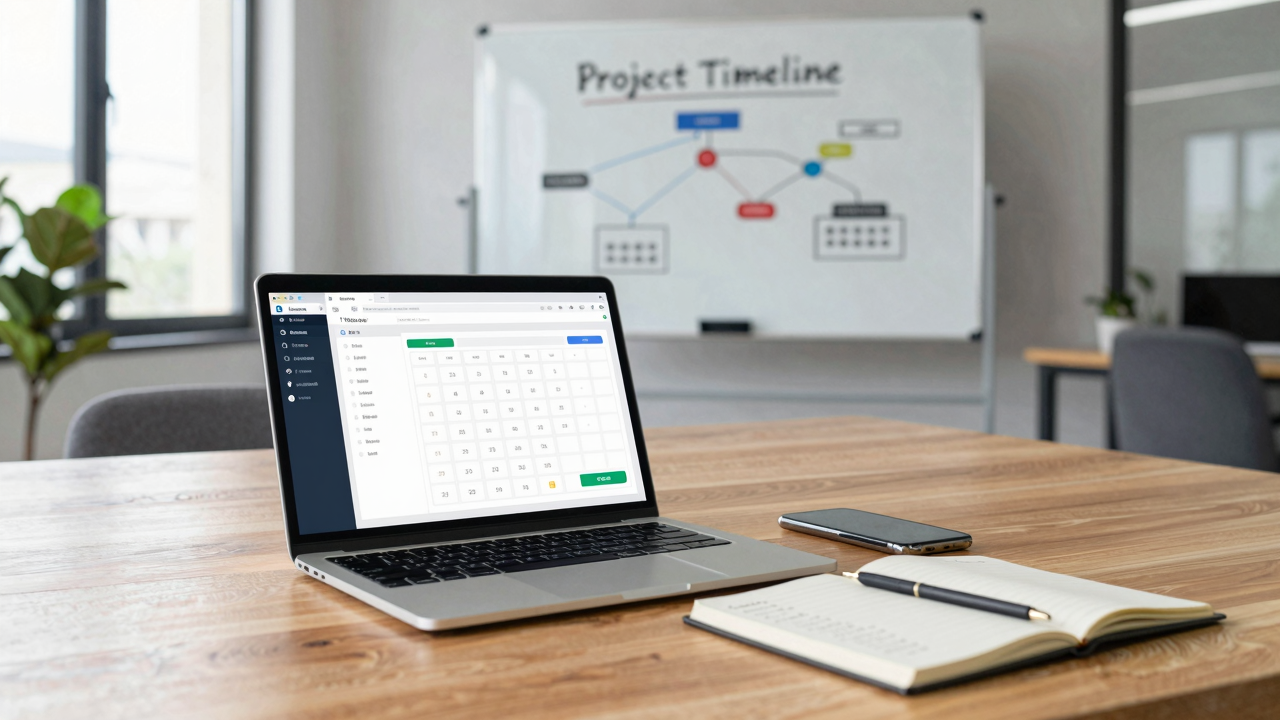
To boost your time management skills, consider using popular apps like Todoist and Trello for organizing tasks and tracking progress.
You can enhance your focus with tools like Focus Booster that utilize the Pomodoro Technique, breaking your work into manageable intervals.
Don’t forget calendar tools like Google Calendar to schedule tasks, ensuring you allocate specific time slots and meet your deadlines effectively.
Popular Time Management Apps
When it comes to managing your time effectively, using popular apps can make a significant difference. Here are three you might find helpful:
- Todoist: This user-friendly app helps you organize tasks, prioritize them, and track your progress efficiently. You can break down projects and set deadlines to stay focused.
- Forest: By gamifying your productivity, this app lets you grow virtual trees as you concentrate on tasks, minimizing distractions from your phone.
- Focus Keeper: It incorporates the Pomodoro Technique, encouraging you to work in 25-minute intervals followed by short breaks, which can boost your concentration and productivity.
These tools can streamline your workflow and enhance your time management skills, making success more attainable.
Effective Tracking Tools
Many people find that effective tracking tools can greatly enhance their time management skills.
Start by using apps like Todoist or Trello to visually organize and prioritize your tasks. This will boost your productivity and focus.
To maintain concentration, try the Pomodoro Technique with an app like Focus Keeper, which encourages work intervals followed by breaks.
Utilize Google Calendar to schedule tasks and set reminders, ensuring you meet deadlines.
For deeper insights, consider time tracking apps like Toggl to see how you spend your time, helping you identify inefficiencies.
Finally, implement the Eisenhower Matrix with Priority Matrix to categorize tasks by urgency and importance, leading to smarter decision-making.
These tools can help you manage your time more effectively.
Reflecting on Your Time Management Practices for Continuous Improvement

How effectively are you managing your time? To continually improve your time management skills, it’s essential to reflect on your practices.
Here are three actionable steps you can take:
- Keep a Time Log: Track your activities for a week. This will reveal how much time you spend on high-priority versus low-priority tasks, helping you shift your focus where it’s needed most.
- Use the Eisenhower Matrix: This tool helps you categorize tasks by urgency and importance. By prioritizing effectively, you can make better decisions about where to allocate your time.
- Seek Feedback: Ask peers or mentors for their perspectives on your time management methods. Their insights can lead to valuable adjustments, boosting your productivity.
Frequently Asked Questions

What Is the 3-3-3 Rule for Time Management?
The 3-3-3 Rule suggests that after you complete three tasks, take three minutes to reflect on your progress and plan your next steps. This pause helps you maintain focus and prevents burnout.
To use this rule, list your three tasks, work through them, then set a timer for three minutes. During this time, evaluate what worked, adjust your strategies, and prioritize your next steps.
This method keeps you organized and enhances your productivity.
What Are the 5 Reasons Why Management Is Important?
Effective time management is essential for several reasons.
First, it boosts your productivity by helping you focus on important tasks.
Second, it reduces stress, as you avoid last-minute rushes.
Third, it improves decision-making, allowing you to think through choices carefully.
[embedded content]
Fourth, it enhances your work-life balance, letting you enjoy personal time.
Finally, it increases your career opportunities by demonstrating reliability and efficiency, making you a valuable asset to your team.
[embedded content]
What Are the 5 P’s of Time Management?
The five P’s of time management are proper planning, prioritization, productivity, proactivity, and performance measurement.
Start by planning your tasks each week, breaking them into manageable steps.
Prioritize based on urgency and importance.
Use productivity techniques, like time blocking, to stay focused.
Be proactive by anticipating challenges and adjusting your plans.
Finally, regularly assess your progress to identify areas for improvement, helping you refine your approach and achieve your goals more effectively.
What Is the 3 3 3 Rule for Your Day?
The 3-3-3 Rule helps you structure your day effectively.
Start by identifying three key tasks for the morning, three for the afternoon, and three for the evening. Prioritize these tasks based on urgency and importance.
Focus on completing each set before moving to the next. At the end of the day, reflect on your progress and adjust your approach as needed.
This method keeps you organized and reduces feelings of overwhelm.
Conclusion

To conclude, mastering time management is essential for your success. Start by prioritizing tasks based on their impact and deadlines. Use tools like calendars and task lists to stay organized. Regularly review your progress to identify areas for improvement. As you adapt your strategies, you’ll reduce stress and enhance your decision-making. By managing your time effectively, you’re not just boosting productivity; you’re also paving the way for personal growth and achieving your goals. Take action today.
Image via Google Gemini and Small Business Trends