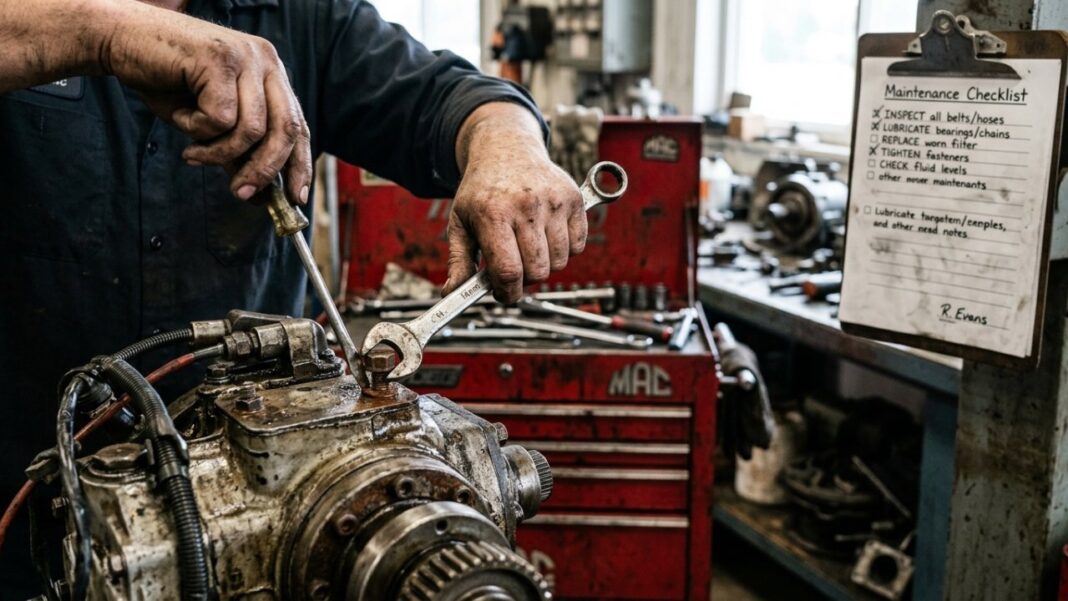

To guarantee equipment reliability, you need to focus on proactive maintenance strategies. Start by implementing preventive and predictive maintenance plans that use data to anticipate issues before they arise. Regularly track metrics like Mean Time Between Failures (MTBF) and Mean Time to Repair (MTTR) to evaluate your performance. By leveraging technologies such as IoT and AI for real-time monitoring, you can reduce downtime and optimize resources. Let’s explore how these strategies can transform your operations.
Key Takeaways
- Equipment reliability is measured by metrics like MTBF, MTTR, and availability, essential for minimizing downtime and maximizing efficiency.
- Preventive maintenance, through regular scheduling, reduces unexpected failures and can cut maintenance costs by up to 15%.
- Predictive maintenance uses advanced technologies for real-time monitoring, significantly decreasing unplanned downtime and improving overall efficiency.
- Implementing a Computerized Maintenance Management System (CMMS) streamlines scheduling, enhances maintenance compliance, and reduces unplanned downtime by up to 30%.
- Continuous improvement practices, including training and data analysis, enhance technician skills and optimize maintenance strategies for better reliability.
Understanding Equipment Reliability: A Key Component
Understanding equipment reliability is essential for maintaining smooth operations in any facility. It refers to the probability that your machinery will function without failure over time, which is vital for minimizing downtime and maximizing efficiency.
To enhance equipment reliability, focus on preventive maintenance. This means regularly scheduled checks and servicing to prevent unexpected breakdowns.
Start by evaluating key metrics like Mean Time Between Failures (MTBF) and availability. These will help you understand how often equipment fails and how long it’s down.
Implementing predictive maintenance can take this a step further, allowing you to anticipate failures before they happen.
Train your team to recognize potential failure modes and evaluate risks. By addressing issues early, you can notably reduce downtime—by up to 30%—which lowers production losses and maintenance costs.
Prioritize these strategies, and your operations will become more reliable and efficient.
The Role of Maintenance in Equipment Reliability
Maintenance is essential for ensuring your equipment runs smoothly and reliably.
By implementing preventive and predictive maintenance strategies, you can effectively reduce unexpected breakdowns and improve overall efficiency.
Start by establishing a routine schedule for checks and monitoring to catch issues before they escalate, ensuring your operations stay on track.
Preventive Maintenance Benefits
While many businesses focus on immediate repairs, incorporating preventive maintenance into your strategy can drastically improve equipment reliability and overall efficiency.
By regularly scheduling maintenance, you can considerably reduce unexpected equipment failures and cut unplanned downtime by up to 30%. This proactive approach not only stabilizes operations but also leads to long-term cost savings, potentially increasing your ROI by 20% by minimizing production losses associated with breakdowns.
Aim for timely inspections and interventions to avoid costly repairs, which can decrease maintenance costs by up to 15%.
Prioritizing preventive maintenance benefits allows you to address potential failure modes before they disrupt operations, ensuring your critical machinery is always running smoothly and efficiently.
Predictive Maintenance Advantages
To enhance equipment reliability, you should consider adopting predictive maintenance strategies that leverage advanced technologies like thermal imaging and ultrasound. By utilizing these tools, you can proactively identify potential failures before they disrupt operations.
One of the key predictive maintenance advantages is the ability to reduce unplanned downtime by up to 30%, which greatly boosts your overall equipment reliability. This approach also minimizes maintenance costs and improves efficiency, with automation enhancing processes by about 25%.
You can conveniently schedule maintenance activities, ensuring repairs are made at ideal times to avoid production interruptions. Ultimately, adopting predictive maintenance can lead to an increase in Mean Time Between Failures (MTBF), promoting better operational continuity and reducing customer dissatisfaction risks.
How Proactive Maintenance Addresses Common Equipment Issues
Proactive maintenance plays an essential role in tackling common equipment issues, as it focuses on preventing problems before they escalate. By scheduling inspections and timely repairs, you can reduce unplanned equipment failures by up to 30%.
To further enhance reliability, implement preventive maintenance, which can boost Mean Time Between Failures (MTBF) by 20-40%.
Utilizing condition monitoring techniques is vital; they help detect early signs of wear, allowing you to take corrective actions before failures occur. This not only minimizes maintenance costs but also keeps your operations running smoothly.
Incorporating predictive maintenance technologies can lower expenses by up to 15% by accurately forecasting potential issues and optimizing repair schedules.
Adopting a thorough proactive maintenance strategy enhances equipment uptime and contributes to a safer workplace by reducing the risk of accidents related to equipment malfunctions. Start integrating these methods today for better equipment reliability.
What Is Reactive Maintenance and When Is It Used?
Reactive maintenance, or RM, focuses on fixing equipment after it breaks down, making it a straightforward but often risky strategy.
You might find it useful for low-cost assets where a little downtime won’t hurt, but it’s not ideal for production lines that need to run smoothly.
Knowing when to apply RM can help you manage costs and minimize disruptions, so let’s explore its key characteristics and the best situations for its use.
Characteristics of Reactive Maintenance
When equipment fails, a reactive maintenance strategy kicks in, focusing on fixing issues after they occur. While this approach can be effective in specific scenarios, it often leads to unexpected downtime and production disruptions.
Here are key characteristics to evaluate:
- Corrective Action: You fix problems only after they happen.
- Cost-Effectiveness: It’s cheaper when spare machines are available.
- Limited Suitability: Less effective in Just In Time (JIT) environments, causing delays.
- Industry Fit: Best for low-cost assets where downtime impact is minimal.
Understanding reactive maintenance vs preventive maintenance helps you make informed decisions.
While reactive maintenance can save costs initially, it may lead to higher operational costs and customer dissatisfaction over time.
[embedded content]
Situations for Reactive Use
Although you might prefer a proactive approach to maintenance, there are specific situations where reactive maintenance proves useful. This strategy works best when equipment failures have minimal impact on production schedules, allowing you to address issues without major disruptions.
For example, if you have low-cost assets or spare machines, reactive maintenance can be cost-effective. However, be cautious in Just In Time (JIT) production systems, as unexpected downtimes can disrupt the entire flow.
You should also consider using reactive maintenance for non-critical equipment. It’s essential to balance this approach with preventive and predictive strategies to improve reliability and efficiency, ensuring your operations run smoothly while still addressing necessary repairs promptly.
Pros and Cons of Reactive Maintenance
While some businesses may find reactive maintenance appealing due to its straightforward nature, it’s essential to weigh its pros and cons carefully. Here are four key points to reflect on:
- Cost-Effectiveness: It can save money initially, especially if you have spare machines available.
- Simplicity: You only address issues as they arise, making it easy to implement.
- Short-Term Focus: It may be suitable for non-critical machines, minimizing immediate disruptions.
- Increased Downtime: However, it often leads to longer downtimes, costing businesses up to $260,000 per hour.
Keep in mind that relying solely on reactive maintenance can lead to recurring problems and higher long-term costs.
To improve reliability, think about integrating preventive strategies to address underlying issues. This way, you can balance efficiency with the need to maintain operational flow, ultimately enhancing your overall equipment reliability.
Advantages and Disadvantages of Preventive Maintenance
Preventive maintenance offers a proactive approach that can greatly enhance your equipment reliability. By implementing a preventive maintenance plan for equipment, you can schedule inspections and tasks that help prevent failures, cutting unplanned downtime by up to 30%.
While initial costs may seem high due to spare parts and service contracts, the long-term benefits often lead to a 20% increase in ROI through stable operations.
However, careful planning is essential. You need to assess critical machines to allocate resources efficiently. This process helps maintain product quality, minimizing defects and boosting your competitive edge.
Yet, be cautious: if not properly executed, you might face over-maintenance, incurring unnecessary costs on equipment that doesn’t need frequent servicing. To maximize effectiveness, regularly review your maintenance plan, ensuring it aligns with actual operational demands.
Understanding Predictive Maintenance Techniques
To effectively implement predictive maintenance, start by identifying key techniques like thermal imaging and vibration analysis that help you monitor equipment conditions in real-time.
By using these methods, you can anticipate potential failures and schedule maintenance before problems arise.
This proactive approach not only boosts your equipment’s lifespan but also enhances overall operational efficiency, reducing unplanned downtime considerably.
Key Predictive Techniques
Predictive maintenance techniques play an essential role in ensuring equipment reliability by using real-time data from sensors to anticipate potential failures.
Here are four key techniques you should consider implementing:
- Vibration Analysis: Detects imbalances or misalignments early, preventing costly breakdowns.
- Thermal Imaging: Identifies overheating components before they fail, avoiding catastrophic events.
- Ultrasound: Reveals leaks or electrical issues that may go unnoticed, enhancing safety.
- Condition Monitoring Systems: Continuously track performance metrics, supporting proactive maintenance efforts.
Benefits of Predictive Maintenance
Understanding the benefits of predictive maintenance is key to enhancing equipment reliability. By employing technologies like thermal imaging and ultrasound, you can continuously monitor equipment conditions. This allows you to intervene before failures occur, reducing unplanned downtime by up to 30%.
Implementing predictive maintenance not only optimizes resource allocation but also minimizes the need for large spare parts inventories, cutting maintenance costs. You can expect a 20% increase in ROI by lowering production losses linked to equipment failures.
Additionally, focusing on predictive maintenance strategies improves Mean Time Between Failures (MTBF), which enhances overall equipment reliability and safety. By taking these steps, you’ll create a more efficient and cost-effective maintenance program.
How Condition Monitoring Boosts Equipment Reliability
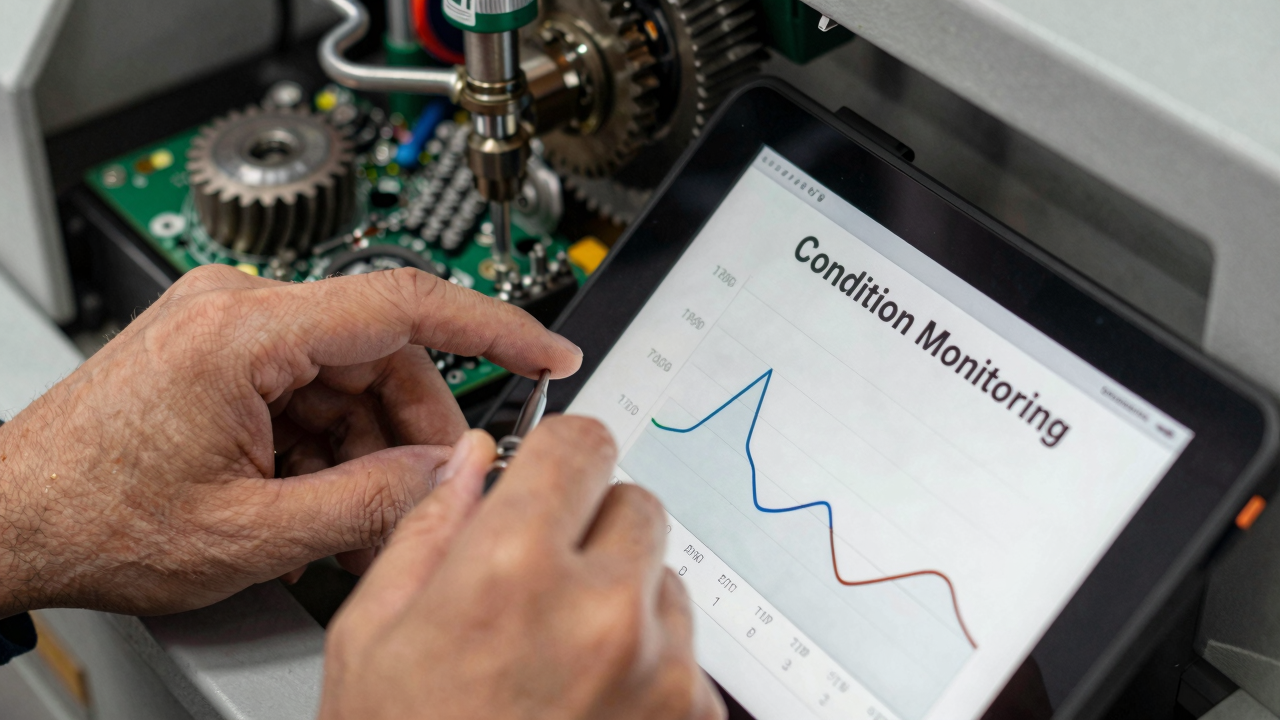
Condition monitoring plays an essential role in enhancing equipment reliability by continuously tracking important performance parameters.
By implementing condition monitoring, you can proactively address potential issues before they escalate. Here’s how it boosts reliability:
- Early Detection: It identifies equipment degradation early, preventing unexpected failures.
- Cost Reduction: Using technologies like thermal imaging and ultrasound, you can considerably lower maintenance costs by anticipating problems.
- Minimized Downtime: Timely maintenance interventions based on actual conditions reduce downtime, keeping operations smooth.
- Data-Driven Decisions: Valuable data helps you prioritize maintenance tasks effectively, focusing on what’s critical.
Best Practices for Equipment Criticality Assessment
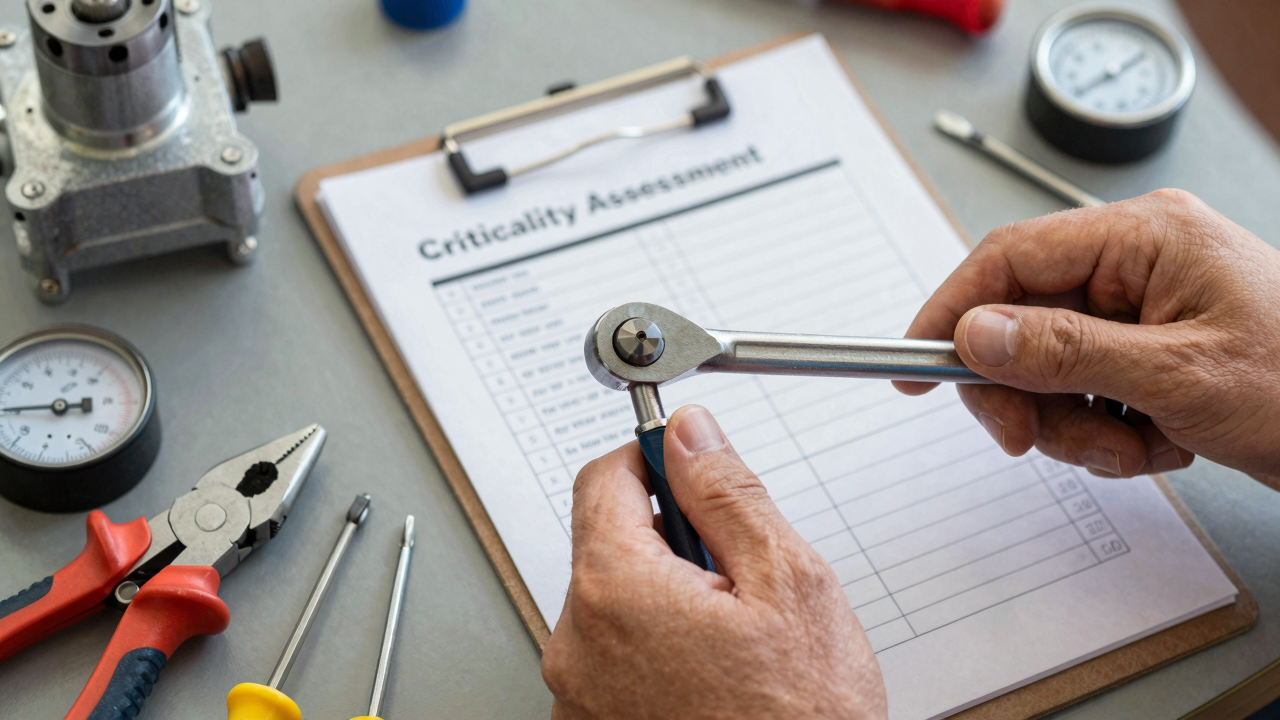
When evaluating equipment criticality, start by identifying which machines are essential to your operations.
Use risk assessment techniques to evaluate potential impacts, like downtime costs and safety issues, while prioritizing and ranking equipment based on their importance.
Regularly update your evaluations to reflect any changes, keeping your maintenance efforts focused and effective.
Identifying Critical Equipment
To effectively identify critical equipment, start by conducting a thorough criticality assessment that prioritizes maintenance efforts based on their potential impact on production and safety.
Focus on these key factors:
- Equipment failure history: Analyze past breakdowns to identify patterns.
- Production impact: Consider how downtime affects overall operations.
- Maintenance costs: Evaluate ongoing expenses related to each piece of equipment.
- Safety and environmental risks: Assess potential hazards associated with equipment failures.
Utilizing a risk matrix during this assessment categorizes assets by criticality level, ensuring you focus maintenance on high-priority items.
Regularly update your criticality assessments, at least annually, to reflect changes in production processes or equipment conditions.
This systematic approach can lead to a significant reduction in unplanned downtime and maintenance costs.
Risk Assessment Techniques
How can you effectively assess the risks associated with your equipment? Start by using risk assessment techniques like Failure Mode and Effects Analysis (FMEA). This tool helps you identify potential failure modes, their causes, and the impacts they might’ve on production and safety.
Quantify equipment criticality with metrics like Mean Time Between Failures (MTBF) and understand the financial costs of downtime to prioritize maintenance efforts. Implement a risk matrix to categorize equipment based on the likelihood of failure and the severity of consequences.
[embedded content]
Regularly review and update your assessments to adapt to changing equipment conditions and operational demands. This proactive approach guarantees ongoing reliability and enhances your maintenance efficiency.
Prioritization and Ranking Methods
Prioritizing equipment based on criticality is essential for effective maintenance management. By using prioritization and ranking methods, you can guarantee that your maintenance functions focus on the most impactful assets.
Here’s a straightforward approach to assess criticality:
- Conduct Failure Mode and Effects Analysis (FMEA) to identify potential failures and their impacts.
- Calculate Risk Priority Numbers (RPN) to quantify the risk associated with each piece of equipment.
- Leverage historical data and maintenance records to inform your assessments.
- Establish a regular review process to adapt rankings as operational needs change.
Creating an Effective Maintenance Plan
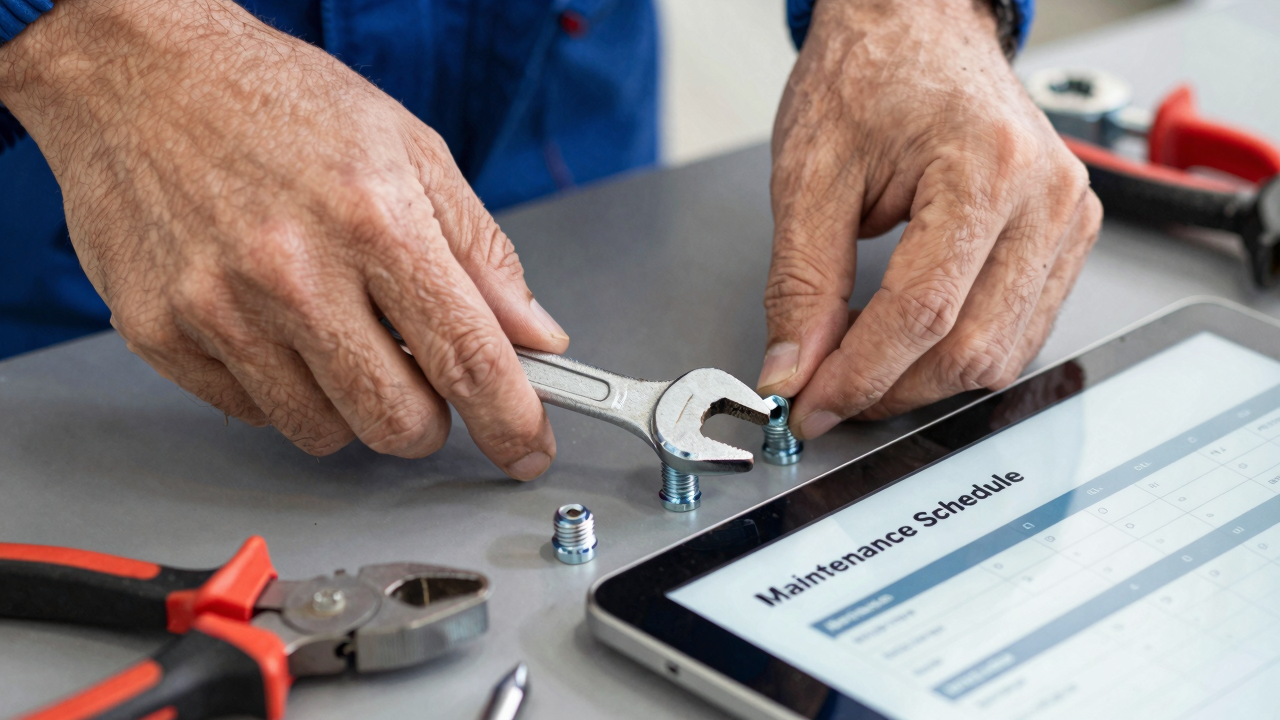
Creating an effective maintenance plan begins with a thorough assessment of your equipment’s criticality, so you can prioritize maintenance tasks based on their impact on operations.
Start by categorizing equipment into high, medium, and low priority groups. Then, incorporate both preventive and predictive maintenance strategies. For example, a preventive maintenance plan example could include scheduled inspections and lubrication tasks to prevent unexpected failures.
Next, utilize condition monitoring techniques to track performance continuously. This way, you can detect early signs of wear and tear.
Establish clear metrics, like Mean Time Between Failures (MTBF), to assess the efficiency of your plan. Regularly update the maintenance plan based on historical data and feedback from your team.
This guarantees that you’re adapting to changes and continuously improving your practices, ultimately enhancing reliability and reducing unplanned downtime. Taking these steps will help you create a solid foundation for equipment reliability.
Essential Metrics for Evaluating Maintenance Performance
To guarantee your maintenance efforts are effective, regularly evaluating essential metrics is key. These metrics provide valuable insights into your maintenance performance and help you make informed decisions.
Here are four vital metrics to track:
- Mean Time Between Failures (MTBF): This tells you how long your equipment runs before it fails, helping you gauge reliability.
- Mean Time to Repair (MTTR): This measures how quickly you can get equipment back online after a failure, reflecting your efficiency.
- Number of Unplanned Stops: Monitoring unexpected failures can highlight areas needing preventive maintenance activities to reduce downtime.
- Maintenance Costs as a Percentage of Production Output: This metric helps you assess the financial efficiency of your maintenance efforts.
How CMMS Enhances Maintenance Efficiency
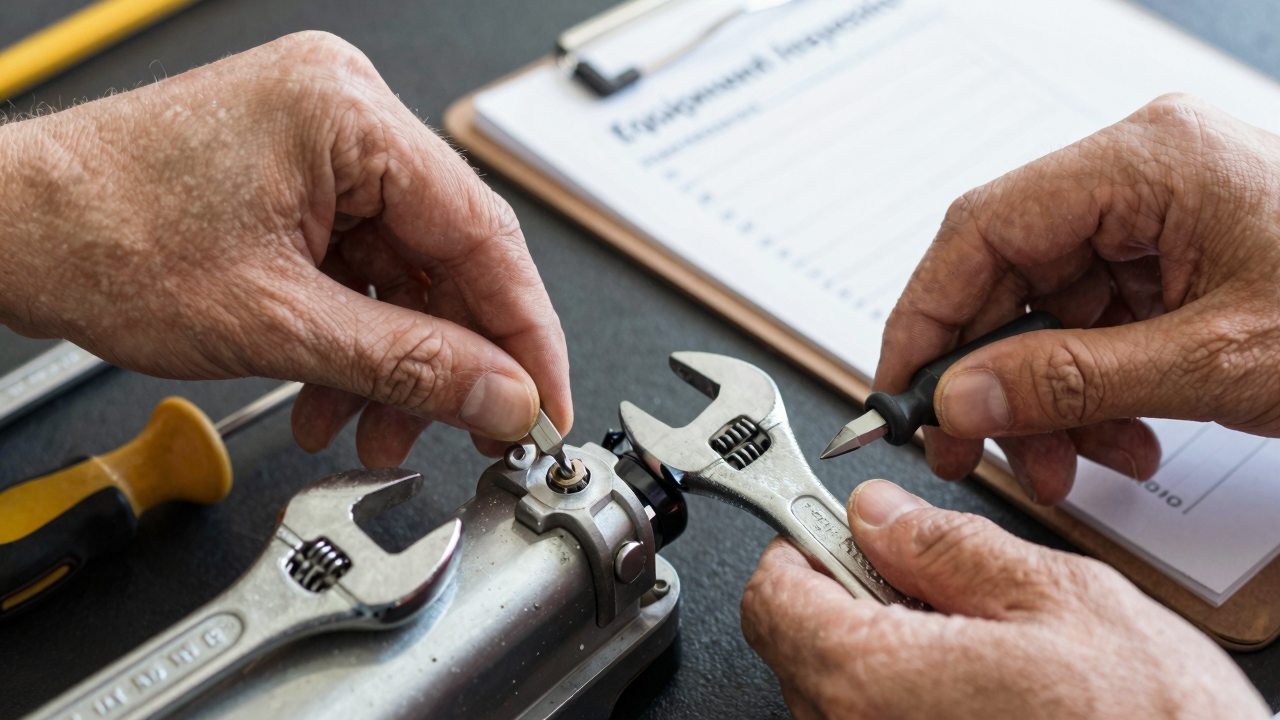
A CMMS streamlines your maintenance scheduling, making it easier to plan and track preventive tasks.
With real-time performance monitoring, you can quickly spot issues before they escalate, reducing downtime considerably.
Streamlined Maintenance Scheduling
When you implement a Computerized Maintenance Management System (CMMS), you’re not just automating tasks; you’re transforming how maintenance scheduling works.
This system streamlines maintenance scheduling, allowing you to adopt effective maintenance strategies that keep your equipment running smoothly.
Here’s how:
- Reduce unplanned downtime by up to 30% through timely preventive maintenance.
- Cut maintenance costs by up to 15% with data-driven insights.
- Adjust schedules dynamically based on actual equipment needs instead of fixed intervals.
- Prioritize critical machinery by tracking maintenance history and costs.
Real-Time Performance Monitoring
Real-time performance monitoring is essential for boosting maintenance efficiency, and a Computerized Maintenance Management System (CMMS) makes it straightforward.
With CMMS, you can centralize real-time data on equipment performance, helping you track asset conditions and receive alerts for potential issues before they escalate.
By integrating condition monitoring tools, you can automate work order generation based on specific performance thresholds, which greatly reduces unplanned downtime. This capability allows for immediate identification of deviations in equipment operation, enabling quick corrective actions.
Additionally, utilizing data analytics within the CMMS can help you discover patterns in equipment failures, leading to strategic preventive maintenance planning and a potential 30% reduction in downtime.
Actively using these tools will enhance your maintenance efficiency.
The Benefits of Automation in Maintenance Tasks
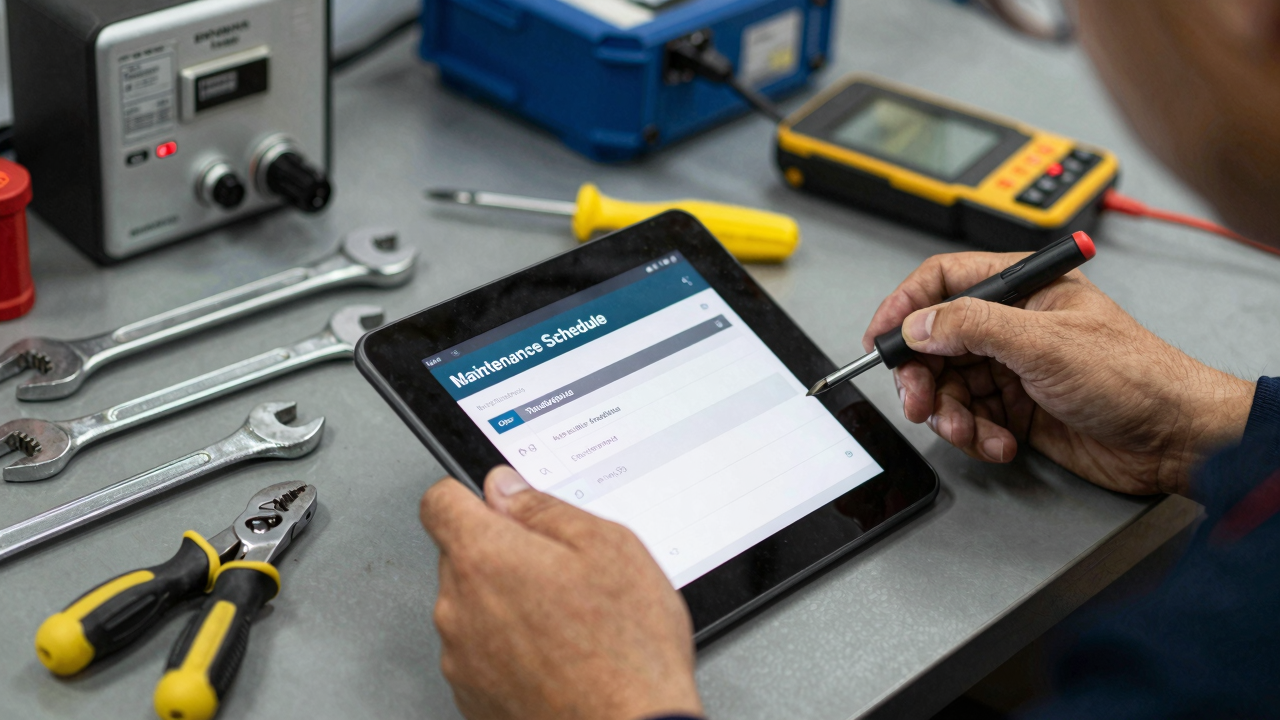
To boost efficiency in maintenance tasks, consider automating key processes that can streamline operations and cut costs.
Embracing automation in maintenance tasks can offer you several benefits:
- Reduce Labor Costs: Save up to 30% on labor, allowing your team to focus on strategic initiatives.
- Enhance Preventive Maintenance: Automated scheduling can increase compliance by 50%, minimizing unplanned downtime.
- Improve Condition Monitoring: Early detection of equipment issues can cut maintenance costs by 15% through timely action.
- Optimize Inventory Management: Guarantee spare parts are available when needed, reducing excess inventory costs by up to 20%.
How to Train Your Team for Effective Maintenance
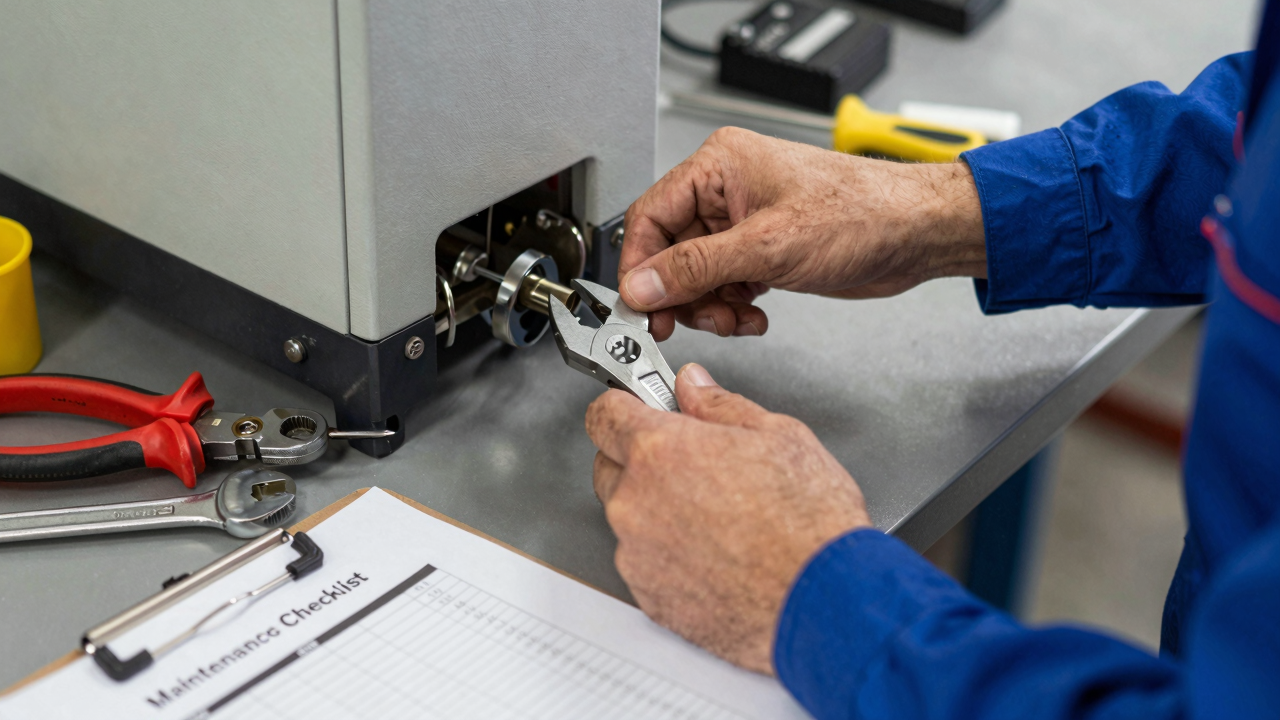
Training your team for effective maintenance is essential for ensuring equipment reliability and operational efficiency. Start by providing hands-on training sessions that use real equipment and scenarios. This approach enhances technicians’ skills, preparing them for preventive maintenance tasks.
Implement a structured onboarding program with thorough manuals and access to your CMMS software. This helps new team members grasp maintenance processes quickly.
Regular workshops on the latest technologies, like predictive analytics and condition monitoring tools, keep your team updated on industry trends. Encourage cross-training to foster collaboration and increase versatility, reducing downtime during staff shortages.
Finally, use performance metrics, such as Mean Time Between Failures (MTBF) and unplanned stops, to evaluate training effectiveness. By evaluating these metrics, you can identify knowledge gaps and refine your training programs.
For a preventive maintenance program example, consider incorporating these strategies to build a knowledgeable and efficient maintenance team.
Continuous Improvement: The Path to Enhanced Reliability
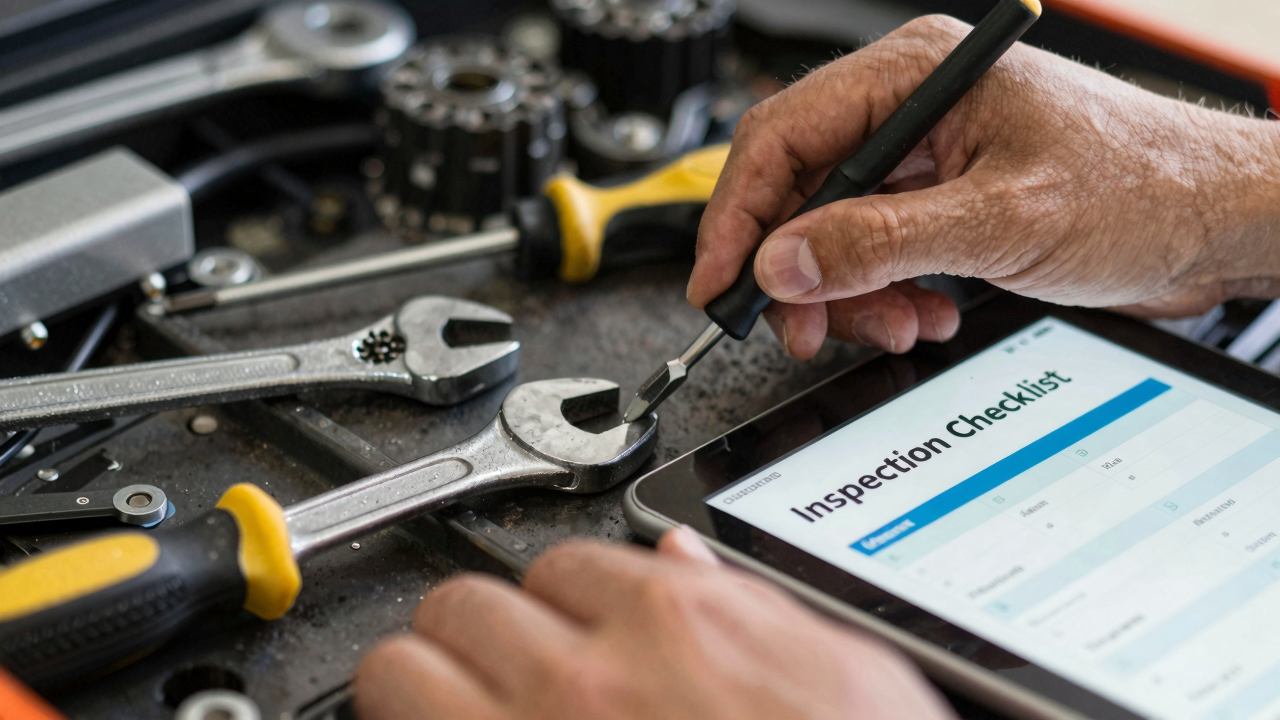
While improving equipment reliability might seem challenging, embracing a continuous improvement mindset can simplify the process. Here are some practical steps to enhance your maintenance practices:
Analyze Performance Data: Regularly review equipment performance to spot trends and areas needing improvement. Implement a Feedback Loop: Use insights from past maintenance to inform future strategies, addressing root causes and cutting unplanned stops. Utilize Root Cause Analysis (RCA): Systematically investigate failures, leading to corrective actions that boost mean time between failures (MTBF). Benchmark Against Standards: Regularly compare your practices to industry standards like ISO 55000 to develop best practices that enhance reliability.
Engaging your maintenance team in training and open communication fosters a culture of continuous improvement, empowering everyone to contribute to reliability-focused initiatives.
Real-World Case Studies of Successful Maintenance Strategies
Successful maintenance strategies in various industries demonstrate how practical approaches can greatly enhance equipment reliability. For instance, a manufacturing plant cut unplanned downtime by 40% using predictive maintenance methods like vibration and thermal analysis. This real-time monitoring allows you to act before issues escalate.
In automotive manufacturing, a preventive maintenance program that schedules inspections and timely component replacements boosted Mean Time Between Failures (MTBF) by 30%.
Another effective approach is integrating a Computerized Maintenance Management System (CMMS), as seen in a food processing facility, which reduced unexpected failures by 35%.
Additionally, a utility company combined reactive, preventive, and predictive strategies, resulting in a 20% drop in maintenance costs.
Finally, healthcare organizations improved equipment availability by 25% through condition monitoring systems.
These preventive maintenance examples showcase that tailored strategies can lead to significant improvements in reliability and cost-effectiveness.
Industry Standards That Shape Maintenance Practices
Effective maintenance practices don’t just happen; they’re shaped by industry standards that guide organizations in managing their assets. By adhering to these standards, you enhance your preventive maintenance policy, guaranteeing greater equipment reliability.
Here are four key industry standards to evaluate:
- ISO 55000: Focuses on structured asset management, helping you optimize maintenance practices.
- IEC 61508: Guarantees safety-related systems align with reliability standards, preventing accidents.
- ISO 55001: Improves risk management and decision-making, boosting equipment uptime.
- SAE JA1011: Provides a framework to benchmark your maintenance processes against industry best practices.
The Future of Maintenance: Trends to Watch
As maintenance practices evolve, staying ahead of emerging trends is essential for enhancing equipment reliability. One key trend is the shift toward predictive maintenance for machinery, fueled by advancements in IoT and AI. By integrating these technologies, you can analyze real-time data, allowing you to anticipate failures and reduce downtime effectively.
Digital transformation also plays a critical role, moving you from reactive to proactive maintenance strategies. Embrace automation to streamline routine tasks, which not only improves efficiency but also enhances workplace safety by minimizing risks.
[embedded content]
Additionally, consider utilizing virtual technologies like augmented reality (AR) for on-site inspections. This can provide valuable insights and improve decision-making during maintenance activities.
To stay competitive, focus on these trends and adapt your maintenance strategies accordingly. By doing so, you’ll enhance your equipment reliability and operational efficiency, positioning your organization for future success.
Frequently Asked Questions
What Are the 4 P’s of Maintenance?
The 4 P’s of maintenance are People, Processes, Parts, and Plant.
First, confirm your team is trained and skilled, fostering open communication for feedback.
Next, establish clear processes and job plans to guide maintenance tasks.
Keep essential parts in stock to avoid delays, and manage your inventory effectively.
Finally, make sure your tools and equipment are ready for maintenance work, so you’re always prepared for scheduled tasks and emergencies.
What Are the Five Pillars of Maintenance and Reliability?
The five pillars of maintenance and reliability are Reactive Maintenance, Preventive Maintenance, Predictive Maintenance, Continuous Monitoring, and Hybrid Maintenance Strategies.
To improve your operations, start by addressing failures reactively when they occur. Implement preventive measures through scheduled inspections.
Use predictive analytics to foresee issues, and monitor equipment continuously for real-time performance.
Finally, consider hybrid strategies that mix these approaches to suit your specific needs, ensuring both reliability and cost-effectiveness in your maintenance efforts.
How to Measure Reliability in Maintenance?
To measure reliability in maintenance, track metrics like Mean Time Between Failures (MTBF) and Failure Rate.
Calculate MTBF by dividing total operational time by the number of failures. Monitor the Failure Rate by counting failures over a specific time period.
Additionally, assess availability percentages to see how often equipment is operational.
Implement predictive maintenance strategies, using real-time data to anticipate issues, and reduce unplanned downtime, ultimately improving your equipment’s reliability.
What Are the 7 Steps of Quality Maintenance?
To achieve quality maintenance, follow these seven steps:
First, assess your equipment’s criticality.
Next, develop a tailored maintenance plan.
Then, implement condition monitoring techniques like thermal imaging.
After that, conduct root cause analysis for failures.
Fifth, establish a continuous improvement process to refine your strategies.
Sixth, train your staff regularly on best practices.
Finally, guarantee you document all maintenance activities for future reference.
This approach will enhance your equipment’s reliability effectively.
Conclusion
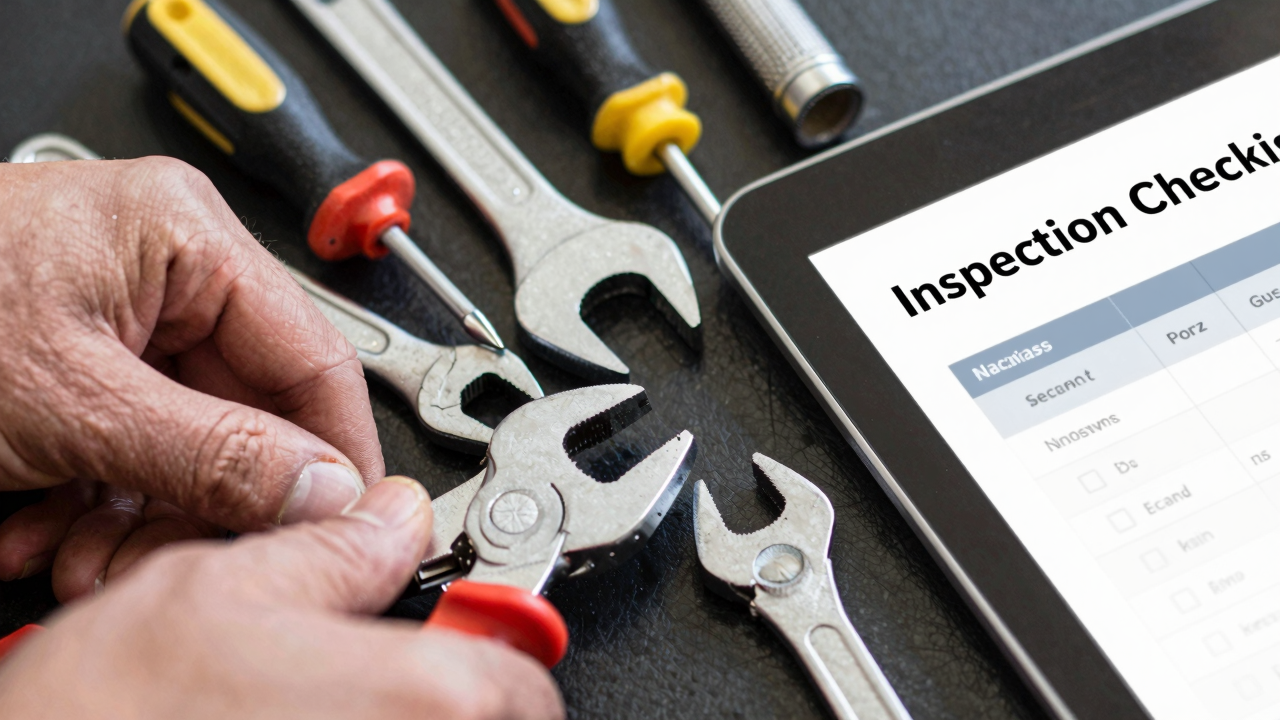
To boost equipment reliability, focus on proactive maintenance strategies like preventive and predictive approaches. Regularly assess your metrics, such as MTBF and MTTR, to identify areas for improvement. Implement IoT and AI tools for real-time monitoring, which can help reduce downtime and optimize resource use. Stay informed about industry standards and trends to keep your practices up-to-date. By actively refining your maintenance plan, you’ll enhance performance and achieve significant cost savings over time.
Image via Google Gemini and Small Business Trends