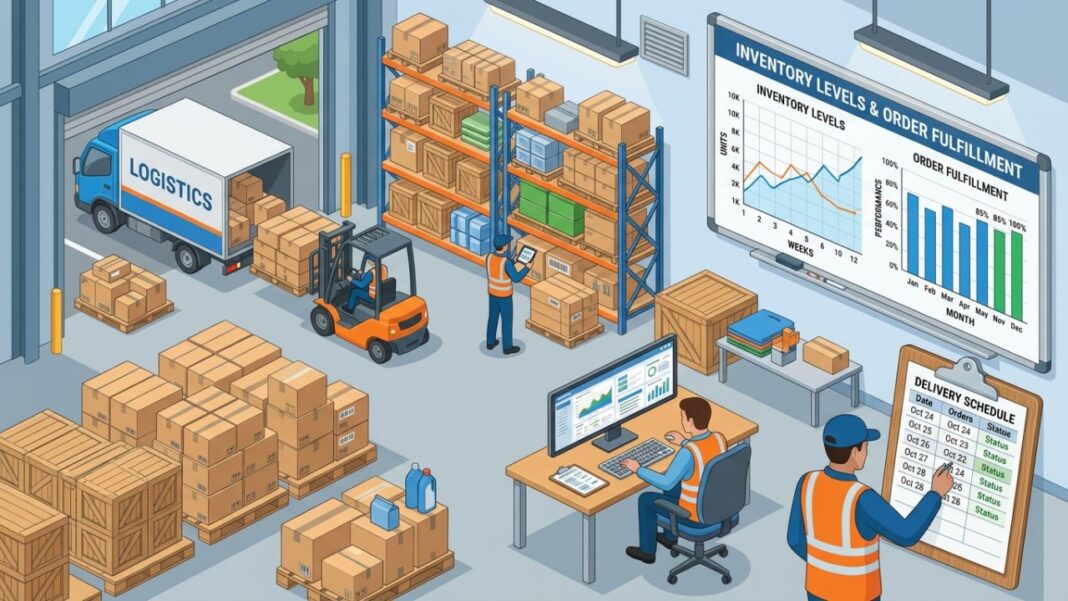

When it comes to inventory logistics, understanding the key components is essential for success. Start by focusing on sourcing and procurement to secure reliable suppliers. Next, implement effective inventory control methods to track stock levels accurately. Don’t overlook storage and organization, as these directly impact order fulfillment and transportation management. By optimizing these areas, you can streamline operations and enhance customer satisfaction. What’s the next step in fine-tuning your approach?
Key Takeaways
- Effective inventory logistics ensure smooth goods flow from suppliers to customers, directly impacting operational efficiency and customer satisfaction.
- Sourcing and procurement align inventory with demand through accurate forecasting and strong supplier partnerships.
- Inventory control involves regular tracking and audits to prevent stockouts and excessive inventory.
- Optimizing storage solutions and order fulfillment processes enhances efficiency and reduces costs.
- Utilizing technology, such as Inventory Management Systems and automation, improves visibility and tracking in logistics operations.
Understanding Inventory Logistics and Its Importance
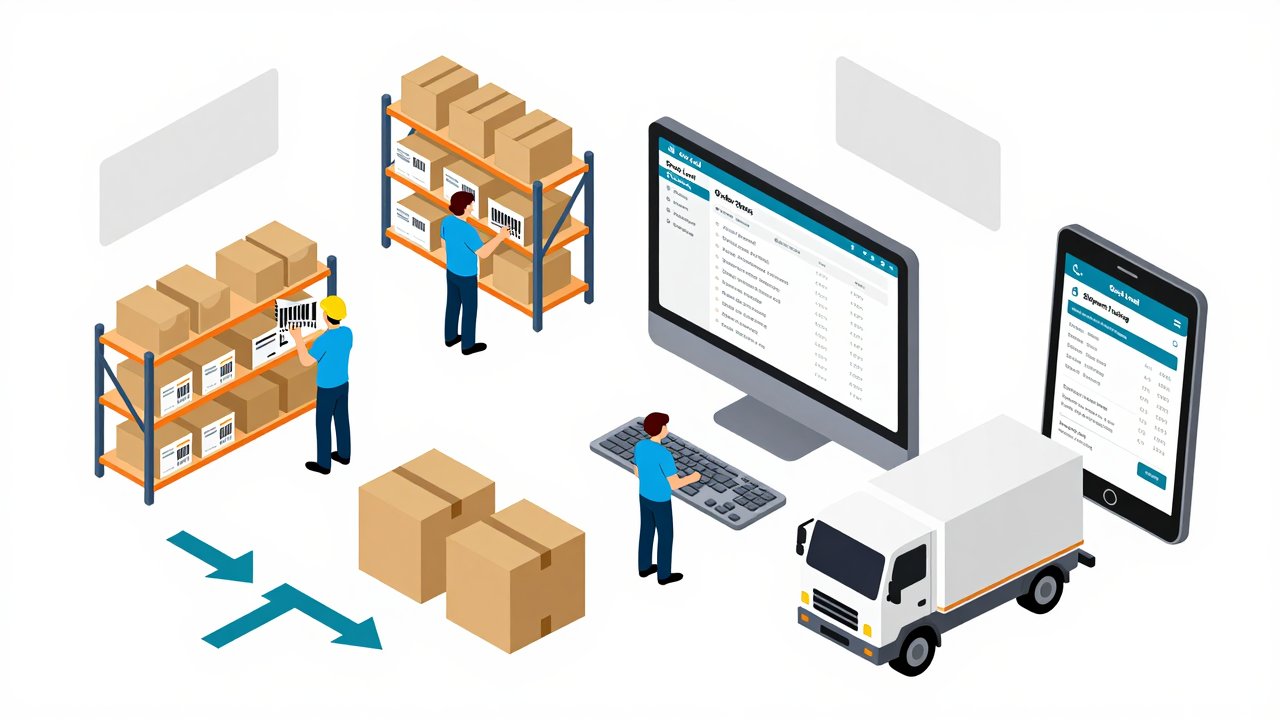
When you think about inventory logistics, you mightn’t realize its critical role in your business’s success. Effective logistics and inventory management guarantee a smooth flow of goods from suppliers to customers, directly impacting operational efficiency and customer satisfaction.
Start by implementing an inventory management system (IMS) that allows for real-time tracking of stock levels. This can help you minimize stockouts and overstock situations, guaranteeing you meet customer demand without tying up too much capital.
Incorporate advanced technologies like AI and IoT to enhance visibility in your logistics and inventory control. These tools can help you forecast demand more accurately, allowing you to maintain ideal stock levels.
Finally, focus on proper inventory logistics practices. This not only improves cash flow but also reduces the need for emergency stock purchases, keeping your operations running smoothly and efficiently.
Key Components of Inventory Logistics
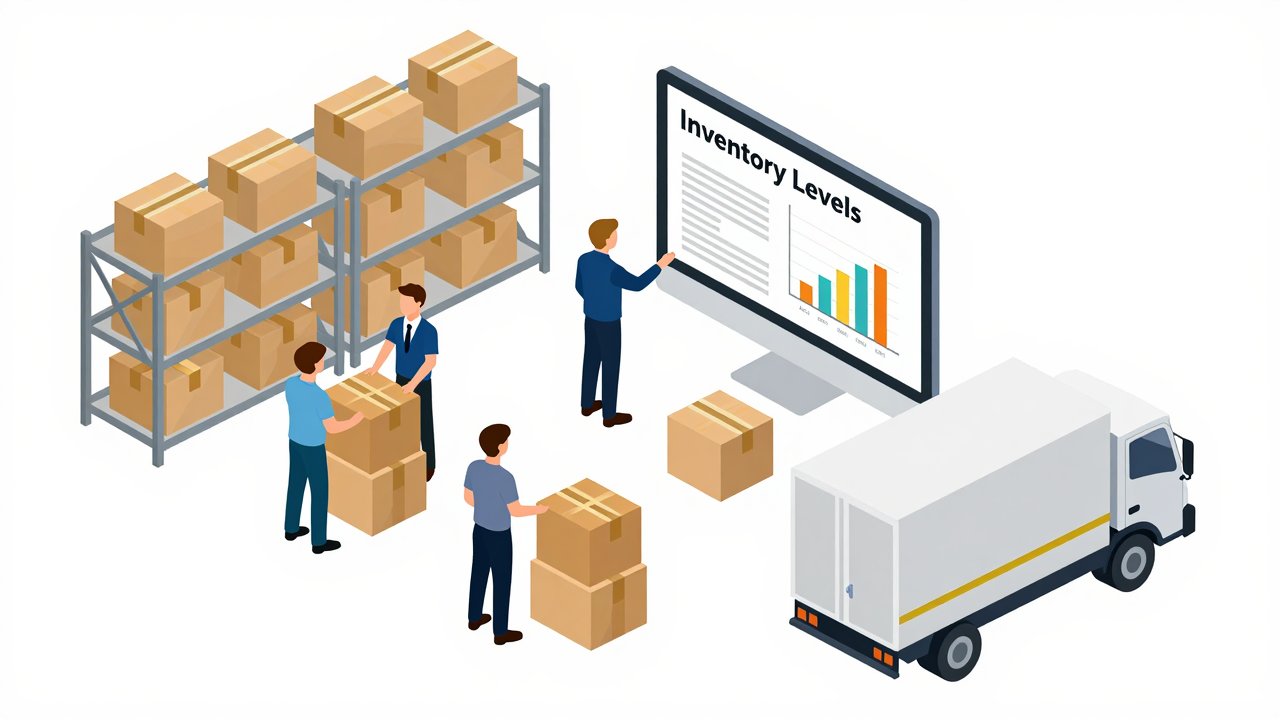
Inventory logistics is essential for ensuring your business runs smoothly and meets customer demands effectively. Key components include sourcing and procurement, inventory control, storage and organization, order fulfillment, and transportation management.
Here’s a quick overview of these components:
| Component | Key Action | Outcome |
|---|---|---|
| Sourcing and Procurement | Forecast demand accurately | Aligns inventory with needs |
| Inventory Control | Track stock levels regularly | Prevents stockouts and excess |
| Order Fulfillment | Use software for picking and packing | Enhances customer satisfaction |
Best Practices for Effective Inventory Control
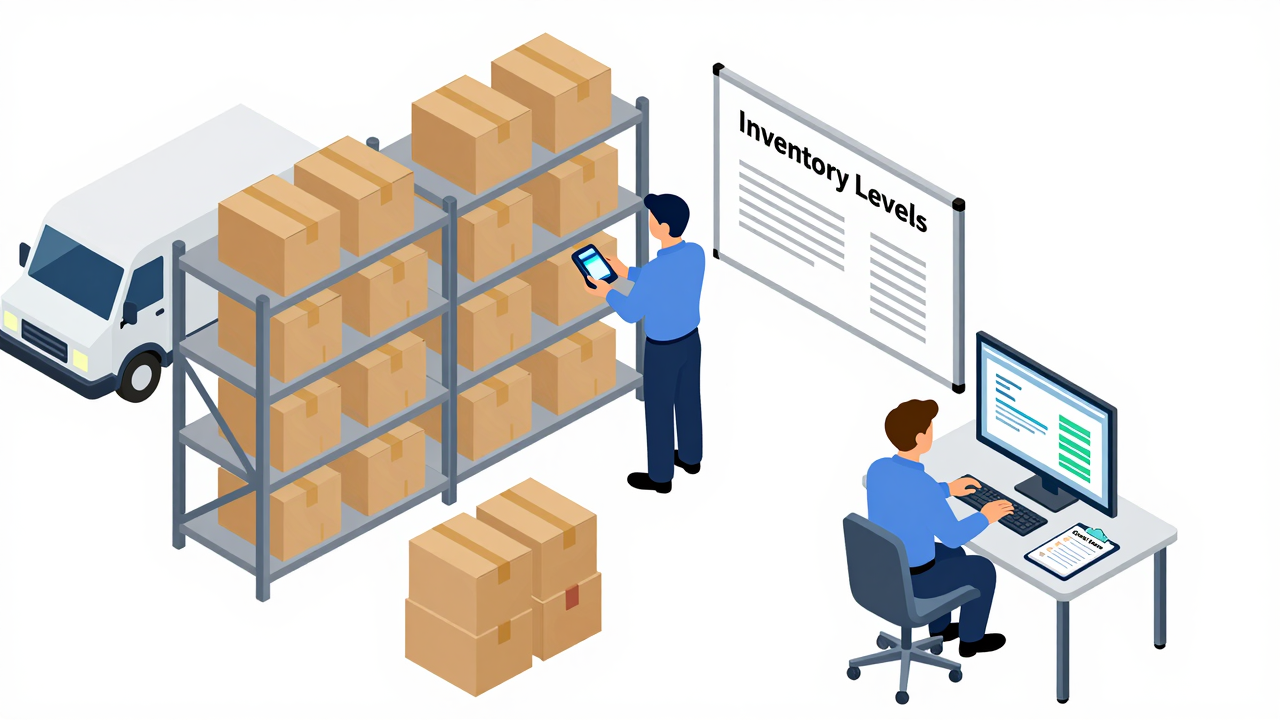
To manage your inventory effectively, start by tracking stock accurately; this guarantees you always know what you have on hand.
Use efficient reorder strategies, like setting minimum stock levels, to avoid running out of popular items.
Regular inventory audits will keep your data precise and help you spot discrepancies before they affect your operations.
Accurate Stock Tracking
Accurate stock tracking is essential for keeping your business running smoothly and meeting customer demands. To achieve this, implement these best practices:
- Utilize Inventory Management Systems (IMS) for real-time stock level tracking.
- Conduct regular physical counts alongside automated technologies like RFID and barcode systems to guarantee accuracy.
- Adopt demand forecasting techniques to predict future inventory needs, helping you maintain ideal stock levels.
- Implement effective inventory control methods, such as Just-In-Time (JIT) and Economic Order Quantity (EOQ), to minimize holding costs and guarantee product availability.
Efficient Reorder Strategies
Maintaining the right levels of stock is key to efficient operations, and effective reorder strategies play a big role in that.
Start by implementing Just-In-Time (JIT) practices to align your orders with production needs, which cuts excess stock and lowers carrying costs.
Use Economic Order Quantity (EOQ) calculations to find the best order size that balances your ordering and holding costs.
Regularly review and adjust your reorder points based on real-time sales data and demand forecasts to keep stock levels ideal.
Consider automated inventory management systems to streamline your reorder processes, ensuring timely restocks.
Finally, integrate safety stock strategies to guard against unexpected demand spikes, helping you avoid supply chain disruptions.
Regular Inventory Audits
While you might think of inventory audits as a once-in-a-while chore, they’re essential for keeping your stock levels accurate and reliable.
Regular audits help you maintain an average inventory accuracy of about 63%, reducing discrepancies and ensuring you have what you need.
Here are some best practices to follow:
- Perform audits quarterly or monthly, based on your business type.
- Conduct physical counts to spot stockouts and surplus inventory.
- Use technology like RFID or barcoding to streamline the process.
- Verify records against physical stock to enhance data integrity.
How Demand Forecasting Impacts Inventory Management?
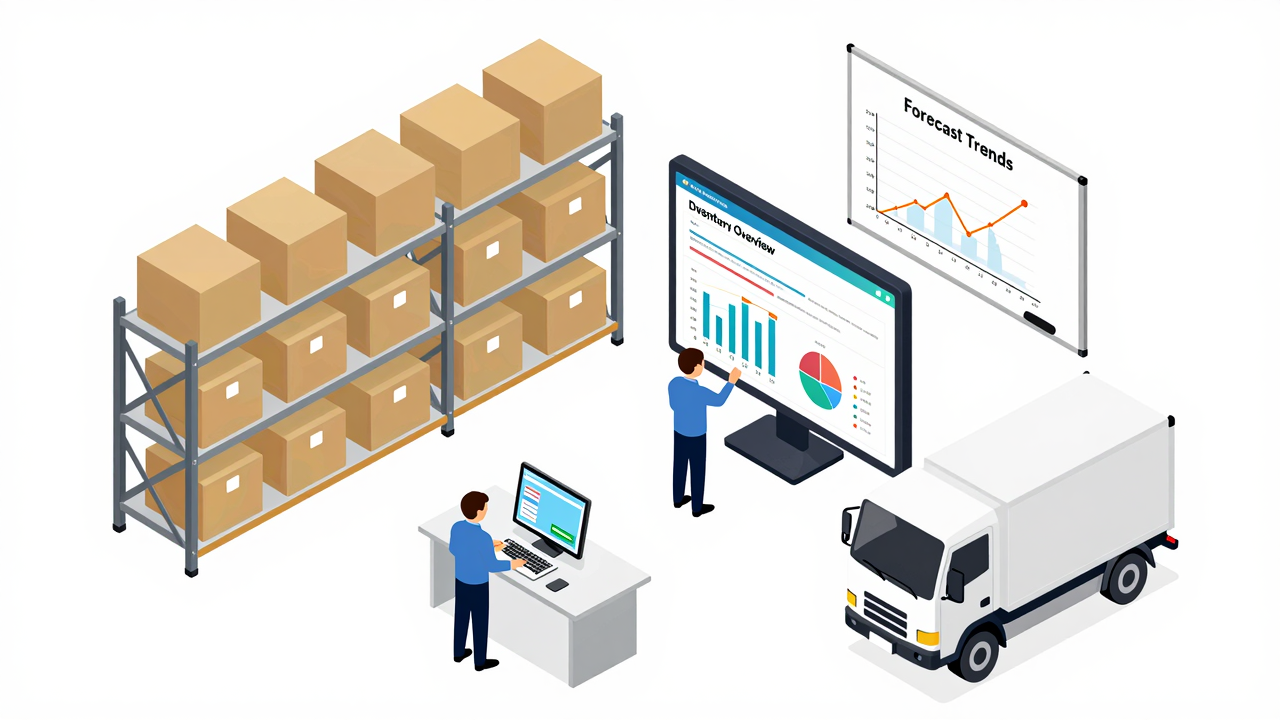
Demand forecasting plays an essential role in effective inventory management, as it helps you predict future customer purchases based on historical sales data and market trends. By utilizing accurate forecasts, you can determine ideal inventory levels, avoiding stockouts that frustrate customers or overstocking that ties up your cash flow.
Techniques like Just-In-Time (JIT) inventory depend on these forecasts to align production with actual demand, minimizing excess stock.
To enhance your forecasting accuracy, consider using advanced analytics. This approach can boost your inventory turnover rates by 10-20%, making your stock usage more efficient.
[embedded content]
Regularly updating your forecasts helps you respond swiftly to market changes, ensuring you maintain appropriate inventory levels. By actively managing demand forecasting, you can reduce your inventory holding costs by 20-30%, allowing you to allocate resources more effectively and improve overall customer satisfaction.
Effective Sourcing and Procurement Strategies in Inventory Logistics
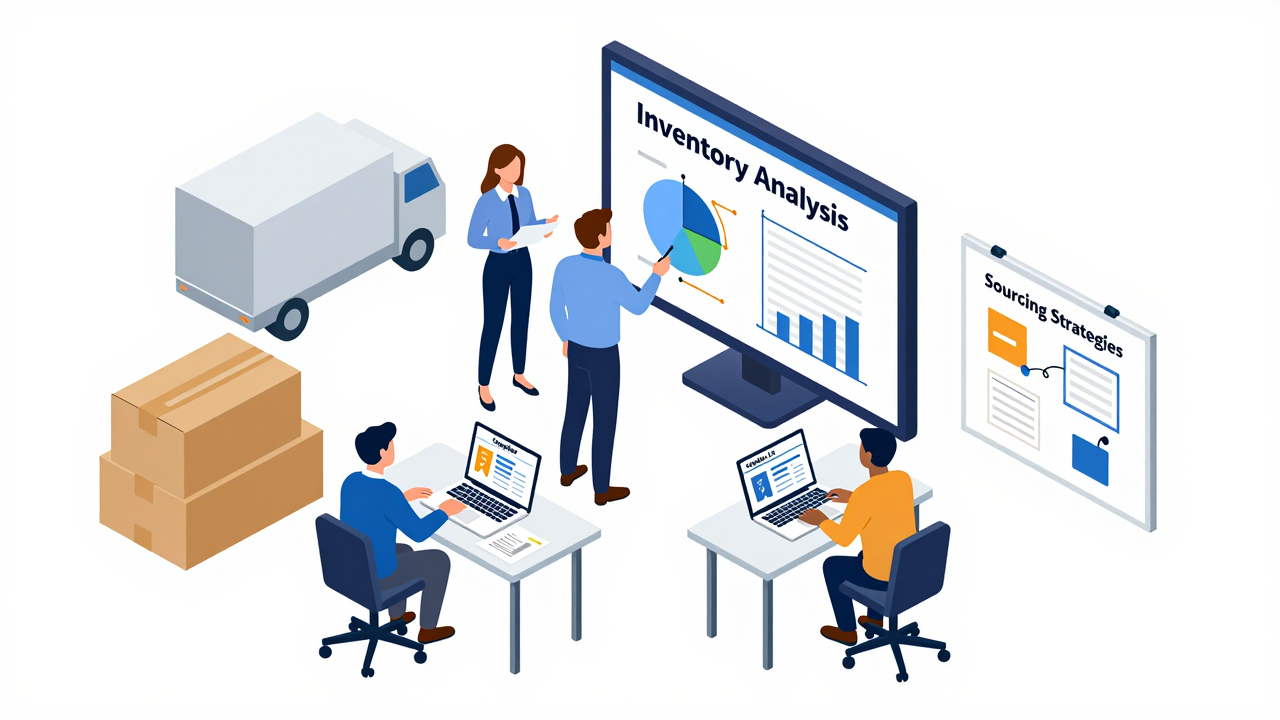
When you’re looking to enhance your sourcing and procurement strategies, start with effective demand forecasting techniques.
By accurately predicting what you’ll need, you can avoid stockouts and excess inventory, which saves you time and money.
Additionally, building strong partnerships with suppliers can streamline your procurement process, ensuring you get what you need when you need it.
Demand Forecasting Techniques
Effective demand forecasting techniques are vital for optimizing your inventory logistics. By accurately predicting customer needs, you can reduce stockouts and excess inventory, saving costs.
Here are some strategies to take into account:
- Historical Sales Analysis: Review past sales data to identify trends and seasonality.
- Market Trend Evaluation: Keep an eye on industry trends to anticipate shifts in demand.
- Advanced Analytics: Use machine learning algorithms to improve forecasting accuracy by up to 30%.
- Collaboration with Suppliers: Share forecasting data with suppliers to enhance order accuracy and improve lead times.
Implementing these techniques helps lower procurement costs and guarantees your inventory levels align with actual demand, making your sourcing and procurement process more efficient.
2. Strategic Supplier Partnerships
Building strong supplier partnerships is essential for enhancing your inventory logistics. These relationships can lead to better pricing, consistent quality, and reliable supply delivery. To maximize efficiency, consider implementing Just-In-Time (JIT) inventory, which aligns orders with production schedules and reduces holding costs. Collaborate with suppliers on demand forecasting to improve inventory accuracy, cutting stockouts and excess inventory by up to 30%. You might also explore Vendor Managed Inventory (VMI), allowing suppliers to maintain inventory levels, which can lower costs and enhance availability. Finally, leverage technology like cloud-based systems to streamline communication and data sharing with suppliers.
| Strategy | Benefit |
|---|---|
| Just-In-Time (JIT) | Reduces holding costs |
| Demand Forecasting | Improves inventory accuracy |
| Vendor Managed Inventory | Enhances stock availability |
| Supplier Collaboration | Strengthens relationships |
| Cloud-Based Systems | Streamlines procurement |
Optimizing Storage Solutions in Inventory Logistics
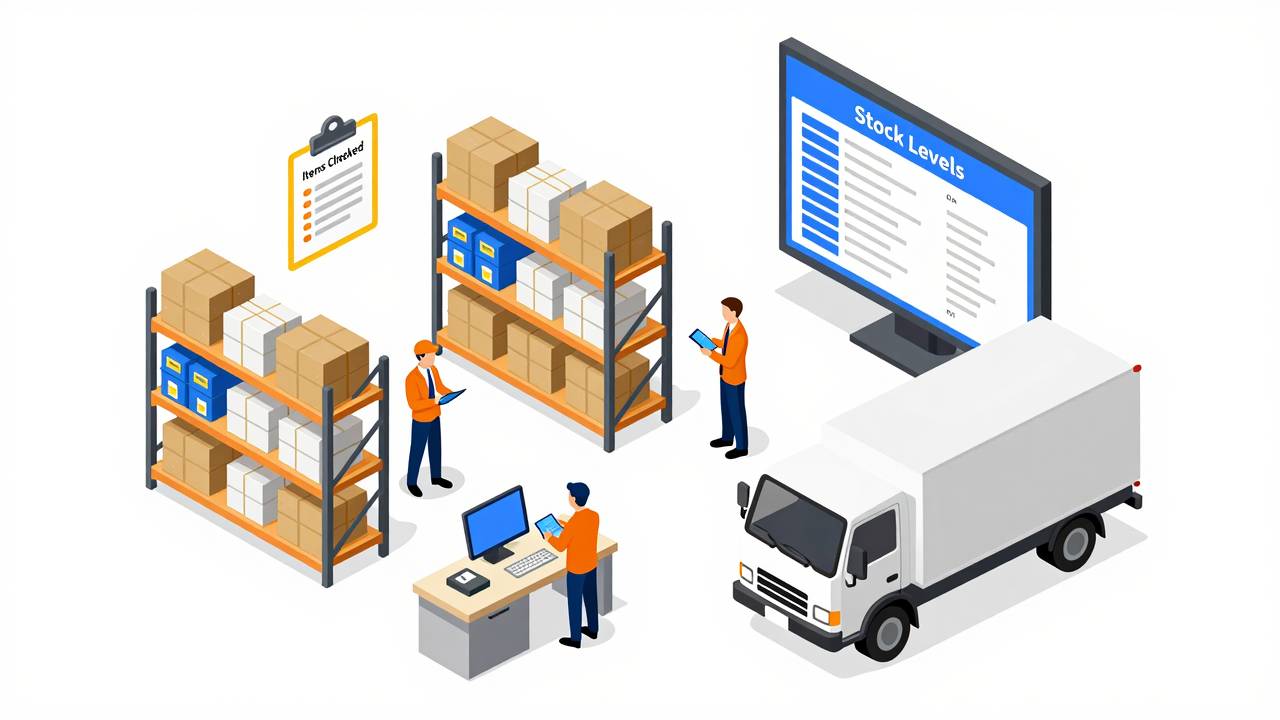
To optimize storage solutions in inventory logistics, you need to focus on several key strategies that enhance efficiency and space utilization.
Start by re-evaluating your warehouse layout; a well-designed layout can boost space use by up to 30%. Implement ABC analysis to prioritize your inventory, allowing you to allocate resources effectively to high-value items.
Consider integrating automation and robotics to improve order fulfillment speed by 20-30%, which can help cut labor costs and minimize errors.
Here are some actionable steps to optimize your storage:
- Utilize vertical storage systems to maximize cubic space by up to 40%.
- Invest in real-time inventory tracking to reduce discrepancies and stock issues.
- Regularly assess and adjust your storage solutions based on inventory changes.
- Train your staff on best practices for efficient inventory management.
Step-by-Step Guide to Order Fulfillment
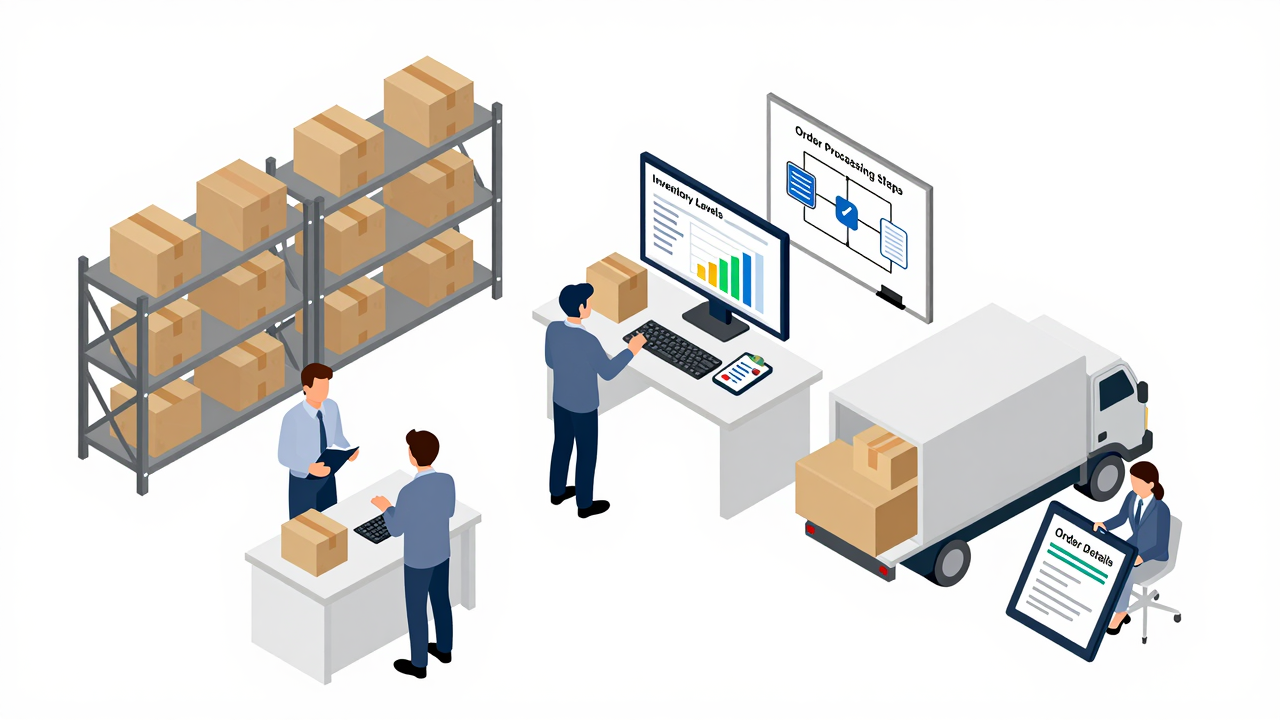
Order fulfillment is the backbone of inventory logistics, guaranteeing that customer orders are processed smoothly and efficiently. Start by receiving orders through various channels, like online platforms or in-store purchases.
Next, use inventory management software to streamline the picking process; this helps you select the correct items swiftly. Once items are picked, focus on packing them securely to minimize damage during transport, which enhances customer satisfaction.
After packing, choose shipping methods based on cost, speed, and delivery requirements; consider options like standard or express shipping. Implement tracking systems so customers can receive real-time updates about their orders.
Optimizing Distribution and Shipping in Inventory Logistics
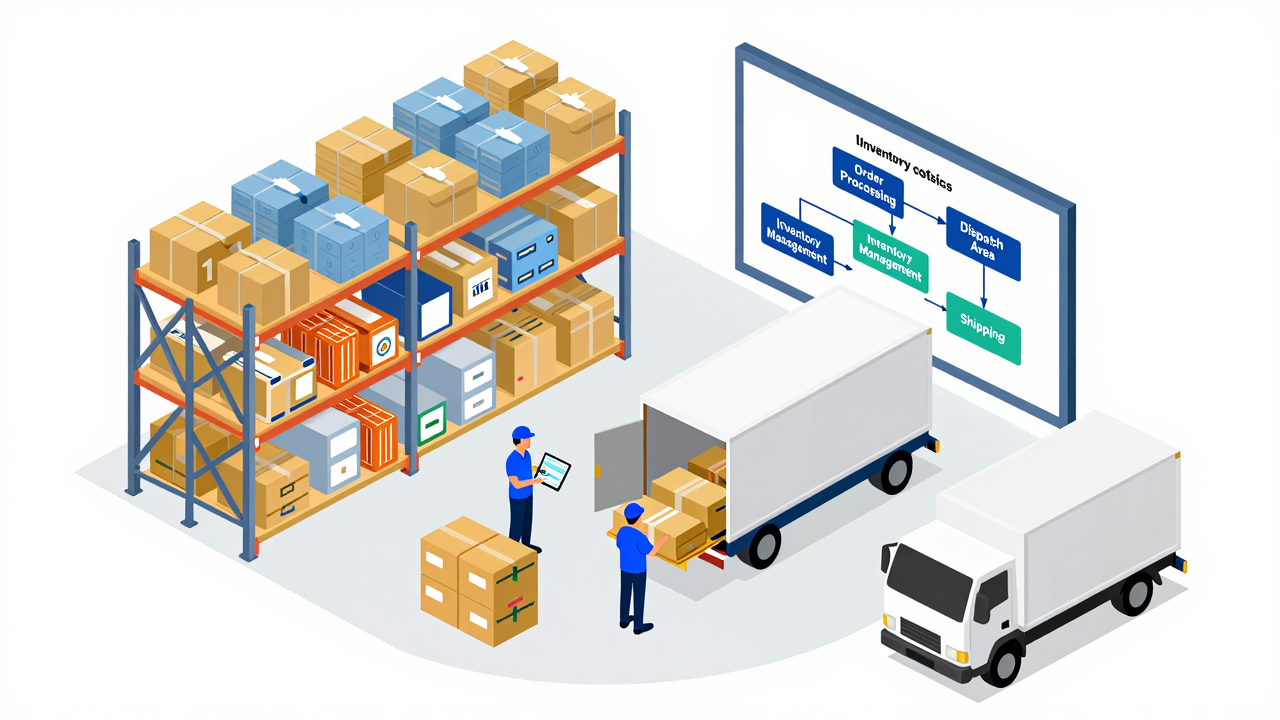
To optimize distribution and shipping in your inventory logistics, start by focusing on efficient route planning, which can considerably cut delivery times and costs.
Next, implement shipment tracking technologies to keep tabs on your packages, ensuring transparency and timely updates for your customers.
Finally, pay attention to your packaging and handling practices to protect your products during transit and improve overall efficiency.
Efficient Route Planning
Efficient route planning is essential for optimizing distribution and shipping in inventory logistics, especially when you want to cut costs and improve delivery times.
By implementing effective strategies, you can achieve significant gains. Consider these steps:
- Utilize Transportation Management Systems (TMS) for real-time route adjustments.
- Analyze multiple delivery scenarios using advanced algorithms to choose the best paths.
- Aim to reduce transportation costs by optimizing delivery routes, potentially cutting fuel consumption and time by up to 20%.
- Focus on decreasing order-to-delivery lead times, which have increased by 40% recently.
2. Shipment Tracking Technologies
While managing inventory logistics, leveraging shipment tracking technologies can greatly enhance your distribution and shipping effectiveness. By using GPS and RFID systems, you can monitor shipments in real-time, gaining visibility throughout the entire process.
Integrate IoT solutions to track inventory precisely, helping reduce stockouts and guarantee timely deliveries. Implement Transportation Management Systems (TMS) to optimize route planning and consolidate shipments, maximizing load capacity and cutting transportation costs.
Remember, advanced tracking can slash order-to-delivery lead times, which have increased considerably lately. By establishing robust tracking systems, you minimize shipment errors and boost customer satisfaction with accurate delivery updates.
Make these technologies a priority to streamline your logistics operations and improve overall efficiency.
3. Packaging and Handling Practices
Effective packaging and handling practices play a significant role in optimizing distribution and shipping within inventory logistics.
To enhance efficiency and reduce losses, consider these key strategies:
- Use standardized packaging sizes to streamline handling and maximize storage space.
- Implement automated handling systems like conveyor belts to boost packing speed by up to 30%.
- Choose eco-friendly materials to appeal to the 66% of consumers who prefer sustainable options, enhancing your brand reputation.
- Guarantee accurate labeling and barcoding for real-time tracking, which can reduce misdeliveries by 25%.
Using Technology for Inventory Management
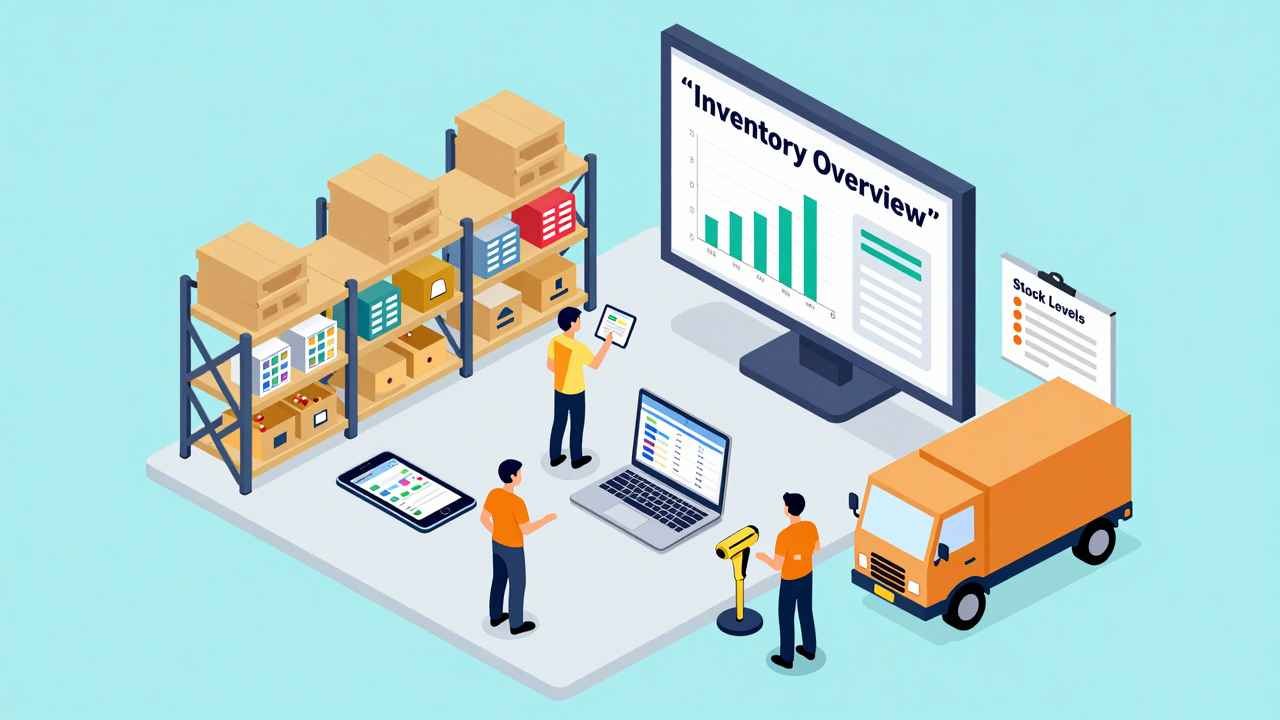
Using technology for inventory management can considerably boost your efficiency and accuracy. Start by implementing an Inventory Management System (IMS) to automate stock level monitoring and reorder processes. This reduces the risk of stockouts and excess inventory, keeping your operations smooth.
Next, consider utilizing advanced technologies like AI and IoT for real-time tracking and predictive analytics. These tools help you respond quickly to demand fluctuations, ensuring you always have the right amount of stock.
Additionally, apply techniques like Economic Order Quantity (EOQ) and Just-In-Time (JIT) to optimize your order quantities, which can lower holding costs.
Don’t overlook robotics and automation in warehousing; they can streamline your picking and packing processes, cutting labor costs.
Finally, integrating blockchain technology enhances transparency and traceability in your supply chain, helping you manage inventory effectively and reduce fraud.
Key Metrics for Measuring Inventory Performance
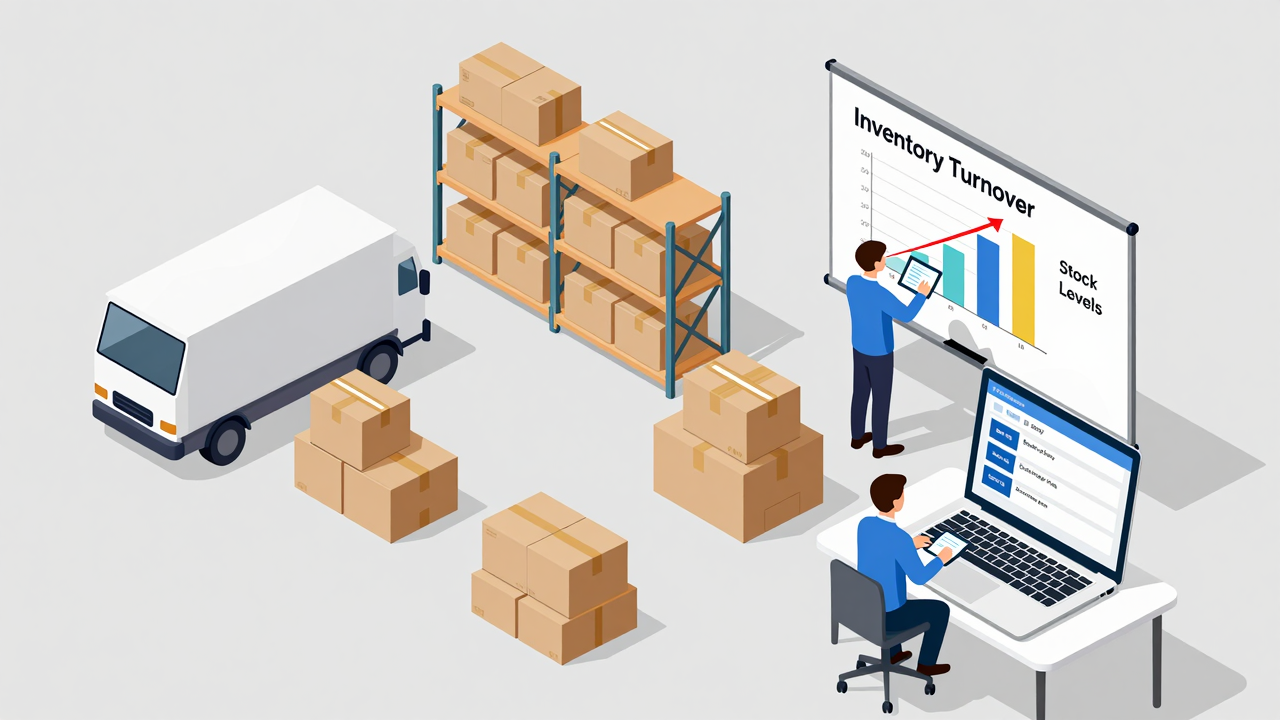
To effectively gauge your inventory performance, you need to focus on key metrics that provide insight into your operations. Here are four essential metrics to track:
- Inventory Turnover Ratio: This shows how often you sell and replace inventory. Aim for a higher ratio to indicate efficient management.
- Carrying Cost of Inventory: These costs, including storage and insurance, average around 20-30% of your total inventory value annually.
Reducing these costs can boost profitability.
- Stockout Rate: Measure how often you run out of stock. Keeping this rate below 5% helps maintain sales and customer satisfaction.
- Order Accuracy Rate: This reflects the percentage of orders fulfilled correctly. Aim for 99% accuracy to guarantee customer trust.
Common Challenges in Inventory Logistics and How to Overcome Them
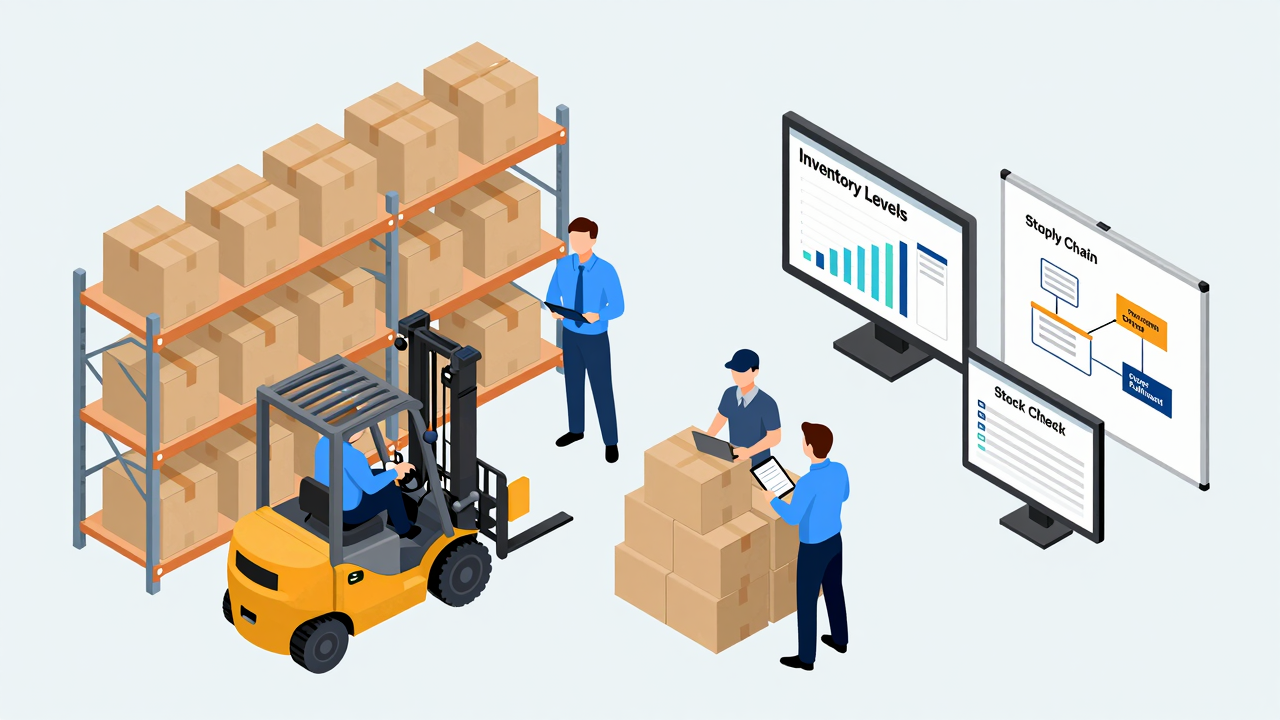
Inventory performance metrics help identify areas for improvement, but common challenges can still hinder your logistics success. Many retailers face inaccurate inventory data, which affects stock levels. To tackle this, conduct regular audits and implement real-time tracking systems.
Next, address complex supply chain dynamics, as lead times have increased considerably. Improve coordination among teams to enhance efficiency.
Cost management is another hurdle; high carrying costs can arise from poor inventory control. Adopt Just-In-Time (JIT) inventory strategies and refine your demand forecasting to maintain ideal stock levels.
Additionally, stay flexible to adapt to evolving consumer demands by using advanced forecasting tools.
Finally, if you struggle with technology integration, invest in extensive training for your staff and choose scalable solutions that fit your operations. By addressing these challenges head-on, you can improve your inventory logistics and boost overall efficiency.
Frequently Asked Questions
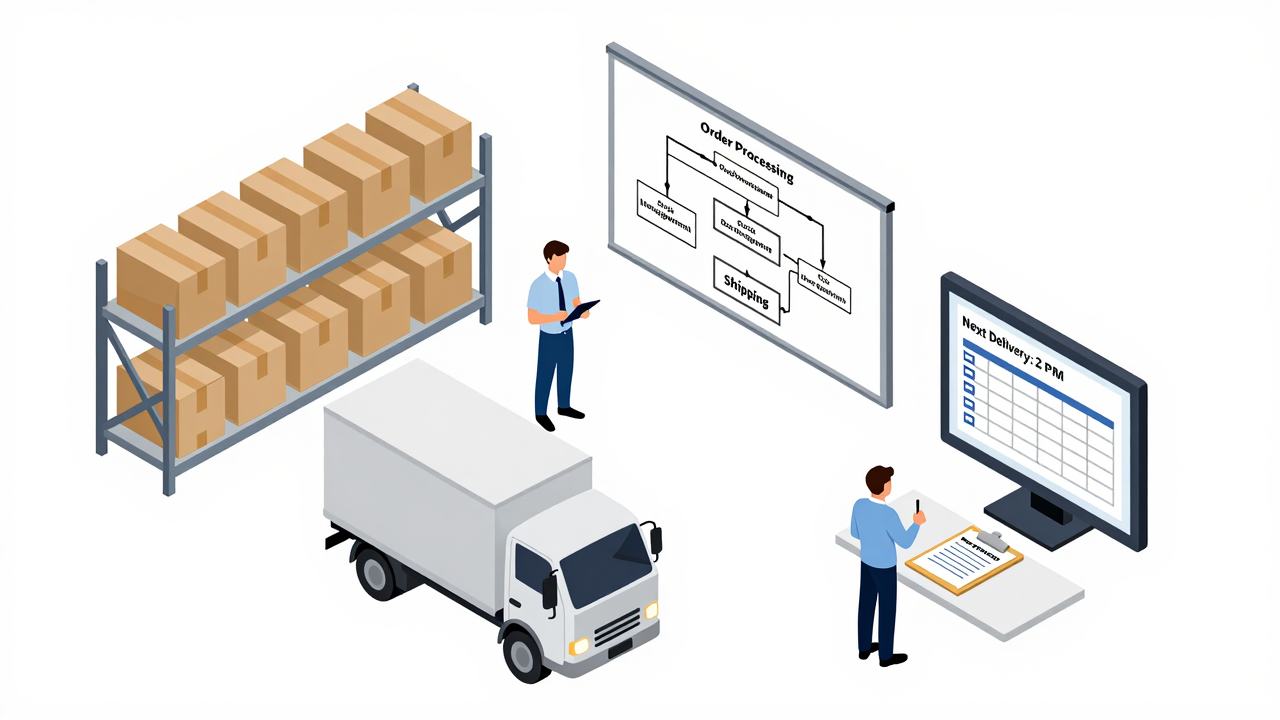
What Are the 4 Components of Inventory?
The four components of inventory are raw materials, work-in-progress (WIP), finished goods, and maintenance, repair, and operations (MRO) items.
To manage these effectively, first, keep track of raw materials to guarantee you have enough for production.
Next, monitor WIP to improve efficiency.
Then, maintain adequate finished goods to meet customer demand.
Finally, stay stocked on MRO items to support daily operations, preventing disruptions in your workflow.
What Are the 7 C’s of Logistics?
The 7 C’s of logistics are Customer, Cost, Communication, Control, Convenience, Coordination, and Compliance.
Focus on understanding your customer’s needs to enhance satisfaction.
Manage costs effectively by analyzing transportation and warehousing expenses.
Foster clear communication among all stakeholders to improve decision-making.
Monitor your processes for better control, guarantee convenience in delivery, coordinate efforts across teams, and comply with regulations to maintain smooth operations.
Each component plays an essential role in optimizing your logistics.
[embedded content]
What Are the Five Major Components of Logistics?
The five major components of logistics are transportation, inventory management, warehousing, order fulfillment, and supply chain management.
[embedded content]
You need to optimize transportation routes for efficiency, manage your inventory to avoid stockouts, and strategically position your warehousing for quick access.
Make certain your order fulfillment process is smooth to meet customer expectations.
Finally, integrate all logistics activities within your supply chain to enhance coordination and flow, keeping everything connected and efficient.
What Are the 7 Pillars of Logistics?
The seven pillars of logistics are transportation, inventory management, warehousing, order fulfillment, supply chain management, demand planning, and customer service.
To optimize your logistics, focus on selecting the best transport methods, tracking stock levels accurately, and organizing your warehouse efficiently.
Streamline order fulfillment to guarantee accuracy, plan your supply chain effectively, anticipate customer needs with demand planning, and maintain strong customer service to keep clients satisfied.
Each pillar supports your overall efficiency.
Conclusion
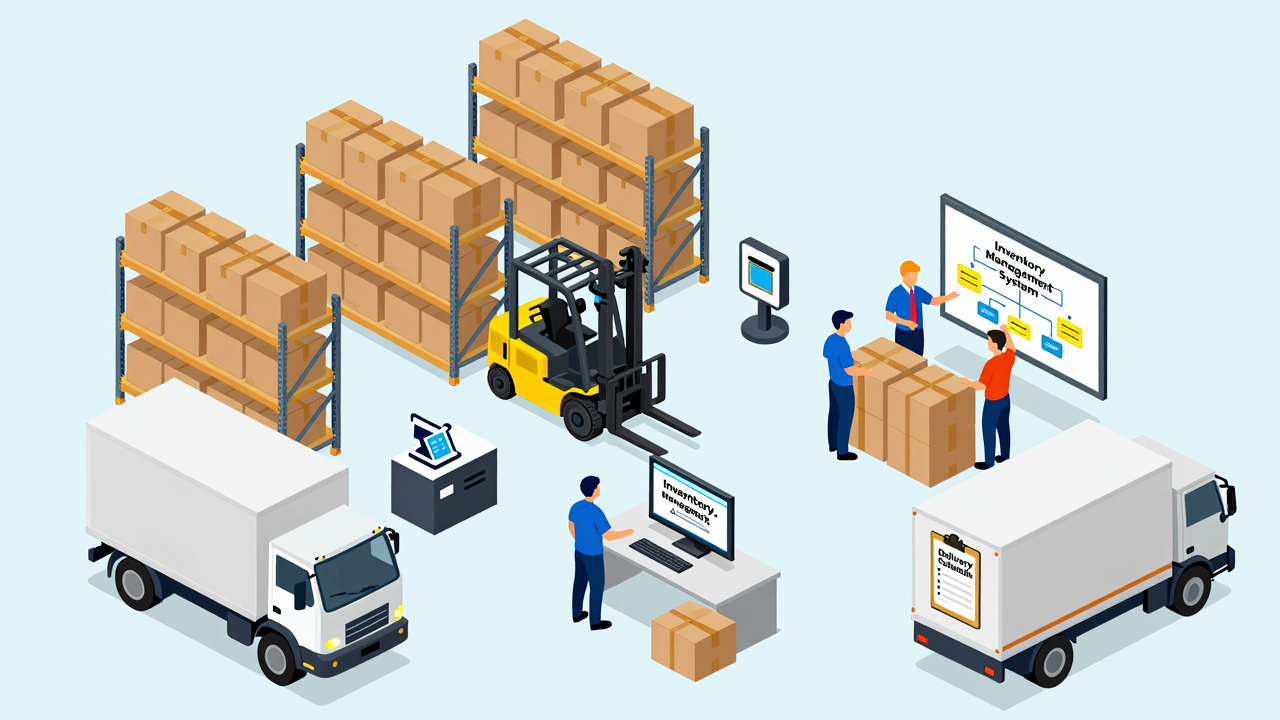
In conclusion, mastering inventory logistics is essential for your business’s success. Start by implementing strong sourcing and procurement strategies, then focus on accurate demand forecasting to avoid stock issues. Use technology to streamline processes and enhance visibility. Regularly monitor key performance metrics to gauge your effectiveness. Finally, tackle common challenges head-on by developing clear protocols. By taking these steps, you’ll improve efficiency, reduce costs, and ultimately boost customer satisfaction.
Image via Google Gemini and Small Business Trends