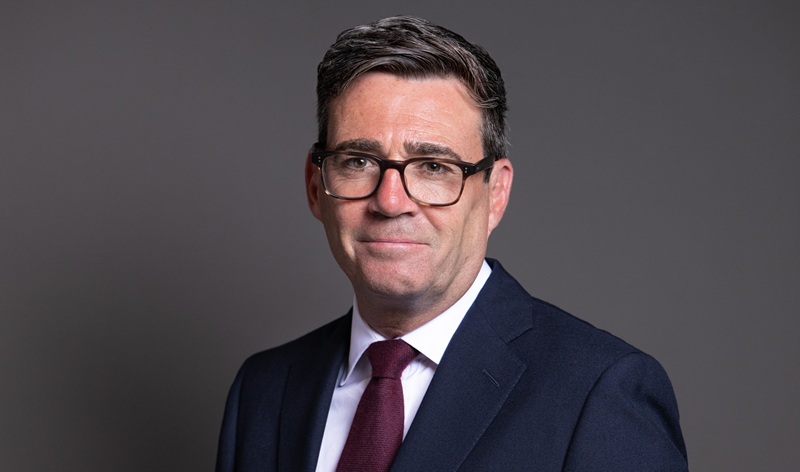

Prime minister Andy Burnham said the UK and EU will discuss new deals on food and drink products, emissions trading, a youth experience scheme and deeper cooperation on immigration at a summit on 20 November.
Speaking in Parliament, Burnham claimed the agreements could “reverse” the “damage” caused by Brexit and add the equivalent of an annual £10 billion to the UK economy by 2040.
“It is a chance to cut costs and bureaucracy for sectors like farming,” he said. “At present, entire truckloads of plants or fresh produce can be destroyed because of a single missing stamp or a minor paperwork delay.
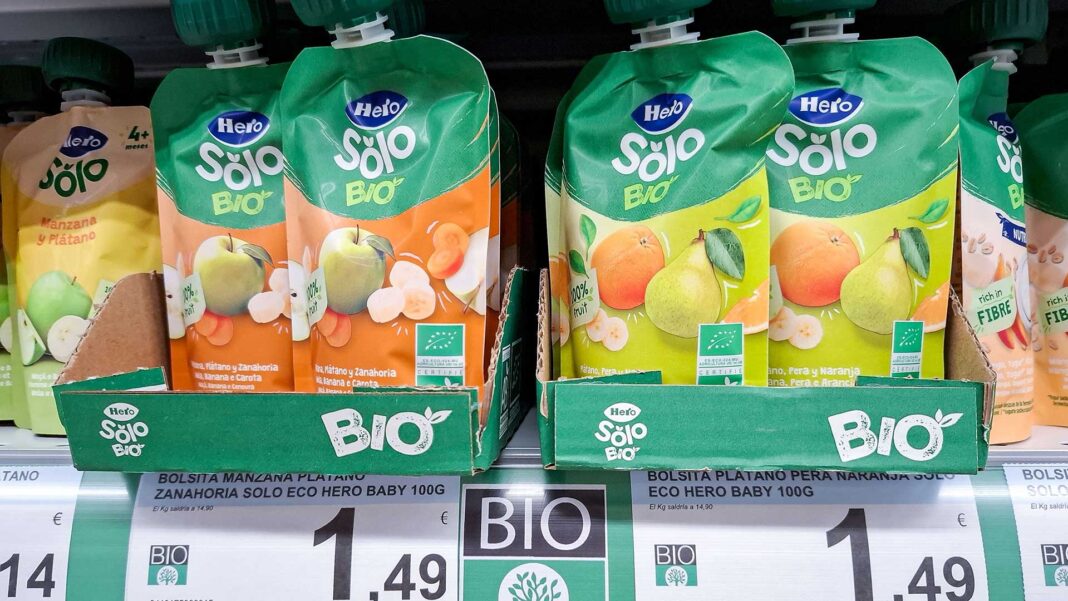
“Fresh meat and fish spoil while waiting in trucks and tonnes of exports have to be written off. Our largest food export, Scottish salmon, faces a 100% rate of document checks at the border, costing us around 100 million pounds in lost exports.
“British burgers and other fresh meat products cannot be sold in the EU. Seed potatoes from Scotland and shellfish from Wales are banned. This is having a real impact on businesses and the agreement on the table could reverse some of that damage.
“For farmers and food producers, it will lift the burden that can reach 1,400 pounds on a single shipment. For our small businesses, it means no more export health certificates, which can cost up to 200 pounds each time.
“For households, it will ease the pressure on prices in the supermarket. It could help lower energy costs for households and businesses alike. In Northern Ireland, the proposed energy deal could cut wholesale energy costs by 20%.”
The prime minister added that not renegotiating the UK’s relationship with the EU would be a “major dereliction of duty to turn away”, but he stressed that “at every stage, the British public will be the boss”.
“I am clear that public opinion currently supports a pragmatic approach like the one I am suggesting,” he said. “But if we go into this further phase, we will proceed with care and complete transparency.”
Questioned by MPs after his speech, Labour’s Melanie Onn asked asked him to confirm that there will not be a return to freedom of movement, and that the UK will not join the eurozone.
“We will honour the manifesto in full and the red lines are in place and they will remain in place,” he replied.