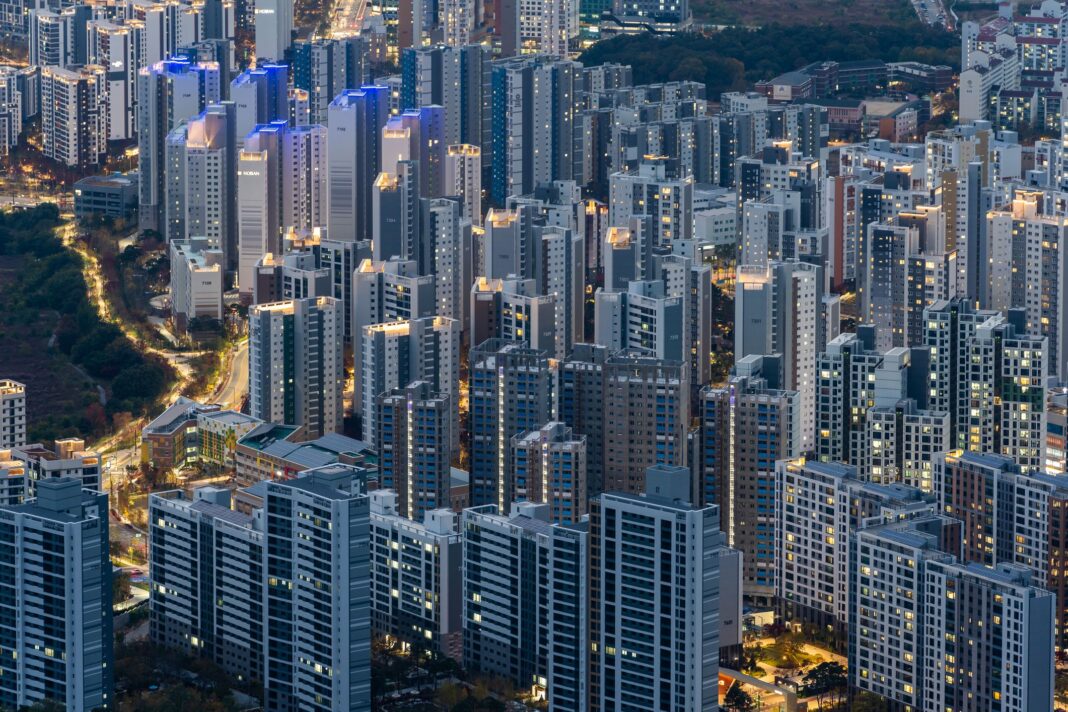
Seoul is booming, but much of the global property market has stalled. The South Korean capital recorded real house-price growth exceeding 10% over the past year, according to the 2026 edition of the UBS Global Real Estate Bubble index. The AI-chip boom has sent a wall of money flooding into Korea.
Lisbon and Madrid are also property hotspots. In Switzerland, ultra-low interest rates are keeping Zurich and Geneva eye-wateringly pricey. However, the wider picture is one of stagnation. Across the 23 global cities analysed by UBS, residential property prices increased by an average of just 0.5% in real terms over the past 12 months.
Canada has seen the biggest retreats, with Vancouver and Toronto recording 10% declines in real terms as the country cracks down on foreign buyers. Most US cities also saw real-term declines, except for AI hub San Francisco. Germany is glum, with Frankfurt and Munich seeing inflation-adjusted drops of nearly 4%.
Start your trial of MoneyWeek today
Get unparalleled financial insight, analysis and expert opinion you can profit from.
Start your trial
Sign up for MoneyWeek’s free twice-daily newsletter.
Join more than 165,000 subscribers and keep yourself informed with latest financial news, insights and expert analysis to help you understand what really matters when it comes to your finances.
Join more than 165,000 subscribers and keep yourself informed with latest financial news, insights and expert analysis to help you understand what really matters when it comes to your finances.
Just two cities are flagged by UBS as showing “high” bubble risk: Zurich, and Tokyo. Inflation-adjusted prices in the Japanese capital have surged by around 50% over the past seven years, the result of buyers’ increasing leverage and a nascent pick-up in wage growth.
London saw a 1% year-on-year decline; prices in the capital have dropped 15% since 2021 in real terms. Prospects for a recovery remain hampered by “stretched affordability”.
Beyond London, UK house prices are also stagnant. Lloyds reports that the average home cost £298,441 in September, almost the same as 12 months before. The average cost of a five-year fixed-rate mortgage has hit 6%.
The global property market is being overshadowed by stocks
Property doesn’t seem to be the “path to wealth” it once was, says The Economist. The average house in England is “now worth less in real terms than it was two decades ago”.
Global household wealth increased by $40 trillion in 2025, according to calculations by the McKinsey Global Institute; about 57% of those gains came from stock markets, with property accounting for just 15%. In the US, stocks overtook property as a share of household wealth in July, the first time that has happened since World War II.
Still, there are advantages to buying outside bubble conditions. “Average market exuberance is now well below the levels observed before interest rates began rising in 2021,” says UBS.
Underlying demand for urban housing is “robust”, as shown by the fact that “rents have broadly kept pace with income growth” over the last five years. In London, rents are still “close to record highs”, a symptom of a “persistent housing shortage”.
On a medium-term view, property “in most cities is likely to provide inflation protection”. Just don’t expect your house to make you rich.
This article was first published in MoneyWeek’s magazine. Enjoy exclusive early access to news, opinion and analysis from our team of financial experts with a MoneyWeek subscription.