


Not many US politicians have endured for as long as Hal Rogers, who will go into November’s midterm elections seeking his 24th term in the House of Representatives.
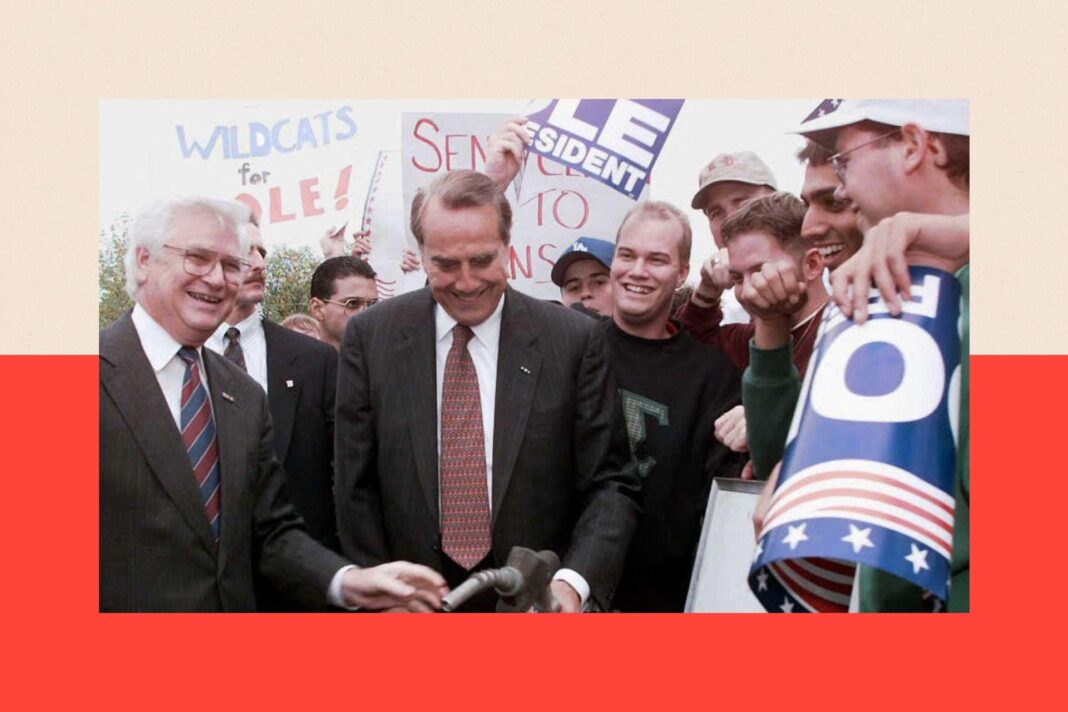
The 88-year-old Republican has represented Kentucky’s 5th congressional district since 1981, making him the longest serving member of the House of Representatives. He was elected on the same night Ronald Reagan won his first presidential term under the slogan “Let’s make America great again”, a phrase later revived by Donald Trump.
Among the challengers Rogers beat to win the nomination this year was one 60 years his junior. But Rogers, born in the 1930s, is far from the only senior US politician to have stuck at the job into their 80s.
Others to have done so include US President Donald Trump, 80; Trump’s predecessor Joe Biden, who left office at 82; and Nancy Pelosi, who stepped down as the Democratic leader in the House at the same age. Chuck Grassley, 93, is still a senator. He entered politics in 1958, before Alaska and Hawaii were even US states.
The age and health of some politicians has raised widespread concern within both Republican and Democratic circles, however, reigniting questions about whether age limits or health checks should be imposed.
The US is well known for its “gerontocracy”, a government ruled by people who are significantly older than most of the adult population.
At the other end of the age spectrum, the US has one of the lowest proportions of lawmakers under the age of 45 among comparable democracies, according to research from the Inter-Parliamentary Union.
So why are so few young people becoming politicians? And for those who do enter politics, can they make a success of it?
No country for young men?
Twenty-seven-year-old Republican Riley Owen is one of the few candidates from Gen Z – aged in their early teens to late 20s – from either party running for Congress on 3 November.
Owen is running in a newly created district in Utah that experts say may lean towards the Democrats. He has championed issues including paid maternity leave, restrictions on congressional stock trading and environmental action – all issues that may appeal to Democratic supporters.
When he was confirmed as his party’s candidate in the state’s 1st congressional district, he walked on stage to Billy Joel’s We Didn’t Start the Fire, and argued that his generation needed to help renew the American Dream.
The gerontocracy is “a bipartisan issue”, he says. “We’ve got people who have become career politicians, and they spend their lives in Congress.” He says this is indicative of a system that is not delivering for Americans.
Owen says the big challenge he faces is the fact that money really talks in US politics. Research suggests campaign donors tend to prefer incumbent candidates.
Indeed, the campaign of his rival Ben McAdams – a 51-year-old Democrat who has previously served in Congress – has so far raised much more cash than Owen’s. By mid-October, McAdams had raised over $2.6m (£1.9m), compared with $150,000 raised by Owen, according to records on the Federal Election Commission website.
Owen argues that his generation is uniquely well-placed to understand contemporary political issues, such as the challenges posed by tech. He also disputes any suggestion that a younger candidate necessarily lacks relevant experience – pointing to his own background as a military officer and a White House policy analyst. “I think in politics, just like in industry, we need what’s called disruptive innovation,” he says.
The age of America’s top politicians has long been a talking point. In 1984 Reagan – who was then America’s oldest president at age 73 – deflected scrutiny with a quip about the “youth and inexperience” of his opponent Walter Mondale, who was a sprightly 56.
In the US, individual states also have their own legislatures, with a Senate and a House, where many politicians make their start. Many current members of Congress spent years in state politics before running for a seat in Washington
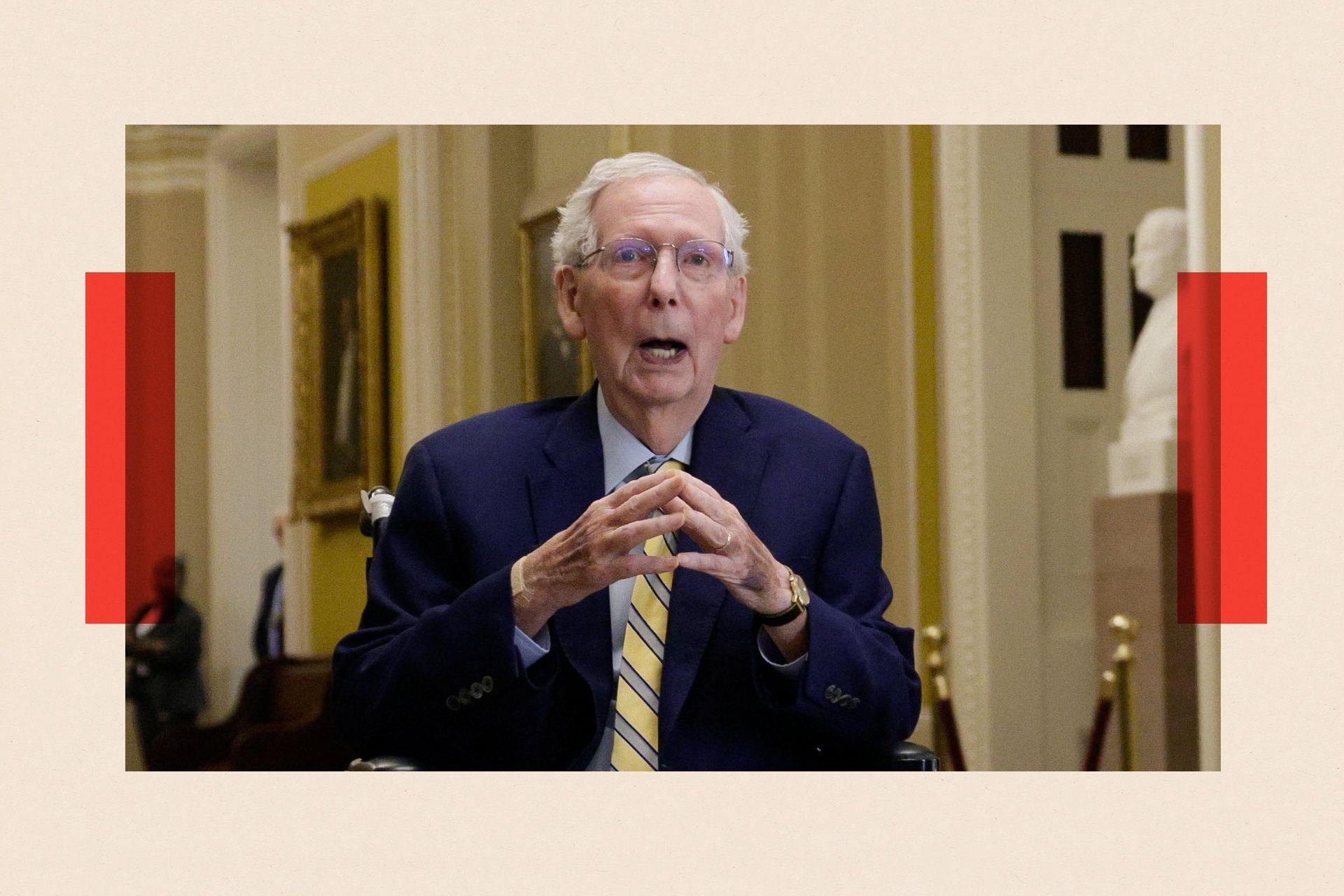 Image source, Reuters
But the median age of Congress members has ticked upwards over time. Congressional records show that the lowest median ages in the House and Senate were both recorded in the early 1980s – at 48 and 52 respectively.
The average ages of a House member and a senator at the start of the current Congress were 58 and 65 respectively, according to analysis by the Pew Research Center. The median age of a US citizen is 39.
There is now also a sharper focus on the health and acuity of some of the nation’s oldest politicians. Joe Biden’s age became a major issue while he was in office. To a lesser extent Trump has faced questions too.
So too has Republican Senator Mitch McConnell, 84, with increasing regularity, after a months-long absence from Congress to undergo medical treatment. Meanwhile, on the Democratic side, Maxine Waters, 88, faces a leadership challenge as the lead Democrat on the powerful House Financial Services Committee, with her age considered by some to be a factor counting against her.
Age versus issues
Some of the most vocal critics of this so-called gerontocracy have been candidates who identify as democratic socialists, meaning that their political views are further to the left than those of the Democratic Party mainstream. These candidates tend to campaign heavily on the cost of living and other issues that cut through to Millennials and Gen Z, and their supporters skew younger too.
The demographic profile of people who vote tends to skew older, like the elected officials themselves. Pew research highlights that the proportion of non-voters who are young (aged 18 to 29) has been increasing. In the 2020 US election, 25% of non-voters belonged to that age category, according to Pew. Four years later, it had risen to 30%.
Pew adds that voters under 30 were underrepresented in 2024. Voters in that age category made up 20% of the voting-eligible population, though accounted for only 15% of all the votes that were actually cast.
Campaigners argue that these demographic trends matter because they leave some issues underrepresented.
“Yes, that might result in older people being elected, but I think it really skews, too, what issues are important; what issues politicians are incentivised to talk about and to take care of,” says Grace Mausser, the co-chair of the New York City wing of the Democratic Socialists of America.
 Image source, Reuters
Mausser campaigned for Zohran Mamdani in his winning bid last year to become, at age 34, New York City’s youngest mayor since 1892. Mamdani was held up as an example of a rare youthful success story, but his ally Mausser is less concerned with a politician’s age than with their outlook.
Mausser says it is not necessarily a problem if someone has been in politics for a long time. Rather, the problem can be what may result from that: “You become so used to the language and the ideas of the political establishment that anything else – any new ideas, whether they come from young people or old people – seem crazy.”
She invokes left-wing Democratic senator Bernie Sanders, 85, as an example of an older politician with a long tenure on Capitol Hill who has embraced change and had ideas that have resonated across generations.
Disaffected youth
In the US, older people hold politicians in far higher esteem than younger people – even more so than in many other countries, according to a Pew survey from spring 2025. Some 62% of 18-34-year-olds were likely to say few or none of their elected officials are honest, compared with 45% of people aged over 50. Of the 25 countries surveyed by Pew, only Greece’s young adults had a more pessimistic view of the honesty of politicians.
For one expert who studies political engagement on both sides of the Atlantic, disaffection among young people helps to explain their unwillingness to participate in politics. The issue is not helped by the fact Congress has minimum age requirements for members, he says. Candidates must be 30 to serve as a senator, and 25 to be a representative.
“The one leads to another,” remarks James Sloam from Royal Holloway, University of London. “If you don’t have enough young people engaged in politics generally, then they won’t become representatives.”
What is more, Sloam says, young people in the US and the UK alike are alert to the fact that power does not just lie in politics. They are aware there are many other areas of work in which they can wield influence – including over elected officials.
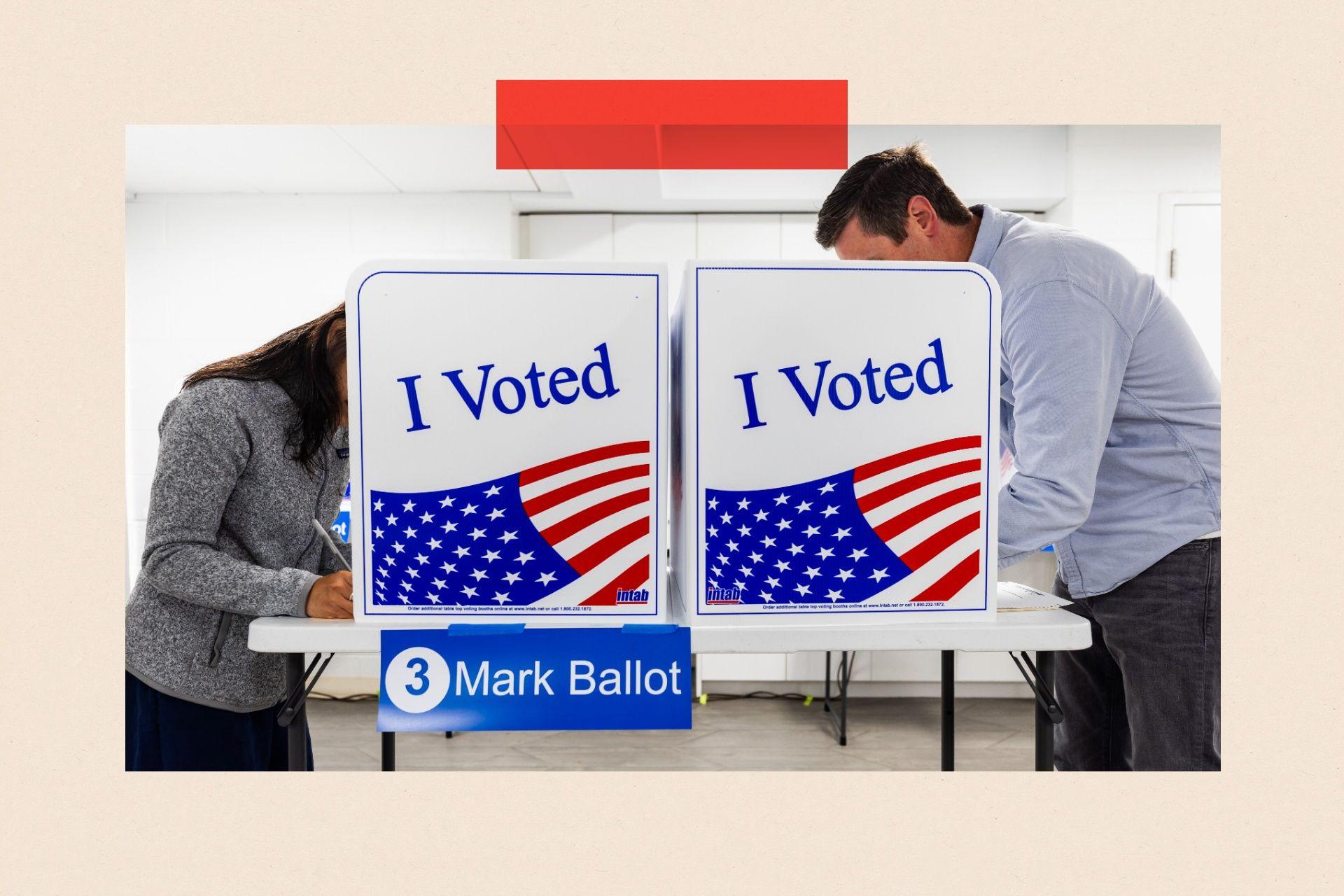 Image source, EPA-EFE/REX/Shutterstock
For those young people who do end up in high-profile political positions, the next question is whether they can make a success of it, especially when it comes to parenthood. Over the summer, the stories of two high-profile young women working in Washington raised fresh questions around compatibility of the job with motherhood.
Alexandria Ocasio-Cortez, 37, a Democratic congresswoman who took office aged 29, announced that she had started the process of freezing her eggs.
Later the same week in August, Karoline Leavitt, 29, who was appointed the youngest ever White House press secretary almost two years earlier, said she would leave the Trump administration to spend more time with her family, including her newborn baby. She explained: “I cannot be the best mom my two young children deserve while devoting the constant time, energy and attention required of [being] the White House press secretary.”
Only a handful of women have given birth while elected to Congress, while a few dozen lawmakers are mothers to children under the age of 18. The federal government, like many US employers, does not offer paid parental leave.
JD Vance, 42, one of the youngest vice-presidents in US history, recently acknowledged that having young children might impact on his own decision to run for the White House in 2028, saying: “We’ve got four little kids.”
Two-horse races
America’s two-party system is cited as another barrier to young people getting involved with politics.
Sloam, the London academic, says this is because only a relatively narrow range of views are represented. He highlights research that indicates young people are more energised by social movements or issue-based campaigns than by party politics.
And within party politics, he notes the example of Mamdani and others on the political left who appear to be galvanising youth support outside the Democratic Party mainstream. But he cautions that “it’s a little bit sporadic at the moment”.
The Republican Party has been through its own splintering over the last decade with the advent of Trump’s MAGA movement, which appealed to a swathe of young men in the 2024 presidential election.
Some European democracies show a more pluralistic political environment can increase youth engagement, Sloam says. Scandinavian countries, for example, which are more likely to be multi-party, provide a clear counter example because the parties of government in those countries “work with those social movements to try and bring them into the political systems”. Citing countries such as Norway, Sloam suggests there is a cycle whereby stronger youth turnout and youth trust in the political system leads to more involvement in politics.
Looking ahead
It is true that some lawmakers should know when to call it a day, some experts argue, but equally, voters should not lose sight of the qualities of age. Nor should they confuse age with competency.
“Age alone is a very poor predictor of anything,” says Tracey Gendron, a professor of gerontology at Virginia Commonwealth University whose research challenges the presumption that ageing is always linked to decline.
“You can have a 45-year-old who is experiencing depression or substance abuse who may not have the cognition necessary for the job,” she says. And equally: “You can have an 85-year-old with incredible integrity and political judgement and wisdom who is fully capable of doing the job.”
Gendron accepts the point that US politicians are not representative of the nation’s age profile, but says this just shows that there are many ways in which Congress could afford to diversify.
“It’s funny when we call it a gerontocracy and we focus just on age alone,” she says. “When you look at most other aspects of representation – gender, sexuality, religion, race – we’re not representative there either.”
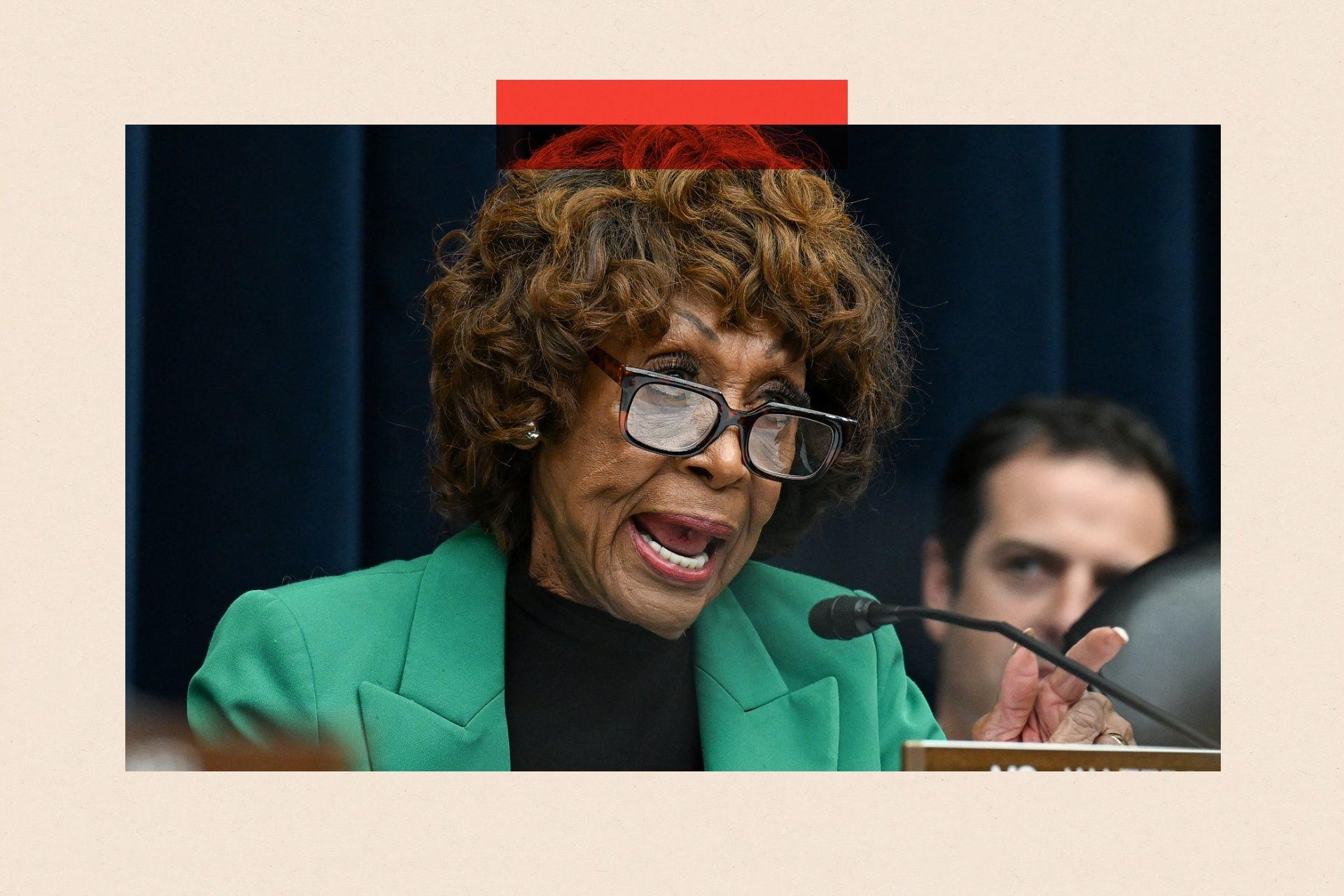 Image source, Reuters
Owen, the Republican, fancies his chances in Utah, despite his opponent’s much larger war chest.
Discussing what energises him as a Gen Z candidate, he identifies issues including the role of tech in public life, immigration and cost-of-living concerns. “I’m on the front end of starting my own family and looking at the costs and [asking] how am I going to make it work?” he says.
Asked if he sees any similarities between his campaign and the campaigns of young political candidates on the opposite side of the political spectrum, he says: “I’d break down the ‘us versus them’ framework, and maybe discard that a little bit… [there is] a bipartisan message that a lot of Americans on both sides of the aisle are feeling: that Washington isn’t working for them.”
He takes a similar view to Mausser, the democratic socialist in New York, that voters should not necessarily pick a candidate because they are young: what matters is their ideas.
“For me, it’s much more about what you support, what you’re who you’re fighting for, than what year you were born,” she says.
Lead image: Getty
More from InDepth
-
The Republican candidates walking a Trump tightrope
-
Published7 October
-
-
China has cracked down on AI relationships. Is it ahead of the game?
-
Published1 October
-
-
Spain and China are cosying up – to the anger of many in the EU
-
Published2 October
-

BBC InDepth is the home on the website and app for the best analysis, with fresh perspectives that challenge assumptions and deep reporting on the biggest issues of the day. Emma Barnett and John Simpson bring their pick of the most thought-provoking deep reads and analysis, every Saturday. Sign up for the newsletter here
Get in touch
Are you personally affected by the issues raised in this story?