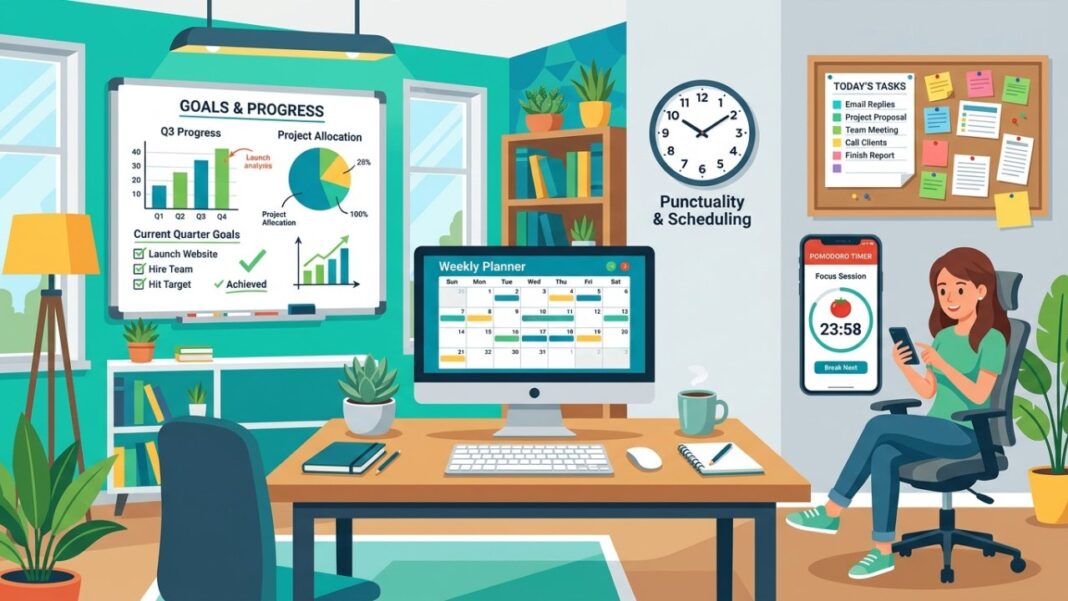

To boost your productivity at work, it’s essential to master effective time management techniques. Start by prioritizing tasks with the Eisenhower Matrix, distinguishing what’s urgent and important. Then, try the Pomodoro Technique—focus for 25 minutes, then take a short break. Consider implementing time blocking to assign specific periods for tasks, and keep a time log to spot distractions. Finally, explore tools like Asana or Trello for organized planning. These steps can transform your workflow, but there’s more to uncover.
Key Takeaways
- Use the Eisenhower Matrix to prioritize tasks based on urgency and importance for effective time management.
- Implement the Pomodoro Technique by working in 25-minute intervals followed by short breaks to boost focus and productivity.
- Focus on “A” tasks first with the ABC Prioritization Method to maximize your impact and achieve daily goals.
- Choose appropriate planning tools, like digital apps for collaboration or physical planners for personal organization, to streamline task management.
- Minimize digital distractions by setting specific times for emails, blocking distracting websites, and creating a clutter-free workspace.
Fundamentals of Time Management: Key Principles to Know
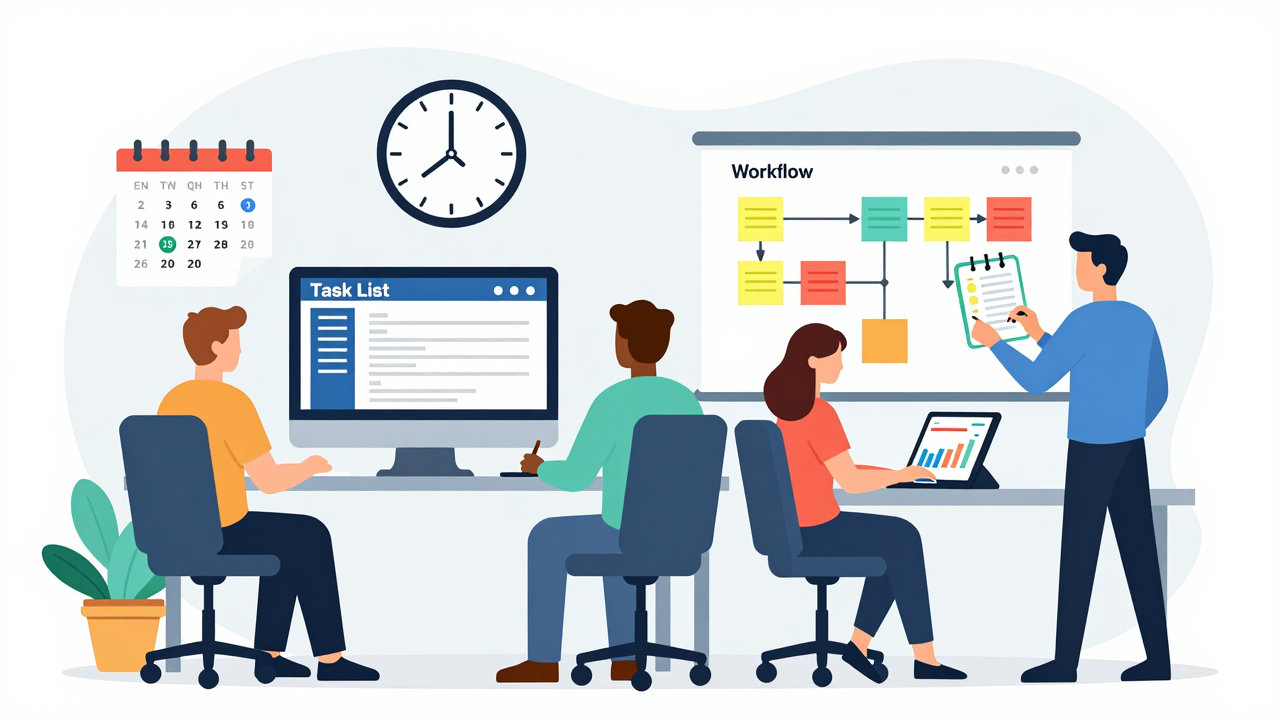
When you want to boost your productivity, understanding the fundamentals of time management is essential. Start by mastering key time management techniques at work, like the Eisenhower Matrix. This method helps you categorize tasks into urgent and important, so you can focus on what truly matters.
Another effective approach is the time blocking method. Allocate specific time slots for different tasks, ensuring you dedicate uninterrupted periods to high-priority work. By doing this, you’ll minimize distractions and enhance your focus.
Additionally, consider maintaining a time log. This practice identifies patterns in your productivity, revealing time-wasting activities that you can eliminate.
The Pomodoro Technique: Boosting Focus With Timed Intervals
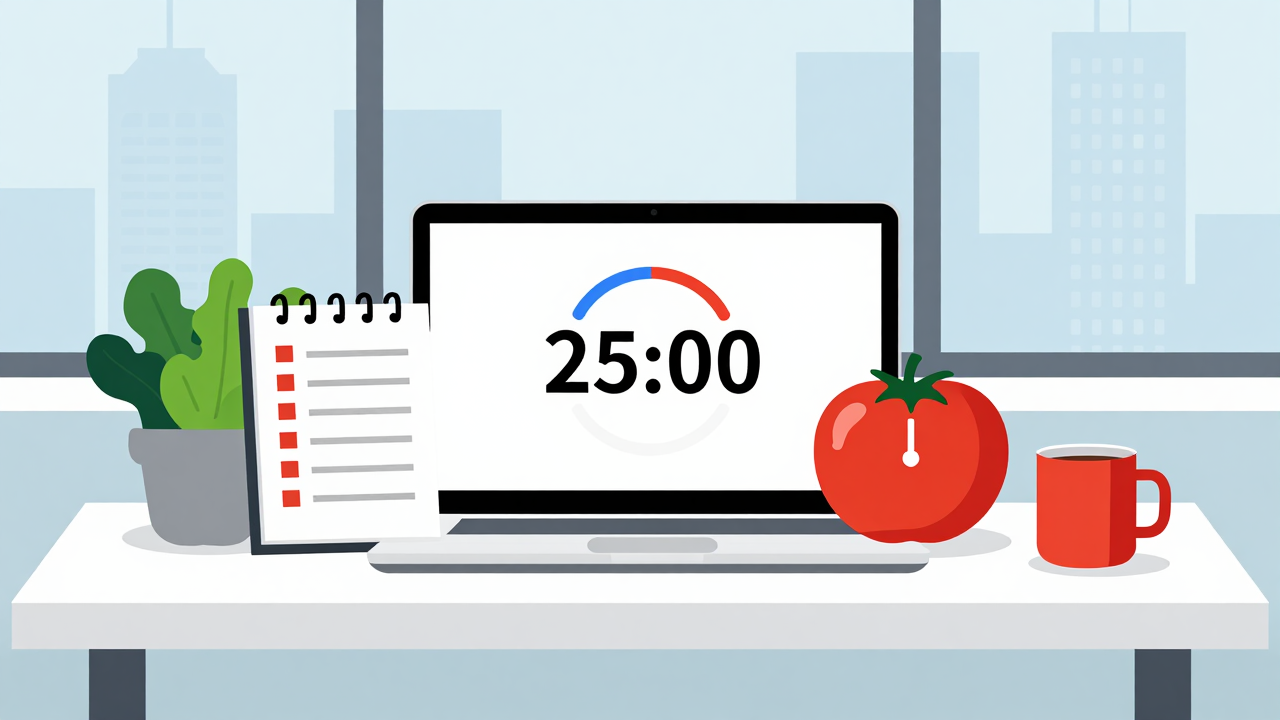
The Pomodoro Technique can greatly enhance your focus and productivity by breaking your work into manageable intervals. Start by setting a timer for 25 minutes, known as a “Pomodoro.” During this time, concentrate solely on a specific task. Once the timer goes off, take a 5-minute break to recharge.
This method not only helps you stay focused but also reduces distractions, allowing you to complete tasks more efficiently. After four Pomodoros, take a longer break of 15 to 30 minutes to maintain your mental clarity throughout the day.
As you learn how to plan your day effectively, try incorporating time blocking for work, aligning tasks with your Pomodoros. Set clear goals for each session, which boosts motivation and gives you a sense of accomplishment.
Identify Key Prioritization Strategies for Effective Time Management
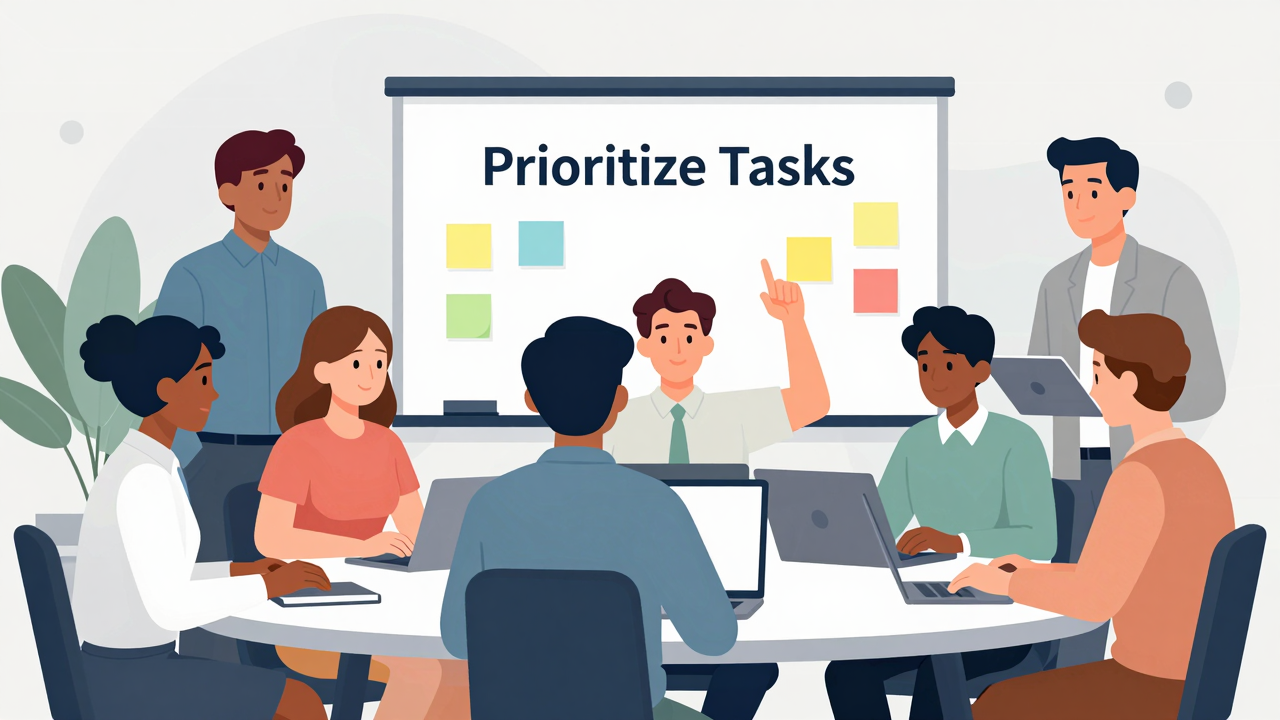
Effective time management hinges on prioritizing tasks that truly matter. Start by using the Eisenhower Matrix, which helps you categorize tasks into four quadrants based on urgency and importance. This way, you can focus on what aligns with your long-term goals.
Next, apply the ABC Prioritization Method: label tasks as “A,” “B,” or “C” to determine their priority. Concentrate on “A” tasks first for maximum impact.
Consider the Pareto Principle, which suggests that 80% of your results come from just 20% of your efforts. Identify those vital tasks and tackle them head-on.
Each day, create a must-do list of your top three tasks to maintain focus. Finally, regularly connect daily actions to your long-term goals, ensuring your time contributes meaningfully to your overall objectives.
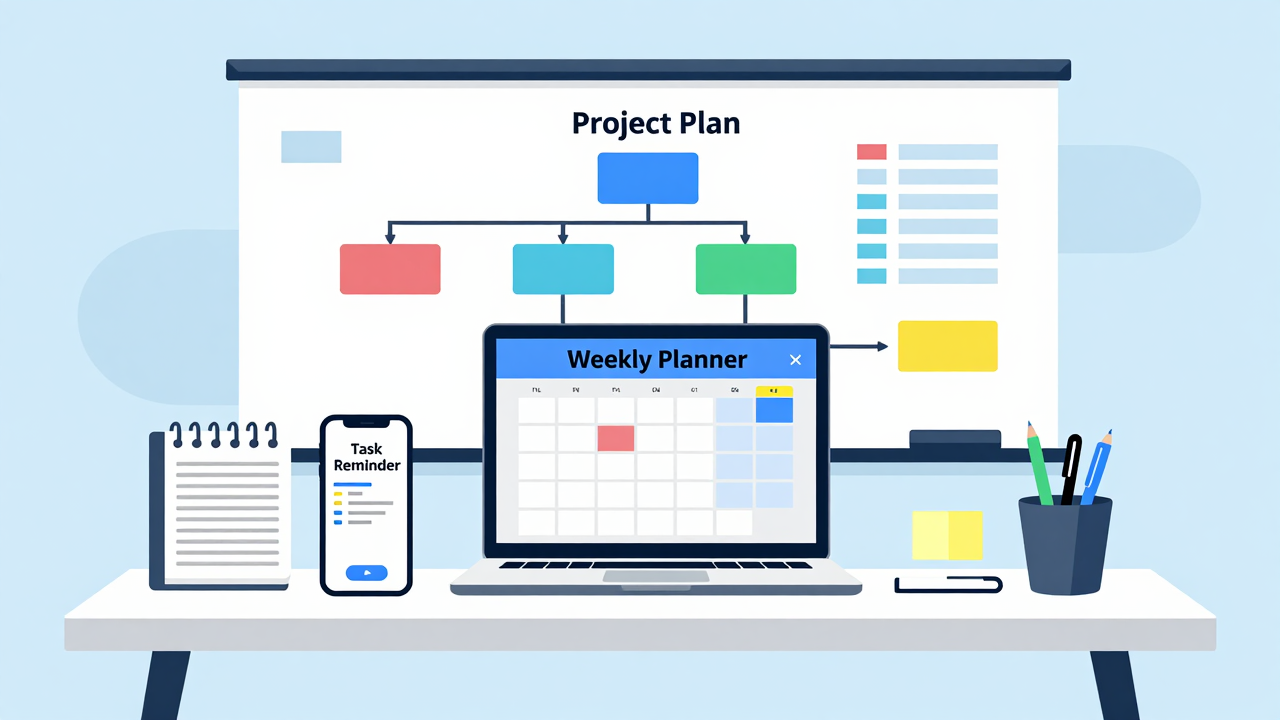
Prioritizing tasks is just the beginning; finding the right planning tool can greatly boost your productivity. Start by evaluating your needs: do you work solo or as part of a team?
If collaboration is key, digital tools like Asana or Trello can enhance communication and project tracking. They help you organize tasks, set deadlines, and categorize responsibilities efficiently.
On the other hand, if you prefer a hands-on approach, a physical planner might be your best bet. Writing tasks down can increase focus and retention.
Look for features like deadline reminders and app integrations to streamline your workflow.
Once you’ve chosen a tool, don’t forget to regularly review it. As your needs evolve, adjusting your planning method can keep you aligned with your goals.
Take these steps to guarantee your planning tool truly supports your productivity.
Tame Digital Distractions: How to Stay Focused
As you navigate your workday, digital distractions can easily derail your focus, making it essential to establish strategies that keep you on track.
Start by setting specific times to check emails and messages; this way, you can focus on important tasks without constant interruptions. Use technology wisely by employing apps that block distracting websites during work hours, limiting your access to social media.
Create a dedicated workspace that’s clutter-free and solely for work, which signals your brain to concentrate.
Also, limit notifications by turning off non-essential alerts on your devices; studies show that frequent notifications can reduce your productivity by up to 40%.
Finally, practice mindfulness techniques, like short meditation breaks, to enhance your concentration and curb the urge to check your devices.
Frequently Asked Questions
How Can I Overcome Procrastination Effectively?
To overcome procrastination effectively, start by breaking tasks into smaller, manageable parts.
Set specific deadlines for each part, and use a timer to work in focused intervals, like 25 minutes, followed by a 5-minute break.
Prioritize your tasks by urgency and importance, and eliminate distractions in your workspace.
[embedded content]
Finally, reward yourself for completing tasks, even small ones. This creates positive reinforcement and keeps you motivated to stay on track.
[embedded content]
What Role Does Mindfulness Play in Time Management?
Mindfulness plays an essential role in time management by helping you focus on the present task.
To practice mindfulness, set aside a few minutes daily for deep breathing or meditation. When working, eliminate distractions and concentrate fully on one task at a time. This reduces stress and improves your efficiency.
After completing tasks, take short breaks to reflect on your progress, which can enhance your awareness and keep you on track for future activities.
How Do I Handle Unexpected Interruptions?
When unexpected interruptions occur, stay calm and assess the situation.
First, decide if the interruption is urgent; if it is, address it briefly before returning to your task. If it’s not urgent, politely ask the person to wait or schedule a later time to discuss it.
[embedded content]
Set clear boundaries for when you’re available, and use tools like “Do Not Disturb” signs or status indicators to minimize interruptions during focused work periods.
Can Time Management Techniques Be Applied at Home?
Yes, you can definitely apply time management techniques at home. Start by setting clear goals for your day, like completing household chores or family activities.
Use a planner or digital calendar to schedule specific times for these tasks. Break larger projects into smaller steps, tackling one at a time.
Limit distractions by creating a dedicated workspace, and set timers to stay focused. Regularly review your progress to adjust your plans as needed.
How Do I Measure My Productivity Progress?
To measure your productivity progress, start by setting clear, specific goals.
Track your daily tasks and note how long each takes. Use a simple spreadsheet or app to log this data.
Review your completed tasks weekly, comparing them to your goals. Identify patterns, like peak productivity times or tasks that slow you down.
Adjust your approach based on these insights, and keep refining your process for better results over time.
Conclusion
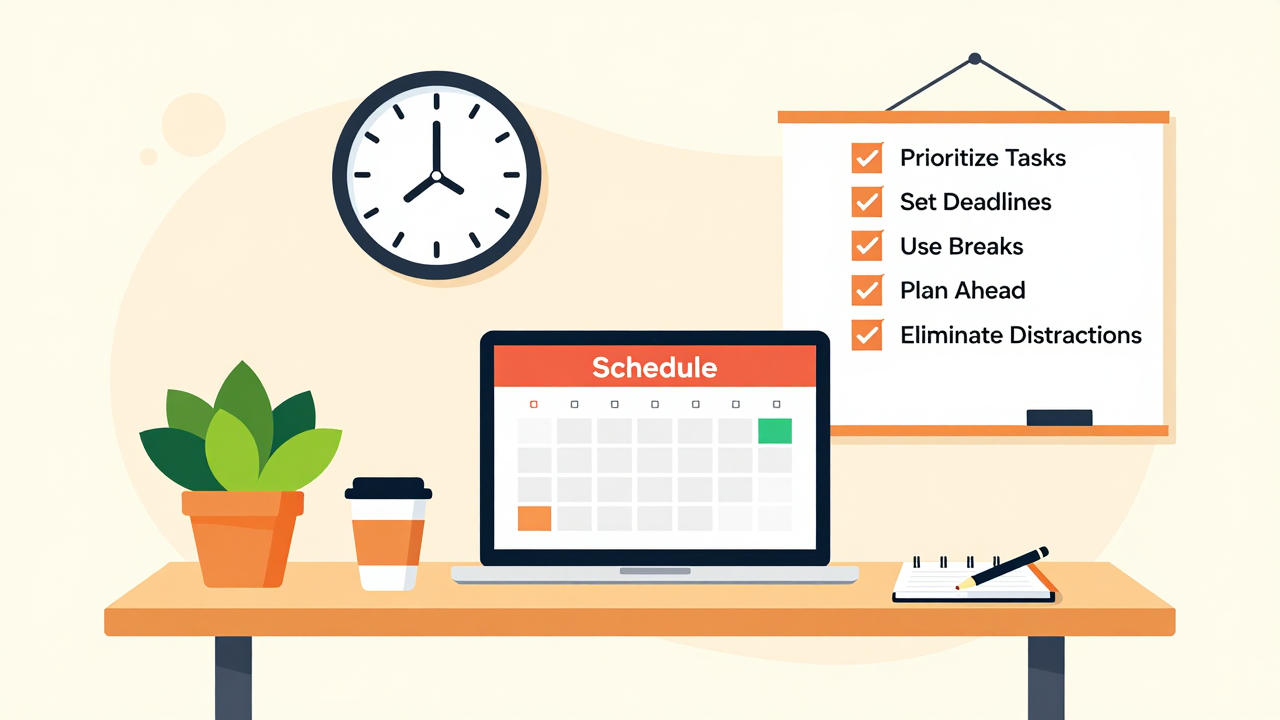
To maximize your productivity, start by applying these time management techniques today. Use the Eisenhower Matrix to prioritize tasks, break work into Pomodoro intervals for focus, and allocate specific time blocks for dedicated tasks. Keep a time log to spot inefficiencies, and choose planning tools like Asana or Trello to streamline your workflow. By implementing these strategies, you’ll not only enhance your efficiency but also create a more organized and productive work environment. Get started now!
Image via Google Gemini and Small Business Trends