
The government has accepted the majority of the recommendations from a taskforce of business groups and entrepreneurs set up to look into how to cut the burden of regulation.
According to the Treasury, businesses will save a total of around £800 million from actions to reduce “outdated” paperwork, cut “unnecessary form filling”, and extend suspensions on import tariffs.
Most of the changes were recommended by the Small Business Taskforce, which was established earlier this year to identify and reduce business bureaucracy.
The measures include implementing the government’s “tell us once” ambition to ensure businesses only have to provide information to official bodies once, pausing plans for full profit and loss accounts to be filed by the smallest businesses, making it easier for businesses to find guidance on gov.uk, and giving small firms a way to report disproportionate regulations.
The government said it will also streamline company reporting requirements, make it simpler for small companies to bid for public contracts by standardising requirements in sectors like construction, adjust official business surveys to reduce the number of data requests, and extend import tariff suspensions on around 250 products which were due to end in December 2028.
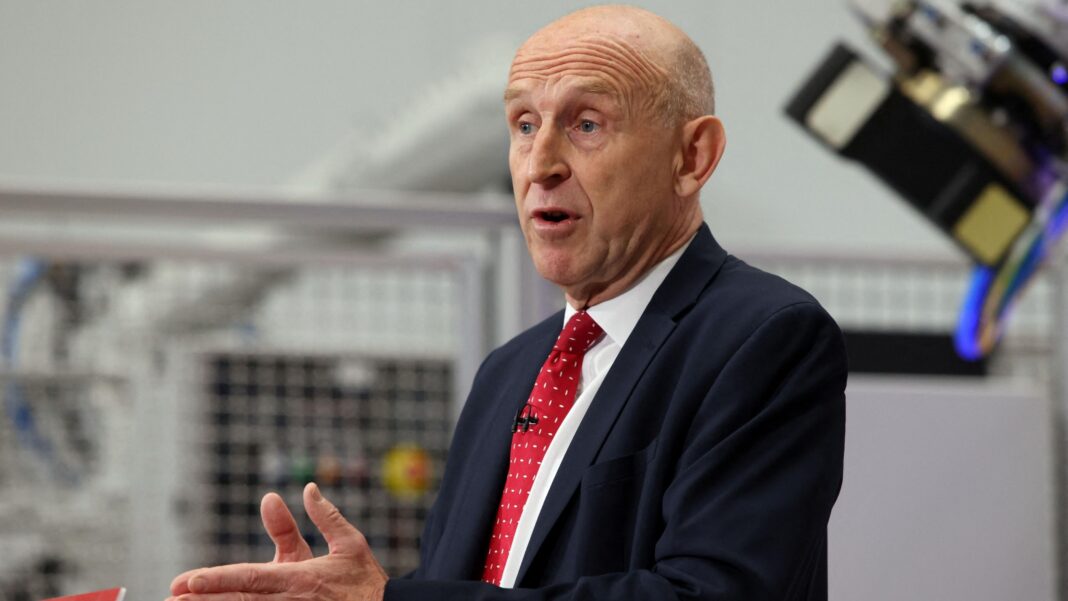
Prime minister Andy Burnham said:
“If you run a business, you want to spend your time serving your customers, creating jobs and growing your firm, not filling in unnecessary forms.
“It’s not right that pointless bureaucracy gets in the way of people working hard to build something that matters to their high street.
“So we’re getting government off their backs and giving businesses the breathing space to grow. Because when businesses succeed, they create good jobs, strengthen their communities and bring growth to every part of the country.”
The announcements come ahead of next Wednesday’s Budget when the chancellor will face tough choices on making decisions which could add extra burdens for businesses. He has said there will be measures in the speech to cut business costs and support “bloody-minded entrepreneurs”.
The government has said it plans to cut the administrative burden of regulation on businesses by 25% by the end of Parliament.
Reaction to the red tape announcements from Small Business Taskforce members
Rain Newton-Smith, CBI chief executive, said:
“Good regulation protects consumers and the environment, but unnecessary red tape holds back investment and growth. The government’s acceptance of the Small Business Taskforce’s recommendations, alongside progress on corporate reporting reform, is a welcome step towards giving smaller firms more time and headroom to focus on their businesses.
“The test now is delivery. Cutting unnecessary admin can free firms to invest, compete and grow – and business will want to see that ambition translated quickly into meaningful reductions in the burden they face.”
Tina McKenzie, national chair at Federation of Small Businesses, said:
“The Regulatory Taskforce has been a good example of business and Government working in partnership to address a common problem. Currently, the weight of compliance can be a struggle, costing time, money, and stress that small businesses can ill afford. Today’s report is an important first step in addressing that.
The Taskforce’s report sets out clear, practical, and tailored recommendations to help lessen the burden of red tape on small businesses, enabling them to devote more resources to growth and job creation. Pausing the plans for full profit and loss accounts to be filed at Companies House by the smallest businesses is a huge step in the right direction, averting a huge new weight of red tape on the very businesses with the fewest resources to deal with it.”
Kate Shoesmith, director of policy at the British Chambers of Commerce, said:
“Businesses have spent too long battling a rising tide of paperwork and costs when they should be focused on customers, investment and growth.
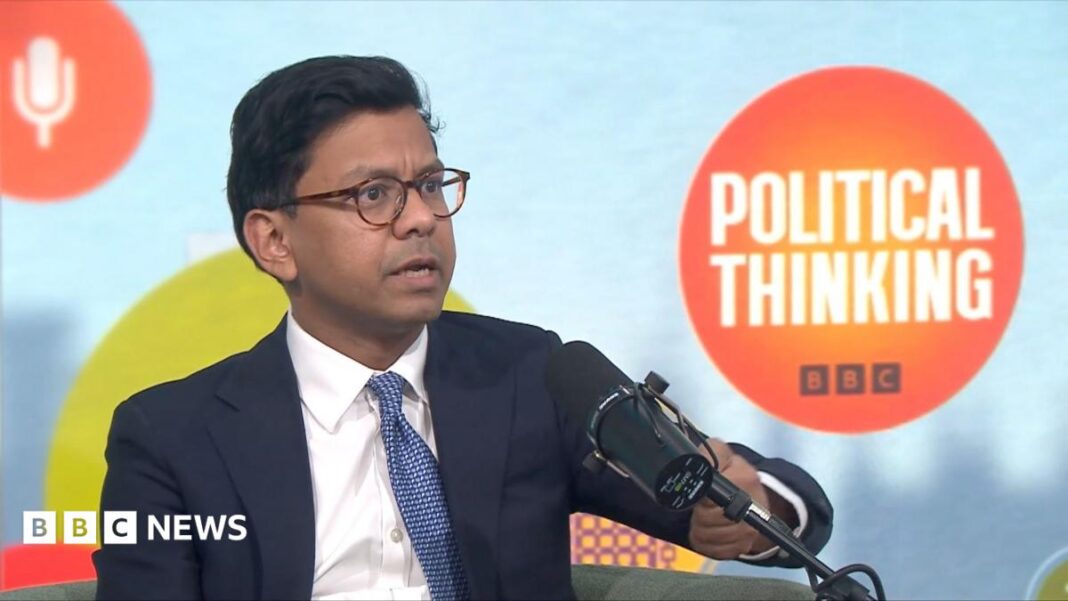
“The BCC’s Policy Cost Stack lays bare what firms are up against. A representative SME with 50 employees is now facing around £827,000 more in annual domestic policy-driven costs than in 2016, an increase of over 70%.
“As a member of the Small Business Taskforce, I know how strongly smaller firms feel about unnecessary bureaucracy. So clearer guidance, simpler reporting and fewer duplicate requests are sensible changes with genuine benefits.
“We have also backed tariff suspensions on goods used by UK businesses, which will help ease import costs and support firms competing in difficult trading conditions.
“But all eyes will now turn to next week’s budget. Government cannot cut red tape with one hand and add new business costs with the other. The message from firms is simple: back business by cutting costs and they will deliver growth.”