
Detective raped by colleague says Met handling of case ‘like being raped again’
To play this video you need to enable JavaScript in your browser.
This video can not be played
-
Published
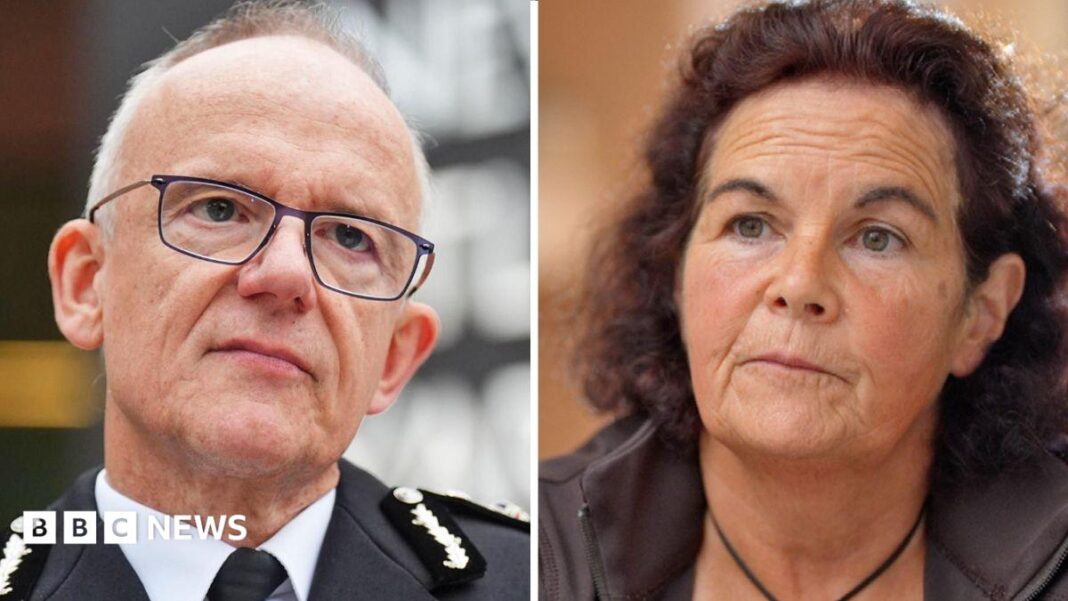
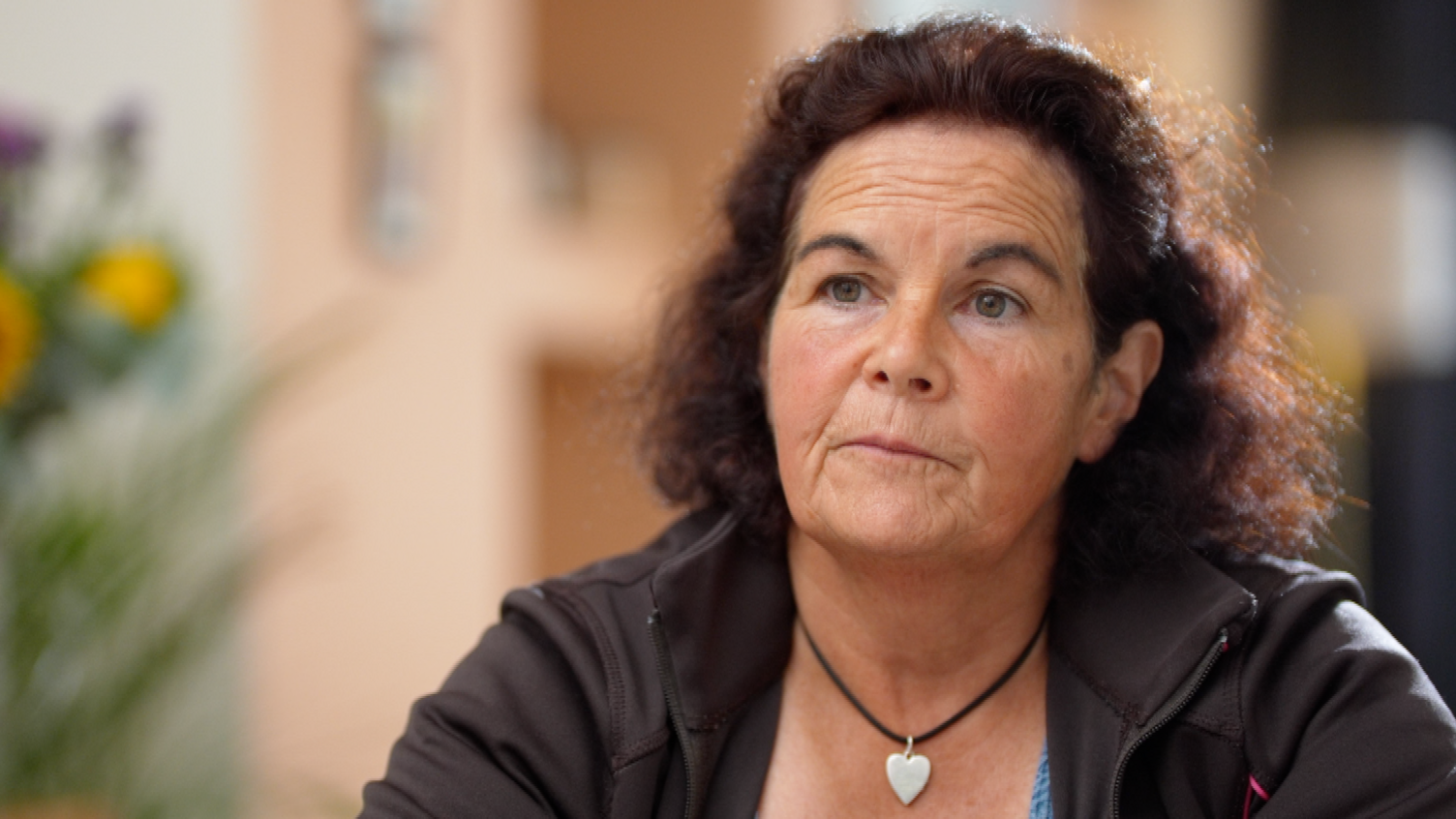
A Metropolitan Police detective, who was raped by a fellow officer, has told the BBC that Scotland Yard’s handling of her case was “like being raped all over again”.
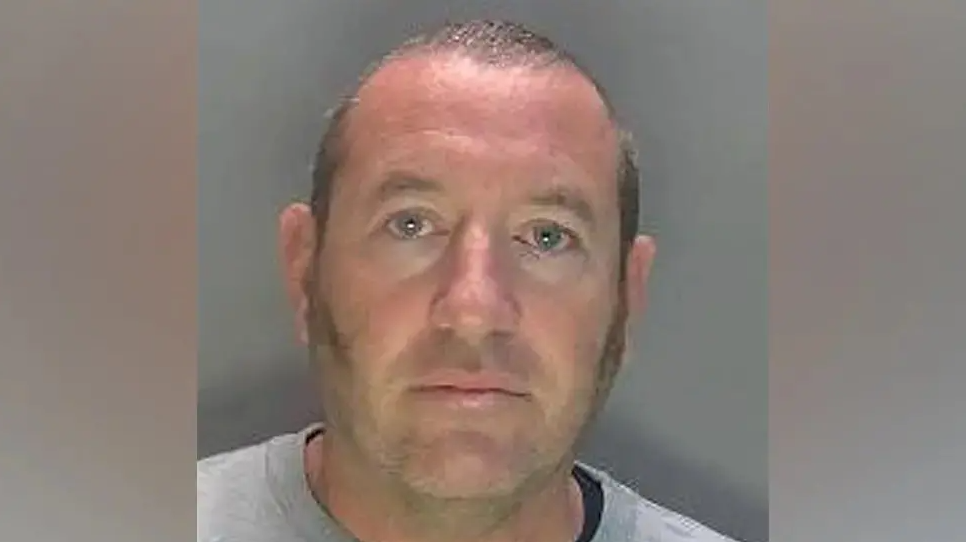
Det Con Linda Williams was attacked in 2004 by PC David Carrick – a serial abuser jailed for life in 2023 for sexual offences against her and 11 other women.
Linda has post-traumatic stress disorder (PTSD) because of the attack and sought damages from the Met for failing to protect her from Carrick. The lengthy civil case left her feeling suicidal, she says.
The “worst thing”, she says, was when lawyers acting for the Met commissioner challenged the severity of her PTSD on the basis that she had been raped only once.
The Met has told the BBC it “tried to reduce further distress and re-traumatisation to DC Williams’ welfare and has aimed to deal with her claims as quickly and compassionately as possible”.
“We recognise the unique and additional impact on DC Linda Williams, whose exposure to Carrick came as a result of her being a Met officer,” the force added. “Her continued commitment to public service, in spite of the trauma she experienced, is commendable.”
Linda, who has waived her legal right to anonymity to speak to the BBC, has settled her civil case and the Met has now paid her compensation without acceptance of liability.
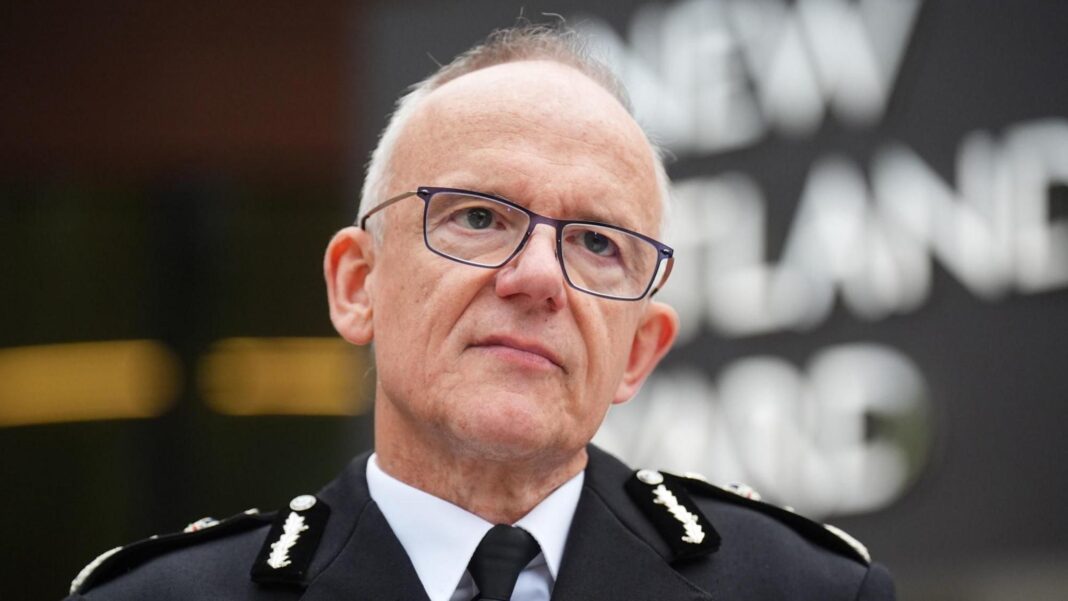
In an unprecedented move for a serving officer, she is now calling publicly for Commissioner Sir Mark Rowley to resign. She believes he has failed to change police culture as promised and she still does not trust her own force to handle cases like hers.
When he took on the most important job in UK policing in 2022, Sir Mark pledged to change the Met. At the time, the force was viewed as being in crisis – following Sarah Everard’s murder by a serving officer and other scandals including officers sharing photos of murdered sisters Bibaa Henry and Nicole Smallman.
After Carrick was jailed in January 2023, Sir Mark praised the victims and said: “We have failed and I’m sorry. He should not have been a police officer.”
Two months later, in an official report by Baroness Casey, the Met was described as a “boys’ club”, that was institutionally misogynistic and had failed women.
Linda contacted the BBC, after seeing Panorama’s report last year into a hidden culture of misogyny and racism inside the Met.
Since reporting the rape by Carrick in 2021, Linda says it has been “horrific” and she would not report a rape to the Met today “because I don’t trust the police and I don’t think they deal with it correctly”.
Carrick was brought to justice by Hertfordshire Police, which investigated the rape of Linda. She reported it to the force after seeing media coverage of the news that Carrick had been charged with raping another woman.
Linda was herself a rape investigation officer in the early 2000s.
“I supported victims through rape but didn’t report myself. I think that says loads.
“I’m asking members of the public to report, and I’m there to support them, but I wouldn’t do it myself and I didn’t do it.”
She says if a similar attack happened to her tomorrow, she would not report it to the Met, because she has “no faith” that the force would deal with it correctly.
Carrick raped her while she was on a three-month attachment with him in south London – miles from where she was normally based.
One night, Linda says, Carrick suggested she should stay at his home, so she did not have to drive far late at night only to return early the next morning.
He then raped her.
When Linda told him no, she says Carrick replied: “It’s what I do. I’m going to carry on.”
She knew that if she fought back then Carrick was going to get violent, she says.
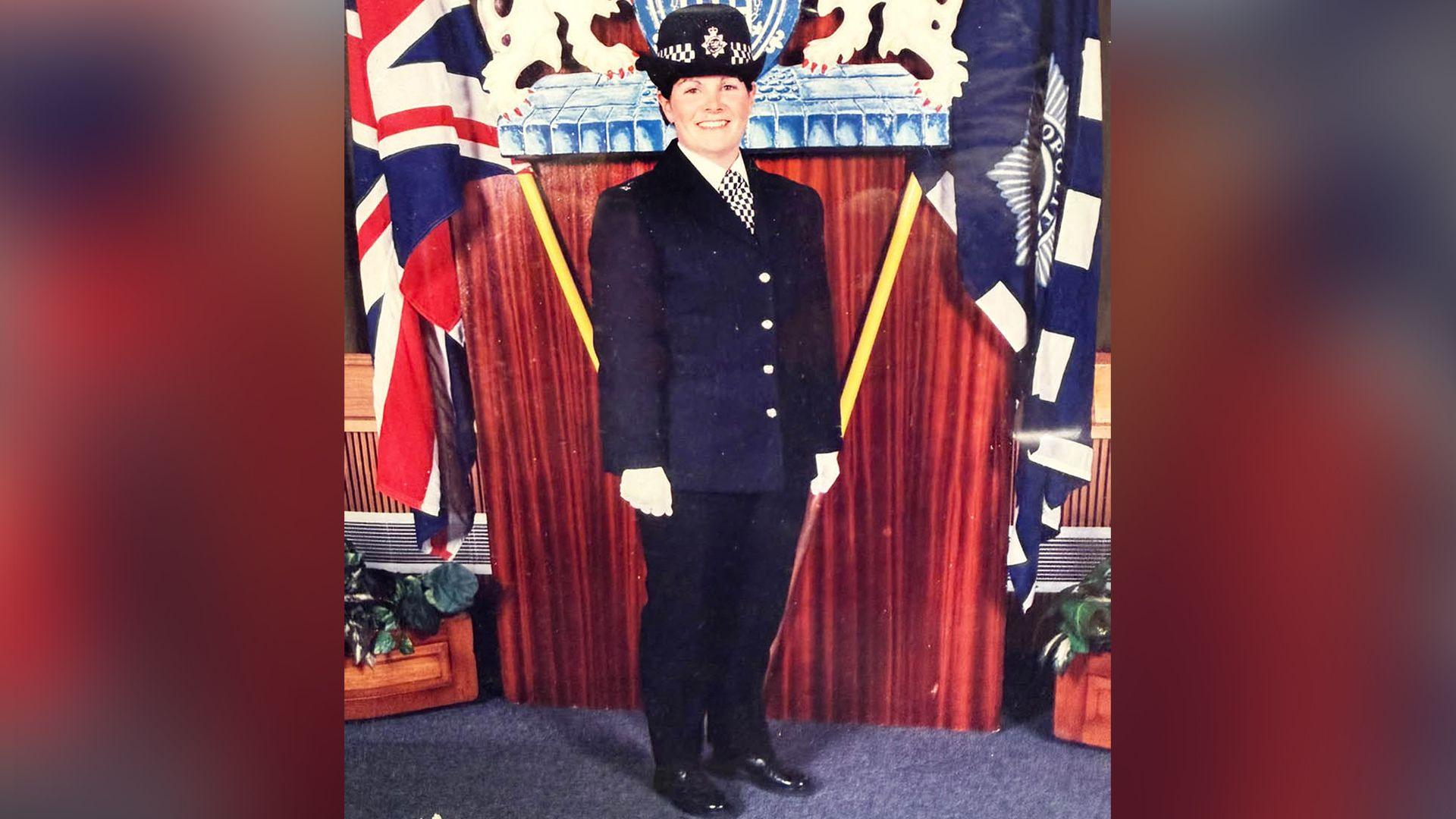 Image source, Linda Williams
Afterwards, Linda says she “never told a soul”.
She says she felt unable to report the rape then, or for years afterwards, because of the culture in the Met.
Reporting the rape “would have been the end of my career”, she says, because Carrick would not have been charged and she would have been shunned.
“I would imagine that if Carrick had been arrested, he probably would have been interviewed and then no further action. So then mud sticks, doesn’t it?
“Then I’d be the officer that alleges rape, and who’s going to want to work with me?”
The “very sexist” culture she says she experienced included having her forehead stamped with the words “Property of the Met” and being locked in the boot of a police car for the duration of a shift.
Linda, now 60, says the mental and emotional impact of the rape has been vast.
She has led a lonely life, she says, focused primarily on her work and pets. She has not had a relationship with a man since the day she was attacked and says she has missed out on having a family.
“I still don’t feel I could have any relationship,” she adds.
She feels guilty at not having come forward earlier to report Carrick, she says.
Since his conviction, she says the Met’s culture has not changed as much as it should have done.
“We’ve not moved on enough in the police to really give victims of domestic violence, sexual offences any [of the] support they really need.”
Her PTSD after the attack is “90% down to the Met Police, 10% to Carrick”, she says.
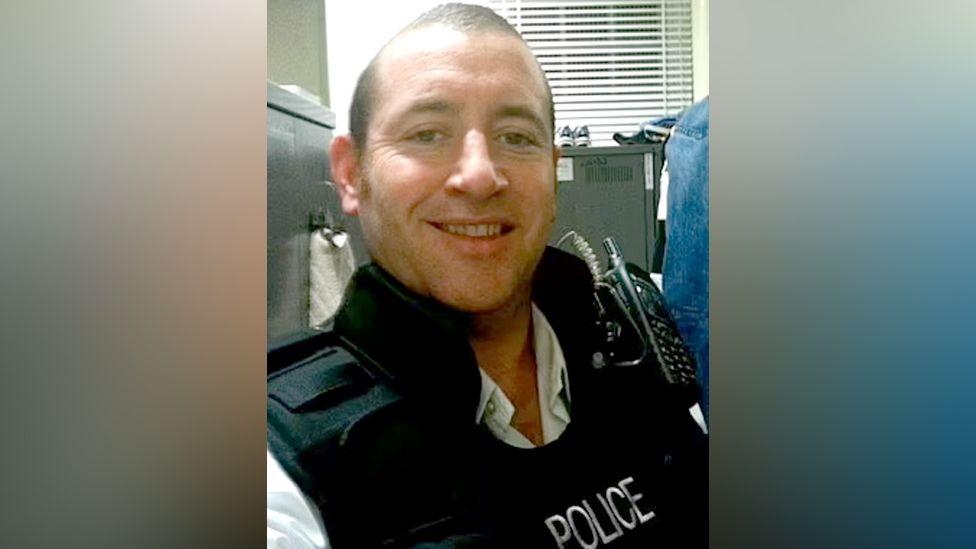 Image source, Social media
Linda brought a civil case against the Met seeking damages on the basis the force failed to protect her from him and that she felt she had been unable to report the rape.
During the four-year case, she says the Met’s legal team questioned the severity of her PTSD diagnosis.
“I was horrified and shocked,” she says, adding she was reduced to tears and felt she was being called a liar.
The Met team also suggested her PTSD could not be severe because she had been raped only once, she says.
“I don’t know how many times you have to be raped to have severe PTSD,” Linda says
The BBC has seen a document from the Met, sent to Linda, showing it stated that a key factor in assessing damages was that the “abuse itself was isolated to a single episode”.
Linda’s solicitor, Sophie Bullimore, of Penningtons Manches Cooper, says to see the rape “reduced down on paper to it being a single isolated event, when actually it has impacted every single aspect of her life, it just needs to be handled with more care”.
-
If you have been affected by the issues raised in this story, information and support can be found at the BBC’s Action Line
Linda says Met lawyers used the fact that she was an exemplary officer, and continued to perform well at work, to suggest she had shown no signs of psychological trauma.
This fails to understand trauma, or how it manifests itself, she adds.
The Met document, sent to Linda, shows it argued that – for at least 15 years after she had been raped – the psychological harm she experienced was “not such as to significantly impact her on a day-to-day basis”.
The Met’s legal approach, says Linda, felt “like being raped all over again” – with the force controlling the process and deciding what she was worth.
The lawyers were acting on behalf of the commissioner, whom she therefore regards as being personally responsible.
At the time of Carrick’s conviction, Sir Mark publicly apologised to the 12 victims. Linda says she waited a couple of months to see if he would get in touch with her directly.
When she did not hear anything, she emailed, telling him that as “a serving officer, one of his troops, maybe I thought he would come forward and speak to me”.
He did then meet her, she says, and “said he was sorry”. But the apology lacked detail, she says, so it “meant nothing”.
The commissioner lacks empathy and is more concerned with public perception than supporting victims or officers, she tells the BBC.
“I would like him to resign. I don’t think he’s fit for the job.
“My colleagues have been really supportive and absolutely fantastic, but the support from higher management isn’t there.”
Sir Mark has “repeatedly acknowledged” that Linda has shown courage in speaking out about her experience to drive forward necessary change and, in now waiving her anonymity, to continue to do so, said the Met spokesperson.
The commissioner has “contacted DC Williams to ask whether she would be willing to meet again and further discuss these issues in person”, they added.
But Linda is not convinced.
“I’m speaking out now because I want to help other victims, whether they’re police officers, police staff or members of the public.
“We can turn it around, but I don’t think Mark Rowley can turn it around.”
-
If you are you affected by the issues in this story, or you have other information you would like to pass on, get in contact by email daniel.desimone@bbc.co.uk or via the Signal messaging app @investigation.56
-
-
Published20 November 2025
-