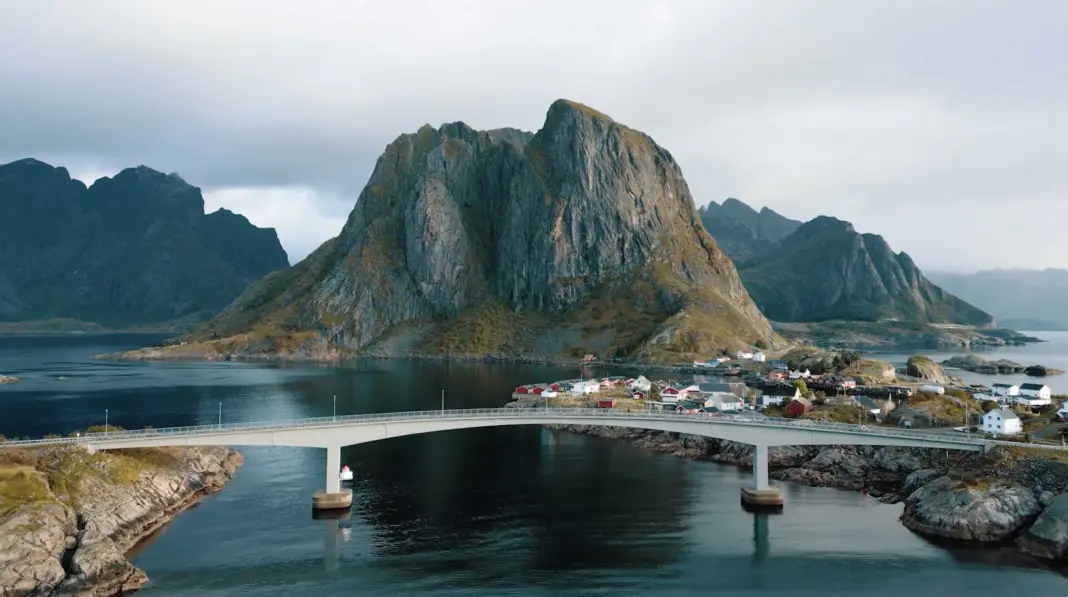

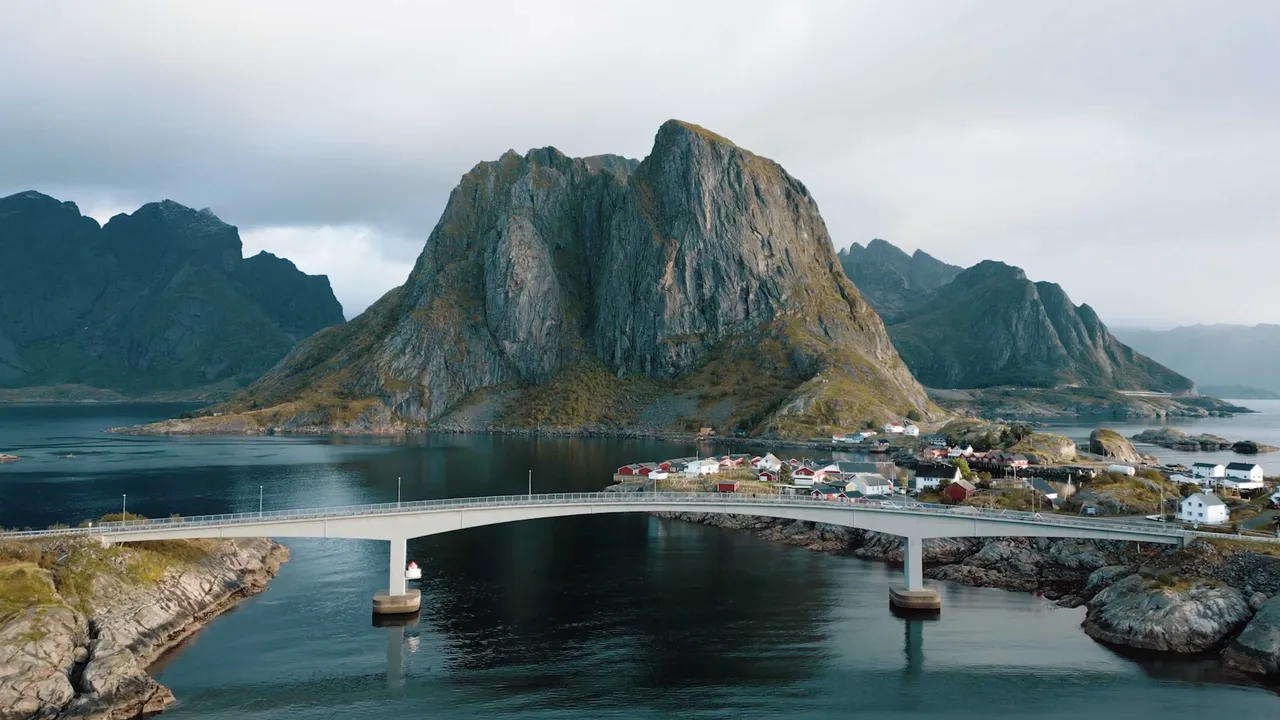
It is clear that tourism has come knocking on Lofoten’s door. In 2025, inbound visitor growth in Northern Norway as a whole, and Lofoten in particular, outpaced the rest of the country, bringing with it a familiar tension: how to welcome visitors while protecting what makes a place worth visiting in the first place. “Our hope is that people come to Lofoten for the right reasons,” Ingunn told me. “Ultimately, that will be what helps us protect the islands and our way of life.” Food, increasingly an anchor to how people travel, offers a way to bridge that gap, inviting visitors in while helping them understand the place they’ve come to experience. “Here, you can’t separate food production and landscape,” said Kärn. “Much of what visitors come to see, whether they know it or not, is shaped by food.”
In this way, Kitchen on the Edge hopes to sound a call for travelers to rethink why and how they visit places like Lofoten. Hospitality that takes guests beyond the plate and into the fields isn’t a new concept, but here it’s more than a perk: it’s a way of life.
One morning, when the weather cleared just enough, we piled into inflatable boats that cut through choppy waters over to an uninhabited island. Once a thriving fishing village, the island was abandoned when motorboats became commonplace in the mid-20th century, and fishing communities no longer needed to live close to spawning grounds. Today, nature has reclaimed this idyllic spot—where Ingunn spent childhood summer days picking berries and swimming—with waterfalls and carpets of reindeer moss.
While others traced the shore on foot, I sat by the jetty and took it all in: the mountains disappearing into the sea, the pair of white-tailed eagles circling overhead, the tiny berries and subarctic flora underfoot. There’s something that happens to your brain when you’re constantly zooming out to take in the big picture, then narrowing your focus to the smallest details. I later learned there’s a name for it: attentional elasticity, a psychological framework that helps you anchor yourself in the present moment. It might be why I felt such a stillness, despite the fog of jet lag and the pull of the action around me.