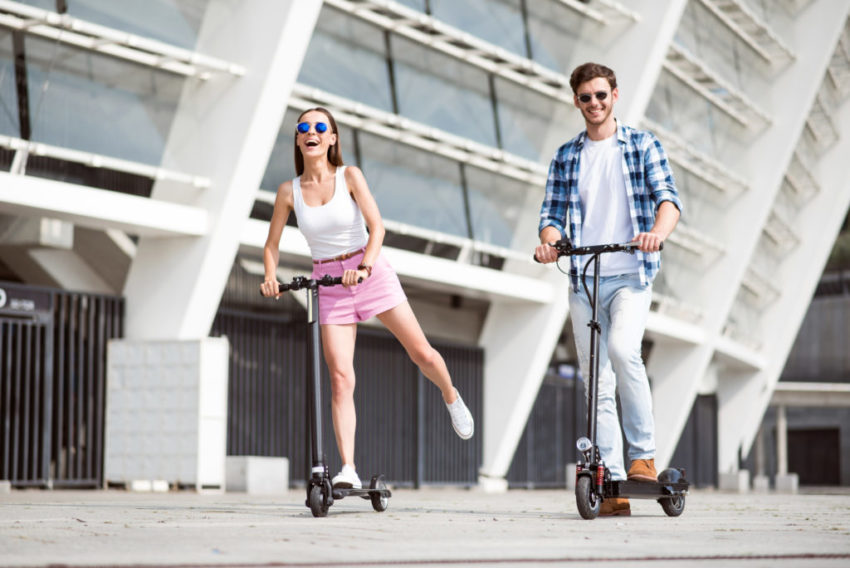

If you are considering the iK5 kids electric scooter or any similar model, this guide covers the key points to think about before you buy.
1. Check the Legal Rules First
Before anything else, understand where your child can legally ride. In the UK, privately owned electric scooters are not permitted on public roads, pavements or cycle lanes. They can only be used on private land with the landowner’s permission. This is true regardless of the rider’s age, and it is the single most important point for parents to grasp.
In practice, the iK5 kids electric scooter is best suited to gardens, driveways, quiet private areas, or enclosed spaces where riding is allowed. Rules can change, so it is worth checking current government guidance before you purchase.
2. Is Your Child the Right Age and Size?
Manufacturers usually recommend a minimum age and a maximum rider weight. Always read these figures carefully and treat them as genuine limits, not suggestions. A scooter designed for younger riders will typically offer a lower top speed and gentler acceleration than an adult model, which is exactly what you want for a beginner.
Also consider your child’s height and maturity. A tall, confident ten-year-old may handle a scooter very differently from a small, cautious six-year-old. Handlebar height matters too. If the bars are too low or too high, your child will struggle to steer and balance properly. Adjustable handlebars are a useful feature because they allow the scooter to grow with your child.
3. Speed and Power Settings
For children, lower speed is better. Look for a scooter with a modest top speed and, ideally, multiple speed modes. A slower mode lets a new rider build confidence, while a faster one can be unlocked later as skills improve.
Smooth acceleration is just as important as top speed. A scooter that surges forward suddenly can throw a beginner off balance. Gentle, progressive power delivery is far safer for young riders.
4. Braking and Stability
Good brakes are non-negotiable. Check what braking system the scooter uses and make sure your child can operate it comfortably with their hand or foot. A rear foot brake is simple and intuitive for many children, while an electric brake can add extra stopping control.
Stability is another factor. A wide, non-slip deck gives small feet a secure place to stand, and a sturdy frame reduces wobble. Larger wheels generally cope better with bumps and uneven ground, while smaller ones can feel twitchy. Take time to look at the build quality, the folding mechanism and the stem, since these are the parts that take the most strain.
5. Battery Life and Charging
Children rarely ride in long, steady stretches. They ride in bursts, so battery range matters less than you might expect, but it still affects how often you will be plugging the scooter in. Check the claimed range and the charging time. A scooter that takes many hours to charge and then runs out after twenty minutes can frustrate everyone.
Safety around charging is essential. Always use the charger supplied with the scooter, never leave it charging unattended or overnight, and keep it away from flammable items. Charge it in a dry, ventilated place and unplug it once it is full. Teach older children to follow the same routine.
6. Safety Gear Is Essential
Even at modest speeds, falls happen. A properly fitted helmet is the minimum, and many parents also choose:
- Knee pads and elbow pads
- Wrist guards
- Gloves
- Closed, grippy shoes
Make wearing protective gear a rule from day one, not a negotiable extra. Children copy what they see, so if you wear a helmet when you cycle, they are more likely to accept it as normal.
7. Supervision and Teaching Good Habits
Treat the first few rides as a lesson. Start on flat, open ground away from obstacles, cars and water. Show your child how to mount, push off, steer, brake and dismount safely. Practise stopping repeatedly before letting them go faster.
Set simple ground rules, such as no riding near roads, no passengers, no riding in the dark or in wet weather, and always staying where you can see them. Younger children should be supervised every time they ride.
8. Weight and Portability
A child needs to be able to pick up, fold and carry their scooter with at least some independence, and you will probably end up carrying it too. Check the weight and the folded size. A lightweight, foldable design is far easier to store in a hallway, cupboard or car boot, and it makes trips to a park or relative’s garden much simpler.
9. Durability, Warranty and Support
Children can be tough on their belongings. Look for a robust frame, reliable wheels and a weather-resistant build. Check what warranty is offered, how long it lasts and what it covers. It is also worth confirming that spare parts and customer support are easy to access in the UK, so a small fault does not turn into a scrapped scooter.
10. Value for Money
The cheapest option is not always the best, and the most expensive is not necessarily right for a child who will outgrow it. Consider how long your child is likely to use it, whether it can be adjusted as they grow, and whether it might be passed on to a younger sibling. Remember to budget for helmets and pads on top of the scooter itself.
Final Thoughts
A children’s electric scooter can be a great source of outdoor fun and independence, provided you approach the purchase with care. Understand the legal restrictions, choose a model that suits your child’s age and size, prioritise safe speeds and reliable brakes, and insist on protective gear and supervision. With the right preparation, you can help your child enjoy riding while keeping safety firmly at the front of your mind.