
This post was originally published on this site.
Matt ChorleyPresenter, BBC Radio 5 Live

Politics is a game of compromise. Labour MPs know that to get the bits they like, they might have to put up, possibly even publicly defend, the things they don’t.
But another government U-turn, this time on digital ID for right-to-work checks, has left them privately wondering if they should bother in future.
As one North East MP, elected for the first time in 2024, put it, Labour MPs now have “a choice between loyalty and dignity”.
Do they go out and defend a government policy in the media, in the Commons and to their constituents, or risk looking “daft” when Downing Street U-turns on it.
Another publicly loyal new MP said: “There’s no point defending anything remotely difficult the leadership announces, because it’s likely to be rowed back on. Whatever the merits of individual policy, we’re in a position where we can’t ever say for sure it’ll happen. Absolutely ridiculous.”
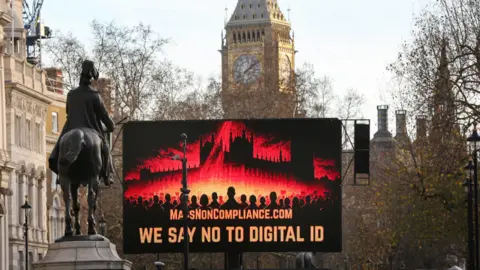
For my show on BBC Radio 5 Live, I have been in touch with dozens of Labour MPs and ministers since it was announced that Sir Keir Starmer was dropping plans to force people to sign up to its digital ID scheme in order to prove their right to work in the UK.
Some were disappointed that an idea they supported had been ditched. “I’m probably one of the few Labour MPs who supports digital ID,” said one. “I think we sold it badly though from start.”
Another said: “Why are we U-turning on this? Pick what you think is right and argue for it. It’s all 12-dimensional chess. We’re too simple to understand. Problem is everyone else is too.”
Others were pleased. A minister said: “It was unpopular and expensive. It should never have been announced without being costed first.”
A backbencher added: “It was clearly meant to appeal to Reform-leaning voters, but in fact had the opposite effect.”
‘Dead on arrival’
A steadfast few tried to insist that this change of heart was just the business of government. “They were still consulting,” said one loyalist. “Changing things with public mood is how consultation works. It’s all fine.”
This, it has to be said, is a minority view. Instead, there is widespread anger and dismay at the handling of the policy reversal, coming hot on the heels of others related to business rate rises for pubs and inheritance tax changes for farmers.
One minister who supported digital ID told me: “Sadly it was dead on arrival due to the utterly hopeless and half-hearted way in which it was announced. No attempt to prepare the ground, no out-riders, no strategy for winning the argument.
“It almost felt like a reluctant concession rather than a front-foot policy or campaign. Arguably the worst bit of comms since July ’24, and that’s a very crowded field…This really was a case study in how not to do politics.”
‘Inevitable’
Long-serving Labour MPs blamed the lack of long-term planning by the prime minister’s team. “The problem comes from having had no deeply considered policy programme that the government came in to implement. They are constantly chasing after policies and trying to implement them without stress-testing them against backbenchers and the public.”
Another said: “This one was inevitable. Policy making on the hoof inevitably sees the horse fall at the first fence.”
So what now? Several MPs highlighted recent comments from Wes Streeting, the health secretary seen by some as a frontrunner to replace Sir Keir, who said the government should try to “get it right first time” hours before the ID about-turn.
Some went further, and brought up the prospect of the next change being a change in leader. “The PLP [Parliamentary Labour Party] are utterly sick to death of being marched up the hill,” said one. “They’re trying to clear the decks to reset, but we all know the reset that’s now required.”
Another furious MP was disappointed that it was Sir Keir himself who had ditched the policy: “I’d hoped that the PM’s successor would do it to signal a change of direction. We’ll have to find something else…”
Listen to Matt Chorley live from Westminster, weekdays from 14.00 on BBC Radio 5 Live.