


This post was originally published on this site.
In small groups, effective team building exercises can greatly improve communication and collaboration. Activities like virtual coffee chats and storytelling circles create opportunities for personal sharing, whereas problem-solving challenges promote strategic thinking. Engaging in fun activities, such as office trivia or scavenger hunts, encourages a sense of camaraderie. By implementing these exercises, you can enhance team dynamics and productivity. Discover how each activity contributes to strengthening team bonds and creating a positive work environment.
Key Takeaways
- Escape Room Challenges foster teamwork and problem-solving through collaboration under pressure, accommodating small groups effectively.
- Cooking Challenges engage teams in creative dish-making, promoting teamwork and individual expression within a set timeframe.
- Virtual Coffee Chats allow remote team members to connect in a relaxed atmosphere, enhancing communication and relationships through structured discussions.
- Compliment Chains boost morale and foster a positive atmosphere by encouraging structured exchanges of appreciation among team members.
- Build a Tower activity encourages collaboration and innovative thinking as participants strategize to create the tallest freestanding tower using simple materials.
Virtual Coffee Chats
Virtual Coffee Chats serve as an effective way for remote team members to connect, especially when face-to-face interactions aren’t feasible.
These informal gatherings provide a relaxed atmosphere where you can share stories, discuss ideas, and explore mutual interests without a formal agenda. Engaging in regular Virtual Coffee Chats helps nurture genuine connections among team members, enhancing team dynamics in a remote environment.
To maximize this experience, consider integrating team building worksheets PDF free download, which can offer structured topics for discussion. You might as well explore team building puzzles during these chats to keep conversations lively and interactive.
By scheduling these sessions consistently, you maintain a sense of camaraderie and belonging, ultimately contributing to job satisfaction. Tools like CoffeePals can automate the pairing process, ensuring everyone has the opportunity to connect regularly.
Incorporating these practices is essential for effective team building exercises for small groups, especially in a virtual setting.
Two Truths and a Lie

Two Truths and a Lie is a popular icebreaker game that can effectively improve team dynamics in small groups. In this engaging activity, each participant shares two true statements and one false statement about themselves. This prompts discussion and interaction, nurturing connections among team members.
Here’s why it’s beneficial:
- Enhances Communication: Participants learn interesting facts about each other, breaking down barriers.
- Promotes Critical Thinking: Guessing which statement is the lie encourages active engagement and thought.
- Versatile Setup: It requires no materials and can accommodate any group size, making it adaptable to various settings.
- Creates a Relaxed Atmosphere: Sharing personal stories helps strengthen relationships and build rapport.
Escape Room Challenges
Escape Room Challenges provide an engaging way for small groups to improve their teamwork and problem-solving skills, as participants must collaborate to solve a series of puzzles within a designated time frame.
These challenges can be customized to specific themes or objectives, ensuring they fit various team dynamics and goals. The immersive nature of escape rooms encourages strong communication, as you and your teammates work together to find clues and escape before time runs out.
Typically accommodating 4-10 participants, escape rooms promote intimate collaboration and individual involvement, allowing everyone to contribute. Successfully completing an escape room challenge not just offers a sense of accomplishment but additionally strengthens team bonds through shared experiences and problem-solving successes.
Build a Tower
One engaging activity for small groups is the Build a Tower exercise, where participants work in teams to construct the tallest freestanding tower using materials like paper, straws, or tape. This exercise promotes creativity and collaboration, as team members brainstorm and compete in a friendly manner.
You’ll find that each participant’s input is crucial for success, enhancing communication and trust among team members.
Here are some key benefits of the Build a Tower activity:
- Encourages problem-solving – Teams must devise effective strategies to construct their towers.
- Enhances time management – With a set time limit, groups learn to prioritize tasks efficiently.
- Promotes teamwork – Participants must work closely to achieve a common goal.
- Fosters creativity – Using simple materials inspires innovative thinking.
Engaging in this activity not only strengthens team dynamics but likewise provides a fun way to develop critical skills.
Office Trivia

As team-building activities often aim to strengthen collaboration and communication, Office Trivia stands out as a unique way to engage employees through their shared knowledge and experiences.
This fun and engaging game tests participants on quirky and interesting facts related to the workplace, promoting camaraderie and laughter among team members. You can customize the trivia questions to include company history, fun facts about team members, or industry-specific knowledge, making it relevant and personal.
Teams typically compete to answer questions correctly, encouraging collaboration and healthy competition within small groups. Office Trivia can be conducted in various formats, such as live quizzes, online platforms, or mobile apps, ensuring versatility for different team settings.
This game not only improves team spirit but additionally serves as an icebreaker, helping team members discover shared interests and strengthen their relationships in an enjoyable and informative way.
Memory Wall

The Memory Wall is a straightforward activity that allows you to share your favorite work memories, enhancing team morale and connections.
By writing down positive or funny experiences and displaying them for everyone to see, you encourage a sense of camaraderie among team members.
As you read the memories aloud and guess who wrote them, you not just promote interaction but additionally strengthen the relationships within the group.
Share Favorite Memories
How can sharing favorite memories strengthen a team’s bond? The Memory Wall activity encourages team members to write down positive or funny memories, which are then displayed for all to see. This simple exercise nurtures connection and engagement among participants.
Here are some key benefits of the Memory Wall:
- Enhances trust: Open sharing of memories builds trust between team members.
- Nurtures camaraderie: Celebrating shared experiences strengthens relationships.
- Promotes a positive atmosphere: The activity creates an uplifting environment.
- Encourages participation: Guessing who wrote each memory engages everyone.
With minimal preparation and suitability for any group size, the Memory Wall is an effective team-building exercise that cultivates a supportive team spirit as it highlights each member’s unique experiences.
[embedded content]
Boost Team Morale
Boosting team morale is crucial for nurturing a productive work environment, and the Memory Wall activity effectively achieves this aim. In this exercise, team members jot down positive or funny work memories on paper, creating a collective space for shared experiences.
As everyone reads these memories aloud, laughter and connection naturally arise, enhancing overall team morale. This activity encourages a supportive environment where individuals feel valued for their contributions.
Strengthen Team Connections
Strengthening team connections is essential for nurturing a collaborative atmosphere, and the Memory Wall activity serves as an effective tool in this regard.
This simple yet impactful exercise allows team members to share positive or funny work-related memories, enhancing relationships among colleagues.
Here’s how it works:
- Write Memories: Each member writes down a memorable experience.
- Share in Group: You’ll read these aloud, encouraging a sense of belonging.
- Guess the Author: Team members guess who wrote each memory, promoting interaction.
- Boost Morale: Engaging in this activity cultivates a supportive environment.
Scavenger Hunt
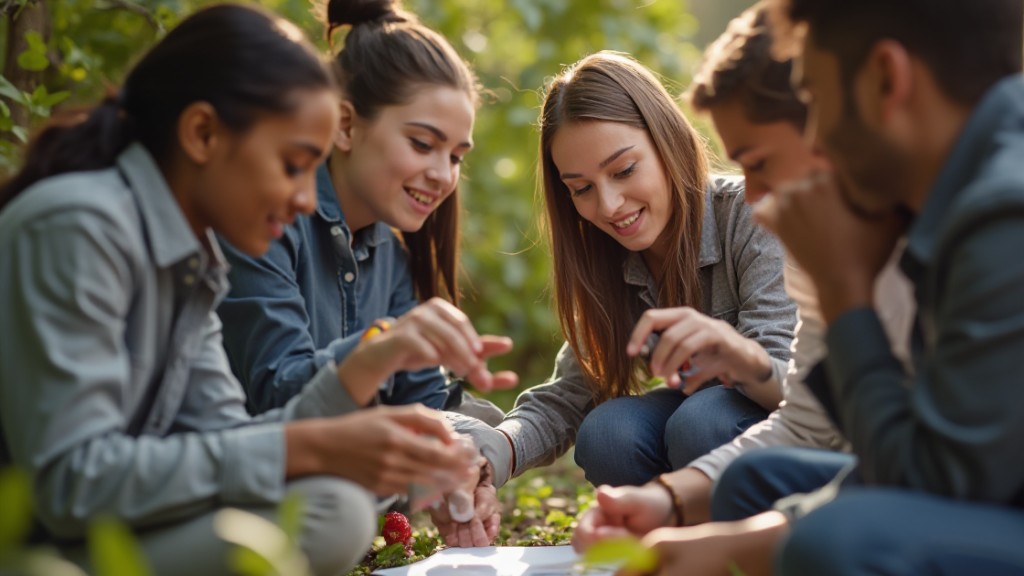
A scavenger hunt is an effective way to improve problem-solving skills and promote team communication within small groups.
As participants work together to solve riddles and locate hidden items, they must share ideas and strategies, which strengthens their collaboration.
This activity not just engages team members creatively but additionally encourages them to think critically under time constraints.
Enhance Problem-Solving Skills
During a scavenger hunt, participants not only enjoy themselves, but they also improve their problem-solving skills through collaboration and strategic thinking.
This engaging activity encourages teams to work together, nurturing vital skills like:
- Critical Thinking: Teams must analyze clues and devise strategies to succeed.
- Creativity: Finding solutions often requires out-of-the-box thinking.
- Adaptability: Participants learn to adjust their approaches based on unforeseen challenges.
- Teamwork: Collaborating effectively strengthens relationships and breaks down barriers.
Foster Team Communication
During participating in a scavenger hunt, team members experience firsthand how effective communication is crucial for achieving common goals.
This activity encourages collaboration as you and your teammates solve clues together, enhancing your communication skills. Each member can share ideas and strategies, making it easier to delegate tasks based on individual strengths.
As you interpret clues and search for items, clear communication becomes fundamental, strengthening your ability to work under pressure.
Scavenger hunts can be customized to align with specific team goals, focusing discussions around shared objectives.
The interactive nature of these hunts breaks down barriers, cultivating open dialogue and deeper relationships among team members through shared experiences.
Storytelling Circle

Storytelling Circles offer an effective way for small groups to build trust and strengthen connections through the sharing of personal narratives. This engaging activity not only cultivates communication but also encourages active listening and empathy among participants.
Here’s how it improves team dynamics:
- Encourages Personal Sharing: Participants share stories based on specific prompts, revealing their experiences.
- Cultivates Active Listening: Team members practice listening attentively, reflecting on each other’s narratives, which builds comprehension.
- Reveals Shared Values: Through storytelling, individuals discover common interests and values, deepening their bond.
- Promotes Creativity: The open-ended nature of the prompts allows for spontaneity and imaginative expression.
The supportive environment of a Storytelling Circle encourages everyone to express themselves freely, appreciating the diverse perspectives within the group.
Compliment Chain

The Compliment Chain is a simple yet effective team-building exercise that boosts morale and strengthens interpersonal connections.
In this activity, team members take turns complimenting the person next to them, promoting an environment of positive reinforcement.
Boosting Team Morale
When team members take turns complimenting each other in a structured setting, it can greatly improve morale and cohesion within the group.
The Compliment Chain exercise cultivates a supportive atmosphere, which is crucial for a positive work environment. Here are some key benefits:
[embedded content]
- Increased Appreciation: Members feel valued, enhancing overall job satisfaction.
- Enhanced Productivity: A positive atmosphere can lead to higher motivation and efficiency.
- Strengthened Trust: Openly acknowledging each other’s strengths builds trust within the team.
- Improved Communication: This exercise encourages vulnerability, allowing team members to express genuine thoughts.
Regularly engaging in the Compliment Chain not only boosts morale but also creates a culture of positivity that can greatly benefit team dynamics and performance.
Strengthening Interpersonal Connections
Strengthening interpersonal connections within a team can be effectively achieved through the Compliment Chain exercise, as it encourages members to acknowledge each other’s strengths in a structured manner.
In this engaging icebreaker, team members sit in a circle and take turns giving compliments, promoting a positive atmosphere and building trust. This activity not just boosts morale but also improves interpersonal connections, as it prompts you to recognize and appreciate your colleagues’ contributions.
Furthermore, participating in the Compliment Chain enhances communication skills, allowing you to express positive feedback clearly. The warmth of giving and receiving compliments cultivates a sense of belonging and camaraderie, eventually leading to a supportive environment that improves collaboration and productivity over time.
Encouraging Positive Reinforcement
Encouraging positive reinforcement within a team can greatly boost overall group dynamics and individual motivation. The Compliment Chain exercise is an effective method to achieve this, as it nurtures a positive atmosphere.
Here’s how it works:
- Team members sit in a circle, creating an inclusive environment.
- Each member takes turns complimenting the person next to them, recognizing strengths.
- This practice improves interpersonal relationships and builds trust among members.
- As individuals feel valued, motivation and engagement increase considerably.
Cooking Challenge

The Cooking Challenge is an engaging team-building exercise that invites participants to compete in creating a dish within a specified time frame. This activity cultivates teamwork and creativity as team members must divide tasks and communicate effectively to succeed.
Each participant can showcase their culinary strengths, allowing for individual expression within a collaborative environment.
Cooking Challenges can be customized to accommodate various dietary preferences or themes, ensuring inclusivity for all. As teams work together, they improve their problem-solving skills, maneuvering challenges in the kitchen.
Once the cooking is complete, participants often experience a sense of accomplishment and camaraderie when sharing and enjoying the final dish together. This shared experience not only reinforces the bonds formed during the exercise but encourages future collaboration.
Frequently Asked Questions

What Are the 5 C’s of Team Building?
The 5 C’s of team building are Communication, Collaboration, Creativity, Commitment, and Conflict Resolution.
You need to cultivate open dialogue and active listening to improve comprehension among team members.
Collaborating helps you leverage individual strengths toward common goals.
Encouraging creativity allows for innovative problem-solving.
Commitment signifies your dedication to roles, driving accountability.
Finally, excelling in conflict resolution equips you with skills to handle disagreements effectively, improving overall team dynamics and productivity.
What Are Fun Activities for Small Work Groups?
For small work groups, you can engage in various fun activities to improve teamwork. Consider icebreaker games like “Two Truths and a Lie” to encourage communication.
Collaborative storytelling promotes creativity, whereas challenges like the Marshmallow Challenge support problem-solving.
Fun games such as Pictionary and Charades enhance non-verbal communication.
Furthermore, scavenger hunts can be customized to your goals, requiring teamwork to solve clues and find items, effectively strengthening group dynamics.
What Are Fun Team Building Activities?
Fun team building activities can greatly improve group dynamics. You might try icebreaker games like “Two Truths and a Lie” to encourage initial comfort among participants.
Engaging in creative challenges, such as the “Marshmallow Challenge,” promotes collaboration and problem-solving.
Furthermore, activities like Pictionary promote laughter and improve non-verbal communication skills.
[embedded content]
Finally, collaborative storytelling exercises allow everyone to contribute creatively, strengthening connections and boosting overall team cohesion.
What Is the 15 Minute Team Energiser?
The 15 Minute Team Energiser is a quick activity designed to boost team energy and morale.
It usually includes fun icebreakers, quick games, or energizing stretches, all meant to create a positive atmosphere.
You’ll find it particularly effective in small groups, where participation is higher and connections deepen.
Regularly incorporating this energiser can improve communication and trust among team members, eventually enhancing overall team dynamics, productivity, and job satisfaction.
Conclusion

Incorporating effective team-building exercises can greatly improve collaboration and communication within small groups. By engaging in activities like virtual coffee chats, escape room challenges, and compliment chains, you promote a positive work environment that encourages creativity and teamwork. These exercises not only strengthen interpersonal relationships but additionally improve overall productivity. As you implement these strategies, you’ll likely notice a more cohesive team dynamic, leading to better problem-solving and a more enjoyable workplace atmosphere.
Image via Google Gemini and ArtSmart


