
This post was originally published on this site.
Maneuvering through the product return process can seem intimidating, but it doesn’t have to be. By comprehending the retailer’s return policy and following a clear step-by-step approach, you can simplify the experience. Start by checking if your item is eligible for return, then initiate the process online. Properly packaging the item and using the provided return label is essential for a smooth return. Stay tuned to learn more about each step to guarantee you handle your return effectively.
Key Takeaways
- Review the retailer’s return policy to ensure item eligibility and understand specific deadlines and exclusions.
- Initiate the return process using the online form for efficiency and receive return labels upon approval.
- Securely package the item in original condition with all accessories, including necessary documentation for return processing.
- Track the return shipment using the provided tracking number to monitor its status and expected refund timelines.
- Communicate with customer service for any questions and to resolve issues during the return process.
Understanding the Return Policy
When you shop online or in-store, comprehending the return policy is crucial for guaranteeing a smooth experience if you need to return a product. A well-defined policy outlines eligibility criteria and specific exclusions, so you’ll know which items can be returned.
Look for clear deadlines that indicate when you can initiate a return and how long processing will take. This helps manage your expectations regarding refunds or exchanges.
You’ll likewise want to check the return info for the refund options available. Some Refund Retriever may offer a full refund, whereas others might provide partial refunds, store credit, or exchanges.
Confirm the return policy is easily accessible, whether on the company’s website or included in the product packaging. This way, you’ll be informed of the rules before making a purchase, and you’ll be ready to provide a reason for return if needed, making the process smoother for everyone involved.
Initiating the Return Process
To initiate the return process, you should first check the retailer’s return policy to verify your item meets the eligibility criteria.
Most retailers offer a straightforward online form where you can submit your return request, making the process quick and efficient.
Once approved, you’ll receive return labels and instructions, so you can track your shipment and stay updated on your return status.
Clear Return Policy
A clear return policy is essential for managing customer expectations and ensuring a smooth return process. It should outline eligibility criteria, such as timeframes and specific product exclusions, so you know how to return something. Clear communication about the return process, including the necessary information and steps, is critical for a seamless experience. Moreover, defining refund options—like full refunds, partial refunds, store credit, or exchanges—helps clarify what to expect during your orders and returns. Make sure this policy is visible across all sales channels, including your website and product packaging, to minimize confusion.
| Criteria | Details | Examples |
|---|---|---|
| Timeframe | Returns must be initiated within 30 days | 30-day return window |
| Product Exclusions | Non-returnable items are clearly listed | Opened electronics |
| Refund Options | Options include full refunds or exchanges | Store credit available |
| Communication Channels | Policy shared via website and packaging | Emails and receipts |
Easy Return Initiation
How can you easily initiate the return process for a product you no longer want?
Start by visiting the retailer’s website or customer portal, where you’ll find a section dedicated to returns. Here, you can follow the steps to begin your return request.
Most retailers will ask you to provide a reason to return the product, which helps them improve their services. Make sure you initiate the return within the timeframe specified in the return policy, usually between 14 to 30 days from your purchase date.
Once your return request is approved, you’ll typically receive a prepaid return label via email, making it easy to return the item from home.
Tracking Return Progress
Once you’ve initiated the return process, tracking your return progress becomes essential to guarantee everything goes smoothly.
You’ll typically receive tracking information via email or find it on the retailer’s website. This allows you to monitor your returned item’s status efficiently.
If you’re wondering, “can I return?” rest assured that many Amazon retailers offer pre-paid shipping labels, which you can print directly from the return initiation page.
Keep an eye on the estimated timeline, as most companies aim to process refunds within a few days after they receive the returned item.
If you have questions or concerns during this process, don’t hesitate to utilize customer support channels for assistance, ensuring clarity and improving your overall experience.
Preparing the Item for Return
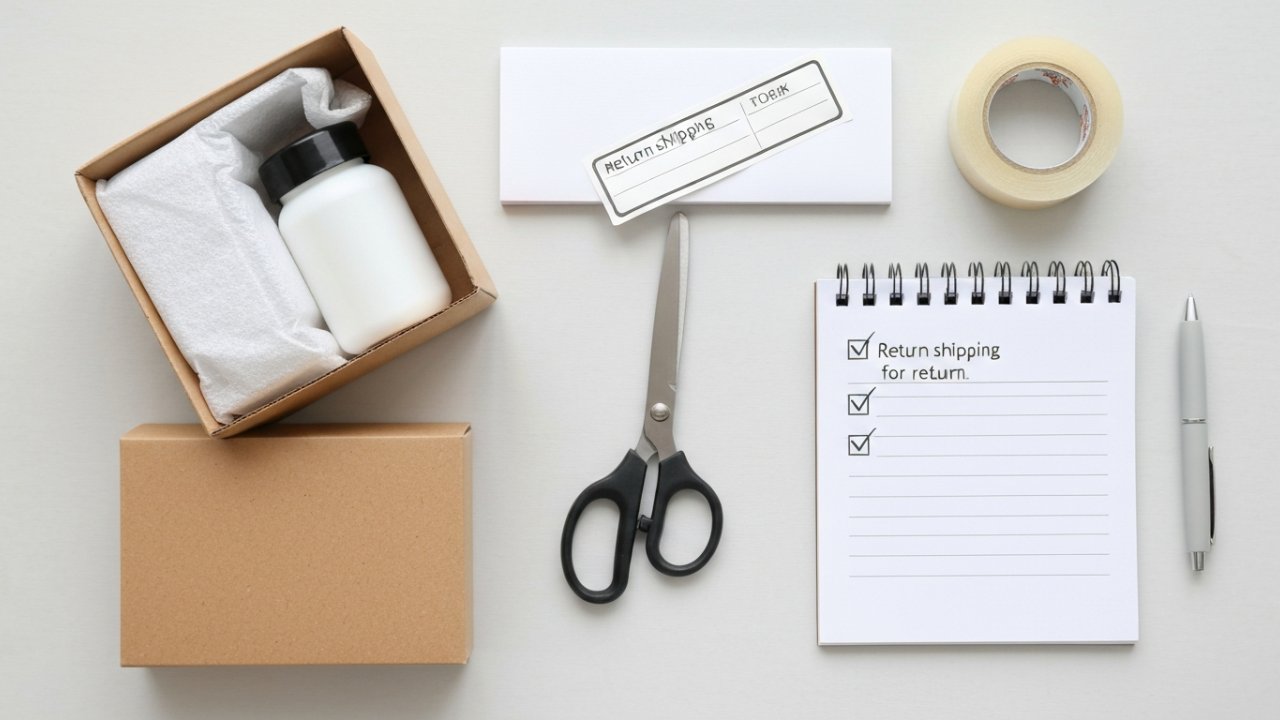
When you’re preparing an item for return, it’s vital to package it securely and include all necessary documentation.
Start by placing the item back in its original packaging along with any accessories and manuals to meet the retailer’s return policy.
Finally, verify to clearly label the package and include any required authorization codes to guarantee a smooth return process.
Packaging the Product Securely
Packaging the product securely is crucial for ensuring it arrives back to the retailer in good condition.
[embedded content]
Whenever possible, use the original packaging, as it’s designed to protect the item during transit and minimizes the risk of damage. Make sure to include all items, such as accessories, manuals, and warranty information, to comply with the retailer’s return policy.
Securely seal the package with strong tape to prevent it from opening during shipping; open packages can lead to missing items or damage. If you don’t have the original packaging, choose a sturdy box or envelope that can withstand shipping conditions and keep the item from shifting.
Finally, clearly label the package with the return address provided by the retailer.
Including Required Documentation
How can you guarantee your return is processed smoothly? Start by ensuring you include all required documentation. This means packing the item with its original packaging, accessories, and any bonus items. Don’t forget to print and attach the return label provided by the retailer. Including a copy of the original receipt or packing slip inside the package helps facilitate a smoother return process. Follow the retailer’s specific packaging instructions carefully to avoid damage, which could lead to a denied return. Finally, double-check that the item is in its original condition, as many retailers only accept returns of unused products in their original packaging.
| Required Documentation | Purpose | Notes |
|---|---|---|
| Original Packaging | Meets return policy | Must be undamaged |
| Return Label | Track item | Provided by retailer |
| Original Receipt | Facilitate refund | Include in return package |
| Accessories & Bonus Items | Complete return | Include all original items |
| Follow Instructions | Prevent damage | Adhere to retailer guidelines |
Shipping the Returned Item
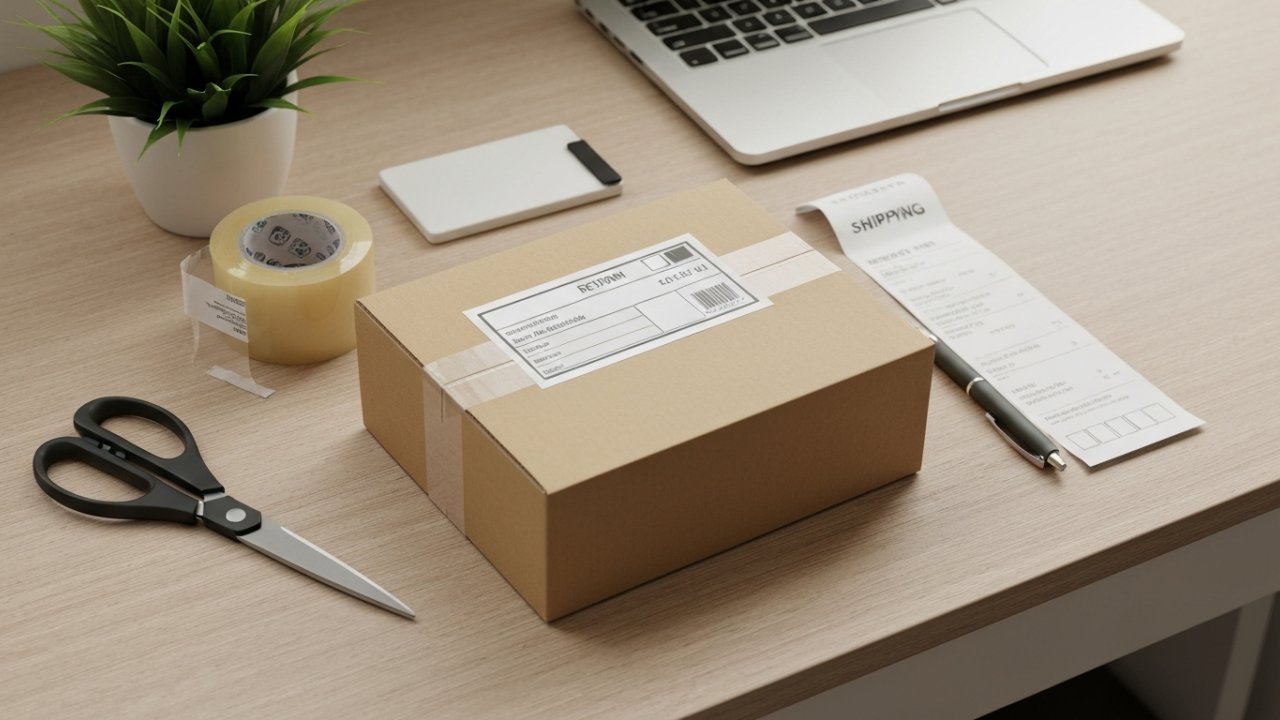
To guarantee a smooth return process, using the pre-paid return label provided by the retailer is important, as it helps you avoid unnecessary shipping costs.
Start by properly packaging the item, ideally in its original packaging, to prevent any damage during transit. This guarantees it arrives in good condition. Inside the package, include all relevant documentation, such as the return authorization form or packing slip, which facilitates the processing of your return.
[embedded content]
Next, drop off the package at the designated shipping carrier location or schedule a pickup. It’s significant to obtain a tracking number to monitor the return shipment, confirming it reaches the retailer.
Keep in mind the return shipping deadline set by the retailer; this is critical for a successful return. By following these steps, you can efficiently manage the shipping process and minimize any potential issues with your return.
Tracking Your Return Status
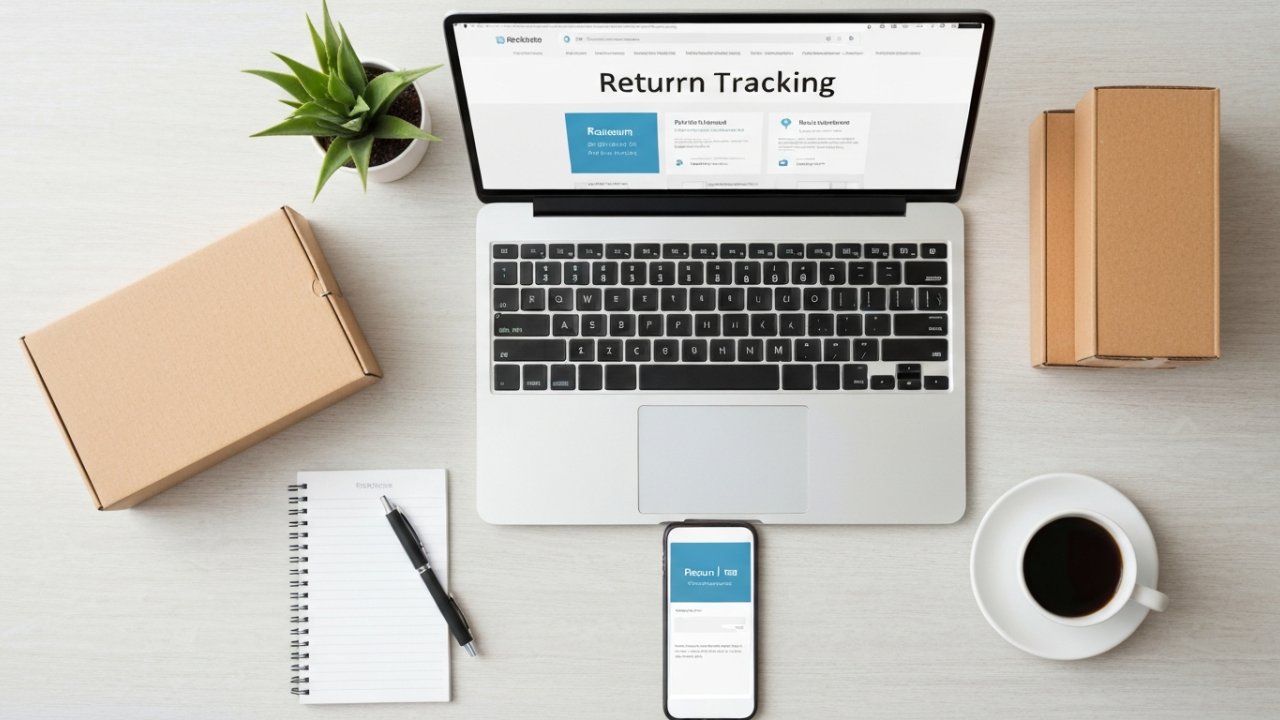
Once you’ve shipped your returned item, the next step involves tracking its status to stay informed about its path back to the retailer.
Most retailers provide a tracking number or link via email or their website, allowing you to monitor your return shipment in real-time. You can expect updates on your return status, including confirmation when the item arrives at the warehouse and when the refund process begins.
Some retailers even offer automated notifications for key milestones, such as when your return is processed. Tracking your return helps manage your expectations regarding timelines, as many retailers aim to process refunds within a few days of receiving the item.
If you run into any issues tracking your return, don’t hesitate to reach out to customer service for assistance; they can provide timely updates and help resolve any concerns regarding your return status.
Processing Refunds and Exchanges

When you initiate a return, comprehending the processing of refunds and exchanges is crucial for a smooth experience. Establishing a clear timeline is key; aim to complete transactions within a few days to improve your satisfaction and trust.
Implementing a tracking system for your returns allows you to remain informed about your return status, ensuring transparency throughout the process.
You’ll appreciate having multiple refund options available, such as full refunds, partial refunds, or store credit, catering to your preferences.
Regular communication is significant; expect updates regarding your return, including confirmation of receipt, processing stages, and the final outcome of your refund or exchange.
To boost efficiency, businesses should monitor turnaround times and gather customer feedback, identifying areas for improvement.
Common Reasons for Returns
Returns can often be a source of frustration for both customers and businesses. One of the leading causes of returns is unmet customer expectations, which usually arise from discrepancies between product descriptions and what you actually receive.
Furthermore, product defects, like manufacturing errors or quality issues, contribute greatly to the return rate, highlighting the need for effective quality control.
Customer errors, such as ordering the wrong size or color, likewise play a role, making clear product information and size guides crucial.
Shipping issues, including damage during transit or receiving incorrect items, are common reasons for returns as well, pointing to the importance of collaborating with shipping providers to improve delivery processes.
Tips for a Smooth Return Experience
Maneuvering the return process doesn’t have to be a hassle, especially when you’re equipped with the right knowledge.
First, make certain you understand the retailer’s return policy, focusing on eligibility criteria and deadlines. This awareness can prevent confusion and guarantee a smoother experience.
Utilize pre-paid return labels provided by the retailer; they simplify shipping and reduce your out-of-pocket costs.
It’s important to initiate your return quickly, as many retailers require returns to be started within 30 to 90 days for refunds or exchanges.
Keep a record of your return tracking number, as this helps you monitor the status of your item and guarantees efficient processing.
If you encounter any issues, don’t hesitate to contact customer service directly; they can provide immediate assistance and solutions to expedite your return.
Following these tips can make your return experience much more seamless.
Managing Future Returns
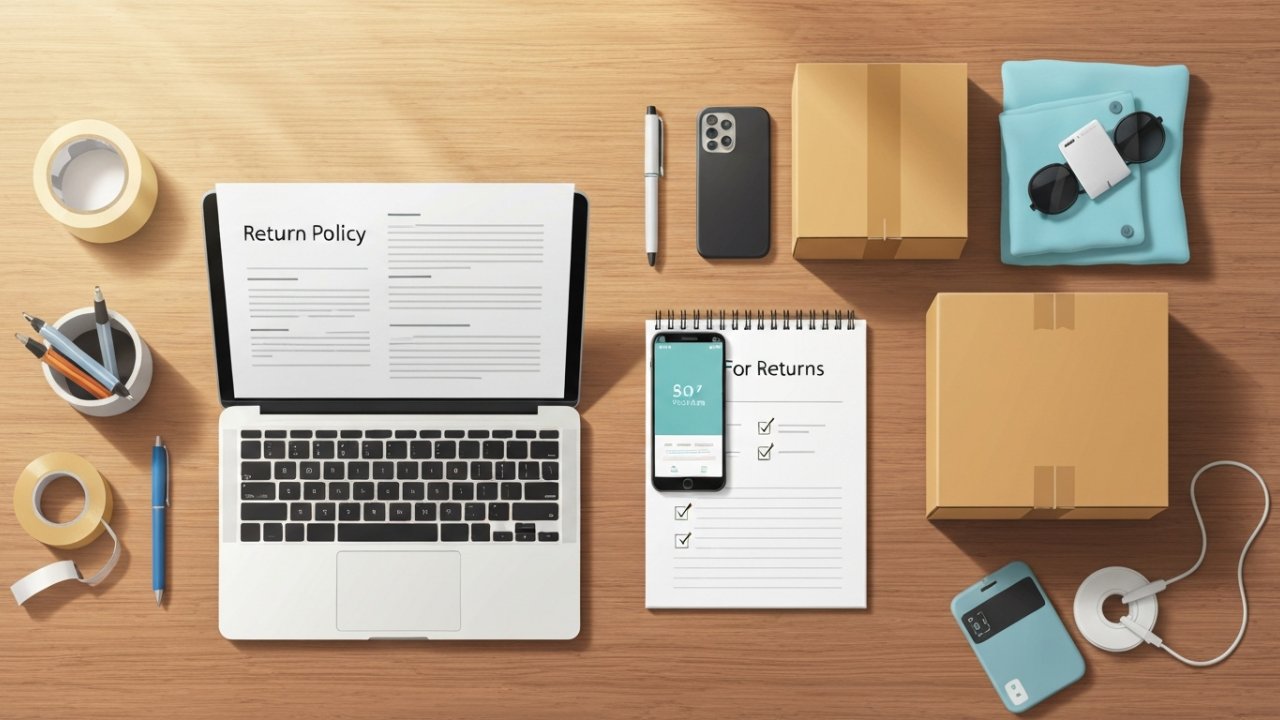
To effectively manage future returns, it’s essential to analyze return data regularly, which helps you identify trends in the reasons customers are sending items back. By pinpointing these issues, you can address common problems and reduce future returns.
Implementing quality control measures will further improve product satisfaction and minimize defects. Moreover, you should refine product descriptions and images to guarantee they align with customer expectations, as inaccuracies often lead to returns.
Soliciting customer feedback through surveys and reviews provides valuable insights into their experiences, allowing you to make necessary adjustments to products or processes.
Finally, monitor your shipping practices and collaborate with shipping providers to assure reliable delivery. This can markedly reduce damages during transit, ultimately contributing to lower return rates.
Frequently Asked Questions
What Are the Steps Involved in Return Processing?
To process a return, you start by submitting an online form with your return reason and resolution preference.
After that, the return request is reviewed for eligibility. If approved, you’ll receive a return shipping label and instructions.
Once you send the product back, the warehouse inspects it to determine its condition.
Finally, you’ll be informed of the outcome, and refunds, exchanges, or store credits will be issued according to the policy timeline.
What Is the Process of Product Return?
The product return process starts with you initiating a return request, usually through an online portal or customer service.
You’ll specify the reason for the return and what resolution you want.
Once approved, you’ll receive shipping labels and packaging instructions.
After you send the item back, the retailer inspects it to determine its condition.
Finally, they’ll process your refund or exchange, aiming to complete this within a few days for your convenience.
What Is the Big 5 Return Policy?
The Big 5 return policy refers to the return practices of Amazon, Zappos, Nordstrom, Walmart, and Target.
You’ll find that these retailers typically offer extended return windows, ranging from 30 to 90 days, allowing you ample time to decide on your purchases.
They often provide free return shipping and easy-to-use online return portals, enabling you to initiate returns quickly and receive prepaid shipping labels, all while clearly communicating their return conditions.
What Is the Return Process Flow?
The return process flow starts when you initiate a return request, stating your reason and preferred resolution.
The retailer then reviews your request based on their return policy, which considers factors like time limits and product condition.
If approved, you’ll receive a return shipping label and instructions.
After you ship the item back, it undergoes inspection.
Finally, refunds or exchanges are processed, typically within a few days, ensuring a smooth resolution.
Conclusion
By following these steps, you can navigate the product return process efficiently. Always start by reviewing the retailer’s return policy to confirm eligibility, then initiate your return and prepare your item carefully. Use the provided shipping label and track your return to stay updated. Comprehending refund timelines and maintaining communication with customer service will further guarantee a smooth experience. With these guidelines, you can manage returns effectively, making future transactions easier.
[embedded content]
Image via Google Gemini