

This post was originally published on this site.
An HR Employee Management System is a digital platform designed to simplify and automate various human resource functions, like recruitment, payroll, and performance evaluations. By centralizing employee data and offering self-service options, it boosts efficiency and accuracy in HR processes. Businesses can see improved employee engagement and retention, alongside reduced compliance risks. Comprehending how to implement this system effectively can lead to significant advantages for your organization, especially as you navigate the intricacies of workforce management.
Key Takeaways
- An HR Employee Management System centralizes HR functions, automating processes from recruitment to employee exit for streamlined operations.
- It enhances operational efficiency by automating payroll and attendance management, reducing manual data entry and administrative burden.
- Employee self-service portals promote autonomy, improving employee engagement and satisfaction while allowing easy access to personal information.
- Implementing such systems can improve data accuracy, minimizing compliance risks and supporting data-driven decision-making with actionable HR analytics.
- Businesses can potentially cut operational costs by up to 15% by centralizing employee data and improving retention rates through recognition and feedback mechanisms.
Definition and Key Features of an HR Employee Management System
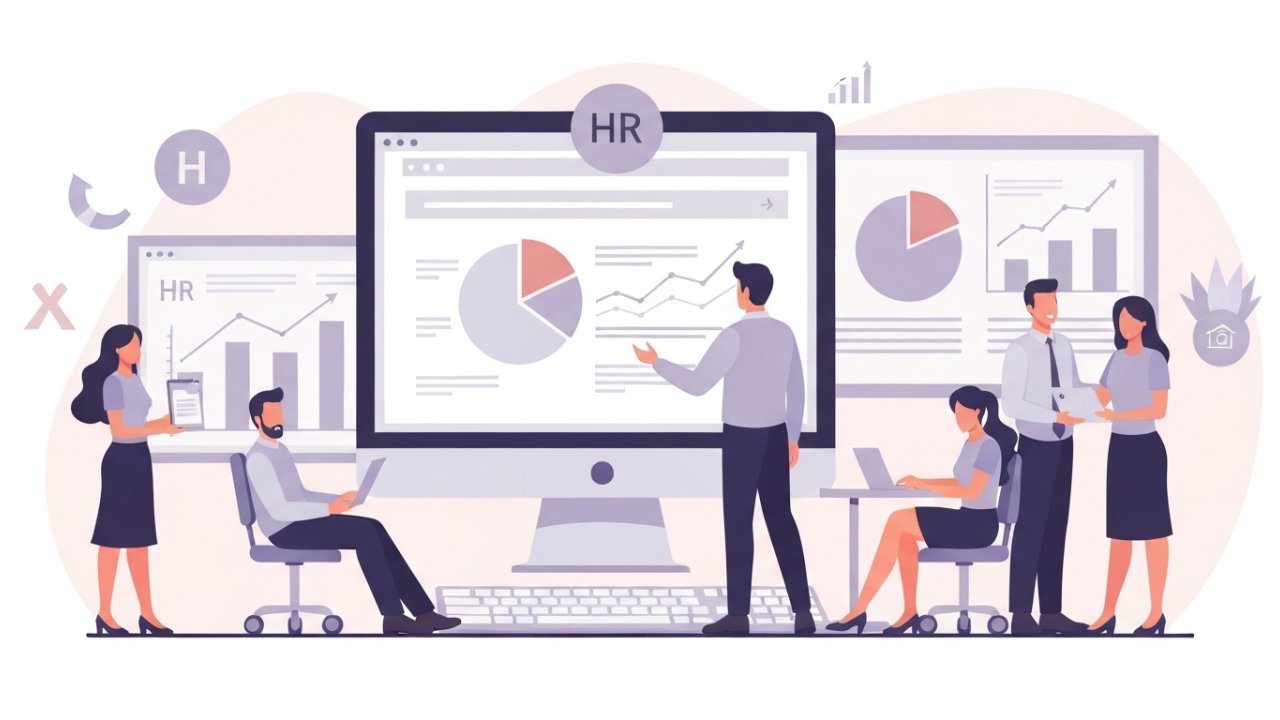
An HR Employee Management System (EMS) is an important tool for modern organizations, streamlining various human resource functions into a single, efficient platform. This thorough hr management system software automates vital processes, managing everything from recruitment to employee exit during the centralization of employee data.
Key features include attendance and leave tracking, payroll management, performance evaluation tools, and employee database management.
Moreover, employee self-service portals allow easy access to personal information, promoting autonomy. By automating repetitive tasks, an EMS improves operational efficiency and reduces manual data entry.
The integration of analytics within the system offers valuable insights into workforce trends and performance metrics, aiding data-driven decision-making. In addition, an EMS promotes transparency and accountability, improving communication between employees and management.
This eventually nurtures a positive workplace culture, significant for effective employee management and overall organizational success.
Benefits of Implementing an HR Employee Management System

Implementing an HR Employee Management System (EMS) brings a host of benefits that can greatly improve an organization’s operational efficiency. By automating payroll and attendance management, an EMS boosts data accuracy and minimizes compliance risks, reducing the time spent on administrative tasks by up to 30%. This allows your HR team to focus on strategic initiatives.
Furthermore, organizations can expect a 20% improvement in employee engagement as a result of better communication and self-service capabilities, promoting transparency. Access to actionable HR analytics supports data-driven decision-making, helping you identify talent management trends and potentially decreasing turnover rates by 25%.
In addition, centralizing employee data can cut operational costs by up to 15%, streamlining processes and increasing efficiency. Overall, adopting a human resource management system provides significant advantages that can transform how you manage your workforce.
How an HR Employee Management System Enhances Operational Efficiency
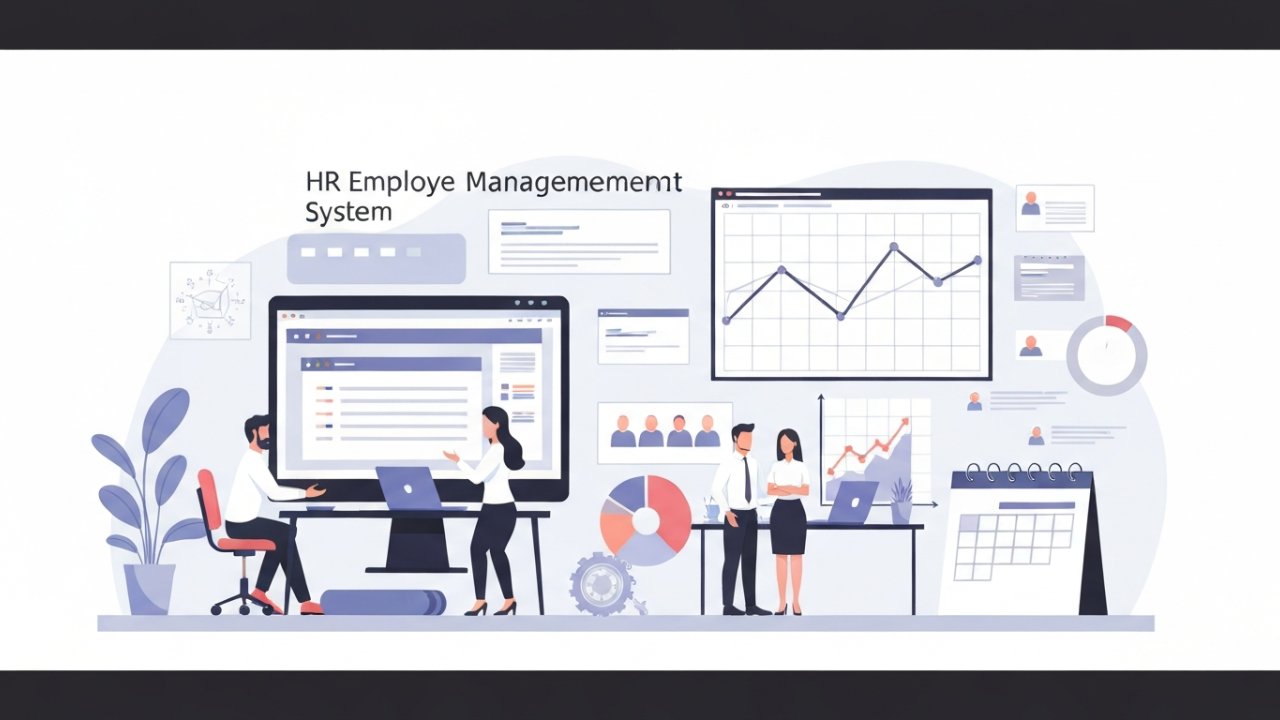
Though many organizations still rely on outdated methods for managing HR tasks, adopting an HR Employee Management System (EMS) can greatly improve operational efficiency.
An EMS automates repetitive tasks, allowing your HR team to focus on strategic initiatives instead of manual data entry, leading to significant productivity gains.
By centralizing employee data storage, it minimizes reliance on paper records, guaranteeing quick access to necessary documents for human resource tracking.
Automation of payroll and attendance management improves accuracy in salary computations and guarantees timely payments, boosting employee satisfaction.
[embedded content]
Data-driven insights provided by an EMS enable your HR department to analyze workforce trends and employee performance metrics, facilitating informed decision-making.
Moreover, self-service features empower employees to manage their own information, reducing the administrative burden on HR teams.
For those considering options, free employee management software can offer a glimpse into these transformative capabilities without financial commitment.
Steps to Choose the Right HR Employee Management System for Your Business

Choosing the right HR Employee Management System (EMS) for your business involves a careful assessment of your organization’s unique needs and future growth potential. Start by identifying required features, such as payroll management, performance tracking, and attendance monitoring.
Next, conduct thorough research on available EMS options, focusing on aspects like user-friendliness and scalability. Utilize free trials or demos to evaluate functionality and user experience. Gather feedback from stakeholders and employees to verify the chosen human resources app meets everyone’s needs.
Consider these key factors during your selection process:
| Factor | Description |
|---|---|
| Security Features | Guarantee data protection and compliance |
| Vendor Support | Look for responsive customer service |
| Total Cost of Ownership | Include implementation and maintenance fees |
| Scalability | Assess growth potential of the EMS |
| Compatibility | Check integration with existing systems |
This approach will help you find the ideal HR software for startups.
The Impact of an HR Employee Management System on Employee Engagement and Retention

The introduction of an HR Employee Management System (EMS) can considerably influence employee engagement and retention within your organization. By leveraging a robust human resource management service, you can empower your workforce and create a thriving environment.
Here’s how an EMS impacts engagement and retention:
- Provides self-service portals for employee autonomy.
- Automates performance management for aligned objectives.
- Improves retention rates by up to 25% through recognition.
- Offers data-driven insights for targeted retention strategies.
- Improves communication and collaboration, nurturing a positive culture.
With a clear comprehension of hrms meaning, you’ll see that these systems help build an engaged workforce. Employees feel valued when they can access information and receive timely feedback.
As a result, organizations that implement an EMS not solely boost motivation and job satisfaction but additionally create a supportive atmosphere that retains top talent during minimizing turnover.
Frequently Asked Questions
What Are the Benefits of Employee Management System?
An employee management system streamlines HR tasks, saving you time and reducing costs by automating administrative functions.
It centralizes employee data, enhancing consistency and compliance with labor laws.
This system additionally improves performance tracking, helping you identify employee development needs, which can increase morale and productivity.
With self-service features, employees can manage their own information, relieving the HR team of burdens, whereas data analytics provide insights that boost retention and lower turnover costs.
[embedded content]
What Is the Purpose of the HR Management System?
The purpose of an HR Management System (HRMS) is to improve the efficiency of HR functions by automating various tasks like recruitment, payroll, and attendance tracking.
You’ll find that it centralizes employee data, reducing inconsistencies across departments.
An HRMS likewise provides valuable insights through data analytics, helping you make informed decisions about workforce management.
[embedded content]
What Are the Benefits of HR Systems?
HR systems offer numerous benefits that improve organizational efficiency. They automate repetitive tasks, freeing your time for strategic initiatives.
By centralizing employee data, you improve consistency and compliance, reducing payroll errors. These systems provide valuable insights into workforce trends, aiding informed decision-making.
They as well streamline recruitment through automated tracking and onboarding, which shortens hiring cycles and cuts costs.
Improved communication features encourage collaboration, finally boosting employee morale and productivity within your team.
What Is HRP and Its Importance?
Human Resource Planning (HRP) involves forecasting your organization’s future workforce needs and preparing to meet those needs. It guarantees you have the right number of employees with the appropriate skills available when required.
HRP aligns your workforce strategy with business goals, enhancing overall effectiveness. By addressing workforce gaps proactively, it can reduce hiring costs and turnover as well as boosting productivity.
Effective HRP, especially when combined with data analytics, can greatly improve workforce performance and retention.
Conclusion
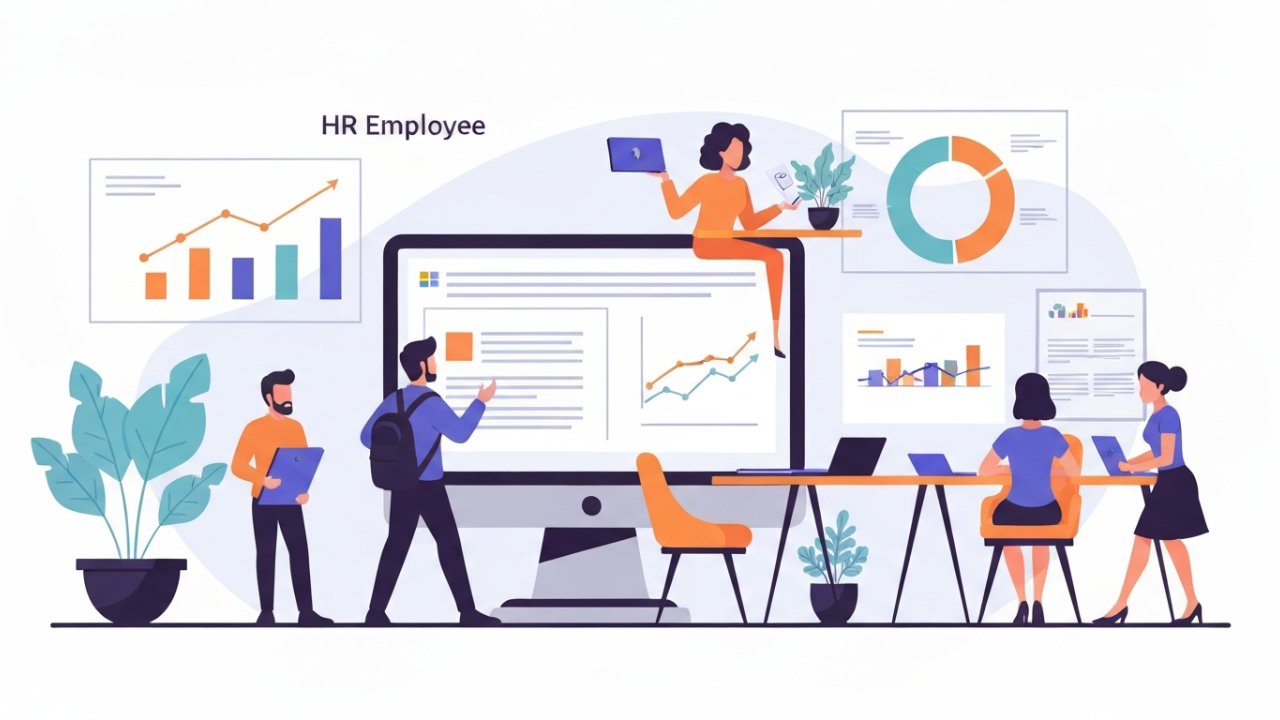
In conclusion, an HR Employee Management System is crucial for modern businesses looking to streamline their HR functions. By automating processes like payroll and performance evaluations, it improves operational efficiency and data accuracy. The system not only supports compliance and informed decision-making but also cultivates employee engagement and retention. Choosing the right system customized to your needs can greatly impact your organization’s productivity and overall success, making it a worthwhile investment for any business.
Image via Google Gemini