
This post was originally published on this site.
Production quality inspection is a systematic process that guarantees your manufactured products meet specific quality, safety, and performance standards. By identifying defects early, you can prevent costly recalls and improve operational efficiency. Various inspection methods, such as visual checks and automated systems, play an essential role in maintaining quality throughout production. Comprehending the significance of these inspections and their impact on your business can help you elevate customer trust and comply with industry regulations, leading to greater competitive success.
Key Takeaways
- Production quality inspection ensures products meet quality, safety, and performance standards, safeguarding both manufacturers and consumers.
- It identifies defects early in the production process, minimizing costly rework, scrap, and potential recalls.
- Various inspection types, including pre-production, in-process, and final checks, help maintain consistent quality throughout manufacturing.
- Technology, such as AI and IoT, enhances inspection accuracy and promotes real-time monitoring for immediate defect detection.
- Implementing quality inspections fosters customer trust, boosts operational efficiency, and supports continuous improvement initiatives within organizations.
Understanding Production Quality Inspection
Production quality inspection plays a crucial role in the manufacturing process, as it guarantees that products comply with established standards for quality, safety, and performance. This critical process occurs at various stages of production, helping you identify defects early, which reduces the risk of costly recalls.
Different methods, such as visual checks, automated systems, and in-process evaluations, are employed to monitor compliance with industry regulations and customer specifications. By implementing effective production quality inspections, you improve operational efficiency and minimize waste, promoting a culture of continuous improvement.
This approach not only contributes to customer satisfaction but also strengthens brand reputation, ensuring high-quality products reach the market, finally reflecting the effectiveness of quality control in manufacturing.
The Importance of Quality Inspection in Manufacturing
Effective quality inspection in manufacturing is crucial for guaranteeing that products meet the specified standards and remain free of defects. By implementing robust quality control in the manufacturing industry, you can safeguard your brand and build customer trust.
Here are some key reasons why quality inspections are critical:
- Identify weaknesses in the production process early.
- Save costs by minimizing rework, scrap, and recalls.
- Guarantee compliance with industry regulations and standards.
- Improve operational efficiency by reducing defects and waste.
Quality inspection not only protects consumers but equally strengthens your market position.
Regular inspections facilitate continuous improvement, leading to better product quality and increased customer satisfaction.
In the end, prioritizing quality inspections contributes greatly to your manufacturing success.
Types of Quality Inspections
Quality inspections play a crucial role in ensuring that products meet established standards throughout the manufacturing process. There are several types of quality inspections, including Pre-production checks, In-process inspections, and Final inspections. Each type focuses on different stages of the inspection process in manufacturing to prevent quality issues.
Common methods include Visual inspection for surface defects, Automated systems for precision checks, and both Destructive and Non-destructive testing to assess material integrity and safety. Customizable checklists facilitate communication about quality concerns among stakeholders, ensuring specific product requirements are met consistently.
These quality control inspections not only reduce defects and waste but also help maintain compliance with industry regulations, eventually enhancing operational efficiency and customer satisfaction.
The Quality Inspection Lifecycle
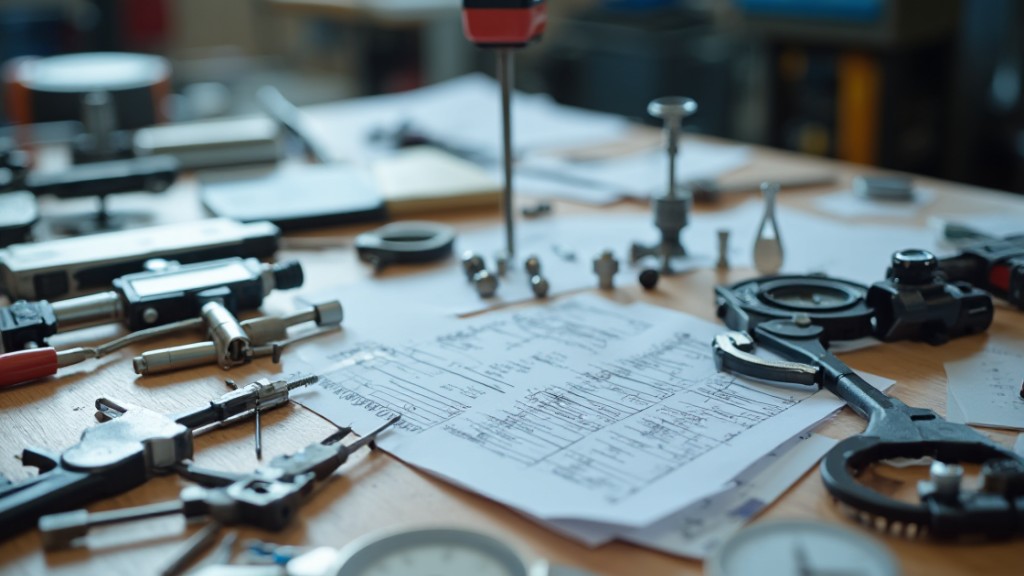
As manufacturers move through the production lifecycle, inspections become essential checkpoints that help guarantee adherence to quality and safety standards.
The quality inspection lifecycle includes several key stages:
- Pre-production inspections assess the quality of raw materials before manufacturing begins.
- In-process inspections detect defects during active production, preventing issues from escalating.
- Final inspections verify that finished products meet specified requirements before shipment.
- Statistical sampling methods, like Acceptable Quality Level (AQL), optimize quality checks in manufacturing without exhaustive 100% checks.
Benefits of Implementing Quality Inspections
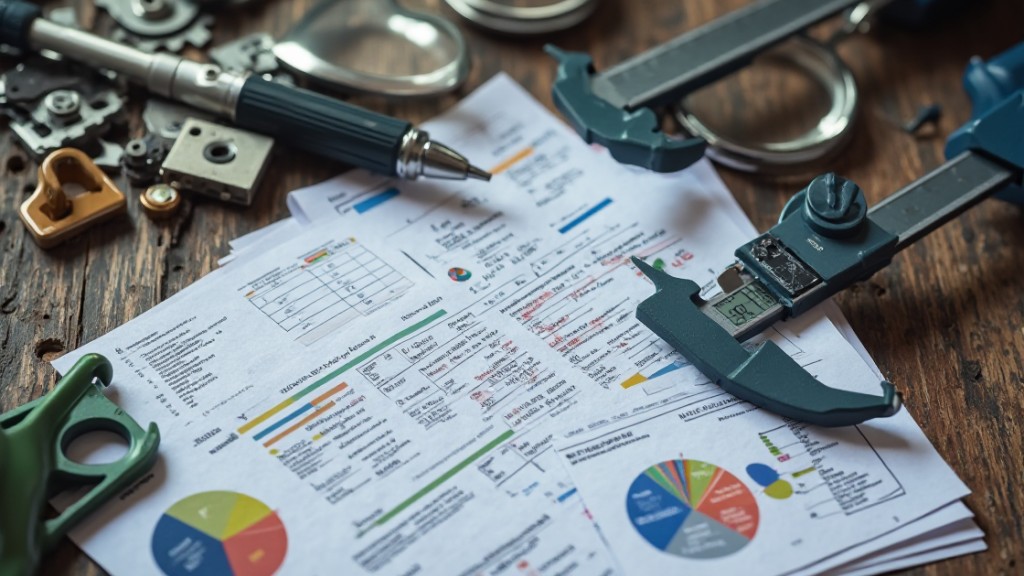
Implementing quality inspections offers numerous advantages that can greatly impact a manufacturing operation. By identifying defects early in the production process, you can markedly reduce rework and scrap costs, improving financial efficiency.
Regular quality checking procedures guarantee compliance with industry regulations, minimizing the risk of fines as well as promoting accountability.
Furthermore, effective quality inspection examples show that consistently meeting customer expectations leads to heightened satisfaction, brand loyalty, and repeat business.
These inspections additionally boost operational efficiency by uncovering bottlenecks and streamlining processes, thereby improving productivity.
Finally, the data gathered supports continuous improvement initiatives, allowing you to pinpoint trends and areas for development, ultimately strengthening your competitive position in the market.
Statistical Sampling in Quality Inspection
In many manufacturing environments, statistical sampling serves as a practical and efficient method for evaluating product quality without the burden of inspecting every single item produced. This cost-effective approach is crucial for quality control in production, especially in high-volume settings.
Here are some key points about statistical sampling:
- Acceptable Quality Level (AQL) defines the maximum allowable defects in a sample.
- Common techniques include simple random, stratified, cluster, and systematic sampling.
- Identifies defect patterns and variations, helping manufacturers implement corrective actions.
- Structured sampling plans specify sample size and acceptance criteria aligned with industry standards.
Embracing Technology in Quality Inspections
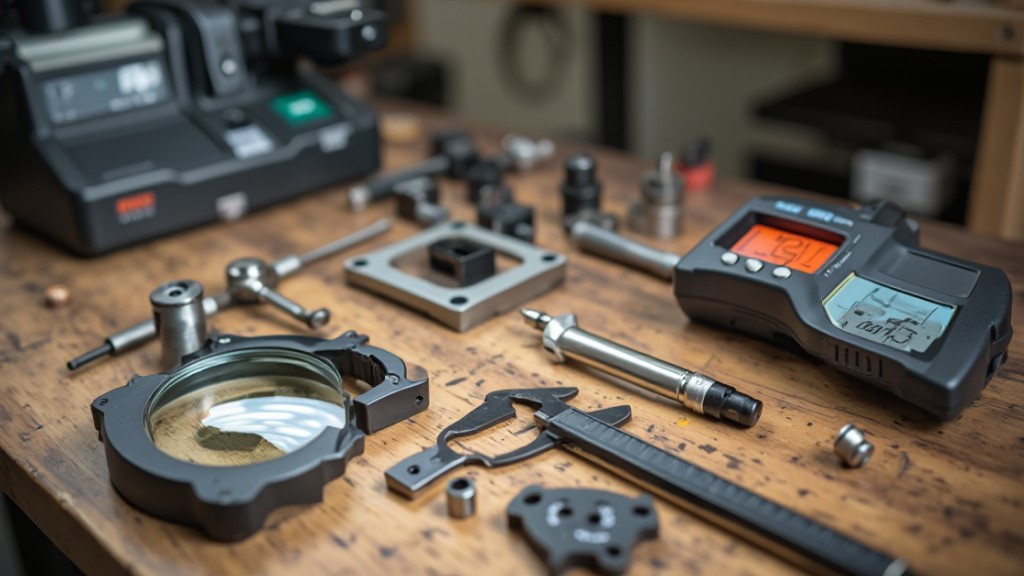
Embracing technology in quality inspections greatly transforms the way manufacturers guarantee product reliability.
Automated systems like machine vision and artificial intelligence improve accuracy, considerably reducing human error in inspection and quality control in manufacturing. With advanced technologies such as IoT, you can monitor production processes in real-time, allowing for the immediate identification of defects.
[embedded content]
AI-powered visual inspection systems excel at detecting minute flaws that manual inspections might miss, thereby enhancing quality assessments. Additionally, integrating data analysis software helps identify trends and areas for improvement, streamlining the inspection process.
Robotics and automation not just accelerate quality checks but also boost overall operational efficiency, making a considerable impact on improving quality control in manufacturing environments.
Building an Effective Quality Inspection Program
To build an effective quality inspection program, you must first develop a thorough inspection plan that aligns with specific products and processes.
This plan should focus on how to improve quality control in production by incorporating various strategies, such as:
- Defining clear roles and responsibilities for inspection personnel.
- Utilizing advanced technologies like AI and machine vision for improved accuracy.
- Conducting regular audits of inspection processes to identify improvement areas.
- Offering continuous training for staff to stay updated on best practices.
Continuous Improvement in Quality Inspection
Continuous improvement in quality inspection plays a crucial role in enhancing product quality and operational efficiency across manufacturing processes. By identifying and addressing root causes of defects, you can greatly boost product quality checks.
Cultivating a culture of continuous improvement encourages every employee to participate in quality initiatives, promoting innovation and accountability. Regular audits and evaluations of your inspection processes yield critical insights, guiding corrective and preventive actions to guarantee compliance with industry standards.
Leveraging data from inspections helps you pinpoint trends and streamline processes, finally enhancing your quality management systems. Furthermore, ongoing training, like access to Six Sigma resources, equips your staff with the skills needed to contribute effectively to these continuous improvement efforts in quality inspection practices.
The Future of Quality Inspection in Manufacturing
As manufacturing evolves, the future of quality inspection is being shaped by state-of-the-art technologies that improve efficiency and precision.
You can expect significant advancements in manufacturing inspection through:
- Automation and AI for improved accuracy in defect detection
- IoT integration for real-time monitoring of production processes
- Data analytics for predictive quality management, anticipating defects before they occur
- Proactive quality inspection programs that emphasize continuous improvement
These innovations streamline qc checks, ensuring that quality issues are identified and resolved without delay.
As customer expectations rise, manufacturers are investing in sophisticated inspection systems that not only comply with regulations but also cultivate brand loyalty by delivering consistently high-quality products.
Adapting to these changes will be key to staying competitive in the manufacturing environment.
Frequently Asked Questions
Why Is Inspection Important in Production?
Inspection in production is essential since it helps you catch defects early, preventing costly recalls and guaranteeing your products meet quality standards.
By conducting regular inspections, you reduce waste and improve operational efficiency, which can lead to better financial performance.
Inspections also guarantee compliance with industry regulations, protecting your business from legal issues.
[embedded content]
Addressing potential problems before finalizing products saves time and builds your brand’s reputation, nurturing customer trust and loyalty.
What Is the Primary Purpose of Quality Inspection?
The primary purpose of quality inspection is to guarantee your products meet established standards for quality, safety, and performance. By identifying defects early, you can prevent costly recalls and improve customer satisfaction.
Quality inspections additionally help you comply with industry regulations, protecting consumer safety as well as avoiding fines.
Furthermore, a systematic approach cultivates a culture of continuous improvement, encouraging your team to take responsibility for maintaining high product quality and operational excellence.
What Is Production Inspection?
Production inspection is a systematic process where you check products at various stages of manufacturing to guarantee they meet quality standards. This includes Initial Production Checks, During Production Inspections, and Pre-Shipment Inspections, focusing on different points in the production cycle.
Certified inspectors use customized checklists to evaluate product specifications, packaging, and production progress. By identifying defects early, you minimize risks and costs, leading to improved efficiency and better overall product quality.
What Are the 4 Types of Quality Inspection?
The four types of quality inspections in manufacturing are Product Quality Inspections, Process Quality Inspections, In-Process Inspections, and Pre-Shipment Inspections.
Product Quality Inspections evaluate the final output against specifications.
Process Quality Inspections guarantee compliance during production stages.
In-Process Inspections monitor quality in real-time, allowing for immediate corrections.
Finally, Pre-Shipment Inspections confirm that finished products meet all standards before dispatch, assuring that customers receive defect-free items.
Each type plays a critical role in maintaining quality.
Conclusion
To summarize, production quality inspection is essential for ensuring that products meet necessary standards, thereby reducing defects and enhancing efficiency. By implementing various inspection methods, such as visual checks and automated systems, manufacturers can identify issues early in the production cycle. This proactive approach not just minimizes costly recalls but likewise nurtures continuous improvement and customer trust. As technology advances, integrating innovative tools into quality inspections will further strengthen manufacturing processes and maintain competitive advantage in the market.
[embedded content]
Image via Google Gemini and ArtSmart