
This post was originally published on this site.
Meteorologists are forecasting travel havoc this weekend, as a major winter storm is set to slam into the middle and Southern US beginning Friday, January 23.
Experts predict that the powerful storm system, which is being called Winter Storm Fern, will dump large amounts of snow and dangerous ice across more than two dozen states. “An expansive winter storm will produce swaths of heavy snow, sleet, and freezing rain from the Southern Rockies and Plains into the Mid-South starting Friday and shifting across the East Coast this weekend, possibly through Monday for New England,” says an alert from the National Weather Service.
Nearly all modes of travel across several large regions of the US will be severely impacted, including air travel, road trips, and trains. The disruptions could last for a while, as a bout of “extreme cold” is set to follow the storm in the majority of the country, which could prolong the complications from snow and ice.
Here’s a look at the latest information travelers need to know, including how travel insurance can help if you get delayed or stranded.
Flight delays and cancellations
Snow and ice are always sure to cause widespread flight delays and cancellations. Over 1,000 US flights scheduled for Friday and Saturday have already been canceled, with Dallas-Fort Worth International Airport (DFW), Will Rogers International Airport in Oklahoma City (OKC), and Tulsa International Airport (TUL) seeing the highest percentages of cancellations leading into the weekend.
Major US airlines are getting ahead of the situation by issuing travel waivers that allow for free changes so travelers can pivot their plans around the storm. So far, American Airlines, Delta, United, and Southwest have all issued change fee waivers that offer travelers this extra flexibility at no extra charge. The travel waivers cover flights to, from, and through dozens of airports in the storm’s path located throughout the Plains, Mid-Atlantic, and Southern US for flights scheduled from January 23 to 26.
Each carrier has a slightly different policy, so be sure to check your airline’s specific guidelines. (You can find them here: American, Delta, United, and Southwest.)
Travelers should plan to change flights to a time either before the storm is predicted to hit or after it passes. All four carriers are allowing travel to be delayed until at least January 28, 2026. Be sure to sign up for text and email alerts from your carrier to stay up to date with the latest flight changes.
Dangerous road conditions
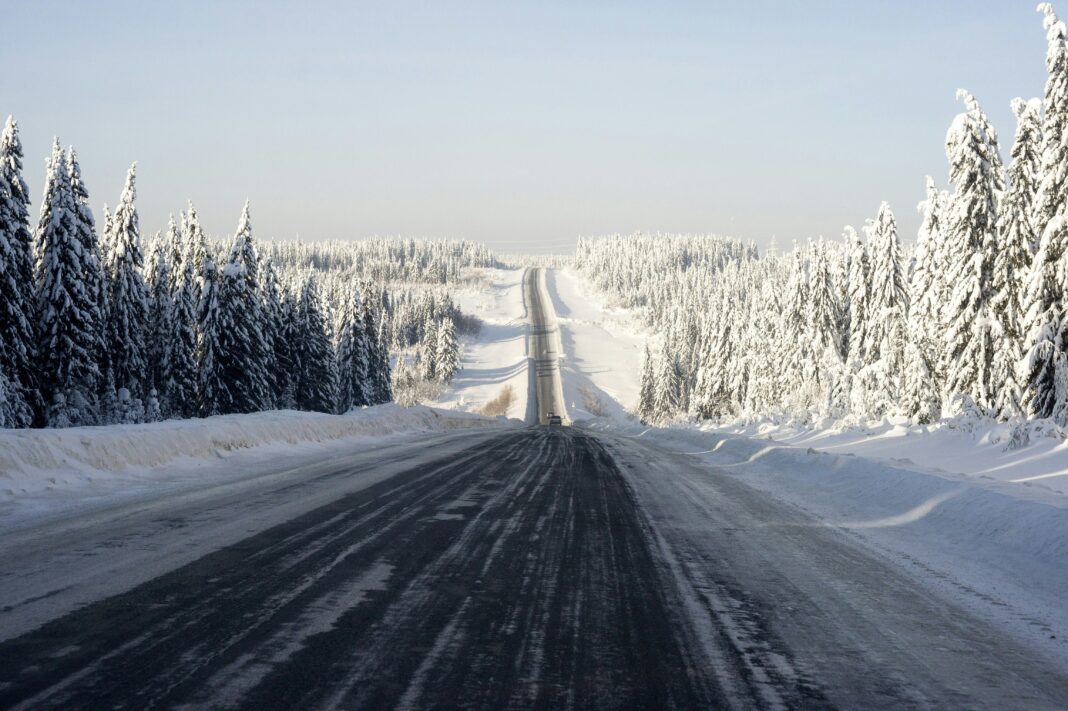
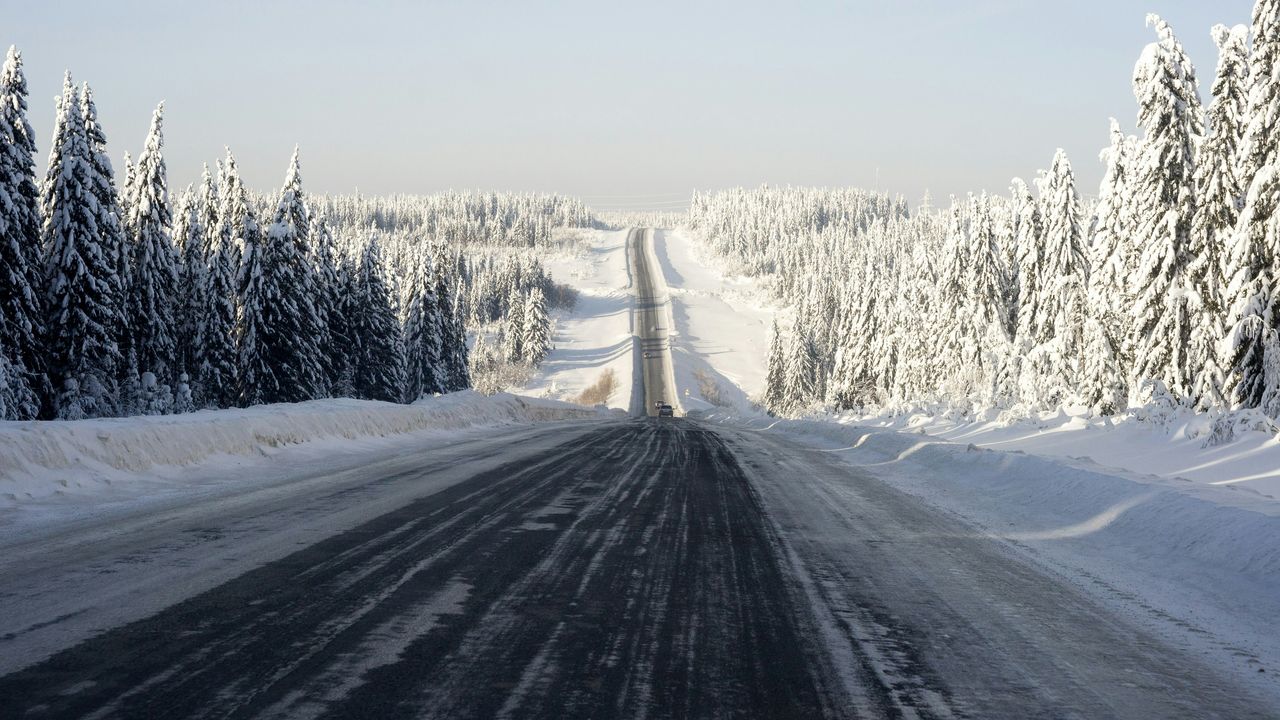
It’s best to avoid driving if you can, as “snow-covered roads and low visibility will cause widespread travel disruptions” from January 23 to 26, according to the National Weather Service (NWS).
In addition to snow, dangerous ice is expected across the Southern Plains, Mid-South, and Carolinas, says the service’s alert. The freezing rain is expected to cause “treacherous travel conditions” in at least eight states, including parts of eastern Texas, southern Arkansas, Louisiana, Mississippi, Alabama, Georgia, South Carolina, and North Carolina.
The Northeast is also facing a risk of snow squalls from the morning of Thursday, January 22 through Friday, January 23, according to the NWS. These quick-moving storms could begin in Upstate New York and move through New England as they “create an extremely dangerous combination of heavy snow rates and strong, gusty winds, leading to snow-covered roads and near-zero visibility.”
It’s best for drivers in those regions to stay off the roads during those times, if possible. “Conditions can change rapidly in snow squalls, creating dangerous travel for motorists,” according to the agency.