
This post was originally published on this site.

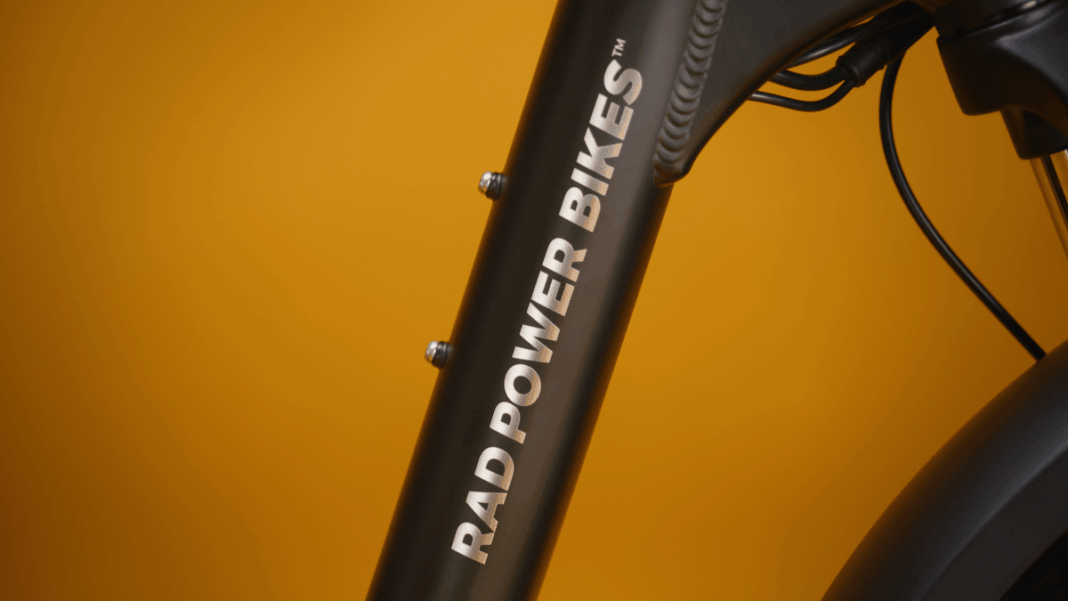
Electric bike company Rad Power Bikes has reached a deal to sell itself to a company called Life Electric Vehicles Holdings (or Life EV) for around $13.2 million, a little more than a month after entering the bankruptcy process.
Florida-based Life EV bills itself as a “developer, manufacturer, and distributor in the light electric vehicle industry.” It offers a number of electric bikes for sale on its website, although most of them were labeled as “sold out” at the time this article was published.
A filing to the bankruptcy docket over the weekend shows that five entities participated in an auction on the Rad Power assets on January 22. The first bid came in at $8 million, and parties traded bids until Life Electric Vehicles came away as the winner. When accounting for Rad Power’s liabilities, the total value of the bid is $14.9 million.
Another e-bike company called Retrospec had the second-highest bid of $13 million, and is being labeled as the “backup bidder” in case the deal with Life EV falls through. The bids were a steep discount to Rad Power’s peak $1.65 billion valuation, which was reached in Otober 2021, per PitchBook. The company has raised a total $329.2 million, according to Pitchbook data.
The acquisition still needs to be approved by the bankruptcy judge.
Rad Power is not the only company in the micromobility world to seek bankruptcy protection in recent years. Peers like VanMoof and Cake went through restructurings and found new owners. Scooter company Bird also went through the bankruptcy process.
It’s not clear what Life EV plans to do with Rad Power; Life EV CEO Robert Provost directed questions to Rad Power. “There is still a process underway and there is an exciting future being planned for Rad Power,” he wrote in a message.
Techcrunch event
San Francisco
|
October 13-15, 2026
TechCrunch was unable to reach Rad Power for comment; this article will be updated if the company responds.
Like many of those peers, Rad Power saw a huge increase in sales during the pandemic, but struggled as that momentum dried up.
The company went through multiple rounds of layoffs in recent years, juggled CEOs, and more recently had trouble with some of its older batteries catching fire. The Consumer Product Safety Commission found 31 reported fires tied to the batteries.
Rad Power told TechCrunch at the time that it “firmly stands behind our batteries and our reputation as leaders in the e-bike industry, and strongly disagrees with the CPSC’s characterization of certain Rad batteries as defective or unsafe.”