
This post was originally published on this site.
 Getty Images
On Wednesday evening, intrigued fans will venture to cafes across Morocco’s capital city Rabat to cheer on their side against Arsenal.
But they will not be sitting in the smoke-filled coffee houses, watching Mikel Arteta’s men at Emirates Stadium.
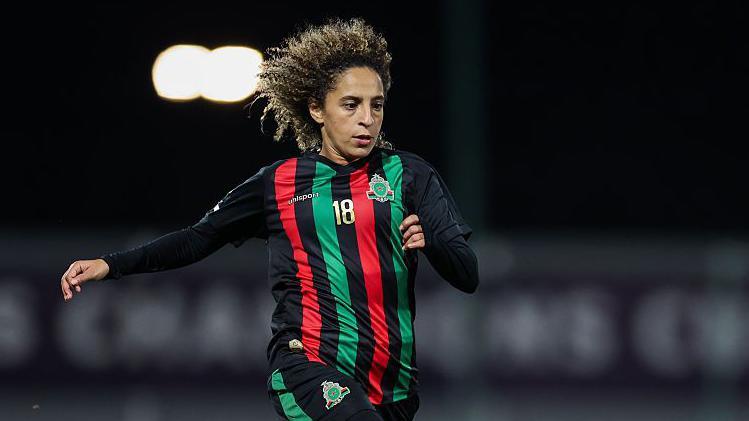
Instead, Renee Slegers’ women will be on the television, playing AS FAR at Brentford’s Gtech Community Stadium (18:00 GMT).
Brazilian side Corinthians will already have played New York-based Gotham FC in the other semi-final of the inaugural Women’s Champions Cup (12:30).
The finalists will meet at Arsenal’s Emirates Stadium on Sunday, 1 February (18:00) with $2.3m (£1.7m) – the biggest single award in women’s club football – going to the champions.
But who are AS FAR – and how are they the queens of African football?
A military club founded by the king
Association Sportive des Forces Armees Royales (AS FAR) is one of the more unique clubs in world football.
Founded in 1958 by the late Moulay El Hassan II, the former king of Morocco, they are the club of the nation’s military.
This relationship has allowed the women’s team to become trailblazers in Africa.
Not constrained by the same financial incentives faced by private clubs, AS FAR, which came into being in 2001 and was the country’s first professional outfit, has invested in its women’s team like no other in Africa over the past decade.
They have dominated domestically, winning all but one league title since 2013.
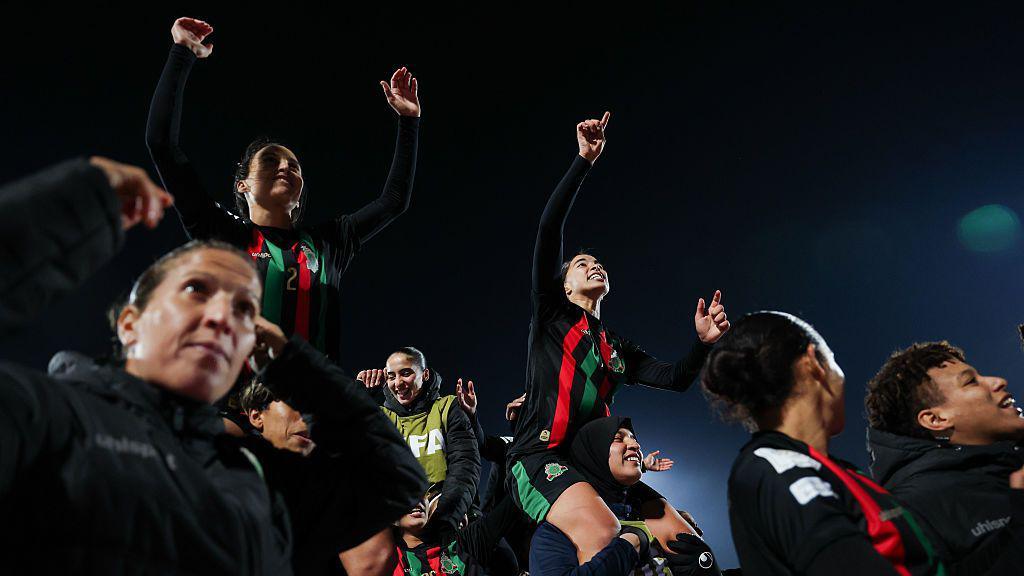
Also known as The Soldiers, they have also won two continental titles since the African Women’s Champions League’s founding in 2021, the most recent being in November which qualified them for this inaugural edition of Fifa’s Champions Cup.
Receiving a bye through the first round, AS FAR then came from behind in the second to beat Chinese club Wuhan Jiangda in extra time and earn the chance to take on Arsenal.
 Getty Images
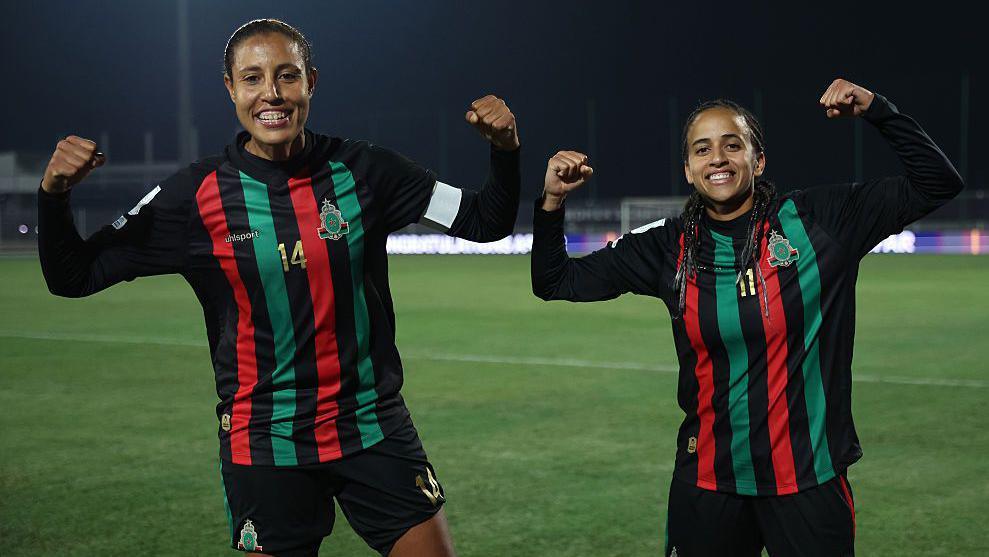
While they will be huge underdogs in this semi-final, they should not be taken lightly. The team boasts a number of Morocco internationals with seven having played for the Atlas Lionesses side that reached the knockout stages of the World Cup in 2023.
Annisa Lahmari, who came through Paris St-Germain’s academy before spending a year on loan at Reading and signed for AS FAR last year, scored the goal that sent Morocco through to the last 16 at the World Cup at the expense of Germany.
Out wide, Arsenal will have to watch out for talented wingers Sanaa Mssoudy and Fatima Tagnaout who are regulars for Morocco.
It is the first time an African team has played against a European side in a competitive fixture.
“AS FAR playing against Arsenal is a very special moment,” former captain and current star of the Morocco national team Ghizlane Chebbak tells BBC Sport.
“This match represents the level the club has reached and reflects the remarkable progress of women’s football in Morocco.”
Morocco leads African women’s football revolution
Remarkable is the word.
Over the past decade, Morocco has gone from a women’s footballing backwater to one of the most dominant nations in Africa. That transformation has come off the back of huge investment from the Royal Moroccan Football Federation (FRMF) and Moroccan government.
In 2020, the government took the decision to fund every team in the top two divisions of women’s football, paying the wages of players, coaches and medical staff. Overnight, those two divisions went from practically amateur to professional.
Each of the 14 teams in the top division have 13 designated players who are paid $500 (£369) a month directly by the Federation. Another seven players receive $350 (£259) while the head coaches receive $500. It is modest but that money is just a baseline, effectively a universal basic income.
Clubs then pay salaries on top of that, with better players in the league making in excess of $2,000 (£1,475) a month.
“I’m just sorry for myself because I wanted to live in this moment when I was a player,” says Khadija Illa, former player and president of the Moroccan league. “But when I see the girls now living the dream, I feel like I’m living it.”
“Twenty years ago, you could’ve asked: ‘Is anyone playing in Morocco?’ Now we’re the champions of Africa going to play Arsenal.”
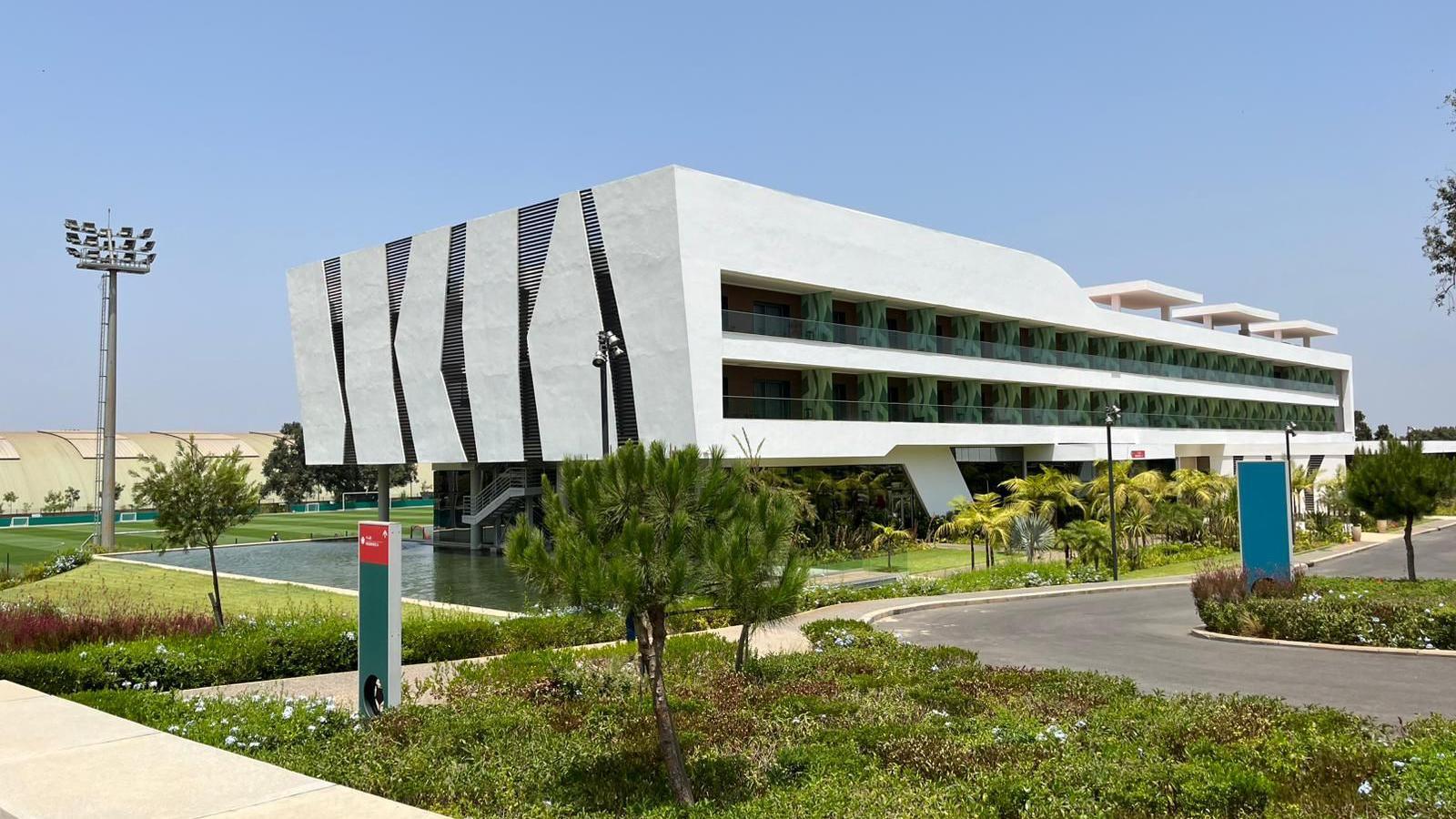
Investment is not restricted to club level. The national side train at the King Mohammed VI Training Complex along with the men and all the country’s age-grade teams.
The $65m centre boasts among its amenities eight full-size pitches, futsal and beach pitches, gym and medical facilities, an Olympic-sized swimming pool, classrooms and a five-star hotel.
Leicester City forward Rosella Ayane, who played for England youth teams before making the switch to represent Morocco, once described the complex as “St George’s Park with palm trees”.
Having failed to qualify for the Women’s Africa Cup of Nations (Wafcon) since 2000, Morocco hosted successive tournaments in 2022 and 2025, reaching the final on both occasions, and will also stage the 2026 edition.
They also reached their maiden World Cup in 2023, losing 4-0 to France in the last 16.
Former Spain manager, Jorge Vilda was appointed head coach of the Morocco women’s team in 2023.
They are not the only African nation to have seen great improvements over the past decade as the entire continent begins to professionalise the women’s game.
Both South Africa and Nigeria also reached the knockout stage of the World Cup, the latter only losing to England on penalties in the last 16.
Next stop, world champions?
 Getty Images
The introduction of the African Women’s Champions League in 2021 has raised the level of club football on the continent. Held as a one-off tournament with just eight teams who qualify regionally, it pits the best of the continent against each other.
AS FAR and South Africa’s Mamelodi Sundowns have won the competition twice, with Congolese side TP Mazembe winning the only other edition.
In last year’s competition, held in November, AS FAR saw off Ivorian side ASEC Mimosas in the final to qualify for this Champions Cup and pave the way for their tie with Arsenal.
“It really is a dream,” Illa concludes.
“Before I could never had dreamed that girls in Morocco could play against Arsenal or in London – but now it’s a reality.”
Ben Haines, Ellen White and Jen Beattie are back for another season of the Women’s Football Weekly podcast. New episodes drop every Tuesday on BBC Sounds, plus find interviews and extra content from the Women’s Super League and beyond on the Women’s Football Weekly feed